How Many Years Do Automatic Watches Last? Learn More!
Have you ever wondered how long your automatic watch will last? You’re not alone! Automatic watches are a timeless investment that can last for generations if properly cared for. In this article, we will explore the factors that affect the lifespan of automatic watches and provide you with tips on how to ensure your timepiece stands the test of time. Let’s dive in and learn more about how many years automatic watches can last!
Contents
- How long do automatic watches typically last?
- Factors that can affect the lifespan of an automatic watch
- Maintenance tips to prolong the life of your automatic watch
- Common misconceptions about the lifespan of automatic watches
- Why investing in a high-quality automatic watch can be worth it
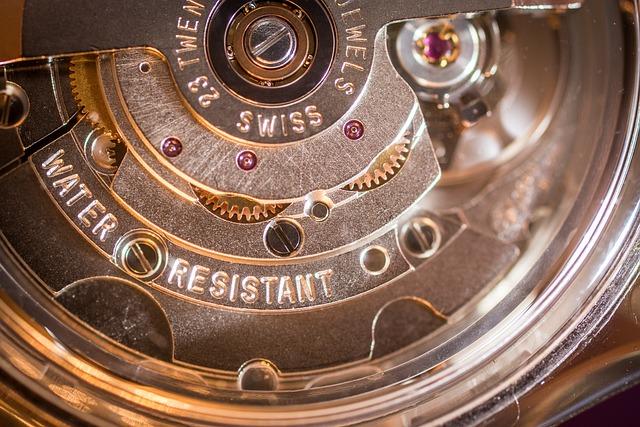
- Understanding the internal mechanisms that contribute to the longevity of automatic watches
- Final thoughts on the durability and lifespan of automatic watches
- To Wrap It Up
How long do automatic watches typically last?
Automatic watches are known for their craftsmanship and durability, often lasting for generations if properly cared for. These timepieces are powered by the movement of the wearer’s wrist, eliminating the need for batteries. With regular maintenance and servicing every 5-7 years, automatic watches can last a lifetime.
Factors that can influence the lifespan of an automatic watch include the brand, quality of materials, and how often it is worn. High-end luxury brands like Rolex and Omega are renowned for their longevity, with some models lasting over 100 years with the right care.
It’s important to keep your automatic watch away from extreme temperatures, moisture, and magnetic fields to ensure its longevity. Storing it in a watch winder when not in use can also help maintain its accuracy and prolong its lifespan.
Overall, with proper care and maintenance, automatic watches can last for many years, becoming timeless heirlooms that can be passed down through generations.

Factors that can affect the lifespan of an automatic watch
include:
- Quality of materials used in the watch construction. High-quality materials such as sapphire crystal, stainless steel, and ceramic are more durable and can help prolong the lifespan of the watch.
- Maintenance and care. Regular servicing, proper storage, and avoiding exposure to extreme temperatures or magnetic fields can all contribute to the longevity of an automatic watch.
- Frequency of use. Watches that are worn daily are typically more reliable than those that are left unworn for long periods of time, as regular movement helps keep the mechanisms lubricated and functioning properly.
- Water resistance. Ensuring that your automatic watch is water-resistant and following the manufacturer’s guidelines for water exposure can prevent damage and extend its lifespan.
By considering these factors and taking proper care of your automatic watch, you can potentially enjoy its elegant design and precise timekeeping for many years to come.
Maintenance tips to prolong the life of your automatic watch
Maintaining your automatic watch is essential to ensure it lasts for many years to come. Here are some tips to help prolong the life of your timepiece:
- Regular Servicing: Make sure to have your automatic watch serviced by a professional watchmaker every 3-5 years to keep it running smoothly.
- Keep it Wound: If you have a watch winder, use it to keep your automatic watch wound when you’re not wearing it to prevent the oils from drying out.
- Avoid Magnets: Keep your automatic watch away from magnets as they can disrupt the movement and accuracy of the watch.
- Store Properly: When you’re not wearing your watch, store it in a cool, dry place away from direct sunlight to prevent any damage to the movement.
By following these maintenance tips, you can extend the lifespan of your automatic watch and continue to enjoy its beauty and functionality for years to come. Remember, proper care and maintenance are key to keeping your watch running smoothly.
Common misconceptions about the lifespan of automatic watches
There are several that often lead to confusion among watch enthusiasts. Let’s debunk some of these myths and set the record straight:
- Automatic watches last a lifetime: While automatic watches are known for their durability and longevity, they do require regular maintenance to ensure they continue to function properly. With proper care and servicing, an automatic watch can last for many decades.
- Wearing an automatic watch every day will shorten its lifespan: On the contrary, wearing your automatic watch regularly can actually help to keep it running smoothly. The movement of your wrist helps to keep the watch wound, reducing the risk of lubricants drying out and parts seizing up.
- Automatic watches are more fragile than quartz watches: While automatic watches may be more complex in terms of their movement, they are not necessarily more fragile. In fact, many automatic watches are built to withstand everyday wear and tear, making them a reliable choice for daily use.
 high-quality automatic watch can be worth it”>
Why investing in a high-quality automatic watch can be worth it
Investing in a high-quality automatic watch can be a decision that pays off in the long run. These timepieces are not just accessories; they are precision instruments that can last for generations if properly cared for. Automatic watches are often crafted with superior materials and intricate movements that require expert craftsmanship. This attention to detail means that these watches can withstand the test of time and continue to function flawlessly for many years to come.
One of the key reasons why investing in a high-quality automatic watch is worth it is their durability. Unlike battery-powered watches that may need frequent replacements, automatic watches are built to last. With regular maintenance and servicing, these watches can keep accurate time for decades. This longevity makes them a timeless investment that can be passed down from one generation to the next.
Another benefit of automatic watches is their timeless design. Unlike trendy fashion accessories that may go out of style quickly, a well-crafted automatic watch will never go out of fashion. Its classic design and superior craftsmanship will always stand the test of time, making it a versatile accessory that can be worn for any occasion.
In addition to their durability and timeless design, automatic watches also hold their value well. High-quality timepieces from reputable brands often appreciate in value over time, making them a smart investment choice. With proper care and maintenance, an automatic watch can not only last a lifetime but also increase in value, making it a valuable addition to any collection.
Understanding the internal mechanisms that contribute to the longevity of automatic watches
Automatic watches are beloved for their craftsmanship, durability, and timeless appeal. One of the most intriguing aspects of automatic watches is their longevity. These timepieces are built to last for generations, thanks to the intricate internal mechanisms that drive their movement.
Several factors contribute to the longevity of automatic watches, including:
- High-Quality Materials: Automatic watches are often crafted from premium materials such as stainless steel, sapphire crystal, and ceramic, which are designed to withstand wear and tear.
- Precision Engineering: The internal components of automatic watches, such as the movement and escapement, are meticulously designed and assembled with precision to ensure smooth operation over time.
- Regular Maintenance: Like any mechanical device, automatic watches require regular maintenance to keep them running smoothly. This includes servicing the movement, lubricating parts, and adjusting the timekeeping accuracy.
| Component | Lifespan |
|---|---|
| Movement | 10-20 years |
| Crystal | Indefinite |
| Bracelet/Strap | 5-10 years |
By , you can ensure that your timepiece remains a cherished heirloom for years to come.

Final thoughts on the durability and lifespan of automatic watches
When it comes to the durability and lifespan of automatic watches, there are a few key factors to consider. First and foremost, the quality of the watch itself plays a significant role in how long it will last. Higher-end automatic watches are typically made with stronger materials and better craftsmanship, which can result in a longer lifespan.
Another factor to consider is how well the watch is maintained. Regular servicing and proper care can help prolong the life of an automatic watch. This includes keeping it clean, avoiding extreme temperatures, and storing it properly when not in use.
While automatic watches are known for their longevity, it’s important to remember that they are not indestructible. Over time, parts may wear out or break, especially if the watch is not well-maintained. However, with proper care and regular servicing, a high-quality automatic watch can last for decades.
In conclusion, the durability and lifespan of automatic watches depend on various factors, including the quality of the watch, how well it is maintained, and how often it is serviced. By investing in a well-made automatic watch and taking good care of it, you can enjoy its beauty and functionality for many years to come.
To Wrap It Up
In conclusion, automatic watches can last a lifetime with proper care and maintenance. Factors such as the build quality, movement type, and how often the watch is worn can all impact its longevity. By investing in a high-quality automatic watch and following recommended maintenance guidelines, you can ensure that your timepiece will last for many years to come. Remember to regularly service your watch and keep it away from extreme conditions to maximize its lifespan. Thank you for reading and we hope you found this information helpful in understanding the lifespan of automatic watches.
Get our latest guides, news, and insights highlighted in your Google Search & AI Overviews.