
How to Adjust Rolex Datejust Bracelet: Sizing Solutions
A perfectly fitting Rolex Datejust is as essential as its legendary automatic caliber-the feeling of comfort paired with timeless style truly elevates the wearing experience. Yet, many owners struggle initially to adjust the bracelet sizing to their wrist, often unsure how to modify links or the clasp for that ideal fit. Whether you’re adding or removing links,or fine-tuning with the Easylink extension,mastering these simple adjustments ensures your Datejust wears as effortlessly as it performs. In this guide,we’ll walk you through practical,hands-on sizing solutions-demystifying tools and techniques so you don’t need a dealer’s bench to make your watch fit like it was custom made. For collectors and newcomers alike, understanding bracelet adjustment deepens your connection with this horological icon, balancing comfort with the precision engineering Rolex is known for.Ready to make your Datejust truly yours? Let’s dive in.
Contents
- Understanding Rolex Datejust Bracelet Types and components
- Essential Tools for Safe and Precise Bracelet Adjustment
- Step-by-Step Guide to Removing and Adding Rolex Datejust Links
- How to Adjust Rolex Datejust Clasp for Perfect Fit
- Sizing Solutions: Micro-Adjustments Using Easylink Extension
- Troubleshooting Common Bracelet Sizing Issues
- maintaining Your Rolex Datejust Bracelet for Longevity
- When to Visit a Professional: Risks of DIY Adjustments
- Comparing Different Rolex Datejust Bracelet Materials and Fit Variations
- FAQ
- Q: How can I adjust my Rolex Datejust bracelet for hot weather swelling?
- Q: What is the best way to tell if my Rolex Datejust bracelet needs professional sizing?
- Q: Can I safely clean the Rolex Datejust bracelet during sizing adjustments?
- Q: How do bracelet material differences affect Rolex Datejust size adjustments?
- Q: Why does my Rolex Datejust bracelet feel loose even after adding links?
- Q: How often should I check and adjust my Rolex Datejust bracelet size?
- Q: What tools can prevent damage when adjusting a Rolex Datejust bracelet at home?
- Q: How do different Rolex Datejust bracelet clasps impact adjustment options?
- Closing Remarks
Understanding Rolex Datejust Bracelet Types and components
rolex Datejust bracelets are a cornerstone of the model’s timeless appeal, combining robust engineering with elegant design.Understanding the various bracelet types and their components goes beyond aesthetics-it’s key to achieving the perfect fit and maintaining comfort over years of wear. Whether you own a brand-new model or a vintage piece, knowing the specifics can definitely help you tailor the bracelet to your wrist with confidence and care.
The oyster bracelet is perhaps the most iconic, recognized for its flat three-piece link design that balances sporty durability with everyday elegance. Its robust construction is complemented by solid end links and a clasp system engineered for durability. In contrast, the Jubilee bracelet, introduced in 1945 to celebrate the datejust’s launch, features a five-piece link design that offers a slightly dressier appearance with greater adaptability and comfort. it’s perfect for those who prefer a bit more heft and articulation on their wrist. Simultaneously occurring, the President bracelet, though less common on Datejust models, offers a semi-circular three-piece link design that straddles luxury and comfort, usually associated with Day-Date models but sometimes seen on higher-end Datejust variants.
Each bracelet type has unique components that facilitate sizing and adjustment:
- Links: The basic building blocks-removable on both Oyster and Jubilee models using spring bars or screws, allowing length customization.
- solid vs. Hollow Links: Modern Datejusts typically come with solid links, enhancing longevity and reducing stretch over time. Older bracelets may feature hollow links, wich are lighter but can wear faster.
- Clasp mechanism: Most Datejust bracelets employ the Oysterclasp or Oysterlock system, offering reliable security and polished finishing. These often feature micro-adjustment capabilities for fine-tuning the fit.
- Easylink Extension: rolex’s clever micro-adjust system integrated into many Datejust bracelets enables quick,tool-free adjustment of about 5mm,accommodating wrist swelling or activity changes with ease.
Recognizing these elements empowers you to approach bracelet adjustments with precision. For example, if your Jubilee bracelet feels too loose, you may remove a link or use the Easylink for minor tweaks, knowing that solid links require screwdrivers rather than simple spring bar tools. Additionally,understanding whether your watch has solid end links (SEL) helps in assessing the quality and feel-SELs impart a more secure and integrated look compared to folded or pressed links often found on vintage models.
This knowledge isn’t merely academic. When you grasp how these parts interact, you can avoid common pitfalls like mismatched link removal (which can unbalance the bracelet), damaging delicate spring bars, or mixing components that don’t belong together. Plus, you’ll be better equipped to make decisions about professional servicing or replacement parts down the line.
Ultimately, the Datejust bracelet is a testament to Rolex’s balance of functional genius and refined aesthetics-knowing its types and components lets you treat yours not just like a strap, but a vital piece of horological craftsmanship and daily comfort.
Essential Tools for Safe and Precise Bracelet Adjustment
Adjusting your Rolex Datejust bracelet is an exercise in precision, but it doesn’t have to be intimidating. The right tools make all the difference between a smooth, damage-free adjustment and a frustrating mishap that could cost you time and money. Whether you’re tackling the solid links of an Oyster bracelet or the intricate five-piece links of a Jubilee, investing in quality, purpose-built tools will give you the confidence to size your bracelet safely and accurately.
At the core of this toolkit, a reliable spring bar tool is indispensable. Unlike generic prying devices, a spring bar tool features a forked end designed to gently compress the spring bars holding the bracelet to the case or the clasp. This minimizes the risk of scratching the polished surfaces or bending delicate components. For Datejust bracelets with screw-down links-which are common in solid link versions-a precision screwdriver set with varied flat-head sizes is essential. Rolex screw heads tend to be small and require careful handling; cheap or overly large drivers can easily strip the screw slots and make future adjustments impossible. It’s worth choosing screwdrivers with hardened tips and cozy grips for better control.
- Spring bar tool: For removing bracelet from case and clasp; look for ergonomic handle and sharp, thin forked tips.
- Precision screwdriver set: Flat-head drivers sized between 1.0mm and 1.6mm are typical; opt for high-quality sets designed for watchmaking.
- Soft polishing cloth: Use this to lay the watch on during adjustments to prevent scratches on the caseback or bracelet links.
- Magnifying loupe or eyewear: Helps you see the tiny screws and link pins clearly for safer handling.
- Pin pusher or bracelet pin remover: Occasionally needed for older Datejust bracelets or vintage models with pin-style links instead of screws.
- Small container or tray: Keeps screws and tiny parts organized to avoid losing them during work.
Having the right workspace matters too: a clean, well-lit surface were you can comfortably work without distractions is a game-changer. Some collectors prefer padded mats specifically designed for watch repair, which stabilize the watch and absorb shocks in case tools slip. Personally, I appreciate DIY adjustments that respect the watch’s craftsmanship-taking extra time with tools that are purposely made for horology makes the process more enjoyable and drastically reduces the chance of costly mistakes.
Ultimately, these tools are an investment not just in your watch, but in the knowledge and respect for precision mechanics that the Rolex Datejust bracelet embodies. They bridge the excitement of hands-on care with the assurance of a professional approach-whether you’re adjusting your own model or preparing to pass it on in perfect condition.
Step-by-Step Guide to Removing and Adding Rolex Datejust Links
Adjusting the link count on a Rolex Datejust bracelet may seem like a small task, yet it demands a steady hand and attention to detail to preserve both the watch’s functionality and finish.The beauty of Rolex’s engineering shows here: whether you’re managing the Oyster’s robust, solid links or the refined, five-piece design of the Jubilee, each link is held firmly in place with tiny yet precise screws. Tackling this process yourself offers a rewarding sense of mastery over the watch’s fit and feel, making the experience personal and enjoyable rather than daunting.
Preparing Your Workspace and Tools
Before you start, ensure you have a clean, well-lit area to work in and gather your essential tools: a precision flat-head screwdriver (usually around 1.2mm works perfectly on Rolex screws), a spring bar tool, a soft cloth or padded watch mat, and a container for small parts.Laying your watch face down on a polishing cloth protects its polished caseback and bracelet surfaces from scratches-a simple step that safeguards the watch’s investment over time. Equipped with magnification, such as a loupe, you’ll appreciate the finer details of Rolex’s craftsmanship, spotting subtle grooves and screw heads that tell you where your tools need to go.
Removing Links from Your Rolex Datejust Bracelet
Start by locating the tiny slot on the side of the bracelet link screws. Using your precision screwdriver, gently insert the tip into the screw head, turning counterclockwise with firm but controlled pressure.Rolex screws are small and can strip easily if forced, so a steady wrist and patience are paramount. Remove as many links as needed evenly from both sides of the clasp to maintain bracelet symmetry-this ensures the clasp sits centrally on your wrist, which is a subtle but vital detail for comfort and aesthetics.
Once a link’s screw is removed, gently separate the link from its neighbor. Keep these screws safe, ideally in a small container, because losing one can turn a simple bracelet adjustment into a costly search or repair. If you encounter resistance, double-check your screwdriver size and alignment-forcing it could mar the screw head or damage the link.
Adding Links Back to Your Datejust Bracelet
Adding links is simply the reverse of removal but requires an equal level of care.Position the link accurately in line with the neighboring link, inserting the screw carefully. Engage the screw threads slowly at first, turning clockwise by hand if possible to avoid cross-threading. Once the screw begins tightening evenly, use the screwdriver to secure it firmly but not excessively; overtightening will stress the screw and threads, risking damage.To confirm your work, gently flex the bracelet near the adjusted area, ensuring smooth articulation without any unusual stiffness. This flexibility maintains the Datejust’s hallmark comfort-a key aspect of Rolex’s reputation for blending engineering precision with all-day wearability.
Practical Tips for a Perfect Fit
- Symmetry is key: Removing or adding links evenly on both sides of the clasp balances the watch on your wrist.
- Use the right screwdriver: Small, hardened tips reduce the risk of slipping or stripping.
- Take your time: Precision over speed guarantees a clean adjustment and preserves the bracelet’s finish.
- Store parts safely: Keeping screws and removed links in a dedicated container prevents losing these tiny treasures.
Adjusting your Rolex Datejust’s bracelet links isn’t just about fit-it’s about engaging with the watch as a functional work of art. Whether you’re sizing for comfort after a seasonal wrist size change or prepping the watch for a new owner, doing it right honors the meticulous craftsmanship Rolex pours into every component. The experience enriches your connection to the watch and keeps it looking sharp for years to come.
How to Adjust Rolex Datejust Clasp for Perfect Fit
Rolex’s clasp design on the Datejust bracelet is more than just a fastening mechanism-it’s a subtle marvel that allows for precise everyday comfort adjustments without removing or adding links. This micro-adjustability means you can fine-tune the bracelet fit to accommodate slight changes in wrist size throughout the day, caused by temperature, hydration, or activity, ensuring your watch remains snug yet comfortable without compromising its elegant presence.
Most modern Datejust models employ the Oysterclasp or the concealed crownclasp, both thoughtfully engineered with integrated adjustment systems.the Oysterclasp typically features a handy extension system-the Easylink-that provides about 5mm of quick adjustment. Engaging or disengaging this extension is as simple as unfolding or folding a hidden link inside the clasp, requiring no tools and allowing you to respond instantly to wrist swelling or shrinking. The Crownclasp, favored on Jubilee bracelets for its sleek invisibility, offers similar micro-adjustments albeit with slightly different mechanisms tailored to the bracelet style.
If your Datejust’s clasp has a few removable adjustment holes, this allows incremental sizing tweaks. Carefully leverage a spring bar tool to move the clasp pin to a tighter or looser hole, subtly increasing or decreasing bracelet length. This small tweak can make an immediate difference when you’re between link sizes or need just a slight looseness for ventilation or comfort.
- Micro-adjustment convenience: Allows wearers to adapt fit without tools, especially useful in daily wear or changing environments.
- Symmetrical comfort: Precision fit prevents the watch from sliding excessively, which could cause wear on links and clasp edges.
- Protects bracelet longevity: Reducing unneeded tension or slack helps maintain the structural integrity of the links over time.
For collectors and everyday wearers alike, mastering clasp adjustments embodies the interplay between form and function that defines Rolex. there’s something deeply satisfying about knowing your watch isn’t just a static object on your wrist but a finely tuned accessory that moves with you.On a practical note, working gently and ensuring the clasp clicks securely after adjustment helps avoid unintentional opening-a small step with a big impact on peace of mind.
Remember, while these adjustments are amiable to DIY enthusiasts, delicate spring bars and clamps can be tricky for newcomers. Proceed at a relaxed pace, use proper tools, and when in doubt, seek a seasoned watchmaker’s help to avoid damaging the clasp mechanism. This hands-on care preserves not only fit but the investment and beauty of your Datejust, ensuring it remains a lifetime companion.
Sizing Solutions: Micro-Adjustments Using Easylink Extension

Few features highlight Rolex’s design genius more than the Easylink extension system found on many Datejust Oyster bracelets. This smart yet understated mechanism offers an extra 5mm of bracelet length with a simple flick of the wrist-no tools or technical expertise required. For anyone who’s experienced a wrist that subtly swells or shrinks over the day due to heat,exercise,or hydration,the easylink is pure horological comfort technology. Unlike bulky clasps or complex micro-adjustments that might intimidate collectors new and old, the Easylink invites effortless adaptability with a satisfying tactile feel.
Unlocking this extension is straightforward: gently unfold the concealed additional link tucked neatly inside the clasp. It extends the bracelet discreetly, giving your Datejust a little breathing room without altering the watch’s elegant profile. Folding it back snaps the bracelet securely into its shorter configuration. This quick action means you don’t have to remove or add full links to react to natural wrist changes-a small innovation that makes a big daily difference. From the boardroom to weekend sports, the Easylink lets the watch feel like it was tailored just for you in any circumstance.
- No tools, no fuss: Unlike removing links with pins or screws, the Easylink requires no special tools-just your fingers. This democratizes fine adjustment, making it accessible to beginners and veterans alike.
- Comfort meets craft: By relieving pinching and tightness without sacrificing firm security, the Easylink helps maintain the bracelet’s longevity by reducing stress on links and clasp springs.
- Consistent aesthetic: The extension is cleverly hidden within the clasp, preserving the smooth lines and classic look that Rolex bracelets are known for.
For collectors juggling multiple watches or wearing their Datejust in varying climates, mastering the Easylink can protect your investment and elevate your wear experience. Imagine shifting from a chilly morning into a warm afternoon, flicking the Easylink out and back in as your wrist reacts, all while keeping your watch looking pristine and feeling like a second skin.
Tips for Using the Easylink Extension Safely
While the mechanism is intuitive, a gentle touch goes a long way. Always open and close the extension slowly, avoiding forceful snapping motions that can wear down the pivots or springs. If you notice unusual resistance or looseness, it’s wise to visit a rolex-certified technician rather than forcing the clasp. Remember,the Easylink was engineered to last for decades,but like all mechanical parts,it benefits from respectful treatment and occasional professional service.
In embracing the Easylink, you’re not only tapping into Rolex’s legacy of practical innovation but also enhancing your daily relationship with your timepiece. This tiny, elegant solution speaks volumes about how micro-engineering meets macro-functionality-elevating the humble watch bracelet from mere security to a dynamic interface between man and machine.
Troubleshooting Common Bracelet Sizing Issues
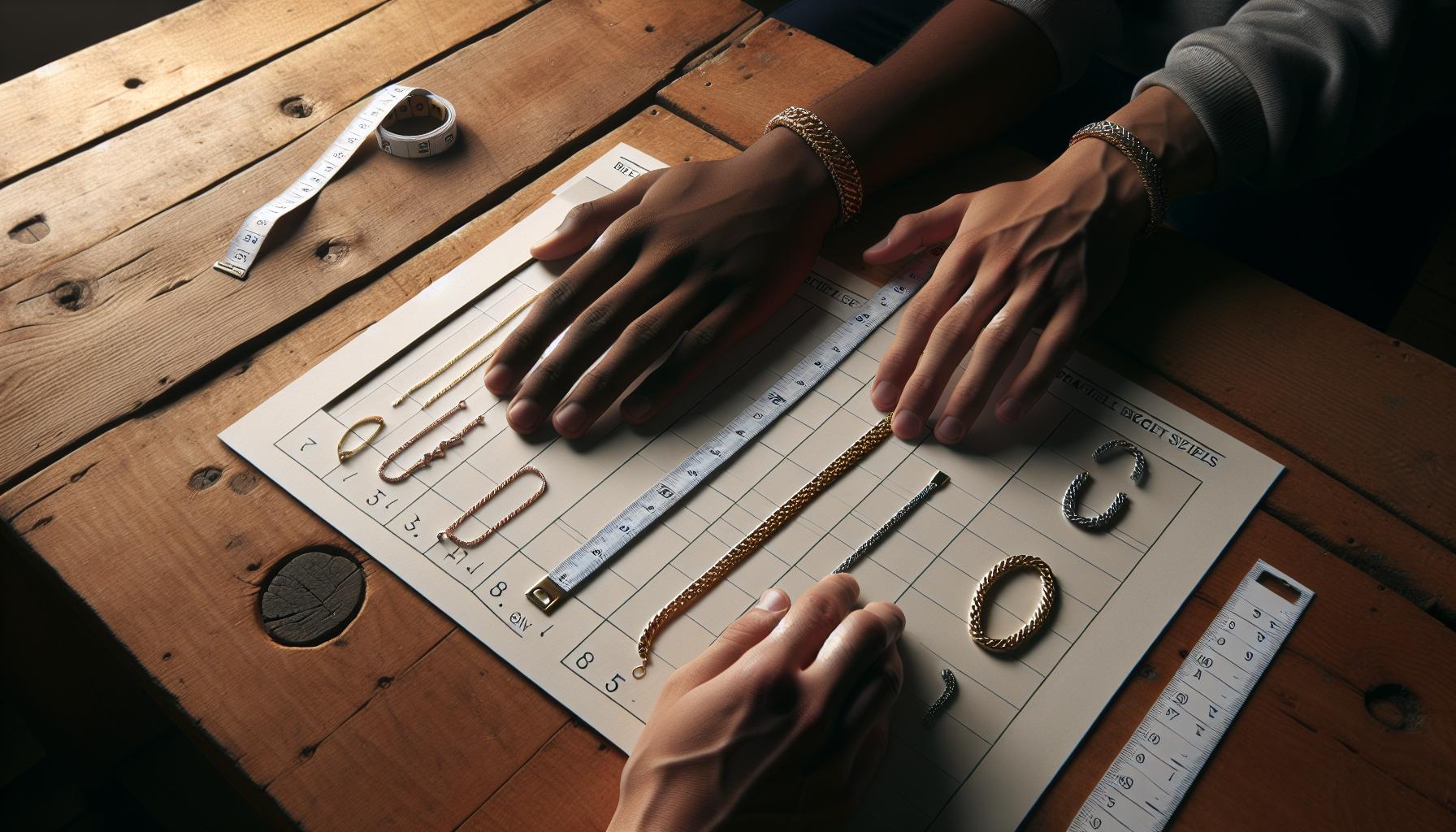
Wrist fit frustrations are more common than you might think-even a meticulously crafted Rolex Datejust bracelet can sometimes refuse to sit just right. Many owners encounter subtle yet persistent sizing challenges: a bracelet that feels too tight after a day of wear, links that are stubborn to remove or add, or the clasp refusing to lock securely. Understanding these hiccups is key to enjoying your Datejust’s legendary comfort and style without compromising on wearability or risking damage through improper adjustments.
One frequent issue lies in misjudging link removal. Rolex bracelets, especially the Oyster and Jubilee styles, use solid pins and screws that require careful handling.Over-removing links for a snug fit can cause the watch to sit unevenly or create pinch points, while leaving too many can make the bracelet loose and prone to sliding around your wrist. In such cases, relying solely on link removal isn‘t always the best solution-this is where Rolex’s micro-adjustment features like the Easylink system shine by providing quick, tool-free length tweaks that accommodate daily wrist swelling or shrinkage.
Another challenge can surface when adjusting the clasp itself. The Datejust clasp is engineered for a secure snap and subtle micro-adjustments via hidden adjustment holes, but these can wear with repeated use, leading to less reliable locking. If your clasp feels loose, rattles, or requires force to close, this can signal worn springs or pins that might necessitate professional attention. Attempting DIY fixes risks damaging the delicate mechanism or misaligning the clasp, which ultimately affects comfort and security.
- Uneven bracelet tension: Sometimes, after reassembling links, tension isn’t evenly distributed, causing pinching or gaps between links. Pay attention to the way pins are reinserted-compressed or misaligned pins create uncomfortable hotspots.
- Difficulty removing screws or pins: Using improper tools or excessive force frequently enough strips screw heads or bends pins, which makes future maintenance harder and may require replacement parts.
- Bracelet creep or sliding: If your bracelet shifts too much on the wrist, check the tightness of the screws connecting the links and the clasp. Slight loosening over time is normal but should be addressed quickly to avoid wear.
- Clasp micro-adjustment limitations: The clasp’s micro-adjust holes provide finite sizing increments; if your ideal fit falls between these, rely on the Easylink mechanism or link addition/removal for fine-tuning.
Practical Tips to Overcome Sizing Snags
- Use correct tools: A dedicated spring bar tool and precision screwdriver set minimize the risk of scratching or damaging screws and pins. Avoid overly large or worn tools that can slip.
- Go slow and steady: Patience during screw removal or pin extraction prevents irreversible damage. Turn screws gently and use consistent pressure.
- Test fit frequently: Instead of removing multiple links at once, adjust incrementally and try the watch on after each step to avoid overshooting the perfect size.
- Keep spare parts handy: Original Rolex screws and pins can be sourced from authorized dealers or reputable watchmakers to ensure authentic replacements.
- Employ the Easylink effectively: mastering the quick-release extension will reduce repetitive link adjustments and provide comfortable variability throughout the day.
Remember, while DIY adjustments empower you to personalize your Datejust, not every problem demands a screwdriver in hand. If persistent issues arise-like clasp misalignment, worn link pins, or unusual bracelet stretching-consulting a Rolex-certified technician safeguards your legendary watch’s condition and value. Even for seasoned collectors, knowing when to pass the baton to a professional preserves the symbiotic relationship between wearer and timepiece that Rolex has engineered so beautifully.
With a blend of patience, good tools, and an understanding of the bracelet’s mechanical nuances, your Datejust will not only fit like it was custom-made but also stand the test of time as an icon of horological excellence.
maintaining Your Rolex Datejust Bracelet for Longevity

A Rolex Datejust bracelet isn’t just metal links – it’s a blend of engineering precision and handcrafted artistry that deserves thoughtful care to keep performing flawlessly for decades. Like any finely tuned piece of machinery, longevity comes from regular attention paired with mindful handling. Neglecting bracelet maintenance can lead to stretched links, clasp wear, or pin damage that undermines both comfort and the watch’s iconic aesthetic.
The first step toward preserving your Datejust bracelet is cultivating a routine cleaning habit. Sweat,oils,dirt,and environmental pollutants accumulate invisibly in the tight spaces between links and around the clasp. A gentle wash with warm soapy water, using a soft brush (like a toothbrush with soft nylon bristles), will loosen grime without risking abrasion. Rinse thoroughly and dry with a microfiber cloth to prevent moisture corrosion. For precious metals, such as Rolesor (Rolex’s stainless steel and gold combo) or full gold models, avoid harsh chemicals or ultrasonic cleaners that could alter surface finishes or loosen glued components.
- Regular inspection: Every few months, glance over the bracelet to check for signs of wear-loose screws, pin movement, or clasp spring tension weakening. Early detection helps avoid sudden failure that might risk dropping the watch.
- Lubrication caution: Unlike automatic watch movements, bracelets do not require oiling but applying a very light, non-greasy lubricant to screw threads during reassembly can safeguard against corrosion and ease future adjustments.
- Keep screws snug: Rolex uses precision screws rather than pins in many Datejust bracelets. These can loosen subtly over time due to wrist movement. Periodically confirm tightness with a dedicated precision screwdriver, taking care not to strip heads.
- Avoid extreme strain: Your bracelet is built to flex with your wrist, but knocking or pulling sharply on links risks bending or breaking connection points. Removing the watch during heavy manual labour or sports reduces stress.
Practical Ideas for Everyday Bracelet Care
Consider rotating your Datejust with other watches to reduce continuous wear on a single bracelet while allowing natural oils to keep metal supple. Storing your rolex inside a watch box or pouch protects it from dust and accidental knocks. When traveling, avoid exposing bracelets to sand or saltwater unless rinsed promptly afterward, as these accelerate microscopic abrasion.
If you’re someone who enjoys DIY sizing, be mindful that repeated link removals and reinsertions increase wear on screw threads and link holes. Keep original screws and pins as spares-replacement parts are authentic but cost extra and require dealer sourcing.
| Maintenance Task | Recommended Frequency | Key Tools/Notes |
|---|---|---|
| Surface cleaning with soapy water and soft brush | monthly or as needed | Soft nylon brush, mild soap, microfiber towel |
| Screw tightness check | Every 3-6 months | Precision screwdriver, gentle torque |
| Professional servicing | Every 5-7 years | Authorized Rolex service center |
Ultimately, the key to preserving your datejust bracelet is balancing the joy of hands-on care with respect for its engineering limits. your bracelet deserves the same thoughtful maintenance as the movement inside-both function together to deliver that legendary Rolex experience.When in doubt,leaning on a certified technician can prevent costly mishaps and extend the life of your treasured timepiece. After all, maintaining a Rolex is a rewarding ritual in itself, connecting you directly with generations of mechanical mastery and aesthetic refinement.
When to Visit a Professional: Risks of DIY Adjustments

Few things are more satisfying than customizing your Rolex Datejust bracelet to fit just right, but it’s important to recognize the limits of do-it-yourself adjustments. Rolex bracelets are engineered with precise tolerances and complex components-tiny screws,spring-loaded clasps,and finely machined link interfaces-that all work together in harmony.While the idea of saving a trip to the jeweler or service center is tempting, mishandling these delicate parts can cause more harm than good.
Attempting bracelet adjustments without the right tools or experience risks stripping screw heads, bending links, or damaging the clasp’s micro-adjustment mechanism. For example, Rolex uses proprietary screws in many Datejust bracelets that look robust but can quickly round if a non-precision screwdriver is used or torque isn’t carefully controlled. A stripped screw can mean a costly replacement that’s not just about parts but also about skilled labor. Similarly, forcing pins or springs during link removal or clasp adjustments can warp metal or break tiny components that don’t have simple off-the-shelf replacements. This is especially true for precious metal and Rolesor models where replacing a link isn’t just functional-it’s about maintaining the watch’s visual integrity.
- Precision matters: Genuine Rolex tools and knowledge of screw torque and link assembly prevent subtle yet permanent damage.
- Hidden mechanisms: Micro-adjustments like the Easylink extension aren’t obvious; mishandling can weaken or disable them.
- Wear and fatigue: Repeated DIY sizing can stress threads and holes,increasing risk of loosening or failure over time.
- Value preservation: professional technicians preserve not only function but the aesthetic and resale value of your watch.
Knowing when to seek professional help is actually part of being a responsible enthusiast. Certified Rolex watchmakers have factory training, specialized tools, and access to original parts that ensure your bracelet is adjusted precisely without shortcuts. They can also spot early signs of wear or damage others might miss-like a clasp spring losing tension or a link pin starting to loosen-which, if left unchecked, could lead to unexpected bracelet failure. Visiting a professional isn’t just about fixing issues; it’s a preventative step that protects your investment.
In short, DIY adjustments are great for routine, minor fit tweaks when done carefully with proper equipment. But when it comes to removing or adding links, meaningful clasp adjustments, or dealing with stiff or worn components, trusting a skilled technician means peace of mind for your Rolex Datejust’s longevity and perfect wearability. Consider the professional servicing expense as insurance-not just for the mechanical masterpiece on your wrist but for the heritage and satisfaction it represents.
| DIY Adjustment risk | Potential Consequences | Why Professional Service is Safer |
|---|---|---|
| Using wrong or generic screwdrivers | Stripped or damaged screw heads | Rolex-specific tools and torque standards |
| Forcing pins and link removal | Bent link plates or broken pins | Proper disassembly technique with specialized presses |
| Over-tightening or under-tightening screws | Loose links or tension loss causing accidental bracelet failure | Calibrated torque and knowledge of wear tolerance |
| Misadjusting clasp micro-elements | Reduced clasp security or loss of Easylink function | Trained handling of intricate mechanisms |
Comparing Different Rolex Datejust Bracelet Materials and Fit Variations

rolex’s choice of materials for Datejust bracelets is a subtle art form where function meets timeless style, and understanding these options can make all the difference in your comfort and the watch’s overall wearability. The Rolex datejust is typically offered with bracelets crafted from Oystersteel stainless steel, Rolesor (a blend of stainless steel and gold), and solid gold variants-which each bring distinct tactile qualities and fit characteristics to the table.
Oystersteel, Rolex’s proprietary 904L stainless steel alloy, is famed for its exceptional corrosion resistance and slightly higher density than typical steel. This means that bracelets made of Oystersteel feel considerable but are also resilient under daily wear. Comfort-wise, the cold touch of steel can feel crisp initially but warms beautifully to the skin’s temperature. When adjusting size, Oystersteel bracelets tend to be less prone to deformation; however, their precise tolerances necessitate correct torque on screws and careful handling to avoid scratching or bending links-a notably important point for newcomers attempting DIY sizing.
Rolesor editions, combining polished gold center links with brushed steel outer links, offer a nuanced aesthetic variation alongside a slightly different feel. As gold is softer than steel, the center links may develop a bit more patina or wear over time, requiring gentle treatment during sizing operations to preserve their finish. If you notice slight differences in fit or flexibility during adjustment, it’s frequently enough due to the gold’s malleability impacting link tension, especially in the clasp assembly. Practically, when resizing Rolesor bracelets, less errant force is advisable on gold components to avoid stressing the softer metal.
Full precious metal bracelets-yellow, white, or Everose gold-exude a luxurious heft distinctive to high-end horology, but they also introduce unique considerations for fit adjustments.Gold’s softness means each link carries a greater risk of scratches,dents,or deformities during sizing. Moreover, these alloys conduct heat differently; they are warmer to the touch and adapt beautifully to wrist temperature but can flex subtly differently under tension. For collectors, the tactile experience of an all-gold Datejust bracelet is often a highlight, making proper sizing crucial to avoid damaging what is often the most visually dominant and valuable watch component.
Fit Variations and Practical Sizing Advice
While Rolex maintains a remarkably consistent link sizing system across Datejust models, fit can still vary based on bracelet style-Jubilee versus Oyster, as an example-and the wearer’s wrist shape. jubilee bracelets, with their five-piece links, often provide a softer curve and more flexibility, which can influence how snug or loose the watch feels even with identical link counts compared to the Oyster’s chunkier three-piece design. Sizing a Jubilee bracelet might therefore require micro-adjustments in the clasp or a slightly different number of links removed for that perfect balance of comfort and security.
- Easylink and Micro-Adjustment: Don’t overlook these subtle sizing tools Rolex designed into many Datejust bracelets. The Easylink extension adds approximately 5mm of quick-adjust length, perfect for accommodating daily wrist swelling, especially in warmer climates.
- Link Manufacturing Tolerances: While Rolex’s standards are notoriously tight, slight variations between production batches or replacement links can introduce minor differences in fit. Always try the watch on after adding or removing links-especially if sourcing parts from different eras-to confirm sizing before final tightening.
Material Impact on Long-Term Wear and Resale
The material choice also plays directly into value retention and maintenance strategy. Oystersteel’s robustness and scratch resistance make it a favourite for daily wearers who want longevity without excessive upkeep. rolesor provides a stylish bridge for those wanting a touch of luxury without fully committing to gold’s softness, balancing wearability and aesthetic appeal. Fully gold bracelets require conscientious care but reward owners with timeless elegance and an elevated collector status, reflected in higher resale value. This interplay of material, fit, and maintenance is critical when considering how best to size your Datejust bracelet for both comfort and preserving the watch’s intrinsic value.
| Bracelet Material | Feel & Fit Characteristics | Adjustment Considerations | Maintenance & Longevity |
|---|---|---|---|
| Oystersteel Stainless Steel | Heavy,cool to touch; solid with minimal flex | Requires precise screw torque; resistant to deformation | Highly durable; resists scratches,ideal for daily wear |
| Rolesor (Steel & Gold) | Combination of cool steel and warm gold; medium flex | Gentle handling on softer gold links; avoid overtightening | Polished surfaces prone to patina; requires polish maintenance |
| Full Gold (Yellow/White/Everose) | Warm,substantial feel; softer metal with subtle flex | Handle with extreme care; scratches and dents common if forced | Needs careful polishing; commands premium on resale |
Understanding these material nuances alongside fit variations equips you to perform size adjustments that respect both comfort and Rolex’s legendary craftsmanship. Whether you favor the rugged reliability of Oystersteel or the refined luxury of gold, each bracelet material calls for a tailored approach when sizing that can significantly enhance your Datejust’s daily enjoyment and lasting value.
FAQ
Q: How can I adjust my Rolex Datejust bracelet for hot weather swelling?
A: To accommodate wrist swelling in hot weather, use the Easylink micro-adjustment feature on your Rolex Datejust clasp for a quick 5mm extension. This allows flexible sizing without removing links. For more on Easylink, see the Sizing Solutions section in our guide for safe, comfortable wear year-round.
Q: What is the best way to tell if my Rolex Datejust bracelet needs professional sizing?
A: If the bracelet feels unusually tight or loose after multiple DIY adjustments,or if links resist removal,it’s best to consult a professional. Avoid forcing components to prevent damage. Refer to When to Visit a professional for precise timing to protect your bracelet’s integrity.
Q: Can I safely clean the Rolex Datejust bracelet during sizing adjustments?
A: Yes, cleaning the bracelet with a soft brush and mild soapy water during sizing helps maintain shine and function.Avoid harsh chemicals and ensure the bracelet is dry before reassembly. see Maintaining your Rolex Datejust Bracelet for detailed care tips that preserve material quality.
Q: How do bracelet material differences affect Rolex Datejust size adjustments?
A: Materials like stainless steel, gold, and Rolesor respond differently to resizing; gold links require more delicate handling to avoid scratches. Our Comparing Different Rolex Datejust bracelet Materials section outlines specific care and sizing advice for each material type.
Q: Why does my Rolex Datejust bracelet feel loose even after adding links?
A: A loose fit after adding links can result from improper clasp adjustment or insufficient micro-adjustment use. Check the clasp’s positioning and utilize the Easylink extension for fine-tuning. For troubleshooting, see Sizing Solutions: Micro-Adjustments Using Easylink Extension for expert tips.
Q: How often should I check and adjust my Rolex Datejust bracelet size?
A: It’s recommended to check sizing quarterly or after season changes to adapt for wrist size fluctuations. Regular adjustments, including clasp micro-adjustments, ensure comfort and prevent unnecessary bracelet wear.Visit Maintaining your Rolex Datejust bracelet for maintenance frequency and advice.
Q: What tools can prevent damage when adjusting a Rolex Datejust bracelet at home?
A: Use precision screwdrivers, spring bar tools, and non-marring tweezers designed for watch adjustments to avoid scratches or stripped screws. Our Essential Tools for Safe and Precise Bracelet Adjustment section details reliable options for a safe DIY process.
Q: How do different Rolex Datejust bracelet clasps impact adjustment options?
A: Clasps vary by model; some include Easylink or glide lock systems allowing micro-adjustments without link removal, enhancing comfort. Understanding your clasp type guides effective sizing, as covered in How to Adjust Rolex Datejust Clasp for Perfect Fit. Explore clasp features to optimize fit effortlessly.
Closing Remarks
Adjusting your Rolex Datejust bracelet precisely ensures not only comfort but also protects the integrity of its in-house automatic movement and enduring value. Whether fine-tuning the clasp or adding links, this sizing solution balances functionality with the iconic design that collectors cherish. For those ready to enhance wearability today, explore our step-by-step guides on Rolex Submariner bracelet adjustments and caring for your mechanical watch to deepen your maintenance expertise.
Still unsure about tools or the best approach? Our curated resources offer trusted options to simplify your next move, from spring bar tools to professional servicing insights. don’t forget to sign up for our newsletter to receive expert tips and reviews on Rolex calibers, complications, and comparison with other classic models like the Omega Seamaster or Tudor Black Bay-perfect for enhancing your horological journey. Share your own sizing experiences or questions below, and keep exploring with us for trusted advice that bridges haute horlogerie and accessible craftsmanship, ensuring every watch enthusiast feels confident and inspired.
Get our latest guides, news, and insights highlighted in your Google Search & AI Overviews.


