Inside Look: Are Omega Watches Mechanical or Quartz?
Omega watches are revered for their precision, craftsmanship, and elegance. However, when it comes to choosing between a mechanical or quartz movement, many watch enthusiasts find themselves stuck in a dilemma. In this article, we take an inside look at the difference between mechanical and quartz movements in Omega watches, helping you make an informed decision on which one suits your style and preferences.
Contents
- Overview of Omega Watches
- Key Differences Between Mechanical and Quartz Watches
- Pros and Cons of Mechanical Omega Watches
- Pros and Cons of Quartz Omega Watches
- Understanding the Technology Behind Omega Watches
- Recommendations for Choosing Between Mechanical and Quartz Omega Watches
- Key Factors to Consider When Buying an Omega Watch
- Comparing Durability and Accuracy of Mechanical vs Quartz Omega Watches
- Exploring the Legacy of Omega Mechanical Watches
- Wrapping Up
Overview of Omega Watches
When it comes to Omega watches, one of the first things that people wonder about is whether they are mechanical or quartz timepieces. The answer is that Omega offers both mechanical and quartz watches, catering to different preferences and needs of watch enthusiasts.
Related: Inside Look: Is Seiko Spring Drive a Mechanical Watch?
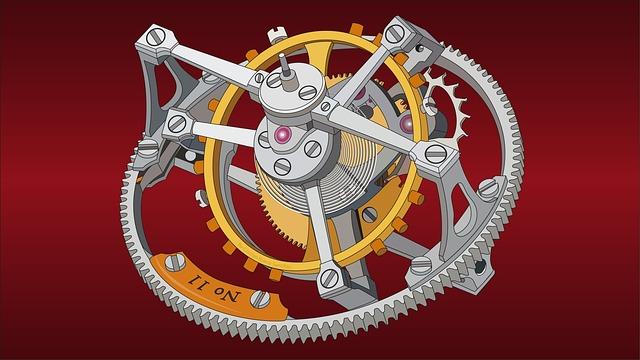
**Mechanical Watches**: Omega is famous for its mechanical watches, which are powered by intricate movements that rely on a series of gears and springs to keep time. These movements are often handmade and are a masterpiece of craftsmanship, requiring regular maintenance to keep them running smoothly.
**Quartz Watches**: On the other hand, Omega also offers quartz watches, which are powered by a battery and a quartz crystal that vibrates at a specific frequency to keep time accurately. Quartz watches are known for their precision and low maintenance, making them a popular choice for everyday wear.
Whether you prefer the traditional charm of a mechanical watch or the convenience of a quartz timepiece, Omega has a wide range of options to choose from, ensuring that there is something for everyone in their collection.

Key Differences Between Mechanical and Quartz Watches
Mechanical watches are powered by a complex system of gears and springs, while quartz watches are driven by a battery-powered electronic movement. One key difference between the two types of watches is their accuracy. Quartz watches are known for their exceptional accuracy, as they rely on quartz crystal oscillators to keep time, which are much more precise than the mechanical components in mechanical watches.
Another notable difference is the way in which these watches are powered. Mechanical watches require regular winding either manually or through the movement of the wearer’s wrist, while quartz watches operate on battery power, which eliminates the need for winding.
In terms of maintenance, mechanical watches are typically more delicate and require regular servicing to ensure proper functioning. On the other hand, quartz watches are generally more robust and require less maintenance due to their electronic components.
Ultimately, the choice between a mechanical and quartz watch comes down to personal preference. While mechanical watches are revered for their craftsmanship and history, quartz watches offer unmatched accuracy and convenience. Whichever type you choose, both Omega mechanical and quartz watches are sure to make a stylish statement on your wrist.
| Mechanical Watches | Quartz Watches |
|---|---|
| Powered by gears and springs | Powered by battery-powered electronic movement |
| Less accurate | Exceptional accuracy |
| Require regular winding | Operate on battery power |
| More delicate and require regular servicing | More robust and require less maintenance |

Pros and Cons of Mechanical Omega Watches
When it comes to Omega watches, one of the key decisions to make is whether to go for a mechanical or quartz movement. Mechanical Omega watches, powered by intricate gears and springs, offer a touch of traditional craftsmanship and are often cherished by watch enthusiasts for their precision and artistry.
- Pros of Mechanical Omega Watches:
- They have a longer lifespan compared to quartz watches.
- They offer a unique charm and character due to their intricate inner workings.
- They do not require a battery, making them more environmentally friendly.
- They hold their value well over time, often becoming collectible pieces.
- Cons of Mechanical Omega Watches:
- They require regular maintenance to ensure optimal performance.
- They are typically more expensive upfront compared to quartz watches.
- They may not be as accurate as quartz watches in terms of timekeeping.
- They are more susceptible to damage from shocks and magnetic fields.

Pros and Cons of Quartz Omega Watches
Quartz Omega watches offer a number of advantages over their mechanical counterparts. One of the main benefits is their superior accuracy. Quartz movements are powered by a battery, which sends electrical pulses through a quartz crystal to regulate the timekeeping. This results in a watch that is incredibly precise, losing only a few seconds per month. In comparison, mechanical watches can lose or gain several seconds per day. With a quartz Omega watch, you can trust that you’ll always have the correct time.
Another advantage of quartz Omega watches is their low maintenance requirements. Unlike mechanical watches, which need to be regularly serviced and adjusted, quartz watches are more hassle-free. The battery in a quartz watch can last several years before needing to be replaced, making it a convenient option for those who don’t want to worry about winding their watch or setting it every few days.
| Pros | Cons |
| Superior accuracy | Quartz movements do not have the same horological significance as mechanical movements |
| Low maintenance requirements | Some watch enthusiasts prefer the craftsmanship of mechanical watches |

Understanding the Technology Behind Omega Watches
Omega watches are known for their precision and craftsmanship, but have you ever wondered about the technology that powers these iconic timepieces? One of the key questions that often arises is whether Omega watches are mechanical or quartz. Let’s take an inside look at the technology behind Omega watches to understand this better.
**Mechanical Watches:**
– **Mechanical Movement:** Omega’s mechanical watches operate using intricate movements powered by a mainspring. These timepieces are known for their complexity and traditional watchmaking techniques.
– **Accuracy:** Mechanical watches are renowned for their precision, with some models boasting impressive accuracy ratings.
**Quartz Watches:**
– **Quartz Movement:** Omega also produces quartz watches, which operate using a battery-powered quartz crystal that vibrates to regulate timekeeping. These watches are known for their reliability and low maintenance.
– **Accuracy:** Quartz watches are prized for their high accuracy, often outperforming mechanical watches in terms of precision.
**Which One is Right for You?**
When choosing between a mechanical or quartz Omega watch, consider factors such as personal preference, maintenance needs, and desired features. Mechanical watches offer a traditional appeal and intricate craftsmanship, while quartz watches provide reliable timekeeping with minimal upkeep. Ultimately, the choice between mechanical and quartz Omega watches comes down to individual preferences and priorities.
Recommendations for Choosing Between Mechanical and Quartz Omega Watches
When deciding between mechanical and quartz Omega watches, it’s essential to consider your preferences and lifestyle. Here are some recommendations to help you make the right choice:
– **Movement:** Mechanical watches are powered by a mainspring and require regular winding, while quartz watches are powered by a battery and have a more accurate timekeeping mechanism.
– **Maintenance:** Mechanical watches require more maintenance, including regular servicing and winding, while quartz watches are low-maintenance and only require battery replacement every few years.
– **Style:** Mechanical watches have a traditional, classic look with visible gears, while quartz watches have a sleek, modern design with a smooth second hand movement.
– **Price:** Mechanical watches tend to be more expensive due to their intricate craftsmanship, while quartz watches are more affordable and accessible.
In conclusion, choosing between a mechanical and quartz Omega watch ultimately comes down to personal preference. Whether you appreciate the craftsmanship of a mechanical watch or the convenience of a quartz watch, Omega offers high-quality options in both categories to suit your style and needs.
Key Factors to Consider When Buying an Omega Watch
Omega watches are known for their exceptional quality and craftsmanship, making them a popular choice among watch enthusiasts. When considering purchasing an Omega watch, one of the key factors to take into account is whether the watch is mechanical or quartz.
**Mechanical Watches:**
– **Artistry:** Mechanical watches are often seen as more traditional and luxurious due to their intricate craftsmanship and the skill required to assemble them.
– **Movement:** These watches operate through a series of gears and springs, without the need for a battery. This can be appealing to those who appreciate the complexity and history of mechanical movements.
– **Maintenance:** Mechanical watches may require regular servicing to maintain their accuracy and functionality, which should be factored into the long-term cost of ownership.
**Quartz Watches:**
– **Accuracy:** Quartz watches are known for their precision timekeeping, as they rely on a battery-powered quartz crystal to regulate the movement.
– **Maintenance:** Generally, quartz watches require less maintenance compared to mechanical watches, making them a convenient option for those looking for a hassle-free timepiece.
– **Affordability:** Quartz watches are often more affordable than their mechanical counterparts, making them an accessible choice for those on a budget.
In conclusion, whether you choose a mechanical or quartz Omega watch will depend on your personal preferences and priorities. Both types of watches offer their own unique advantages, so it’s important to consider what factors are most important to you when making your decision.
Comparing Durability and Accuracy of Mechanical vs Quartz Omega Watches
When it comes to Omega watches, one of the key decisions watch enthusiasts have to make is whether to go for a mechanical or quartz timepiece. Both options have their own unique advantages and drawbacks, so it’s important to understand the differences before making a choice.
Durability:
- Mechanical watches are known for their durability, as they are typically made with high-quality materials and craftsmanship.
- Quartz watches, on the other hand, are often more resistant to shock and impact due to their electronic components.
Accuracy:
- Mechanical watches are prized for their precision and craftsmanship, often requiring regular maintenance to ensure accurate timekeeping.
- Quartz watches are known for their superior accuracy, with some models only losing a few seconds per month.
| Feature | Mechanical | Quartz |
|---|---|---|
| Durability | High-quality materials | Electronic components |
| Accuracy | Precision and craftsmanship | Superior accuracy |

Exploring the Legacy of Omega Mechanical Watches
Omega watches have a rich history of craftsmanship and innovation, especially in the realm of mechanical timepieces. These mechanical watches are powered by intricate mechanisms that rely on springs, gears, and other mechanical parts to keep time accurately. Unlike quartz watches, which use batteries to power a quartz crystal for timekeeping, mechanical watches require manual winding or automatic movement to keep them ticking.
When it comes to Omega mechanical watches, there is a sense of tradition and precision that sets them apart from other timepieces. The intricate inner workings of these watches are a testament to the skill and expertise of Omega’s watchmakers, who have been mastering the art of mechanical watchmaking for over a century. From the iconic Speedmaster to the elegant Constellation, Omega’s mechanical watches have become a symbol of luxury and sophistication.
Whether you’re a collector or simply a lover of fine timepieces, is a journey into the world of precision engineering and timeless design. With a commitment to quality and innovation, Omega continues to push the boundaries of what is possible in mechanical watchmaking, ensuring that their legacy will endure for generations to come.
Wrapping Up
In conclusion, Omega watches can be either mechanical or quartz, with each type offering its own unique advantages. Mechanical watches are revered for their craftsmanship and history, while quartz watches are known for their accuracy and affordability. Whether you prefer the traditional appeal of a mechanical timepiece or the modern convenience of a quartz model, Omega has something to offer every watch enthusiast. The key takeaway is that the choice between mechanical and quartz ultimately comes down to personal preference and individual needs. Whichever you choose, rest assured that you’ll be getting a quality timepiece from one of the most respected watch brands in the world. So, go ahead and make your selection with confidence knowing that you’re making a smart and informed decision about your Omega watch.
Get our latest guides, news, and insights highlighted in your Google Search & AI Overviews.