Inside Look: Why Are There Jewels in Mechanical Watches?
Have you ever wondered why high-end mechanical watches often feature dazzling jewels in their intricate designs? In this article, we take an in-depth look at the fascinating world of jewel-studded timepieces and uncover the reasons behind their shimmering allure. Join us as we explore the artistry, precision, and history that make jeweled watches such coveted and timeless accessories.
Contents
- The Fascinating History of Jewels in Mechanical Watches
- How Jewels Impact the Functionality and Durability of Mechanical Watches
- Exploring the Role of Jewels in Reducing Friction and Wear in Watch Movements
- The Importance of Quality and Quantity of Jewels in Mechanical Watches
- Comparing Different Types of Jewels Used in Watchmaking
- Factors to Consider When Choosing a Mechanical Watch with Jewels
- Dispelling Common Myths and Misconceptions About Jewels in Mechanical Watches
- To Conclude
The Fascinating History of Jewels in Mechanical Watches
In the world of mechanical watches, the presence of jewels may seem peculiar at first glance. However, these tiny gemstones actually play a crucial role in ensuring the smooth and precise operation of the watch movement. Here’s a closer look at the fascinating history behind why jewels are used in mechanical watches.
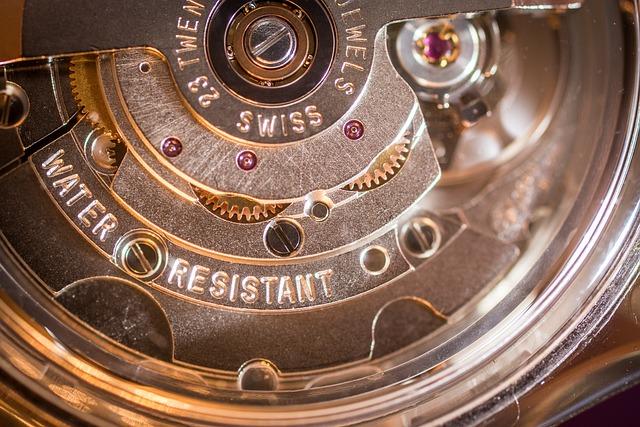
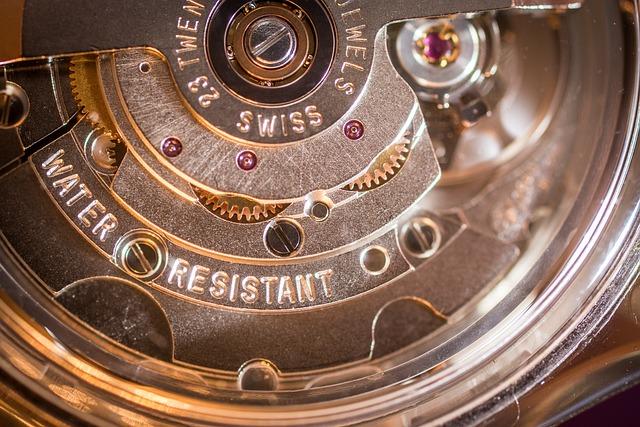
1. **Reducing Friction**: The primary function of jewels in a mechanical watch is to reduce friction between moving parts. By placing synthetic rubies or sapphires at key points within the movement, such as the pallet fork and escape wheel, the jewels act as bearings that allow the components to move freely and smoothly.
2. **Increasing Durability**: In addition to reducing friction, jewels also help increase the durability and longevity of the watch movement. The hardness of synthetic gemstones like rubies and sapphires ensures that they wear down at a much slower rate compared to metal components, thereby preserving the integrity of the movement over time.
| Jewel Type | Function |
|---|---|
| Rubies | Reduce friction |
| Sapphires | Increase durability |
3. **Tradition and Craftsmanship**: The use of jewels in mechanical watches is also rooted in tradition and craftsmanship. Watchmakers have been incorporating gemstones into their timepieces for centuries, a practice that continues to this day as a testament to the meticulous artistry and precision that goes into creating a mechanical watch.

How Jewels Impact the Functionality and Durability of Mechanical Watches
Jewels play a crucial role in the functionality and durability of mechanical watches. These tiny synthetic rubies or sapphires are strategically placed within the movement of the watch to reduce friction and wear on critical components. This helps to ensure the watch runs smoothly and accurately over time.
One of the key reasons why jewels are incorporated into mechanical watches is their hardness and low coefficient of friction. They are able to withstand the constant movement and pressure within the watch, providing a stable surface for the gears to rotate on. This ultimately prolongs the lifespan of the watch and reduces the need for frequent maintenance.
Additionally, jewels help to enhance the accuracy of the watch by minimizing the effects of wear and tear on the movement. The smoother surface of the jewels allows for more precise timekeeping, making mechanical watches a reliable and trustworthy timepiece for the long run. The number of jewels in a watch can vary depending on its complexity, with higher-end watches typically featuring more jewels for improved performance.
Exploring the Role of Jewels in Reducing Friction and Wear in Watch Movements
One of the most intriguing aspects of mechanical watches is the use of jewels within their movements. These tiny, precious stones play a crucial role in reducing friction and wear, ultimately ensuring the longevity and accuracy of the timepiece. But why exactly are jewels used in this way?
Jewels, typically made of synthetic ruby or sapphire, are strategically placed at key points within the watch movement where metal components come into contact with each other. These friction points, such as the pallet fork and escape wheel, can experience a high degree of wear over time. By using jewels at these critical locations, watchmakers can significantly reduce friction, resulting in smoother operation and less wear on the moving parts.
In addition to reducing friction, jewels also help to improve the overall performance of the watch movement. Their hardness and smooth surface provide an ideal surface for the metal components to glide across, resulting in more accurate timekeeping. Furthermore, the use of jewels can help to minimize the need for lubrication, as their natural properties allow for minimal friction even without added oils or greases.
The Importance of Quality and Quantity of Jewels in Mechanical Watches
When it comes to mechanical watches, the quality and quantity of jewels used in the movement play a crucial role in ensuring its performance and longevity. Jewels are synthetic sapphires or rubies that are strategically placed within the movement to reduce friction and wear on the moving parts. While the term “jewels” might evoke images of sparkling gemstones, in the context of watches, they serve a purely functional purpose.
Having the right number of jewels in a watch movement is essential for maintaining its accuracy and durability. The jewels act as bearings for the gears and other components, allowing them to move smoothly and reducing the risk of wear and tear over time. A higher quantity of jewels generally indicates a higher-quality movement, as it means that more attention has been paid to reducing friction and improving overall performance.
Quality is just as important as quantity when it comes to jewels in a mechanical watch. The jewels must be precisely cut and polished to ensure that they provide the necessary lubrication and support for the moving parts. Inferior quality jewels can actually do more harm than good, as they may wear down quickly or create additional friction within the movement.

Comparing Different Types of Jewels Used in Watchmaking
When it comes to mechanical watches, jewels play a crucial role in ensuring smooth movement and reducing friction. These tiny precious stones are used as bearings in the watch movement to minimize wear and tear, prolonging the watch’s lifespan. While the most common jewels used in watchmaking are synthetic rubies, other materials such as sapphires and diamonds can also be used.
Each type of jewel used in watchmaking has its own unique properties and qualities. Here is a comparison of different types of jewels commonly found in mechanical watches:
- Synthetic Rubies: These are the most commonly used jewels in watchmaking due to their durability and low cost. They are synthetic, meaning they are created in a lab to mimic the qualities of natural rubies.
- Sapphires: Sapphires are known for their hardness and scratch resistance, making them an excellent choice for high-end watches. They are typically used in high-quality timepieces for their durability.
- Diamonds: While less common, diamonds can also be used as jewels in watch movements. Diamonds are extremely hard and resistant to wear, making them a luxurious choice for high-end watches.
| Jewel Type | Properties |
|---|---|
| Synthetic Rubies | Durable and cost-effective |
| Sapphires | Hard and scratch-resistant |
| Diamonds | Extremely hard and luxurious |

Factors to Consider When Choosing a Mechanical Watch with Jewels
When selecting a mechanical watch with jewels, there are several key factors to consider to ensure you are making a well-informed decision.
One essential factor to keep in mind is the number of jewels present in the watch movement. **More jewels typically indicate higher quality and better durability**, as they help reduce friction between moving parts. A watch with a higher jewel count is often more precise, reliable, and long-lasting.
Another important consideration is the placement of the jewels within the watch mechanism. **Ideally, the jewels should be strategically positioned at key points where friction is most likely to occur**, such as the escapement and balance wheel. This helps ensure smooth movement and optimal performance.
It is also crucial to consider the material of the jewels used in the watch. **Synthetic ruby is the most common material**, known for its hardness and low coefficient of friction. **Natural rubies** are also used but are typically reserved for higher-end luxury watches.
Lastly, the craftsmanship and brand reputation should not be overlooked when choosing a mechanical watch with jewels. **Look for reputable watchmakers known for their attention to detail and quality craftsmanship**, as this will ensure you are investing in a timepiece that will stand the test of time.
Dispelling Common Myths and Misconceptions About Jewels in Mechanical Watches
Contrary to popular belief, the jewels in mechanical watches are not actually precious stones like diamonds, rubies, or sapphires. Instead, these “jewels” are tiny synthetic rubies or sapphires that are used as bearings in the movement of the watch. They are strategically placed in areas of high friction to reduce wear and tear on the delicate moving parts, ultimately prolonging the lifespan and accuracy of the timepiece.
**Here are some common myths and misconceptions about jewels in mechanical watches that we will debunk:
**
- Jewels in watches are purely decorative: In reality, jewels serve a crucial functional purpose in ensuring the smooth operation and longevity of mechanical watches.
- More jewels mean better quality: While a higher jewel count can indicate a more complex and potentially higher quality movement, the number of jewels alone does not determine the overall quality of a watch.
- Jewels need to be replaced periodically: Due to their durability and role as bearings, synthetic jewels in mechanical watches rarely need to be replaced unless a major servicing is required.
**To better understand the significance of jewels in mechanical watches, here is a breakdown of the most common jewel placements and their functions:
**
| Jewel Placement | Function |
|---|---|
| Balance Staff | Reduces friction and wear on the balance wheel, ensuring accurate timekeeping. |
| Escape Wheel | Minimizes friction between the escape wheel and pallet fork, allowing for smooth movement. |
| Train Wheels | Supports the gears and reduces friction in the gear train for efficient power transfer. |
To Conclude
In conclusion, the presence of jewels in mechanical watches serves a vital purpose in reducing friction and improving the overall performance and longevity of the timepiece. These jewels are carefully placed at key points in the movement to ensure smooth and accurate timekeeping. By understanding the reasons behind the use of jewels in watches, we gain a deeper appreciation for the intricate craftsmanship and engineering that goes into creating these exquisite timepieces. Next time you admire a mechanical watch, take a moment to appreciate the tiny jewels that play a big role in its functionality. Thank you for joining us on this inside look at the fascinating world of watchmaking.
Get our latest guides, news, and insights highlighted in your Google Search & AI Overviews.