Gold Watch Collection: Investment-Grade Precious Metal Pieces
Gold watches have long stood as timeless symbols of craftsmanship and luxury, but beyond their aesthetic appeal, certain pieces represent savvy investments in precious metals like 18K gold or platinum. This collection explores investment-grade gold watches, focusing on models where in-house automatic movements, classic complications, and durable design converge with strong value retention. Whether you’re drawn to the iconic Rolex Day-Date’s renowned caliber or the refined elegance of a Patek Philippe Calatrava, these watches blend horological artistry with tangible asset potential. Understanding how factors like metal purity, brand reputation, and limited production runs influence both wearability and resale can help collectors-from newcomers to seasoned enthusiasts-make informed decisions. In this guide, we’ll break down essential specs, pricing trends, and the subtle balance between market hype and intrinsic value, so you can appreciate these pieces not just as mechanical marvels but also as lasting investments worth wearing every day.
Contents
- Understanding Investment-Grade Gold Watches: Key Features and Value
- Top Gold Watch Materials and Their Impact on Investment Potential
- Iconic Gold Watch Models That Hold Long-Term Value
- Automatic vs. Quartz Movements in Gold Investment Watches
- How to Evaluate Craftsmanship and Complications in Gold Timepieces
- Pricing Trends and Resale Value of Gold Watches
- Trusted Brands Leading the Gold Watch Investment Market
- Protecting and Maintaining Your Gold Watch Collection
- Spotting Authenticity and Avoiding Gold Watch Investment Scams
- Comparing Vintage and Modern Gold Watches for Collectors
- Where to Buy and Sell Investment-Grade Gold Watches
- Styling and Wearing Your Gold watch: Balancing Elegance and Everyday use
- Frequently Asked Questions
- Q: How does the purity of gold affect the investment value of a gold watch?
- Q: What role do limited editions play in the value of investment-grade gold watches?
- Q: How can gold watch collectors protect their investment from market volatility?
- Q: Why is provenance important when investing in gold watches?
- Q: What are common signs that an investment-grade gold watch needs servicing?
- Q: How do gold watches compare with other precious metal watches in terms of investment potential?
- Q: Where can collectors find authenticated investment-grade gold watches with guaranteed provenance?
- Q: How do in-house movements affect the desirability and value of investment-grade gold watches?
- Key Takeaways
Understanding Investment-Grade Gold Watches: Key Features and Value
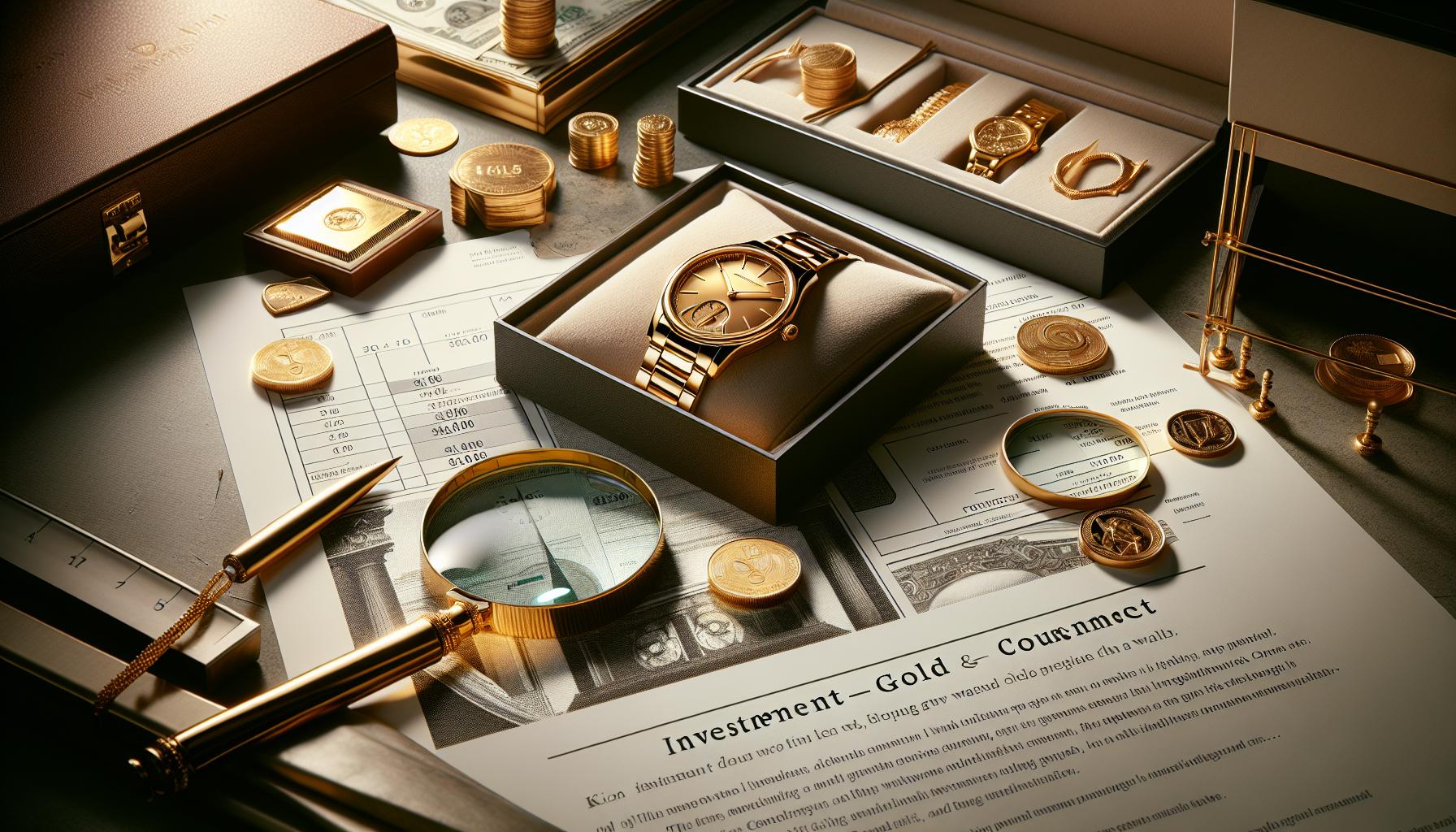
Gold watches have long captured the imagination of collectors and investors alike, not simply for their material value but for the intricate blend of art, engineering, and heritage they embody.When considering a gold watch as an investment, it’s essential to look beyond the precious metal itself and understand the key attributes that elevate a timepiece to “investment-grade” status. These watches offer a compelling combination of craftsmanship, brand pedigree, rarity, and mechanical excellence-qualities that help preserve or even grow their value over time.
At the heart of any investment-grade gold watch is it’s movement-typically a meticulously crafted automatic caliber. Unlike quartz movements, which rely on batteries, automatic movements harness the wearer’s motion to power the watch. This not only appeals to purists and collectors who appreciate conventional watchmaking but also affects longevity and value retention. Watches featuring in-house calibers or highly complicated mechanisms (such as chronographs, moon phases, or perpetual calendars) often command higher prices due to the technical mastery required to design and assemble them.Material authenticity and purity are non-negotiable. Gold watches usually come in 14K, 18K, or sometimes 24K gold cases, with 18K being the gold standard for a balance of durability and precious metal content. For example, a Junghans Meister Fein Automatic 18K Gold is a limited-edition piece that exemplifies the impact of noble materials combined with mechanical finesse[1]. The metal weight offers intrinsic value, but investment-grade status demands more: the brand’s history, design appeal, and scarcity substantially influence desirability and price stability.Value considerations extend to production numbers and provenance. Limited editions or watches with historical importance tend to appreciate better.brands like Patek Philippe, Audemars Piguet, and Rolex have cultivated reputations for creations that hold long-term value by offering iconic gold watches that combine investment-worthy craftsmanship with enduring style[3]. Even within these brands, certain models stand out as smarter investments due to their rarity or special features.
Practical Advice for Evaluating Investment-Grade gold Watches
- Inspect the movement: Choose automatics or mechanical calibers over quartz-look for in-house movements or collaborations with renowned manufacturers.
- Assess the gold quality: Confirm karat and weight; 18K gold cases are preferred for their mix of luxury and durability.
- Consider limited editions or rare models: Scarcity plays a major role in resale and gratitude.
- Research brand heritage: Invest in brands with a strong history of craftsmanship and consistent resale value.
- Look beyond hype: Stay clear-eyed about market trends; a watch’s appeal today might not translate into value tomorrow.
By blending a respect for mechanical artistry with a keen eye on materials and market relevance, collectors can identify gold watches that offer more than just glossy allure. They become heirlooms and potential investment vehicles-marrying elegance with enduring value.
Top Gold Watch Materials and Their Impact on Investment Potential
Gold isn’t just a precious metal-it’s a language of luxury, craftsmanship, and timeless appeal that speaks volumes in the watch world. The type and purity of gold used in a watch case profoundly influence both its aesthetic allure and its performance as an investment asset. Understanding the nuances between different gold materials is crucial for collectors aiming to balance durability,beauty,and long-term value.
Common Gold Alloys in watches and Their Characteristics
Typically, investment-grade gold watches are crafted from 14K, 18K, or, less commonly, 24K gold. Each has distinct properties:
- 14K Gold: Composed of about 58.5% pure gold mixed with stronger metals like copper and silver, 14K offers increased hardness and scratch resistance. It tends to be more affordable but carries a slightly lower gold content, which can affect intrinsic metal value.for everyday wear, it’s a practical balance of durability and preciousness, favored in some vintage collections.
- 18K Gold: The sweet spot for luxury watches, 18K gold contains 75% pure gold, providing a richer tone and superior prestige while maintaining enough alloy metals for resilience. Its deep luster and warmth elevate designs by brands such as Patek Philippe or Audemars Piguet. This purity level is often seen as the benchmark for investment-grade timepieces, marrying luxury with lasting value.
- 24K gold: Pure gold-nearly 100%-is remarkably soft and vulnerable to daily wear. While some limited editions or ultra-luxury pieces use 24K for exclusivity, it’s rare in wristwatches due to practical concerns. Its value lies more in rarity and novelty than in durability.
Why Gold Type Matters for investment Potential
Gold’s purity directly impacts the watch’s metal value, which forms the baseline for its investment worth. However, the picture is richer than simply weighing gold ounces. Watches with 18K gold cases often strike the best balance; they hold more intrinsic metal value than 14K pieces while offering longevity that prevents premature wear.This durability supports better condition retention, a vital factor when resale or auction time comes.
Conversely,watches made from lower karat gold require careful scrutiny. Although they may cost less upfront, their metal value and perceived exclusivity are diminished – which can cap their appreciation potential. Collectors often prize the refined hue of rose gold (typically an 18K alloy with copper) or the cool elegance of white gold (18K mixed with palladium or nickel), each adding stylistic and market appeal beyond basic metal value.
Examples of Material Impact in Iconic Watches
Rolex Daytona models in 18K Everose gold-Rolex’s proprietary rose gold alloy-highlight how innovative alloys can enhance desirability. Everose’s unique formula guards against fading, preserving the watch’s brilliance decades on. similarly,the classic Patek Philippe Calatrava models in 18K yellow gold combine artisanal case finishing with time-honored gold purity,providing strong investment appeal due to the brand’s prestige and the timeless metal quality.
| Gold type | Gold Purity (%) | Durability | Investment Appeal | Common Use |
|---|---|---|---|---|
| 14K Gold | 58.5 | High (harder alloy) | Moderate | Casual & vintage pieces |
| 18K Gold | 75 | Balanced | High (preferred for prestige) | Luxury watches, limited editions |
| 24K Gold | ~99.9 | Low (soft, prone to scratches) | low to moderate (rarity value) | Ultra-luxury, limited releases |
Tips for Investors and Collectors
- Verify metal purity markings: look for hallmarks inside the case back or on the lugs to confirm karat weight.
- Consider alloy type and finishing: Some brands develop proprietary alloys that resist tarnishing and sustain color better over time.
- Balance wearability with investment: An 18K watch that’s worn daily but carefully maintained may hold more appreciation potential than a fragile 24K gold piece seldom worn.
- Beware of plating: Gold-plated watches have minimal precious metal content and rarely appreciate, so focus on solid gold or ”gold-filled” timepieces when investing.
In sum, the gold material chosen defines not just the watch’s look but its very identity as an investment. Knowing the characteristics and implications of each type offers collectors a sharper edge when selecting watches that promise enduring beauty and value. Whether it’s the rugged robustness of 14K or the exquisite sheen of 18K gold, these materials remain central to the story of investment-grade gold watches.
Iconic Gold Watch Models That Hold Long-Term Value
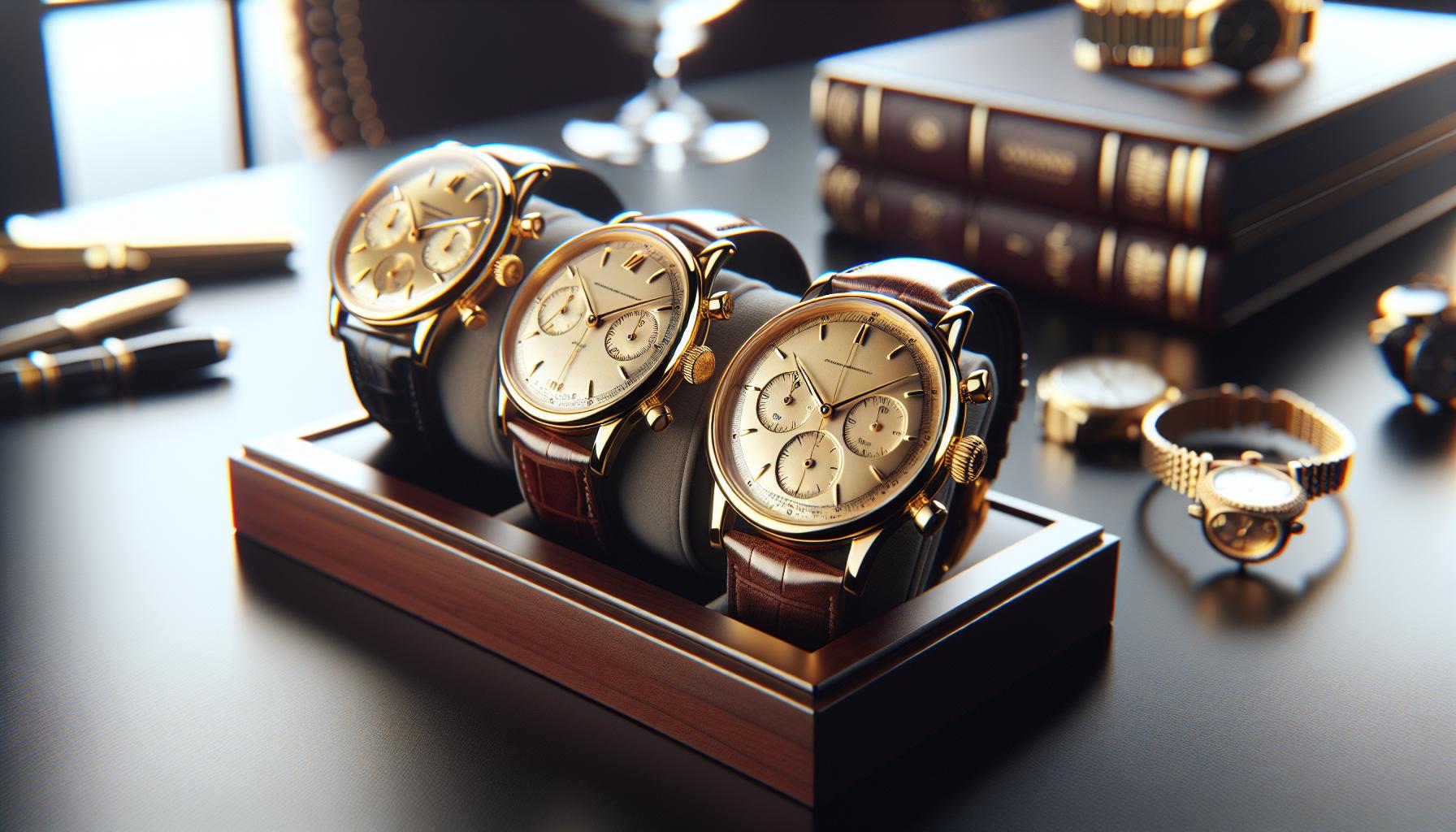
Few watches embody the enduring allure of gold while simultaneously offering solid investment potential like certain iconic models that collectors continually seek. These timepieces pair prestigious craftsmanship with proven market demand-two key ingredients for long-term value retention. Understanding why specific gold watches remain coveted helps investors and enthusiasts alike navigate beyond fleeting hype and spot true treasure.Rolex’s classic Daytona in 18K Everose gold is a perfect example. Everose is Rolex’s proprietary rose gold alloy, designed not just for warm tone but also for resistance to fading-ensuring your watch ages gracefully over decades. The Daytona’s renowned chronograph complication, paired with Rolex’s in-house caliber 4130 automatic movement, means it not only shines aesthetically but delivers robust performance. Prices for Everose Daytona have consistently appreciated, fueled by scarcity and Rolex’s unmatched brand strength. similarly, the yellow gold Patek Philippe Calatrava remains a cornerstone of elegance and investment-grade appeal. Combining artisanal case finishing with one of the industry’s most respected automatic calibers (often in-house 215 or 324), the Calatrava’s understated design and impeccable craftsmanship make it a stable asset for collectors who value subtlety over flash.
Other Noteworthy Reference Points
- Audemars Piguet Royal Oak in 18K Yellow or Rose Gold-This lineage, dating back to the groundbreaking 1972 design by Gerald Genta, balances sportiness with luxury. The Royal Oak’s iconic “tapisserie” dial pattern and bold bracelet craftsmanship,combined with solid gold cases,set it apart. Its automatic movements are highly regarded, and limited editions regularly command premiums at resale.
- Omega Seamaster and Constellation in Gold-While often more accessible in price, these models feature reputable in-house movements and classic designs with gold accents or full gold cases. They appeal to both beginner collectors and those who appreciate Swiss craftsmanship without premium Rolex or Patek price tags. Their steady market presence and brand history provide respectable value retention.
- Vintage Heuer Autavia or Carrera Gold Editions-For vintage enthusiasts, certain gold Heuer chronographs pair timeless motorsport appeal with genuine precious metal cases.As retro styles surge in popularity, these models attract both nostalgic and investment interest.
Key investment Considerations
When eyeing iconic gold watches,remember:
- Movement matters: In-house automatic calibers typically add value and longevity over quartz or outsourced movements.
- proven scarcity: Limited editions or discontinued models in gold frequently enough see stronger appreciation than standard production variants.
- Condition and provenance: Well-maintained watches with original boxes, papers, and clear service history command higher resale prices.
- Brand heritage: Watches from top-tier houses with strong collector followings tend to better withstand market fluctuations.
| Model | Gold Type | Movement | Approximate Retail Price (USD) | Resale Value trend |
|---|---|---|---|---|
| Rolex Daytona Everose | 18K Rose Gold (Everose) | Automatic Caliber 4130 | $42,000+ | Strong appreciation over time |
| Patek Philippe Calatrava | 18K Yellow Gold | Automatic Caliber 324 S C | $30,000+ | Stable, steady value retention |
| Audemars Piguet Royal Oak | 18K Yellow/Rose Gold | Automatic In-House | $50,000+ | High long-term demand |
| Omega Seamaster Gold Editions | 14K-18K gold Options | Automatic Caliber | $8,000 – $20,000 | Moderate, consistent |
Ultimately, the best gold watch investments blend reputable brand pedigree, horological substance, and timeless aesthetics. Whether it’s a robust Rolex chronograph or a refined Patek dress watch, these pieces reward owners who appreciate both mechanical excellence and the enduring allure of gold.Approaching your collection with knowledge and passion ensures your watches remain not just objects of beauty but assets that can shine through time.
Automatic vs. Quartz Movements in Gold Investment Watches
Choosing between automatic and quartz movements in gold watches is a defining moment for collectors focused on investment-grade timepieces. While both types can be found in precious metal cases, automatic watches generally hold stronger appeal-and value-in the investment market due to their mechanical complexity, heritage, and emotional resonance. Quartz watches,powered by battery-driven electronic oscillators,offer accuracy and affordability but rarely command the same collector enthusiasm or long-term appreciation as their automatic counterparts.
Automatic watches feature movements propelled by the wearer’s natural wrist motion, winding a mainspring to store energy. This mechanical art, often executed by renowned brands in-house, exemplifies craftsmanship and engineering mastery. Brands such as Rolex, Patek Philippe, and Audemars Piguet invest heavily in developing their own calibers, transforming movements into collectible marvels. Take Rolex’s Caliber 4130 inside the Daytona Everose gold model-a robust, self-winding chronograph whose proven longevity and precision boost the watch’s desirability and resale value. Similarly,Patek philippe’s automatic Caliber 324 S C powers the yellow gold Calatrava with a seamless blend of elegance and technical finesse,further cementing its investment-grade status.
Quartz gold watches frequently enough appeal to those valuing precision and low maintenance over mechanical complexity. Although historically quartz sparked a revolution through affordable, ultra-accurate wristwatches, today’s investment discourse focuses primarily on mechanical calibers. Having mentioned that, some luxury houses like Cartier or Piaget have produced exquisite gold quartz models prized for design rather than movement. However,their resale value tends to be more stable or modest,lacking the upward trajectory of sought-after automatic examples. Collectors new to the hobby should view quartz gold watches as elegant wristwatches rather than asset-generating investments.
Key Differences to Consider
- Craftsmanship & Collectibility: Automatic watches embody watchmaking artistry with dozens or hundreds of tiny components working harmoniously-turning them into living mechanical sculptures. Quartz is simpler but less revered by enthusiasts.
- Value Retention & Appreciation: Limited-edition or in-house automatic movements frequently outperform quartz in the resale market, especially in prestigious gold cases.
- Maintenance: Automatics require regular servicing, including lubrication and regulation, which can add to ownership costs. Quartz watches generally need less frequent service but battery changes.
- Wearability: Quartz watches run continuously regardless of wrist movement-ideal if you rotate collections frequently enough. Automatic watches gain power from wear and may stop if not worn regularly.
| Movement Type | Typical Price Range (Gold Watches) | Investment Potential | Maintenance Considerations | Typical Brand Examples |
|---|---|---|---|---|
| Automatic (Mechanical) | $8,000 - $100,000+ | High – due to craftsmanship, heritage & scarcity | servicing every 3-7 years recommended | Rolex Daytona, Patek Philippe Calatrava, Audemars Piguet Royal oak |
| Quartz (Electronic) | $3,000 – $30,000+ | Moderate to low - generally design-driven value | Battery replacements every 2-5 years; less mechanical attention | Cartier Tank, Piaget Polo, Omega Constellation quartz editions |
Ultimately, the choice between automatic and quartz in a gold watch hinges on personal passion and investment strategy. For collectors aiming at long-term asset growth, mechanical automatics with in-house calibers hold a clear advantage. Their intricate engineering, coupled with iconic brand cachet and precious metal allure, creates a compelling package where horology meets heritage. Quartz gold watches excel as stylish companions, offering precise timekeeping and potentially smoother ownership but without the same collectible buzz. Embracing both types with an informed eye enriches your understanding of watchmaking and the diverse ways gold elevates wristwatches beyond mere function.
How to Evaluate Craftsmanship and Complications in Gold Timepieces
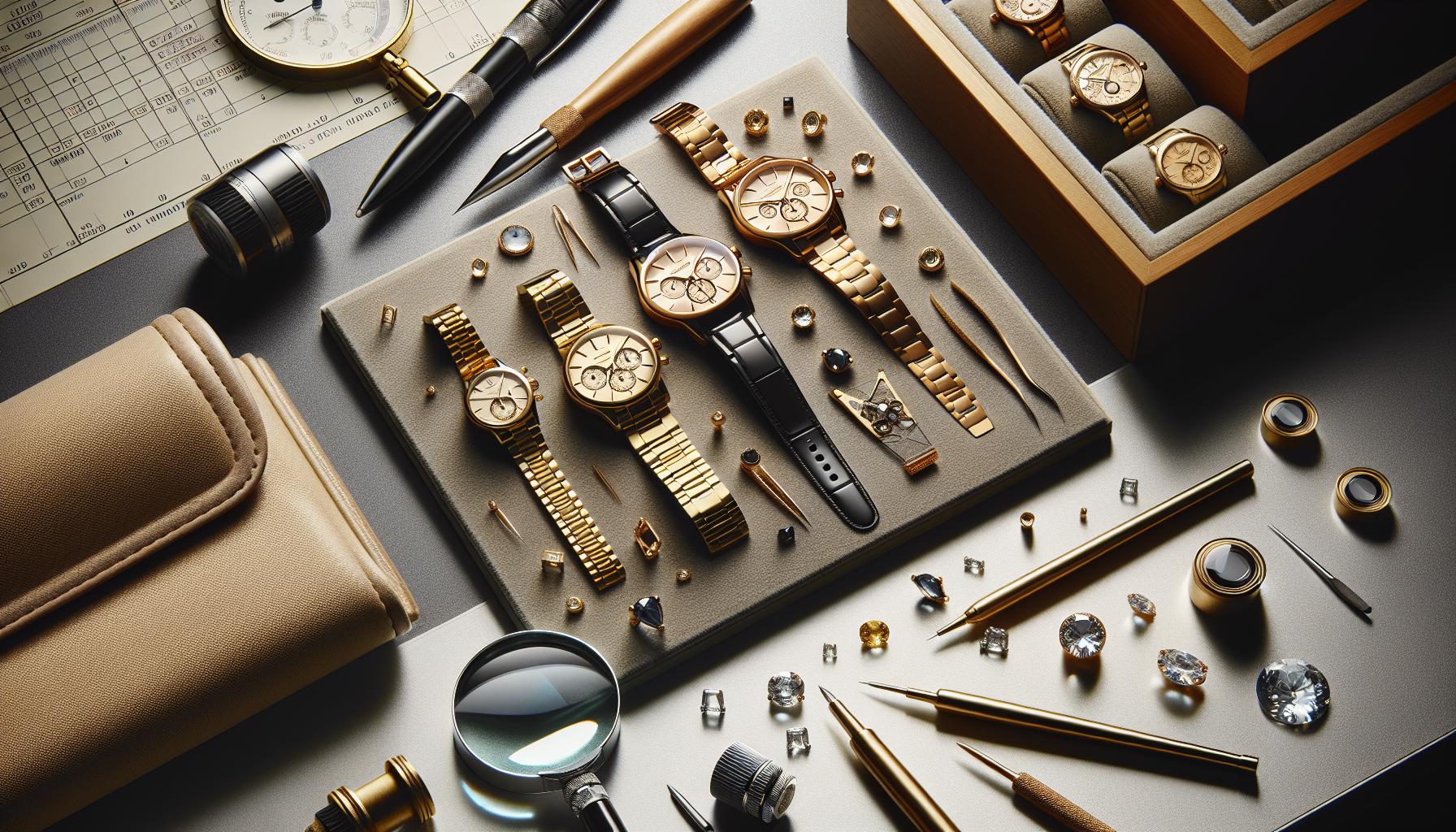
Few things captivate watch enthusiasts-and investors alike-more than the artistry woven into a finely crafted gold timepiece. Beyond precious metal and brand prestige, true investment-grade watches showcase a marriage of meticulous mechanical design and functional complexity known as complications. Evaluating these elements helps separate a mere accessory from a horological masterpiece that can appreciate in value and admiration over decades.When examining craftsmanship, start with the movement-the heart of any mechanical watch. High-quality gold watches almost always feature automatic (self-winding) calibers crafted in-house or by respected movement specialists. These movements contain hundreds of tiny parts assembled with precision to ensure reliable performance and longevity. For example, Rolex’s Caliber 4130 in the Everose Daytona exemplifies robust engineering, using fewer components for durability and ease of maintenance while maintaining chronograph accuracy. Similarly, Patek Philippe’s Caliber 324 S C powering the Calatrava demonstrates a refined balance of elegance and technical mastery, prized for its finishing and smooth operation.
Understanding Complications and Their Investment Appeal
Complications add layers of utility and artistic merit beyond simple time telling.Common high-value complications found in gold watches include:
- Chronograph: A stopwatch function measuring elapsed time, notable in the Rolex Daytona and Audemars Piguet Royal oak chronograph. It requires precise mechanical synchronization, a sign of watchmaking prowess.
- Moonphase: Tracks lunar cycles, combining visual beauty with mechanical challenge. Vacheron Constantin and Patek Philippe have elegantly executed moonphase gold watches that enjoy collector reverence.
- Perpetual Calendar: Displays date, day, month, and leap year adjustments automatically-rare and complex, often found in the highest tier of investment-grade watches.
- Tourbillon: A rotating cage mechanism designed to counteract gravity’s effect on precision, often reserved for haute horlogerie and prized by serious collectors and investors alike.
The more skilled the execution and the rarer the complication in a precious metal model, the more it may boost a watch’s desirability and value. However, complexity sometimes means higher servicing costs and delicate components, so balance enthusiasm for features with realistic ownership expectations.
Visual and Finishing Cues to Spot Quality
craftsmanship isn’t just about mechanical function; visual and tactile details matter. Look closely for:
- Dial finishing: Textures, applied indexes, and high-quality printing indicate painstaking attention-no smudged logos or uneven surfaces.
- Case and bracelet work: Gold watches often feature polished and brushed surfaces selectively combined to enhance light play. Flawless edges, agreeable ergonomics, and solid weight suggest top-tier finish.
- Movement decoration: Brands like Patek Philippe and Audemars Piguet hand-finish movement parts with Geneva stripes, perlage, or anglage visible through sapphire casebacks-an unmistakable sign of dedication.
Even entry-level gold watches from brands such as Tissot or Longines offer solid construction and clean finishing, reflecting a commitment to quality at each price point.
Balancing Craftsmanship, Complications, and Investment Potential
Not all complications guarantee strong value growth-rarity, brand reputation, and historical significance weigh heavily.A simple gold Rolex Daytona robustly performs as an investment thanks to limited supply and iconic status, despite its relatively straightforward complication compared to haute horlogerie tourbillons costing five figures more.
| Complication | Investment Considerations | Example Models |
|---|---|---|
| Chronograph | Popular, versatile; high demand especially from top brands | Rolex Daytona Everose, audemars Piguet Royal Oak Chronograph |
| Moonphase | Visually appealing, niche collector interest; moderate investment | Patek Philippe Calatrava Moonphase, Vacheron Constantin Patrimony |
| Perpetual Calendar | High complexity, low availability; strong long-term value | Patek Philippe 5327, Audemars Piguet Royal Oak perpetual Calendar |
| Tourbillon | Ultra-high craftsmanship; limited buyers; top-tier value | hublot Classic Fusion Tourbillon, Breguet Tradition Tourbillon |
By evaluating the craftsmanship through movement pedigree, finishing quality, and the presence and finesse of complications, collectors gain insight beyond surface luxury. This empowers confident decisions about which gold watches offer both mechanical enchantment and tangible investment potential.Expertise grows by handling diverse models-from a meticulously finished $150 Tissot automatic in gold-plated steel, celebrating accessible elegance, to a $50,000+ Hublot tourbillon demonstrating modern haute horlogerie innovation. Each has a story,a purpose,and a place in a thoughtful gold watch collection that honors horological artistry and investment savvy alike.
Pricing Trends and Resale Value of Gold Watches
Collectors frequently enough find that the pricing landscape for gold watches is as dynamic and multifaceted as the timepieces themselves. Unlike watches made from stainless steel or other materials, gold inherently carries intrinsic value due to its precious metal content, which tends to provide a more stable price floor. However, it’s critical to remember that the resale value of a gold watch is influenced by several interwoven factors beyond the ounce price of gold-brand reputation, model rarity, mechanical complexity, and overall condition all play pivotal roles.Gold watch prices generally reflect current market trends for both gold bullion and luxury timepieces. For example, when gold prices surge, new releases in 18K gold naturally command higher retail prices-yet the premium on craftsmanship and brand can fluctuate independently. Rolex’s Everose gold, a proprietary rose gold alloy, often retains better value than generic alloys due to its proprietary formula and robust market demand. Entry-level gold watches from brands like Junghans or Bisset offer a valuable introduction to investing in precious metal watches, frequently enough at a more accessible price point while capitalizing on the base gold value[[[[[1]](https://watchard.com/posts/best-gold-watches-to-invest-in-right-now).
understanding Resale Variations: Brand, Model, and Market
When considering resale, rolex and Patek Philippe lead the pack with the strongest historical value retention and appreciation. For instance, gold variants of the Rolex Daytona or the Patek Philippe Calatrava often sell on the secondary market for prices near or exceeding their original retail, especially limited editions or models discontinued years ago.This contrasts with many quartz gold watches or mass-produced luxury pieces, where depreciation can be steep, as the mechanical movement and brand allure fail to fully offset the premium paid at purchase [[[[[3]](https://www.westlakegold.com/value-of-investment-watches).
Even within the same brand, pricing trends can differ.Audemars Piguet’s Royal Oak gold models showcase extraordinary value retention because of their iconic design and steady collector enthusiasm. Conversely,some less iconic or oversized gold watches may see more volatile prices as fashion trends and wearability impact demand more directly.
| Brand/Model | Typical Retail Range | Secondary Market Resale | key Influencing Factors |
|---|---|---|---|
| Rolex Daytona Everose Gold | $35,000 – $45,000 | 95% - 110% of retail (limited editions can exceed) | Limited production, brand prestige, in-house chronograph caliber |
| Patek Philippe Calatrava 18K Gold | $25,000 – $40,000 | 90% – 105% of retail | Classic design, finishing quality, rarity of complications |
| Audemars Piguet Royal Oak gold | $40,000 – $60,000+ | 90% - 105% of retail | Iconic case design, sustained collector interest |
| junghans Meister Fein Automatic 18K Gold | $2,000 – $3,500 | 75% – 85% of retail | Limited edition, but less brand prestige |
tips to maximize Resale Value
- Keep Original Papers and Packaging: Maintaining the full set (warranty cards, boxes) dramatically preserves resale value and provenance clarity.
- Service History Matters: Servicing at authorized centers with documented work helps confirm watch condition and prevents value loss due to mechanical issues.
- Condition and Wear: Gold is softer than steel,so scratches and dents can be more pronounced. Gentle daily use combined with professional polishing (done sparingly) can maintain surface quality and appeal.
- Limited Editions and Discontinued Models: Watches that are rare or out of production often outperform regular production models in resale, especially if tied to horological significance or brand milestones.
It’s critically important to dispel the common misconception that all gold watches automatically gain value over time simply as gold is precious. Market enthusiasm fluctuates, and many fashion-forward or less mechanically impressive models may depreciate. Investors passionate about horological art-and with realistic expectations-will find the greatest success by focusing on key brands, solid craftsmanship, and timeless designs rather than chasing novelty alone.
In sum,pricing trends for gold watches blend precious metal economics with horological desirability and brand clout. Whether you’re admiring a finely finished $3,000 Junghans or eyeing a $50,000 Patek Philippe with perpetual calendar complications, understanding these factors helps make informed buying and selling decisions with confidence and respect for each piece’s craftsmanship and story.
Trusted Brands Leading the Gold Watch Investment Market
Gold watches uniquely combine the intrinsic value of precious metals with the artistry of fine watchmaking, making brand reputation a crucial factor in investment potential. While gold itself offers a stable material baseline, the name on the dial often dictates how well a piece upholds or appreciates in value over time. Investing in brands with a storied heritage and consistent quality signals a sounder future resale value and collector interest-even amid shifting style and market trends.
Rolex stands as the undisputed titan in gold watch investments. Models like the Daytona in Everose gold benefit not only from their iconic status but also Rolex’s proprietary rose gold alloy, which resists fading and adds exclusivity. the brand’s in-house calibers,renowned for robustness and precision,amplify both collector trust and longevity. Prices for such models typically start around $35,000 and can surpass their original retail value on the secondary market, especially for limited editions. This blend of craftsmanship,innovation,and brand prestige makes Rolex gold watches a cornerstone for investment-minded collectors.
patek Philippe is another cornerstone in the luxury gold watch domain, revered for its meticulous finishing and timeless, understated designs. Gold Calatrava models, with their classic profiles and complex yet elegant automatic or manual movements, serve more than just functional roles-they symbolize horological excellence. Though purchase prices generally range between $25,000 and $40,000, these pieces often retain 90% or more of their value, with some vintage or rare references commanding premiums. Patek’s appeal lies as much in its watchmaking complications-like minute repeaters and perpetual calendars-as in the rarity of limited production runs.
Audemars Piguet’s Royal Oak collection reshaped perceptions of sports watches with its distinctive integrated bracelet and octagonal bezel-a design that continues to lure collectors in its precious metal variants. Gold Royal Oaks, often priced between $40,000 and $60,000+, reliably hold around 90% of retail price on resale platforms. The brand’s use of both automatic and in-house movements, featuring high complication calibers, adds layers of horological interest. While the aesthetics push boundaries, the brand’s heritage and steady collector enthusiasm underpin solid investment credibility.
Recognizing Value across Price Points
Not every investment-grade gold watch has to break five figures upfront. Brands like Junghans offer 18K gold limited editions that provide an accessible entry point for enthusiasts keen on precious metals without diving into haute horlogerie. Though resale percentages are typically lower (around 75-85%), these pieces benefit from fine German craftsmanship and graceful design, serving as solid stepping stones in a gold watch collection.
| Brand | Example Model | Price Range (USD) | Movement Type | Typical Resale Value | Investment Appeal |
|---|---|---|---|---|---|
| Rolex | Daytona Everose Gold | $35,000 – $45,000 | Automatic (in-house chronograph) | 95% - 110% of retail | High brand prestige, proprietary alloy, rarity |
| Patek Philippe | Calatrava 18K Gold | $25,000 – $40,000 | Automatic or manual winding | 90% – 105% of retail | Classic design, haute complications, finishing |
| Audemars Piguet | Royal Oak Gold | $40,000 - $60,000+ | Automatic (in-house) | 90% – 105% of retail | Iconic design, strong collector base |
| junghans | meister Fein 18K Gold Limited Edition | $2,000 – $3,500 | Automatic | 75% – 85% of retail | Entry-level precious metal, limited edition |
Choosing Based on Expertise, Not Hype
While it’s tempting to chase the flashiest names or newest hyped models, success in gold watch investment comes from balancing brand pedigree with personal passion and a clear-eyed view of market dynamics. Watches from these trusted manufacturers represent not only precious metals but decades, sometimes centuries, of watchmaking mastery. They offer movements engineered for longevity, designs that transcend fashion, and brand stories that ignite collector desire.
For watch lovers juggling budgets or just starting their journey, brands like Junghans or Tissot showcase that the investment-grade gold watch world isn’t solely reserved for ultra-luxury buyers. Whether you’re admiring the engineering simplicity of a $150 Tissot or the complex in-house calibers of a $50,000 Patek Philippe, recognizing craftsmanship and value retention equally fosters a richer appreciation-and smarter collection choices.
In essence, the trusted leaders in gold watch investment marry artistry, mechanical prowess, and enduring desirability. Entrusting your collection’s core to these reputable brands offers both a safeguard against market volatility and the joy of owning truly exceptional mechanical art.
Protecting and Maintaining Your Gold Watch Collection
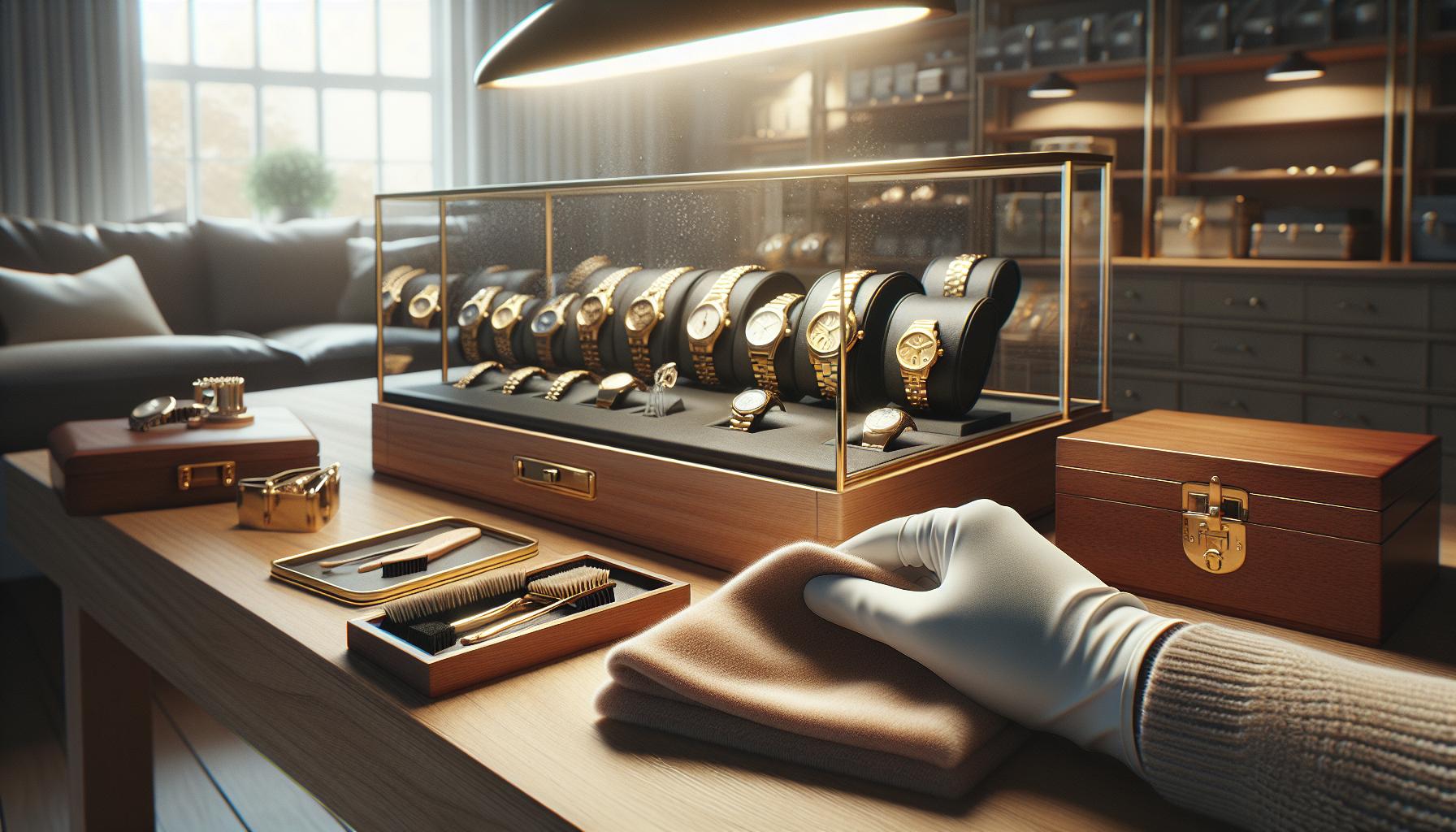
Gold watches hold a unique dual value: they are precious metal investments and mechanical masterpieces.Protecting these dual investments requires attention not just to their exterior shine,but also to their internal precision and longevity.Even the finest 18K gold case can show wear if neglected, and mechanical movements, whether automatic or manual, thrive on proper care and servicing. Treat your gold watch as you would a cherished heirloom-regular maintenance and mindful wear can preserve both its monetary and sentimental value.
environmental Hazards and Everyday Wear
Gold is soft relative to steel, making it prone to scratches and dents during daily use. This softness is especially true for rose gold alloys like Rolex’s Everose, prized for color but delicate under harsh knocks. To protect your investment:
- Rotate wear: Avoid wearing your gold watch every day. keep a rotation with steel or titanium pieces to reduce cumulative surface wear.
- Be mindful of activities: Avoid exposing your gold watch to abrasive tasks, strong chemicals, or situations like swimming in chlorinated pools, which can degrade seals and alloys.
- Use soft cloths for cleaning: After wearing, gently wipe your watch with a microfiber cloth to remove sweat, oils, and dust that accelerate tarnish and corrosion.
Even minor scratches can often be polished out by professionals,but over-polishing can reduce sharp case edges,impacting both aesthetics and resale value.
Servicing: More than Just Keeping Time
Mechanical complexity defines investment-grade gold watches-from Rolex’s in-house automatic chronographs to Patek Philippe’s exquisite perpetual calendars. These calibers contain tiny,moving parts requiring lubrication and adjustment. Regular servicing every 3-5 years is crucial, even if the watch keeps running fine. A neglected movement risks wear that can lead to costly repairs or permanent damage.
Beware of shortcuts like non-authorized watchmakers servicing luxury gold pieces. Although tempting for lower cost, improper handling can void warranties or diminish value. Always seek certified service centers or expert horologists familiar with the specific brand and model.Such as, Audemars Piguet’s Royal Oak automatic movements require specialized knowledge due to their unique architecture.
Proper Storage and Display
Storing your watches correctly safeguards against environmental damage and accidental knocks.
- Temperature and humidity control: Gold watches benefit from stable, moderate conditions to avoid moisture build-up that could rust internal parts.
- Watch winders: For automatic models, high-quality winders keep movements running smoothly but should be calibrated not to overwind.
- Individual compartments: Use padded boxes that separate pieces to prevent metal-on-metal scratches.
For collections containing multiple precious metal watches, dedicated safes with controlled environments add security and peace of mind.
Insuring and Documenting Your Collection
financial protection is as vital as physical care. Document your gold watches with up-to-date photos, serial numbers, and purchase receipts. This proof aids authenticity verification and expedites replacement or resale processes. Many luxury watch insurers offer specialized policies covering theft, loss, and damage, calibrated to the fluctuating value of gold and collectibility.
Consider periodic appraisals to adjust coverage, especially after price hikes in precious metals or notable appreciation of your models. Just as you would protect a fine car or artwork, insuring your gold watches acknowledges their dual role as wearable investments and artistic treasures.
—
By combining thoughtful wear habits, scheduled servicing, careful storage, and proper insurance, you preserve not only the gleam of your gold watch but its enduring legacy as a mechanical marvel and asset. Whether it’s a $3,000 Junghans limited edition or a $50,000 Patek Philippe Calatrava, every piece deserves this balanced approach-honoring craftsmanship while safeguarding investment value.
Spotting Authenticity and Avoiding Gold Watch Investment Scams
Authenticity can make or break the value of a gold watch, especially in the investment world where every detail counts. Counterfeits and scams have become increasingly sophisticated, blending convincing aesthetics with cheap materials or fake movements. Knowing what to look for helps you avoid costly mistakes that diminish both enjoyment and value. Even seasoned collectors sometimes fall prey, so it pays to become familiar with key authenticity markers and common red flags.
- Check the movement first: One of the clearest giveaways of a fake is the watch’s internal mechanism. Investment-grade gold watches almost always feature mechanical movements-either automatic (self-winding) or manual-with complex calibers crafted in-house or by highly reputable manufacturers. quartz movements are rare in high-value gold pieces, except select models. If you can’t open the case back yourself, insist on expert verification through an authorized dealer or a certified watchmaker, who can confirm the caliber number and finishing details.
- Examine hallmarks and materials: Genuine gold watches will have official stamps indicating purity (e.g., “18K” or “750” for 75% gold content) engraved in discreet but consistent locations. Beware of inconsistent or missing hallmarks; cheap alloys or gold plating will not carry proper certification. Materials like the distinctive salmon-pink hue of Rolex’s Everose gold or the richer tone of yellow gold require an experienced eye to authenticate,but even novices should note if the finish feels light,overly shiny,or plasticky.
- Study logos, fonts, and serial numbers: Brands like Patek Philippe, Audemars Piguet, and Omega maintain extremely tight controls on logo placement and engraving quality.Fonts should be crisp, spacing uniform, and serial numbers etched-not printed-on casebacks or lugs.These numbers can often be cross-checked through the brand or authorized sources. Watch out for inconsistencies such as uneven fonts, misaligned text, or numbers that don’t match paperwork.
- Authenticate the provenance: Documentation is invaluable. Original boxes, warranty cards, service records, and receipts form a narrative that supports authenticity and value proposition. When buying pre-owned, insist on seller transparency and provenance verification. Platforms with escrow services or trusted vintage dealers offer more security than open marketplaces where scams are more prevalent.
Beware of Common Pitfalls and Scams
Gold watches, because of their dual value as precious metal and mechanical art, attract specific types of fraud:
- Gold-plated fakes marketed as solid gold: These often have brushed or dull finishes and weigh less than true gold pieces. Confirm weight specs and ask for metal testing if uncertain.
- Movement swaps and “Frankenwatches”: These are watches with authentic cases but replaced, low-quality movements, or mismatched parts. They frequently enough mimic high-end models but fail authenticity checks on closer inspection.
- Replica watches with fake paperwork: Perfect fakes can include forged warranty cards and boxes. Never accept these at face value; rely on independent authentication services or brand experts.
- Unusually low prices: If a deal looks too good to be true, it probably is. genuine investment-grade gold watches rarely sell well below market without clear reasons.
Since even expert fakes can fool casual buyers, align yourself with specialists and join collector communities online or locally. Forums like Watchuseek or dedicated social media groups offer invaluable firsthand experiences and warnings. When in doubt, professional appraisal is money well spent.
Tools and Techniques to Spot Authenticity
- Visual magnification: Use a loupe to scrutinize engravings,dial printing,and detail work.
- Weight comparison: Genuine gold watches have heft consistent with their case size and gold purity.
- Timing accuracy and movement “sound”: Listen to the ticking-mechanical watches have a consistent, smooth tick, not a loud or rattling sound typical of cheap replicas.
- UV light test: Sometimes helps reveal non-gold alloys or printing inconsistencies on papers and dials.
Authenticity and vigilance go hand-in-hand in the gold watch investment world.understanding the nuances behind every element-from movement to hallmark to serial number-transforms buying into a confident, rewarding experience. By treating each gold watch as both an elegant instrument and a treasure worth protecting,you safeguard your investment and deepen your appreciation of horological mastery.
Comparing Vintage and Modern Gold Watches for Collectors
One of the most exciting aspects of building a gold watch collection is exploring the dynamic conversation between vintage and modern pieces. Vintage gold watches frequently enough carry a unique charm-each scratch, patina, or dial variation tells a story of wear and time, enhancing the watch’s character and, sometimes, its investment appeal. They tend to showcase classic designs and traditional craftsmanship, frequently powered by hand-wound or early automatic mechanical movements. Modern gold watches, simultaneously occurring, benefit from technological advances, frequently enough featuring in-house calibers, improved materials like Rolex’s Everose gold alloy, and contemporary styling that appeals to today’s collectors. Both eras offer distinct value propositions depending on what you prioritize: historical significance, rarity, cutting-edge engineering, or everyday wearability.
Movement and Technical evolution
Vintage gold watches typically rely on respected manual or early automatic movements, often with fewer complications but beautifully finished calibers that appeal to purists and connoisseurs. Such as, a vintage patek Philippe Calatrava from the 1950s frequently houses an elegantly simple yet exquisitely crafted manual-wind caliber, prized for its horological purity and subtlety. These watches usually require more care and occasional servicing but reward owners with a sense of heritage and connection. Conversely, modern gold watches-such as the current Audemars Piguet Royal oak models in 18K gold-feature updated automatic calibers with better accuracy, higher power reserves, and sometimes innovative escapements. Quartz movements are rare in high-end gold pieces but occasionally appear in vintage models, often lowering investment potential compared to their mechanical counterparts.
Wearability and Design Nuances
The aesthetic language differs notably between vintage and modern gold watches. vintage models tend to be smaller in diameter (typically 34-36mm), with thinner cases and more restrained dial designs-traits that appeal to collectors who favor elegance and understatement. They often feature hallmark details like pie-pan dials, applied indices, or tropical patinas that cannot be replicated today. Modern gold watches, though, frequently enough embrace larger cases (39mm and up) and sportier designs balanced by precious metal construction. Consider the Rolex Day-Date “President” in yellow or rose gold: vintage versions feel iconic and dressy, while new generation models exhibit bolder indices, upgraded bracelets, and robust automatic movements that integrate seamlessly into contemporary lifestyles.
Value Retention and Market Trends
From an investment standpoint, vintage gold watches can be a mixed bag. Rarity, provenance, and condition drive value more than metal content alone. Historical pieces from Patek Philippe, Rolex, Audemars Piguet, and Vacheron Constantin, especially limited editions or famous references, often appreciate impressively. However, condition and originality are paramount-repaired dials or replaced parts can severely impact worth. Modern gold watches, while less steeped in history, benefit from robust brand demand, technical upgrades, and global luxury watch market momentum. Limited edition pieces and those with in-house movements from acclaimed brands tend to hold or increase value steadily. Still, gold’s fluctuating commodity price can impact resale value independently of the watch’s horological merits.
| Aspect | Vintage gold watches | Modern Gold watches |
|---|---|---|
| Movement | Manual or early automatic; mechanical, hand-finished calibers | Advanced automatic; in-house calibers with improved accuracy |
| Design | Smaller cases, classic dial aesthetics, patina and wear bring character | Larger cases, bold styling, improved ergonomics and materials |
| Wearability | More dress-oriented, lighter on the wrist | Sporty to formal, versatile for daily wear |
| Investment Potential | Highly dependent on rarity, condition, provenance | Stable brands with limited editions tend to retain value well |
| Maintenance | Requires skilled servicing, parts may be rare | Modern servicing options readily available, warranties offered |
Collectors often find the richest experience in blending both vintage and modern gold watches in their collection. Vintage pieces invite appreciation of watchmaking heritage; modern watches bring reliability and contemporary luxury. As an example, pairing a vintage Jaeger-LeCoultre Reverso in rose gold with a contemporary Omega seamaster in yellow gold offers a fascinating contrast of style, technology, and wearability. Ultimately, your choice depends on personal taste, budget, and how you intend to interact with these precious metal timepieces-whether as an investment or as intimate daily companions that evolve your watch story.
In sum, neither vintage nor modern gold watches are simply better; they are complementary chapters in horology’s ongoing dialog. Embrace the nuances, and you’ll discover the joy of collecting goes far beyond numbers on the resale sheet-into the realm of timeless craftsmanship, personal history, and shared passion.
Where to Buy and Sell Investment-Grade Gold Watches
Acquiring or parting with investment-grade gold watches is as much an art as it is a transaction. The key to success lies in choosing reputable sources that respect the craftsmanship and provenance integral to these precious timepieces. Whether you’re after a vintage Patek Philippe or a modern Rolex Day-Date, the marketplace you choose influences pricing, authenticity, and ultimately, your satisfaction as a collector or investor.
Reliable Places to Purchase Gold Watches
For buying, authorized dealers remain the gold standard for new pieces. They provide factory warranties,certified documentation,and the assurance of genuine materials-important when investing in precious metals like 18K gold or Rolex’s proprietary Everose gold. however, price premiums here can be important due to retail markups. To explore more competitive pricing, consider trusted pre-owned dealers or specialized auction houses that meticulously vet each watch’s condition, originality, and provenance. The rise of luxury pawn shops, such as Queen of Pawns, offers unexpected opportunities to acquire investment-grade gold watches at fair market prices, often including hard-to-find vintage references and limited editions [[2]](https://www.queenofpawns.com/post/11-expert-tips-on-how-to-buy-and-sell-luxury-watches-for-maximum-profit).
Online marketplaces have expanded visibility but require caution. Platforms like Chrono24 or WatchBox provide detailed listings with verified authenticity programs, but buyers should scrutinize seller ratings, reviews, and return policies. Always request comprehensive photos showing hallmarks, caliber engravings, and original box and papers-these elements markedly enhance value[[[[[1]](https://www.westlakegold.com/value-of-investment-watches/).
Strategic Approaches to Selling Your Gold Watch
When it’s time to sell, planning is paramount. watches retaining their original boxes,warranty cards,and documentation consistently command higher resale prices. Even an unpolished case can preserve the integrity and desirability of a gold watch, especially for vintage collectors. Start by obtaining multiple appraisals from reputable dealers and luxury pawn shops to understand market value and buyer interest[[[[[1]](https://www.westlakegold.com/value-of-investment-watches/).
Luxury pawn shops can offer swift transactions without sacrificing fair valuation, an attractive option for sellers seeking liquidity. Though, for maximizing returns, consider consignment at niche auction houses or trusted resale platforms where your watch benefits from targeted collector audiences and expert marketing.
Authentication is critical. Gold watches frequently enough bear hallmarks indicating karat purity and manufacturer marks. familiarize yourself with these indicators and ensure the watch has been inspected by certified watchmakers or horology experts. The movement type-automatic versus quartz-and also complications like chronographs or perpetual calendars, profoundly affect desirability and price.
pricing for investment-grade gold watches fluctuates with market trends in precious metals but is also heavily influenced by brand prestige and rarity. As an example, vintage Rolex Submariners in solid gold can exceed metal value multiple times over due to collector demand.
| Buying Venue | Advantages | Considerations |
|---|---|---|
| Authorized Dealers | Warranty, authenticity, latest models | Premium prices, limited vintage options |
| pre-Owned Dealers & Auction Houses | Wide selection, vetted authenticity, competitive pricing | Variable buyer premiums, slower sales process |
| Luxury Pawn Shops | Immediate cash offers, rare finds, flexible negotiations | Value depends on shop expertise and market timing |
| Online Marketplaces | Broad access, convenience | Risk of counterfeit, need for due diligence |
By combining thorough research with trusted sources, collectors and investors can confidently navigate where to buy and sell gold watches.The joy of owning these mechanical works of art is intensified when each transaction honors the watch’s heritage and quality-hallmarks of true investment-grade timepieces.
Styling and Wearing Your Gold watch: Balancing Elegance and Everyday use
Gold watches aren’t just shining investments; they’re also versatile style statements that can elevate both casual and formal outfits. The secret to making a gold timepiece work in everyday wear lies in balancing its natural elegance with practicality. As a notable example,pairing a robust 18K gold Rolex Submariner with a crisp white shirt and jeans lends a refined yet relaxed vibe. The Submariner combines an automatic movement, known for precision and reliability, with sporty design elements, making it equally at home underwater or at a weekend brunch. This duality is a key principle when styling gold watches-choose models that respect your lifestyle while showcasing craftsmanship.
Whether you own a vintage yellow gold Patek Philippe Calatrava or a modern rose gold Audemars Piguet Royal Oak,consider how the watch’s dial color,case size,and bracelet affect its wearability. Subtle contrasts like champagne dials with warm leather straps can tone down gold’s flashiness for office settings. Conversely, bold gold surfaces paired with integrated metal bracelets deliver a statement perfect for social occasions. Remember, gold is a precious metal and attracts attention, so let your watch complement rather than overpower your overall look.
Integrating Gold Watches into daily Wear
- Consider case thickness and size: Slim gold dress watches (typically 36-40mm) slide easily under cuffs, ideal for business attire. larger sporty gold watches (40mm+) with bold bezels add casual sophistication but may feel heavy if worn constantly.
- Mix metal tones thoughtfully: Wearing a rose gold watch with rose gold accents on cufflinks or belts creates cohesion. Yet don’t be afraid to mix yellow gold with stainless steel or platinum for a versatile,modern aesthetic.
- Strap material choice: While gold bracelets are elegant, leather straps (alligators or calfskin) add warmth and comfort. Swapping straps can transform any gold watch from formal to casual.
- Movement type and maintenance: Automatic watches require regular wear or winding-perfect if you love mechanical artistry daily.Quartz gold watches offer low maintenance convenience but may lack the horological appeal sought by collectors.
A practical tip for gold watch enthusiasts is to rotate watches according to occasion and outfit. Such as,a solid gold Omega Speedmaster with chronograph complications suits active days and weekend styles,while a refined Jaeger-LeCoultre Reverso-or its iconic gold variants-perfectly suits smart casual to formal wear. This approach extends the lifespan of each piece and keeps your collection dynamic.
Balancing Investment and Personal Style
Owning an investment-grade gold watch is about more than preserving value; it’s about celebrating mechanical marvels as wearable art. while watches like the Patek Philippe Nautilus or Audemars Piguet Royal Oak Offshore command high resale values due to rarity and design, look beyond hype to what resonates with you personally. A Tissot or Seiko gold-tone automatic in your rotation is an excellent way to appreciate craftsmanship daily without anxiety over wear and tear. Watches should be enjoyed-not just stored away.
Regardless of your collection’s market value, wearing your gold watch confidently requires honest self-expression. Pair your precious timepiece with outfits that reflect your lifestyle, whether that’s a classic navy suit, smart-casual knitwear, or weekend shorts. The technical beauty-automatic calibers, in-house movements, and complications-embodied in your gold watch enhances this connection.It’s a festivity of heritage, innovation, and individual taste all on your wrist.
| Watch Model | Movement | Ideal Styling | Price range (USD) | Wearability |
|---|---|---|---|---|
| Rolex Submariner (gold) | Automatic, In-house Caliber 3235 | Casual to Business Casual | 35,000 – 50,000 | robust, sporty, versatile |
| Patek Philippe Calatrava (Yellow Gold) | Automatic, Caliber 324 S C | Formal, Business | 20,000 – 35,000 (pre-owned) | Thin, elegant, dressy |
| Audemars Piguet Royal Oak (Rose Gold) | automatic, Caliber 3120 | Smart Casual, Formal | 60,000 – 80,000+ | Bold, statement, sophisticated |
| Omega Speedmaster (Gold) | Automatic, Caliber 9300 | Casual, Active, Weekend Wear | 15,000 – 25,000 | Functional, sporty, durable |
| Tissot Le Locle (Gold-Tone) | Automatic ETA caliber 2824-2 | Entry-Level elegance | 500 – 1,000 | Accessible, classic, everyday |
Frequently Asked Questions
Q: How does the purity of gold affect the investment value of a gold watch?
A: The purity of gold, measured in karats (24K being pure gold), significantly impacts the value of a gold watch. Higher purity means higher intrinsic value, but 18K gold is frequently enough preferred for durability without sacrificing worth. Understanding this balance helps investors gauge long-term resale potential and durability. See our section on Top Gold Watch Materials and Their Impact on Investment Potential for details.
Q: What role do limited editions play in the value of investment-grade gold watches?
A: Limited editions frequently enough increase desirability and scarcity, boosting a gold watch’s investment value. These watches usually feature unique craftsmanship or brand collaborations,making them highly collectible and more likely to appreciate over time. Look for limited series from trusted brands in our Trusted Brands section for top opportunities.
Q: How can gold watch collectors protect their investment from market volatility?
A: Diversifying within your collection,maintaining proper care,and monitoring market trends are key.Storing watches securely and servicing them regularly preserves value while tracking gold prices and watch demand helps time buying or selling. Our Protecting and Maintaining Your Gold Watch Collection section offers practical tips for safeguarding your assets.
Q: Why is provenance important when investing in gold watches?
A: Provenance, or documented ownership history, adds credibility and value to investment-grade gold watches. A clear record can verify authenticity and enhance buyer confidence, especially in vintage or high-value pieces. Always request certificates and service records to boost resale appeal, as discussed in Spotting Authenticity and Avoiding Gold Watch Investment Scams.
Q: What are common signs that an investment-grade gold watch needs servicing?
A: Signs include inconsistent timekeeping, unusual noises, or reduced power reserve in automatic movements. Regular servicing every 3-5 years maintains accuracy and protects the mechanical integrity of your investment-grade gold watch. Reference our guidance under Protecting and Maintaining Your Gold Watch Collection for maintenance best practices.
Q: How do gold watches compare with other precious metal watches in terms of investment potential?
A: Gold watches generally offer strong intrinsic value due to gold’s stable market demand, but platinum and rose gold watches can sometimes outperform based on rarity and trend appeal. consider market trends alongside craftsmanship, as detailed in our Top Gold Watch Materials and Their Impact on Investment Potential for a balanced view.
Q: Where can collectors find authenticated investment-grade gold watches with guaranteed provenance?
A: Reputable authorized dealers, certified auction houses, and trusted secondary market platforms are the best places to buy. Always verify provenance and authenticity documentation.For buying and selling tips,see our Where to Buy and Sell Investment-Grade Gold Watches section to ensure secure transactions and protect your investment.
Q: How do in-house movements affect the desirability and value of investment-grade gold watches?
A: Watches with in-house movements often command higher premiums due to superior craftsmanship and brand prestige. Collectors value calibers developed internally for their reliability and exclusivity, which can enhance investment appeal. learn more about movements in Automatic vs. Quartz Movements in Gold Investment Watches for informed collecting choices.
Key Takeaways
Investing in a gold watch means more than owning a timepiece-it’s embracing a blend of exquisite craftsmanship, timeless design, and precious metal value. Whether you prefer a refined automatic movement from Rolex or a unique complication from Patek Philippe, these investment-grade pieces offer enduring appeal and solid resale potential. If you’re considering your next addition, explore our detailed comparisons of iconic models and learn how in-house calibers impact long-term value.Ready to elevate your collection? Discover our expert guides on luxury watch maintenance and the latest market trends to ensure your gold watch remains a prized asset. Don’t miss our detailed reviews on vintage vs. modern gold watches to find the perfect balance between heritage and innovation.Join our newsletter for insider tips and exclusive offers, or schedule a consultation with our horology experts to tailor your investment strategy.
Have questions or wont to share your collection story? Drop a comment below and connect with fellow enthusiasts. Dive deeper into investment-grade watches and uncover more about precious metals and craftsmanship by exploring our recommended resources-your journey toward mastering the art and value of gold watches starts here.