

Is Rolex Datejust Waterproof: Understanding Water Resistance
Did you know the Rolex Datejust, one of the most iconic automatic watches ever made, offers reliable water resistance up to 100 meters thanks to its screw-down crown and robust Oyster case design? Understanding just how waterproof your Datejust realy is matters-not just for protecting your investment but for confidently wearing it through daily splashes, workouts, or even light swimming. Whether your a seasoned collector or just eyeing your first classic Rolex, knowing the specifics behind water resistance helps you care for your watch properly and sets realistic expectations for its performance under water. Let’s dive deeper into what makes the datejust’s water resistance tick, decode key terms like “twin lock crown,” and explore how this feature balances technical precision with versatile wearability-without the hype, just honest watch talk from someone who loves every tick of a mechanical marvel.
Contents
- Rolex Datejust Water Resistance Explained: What You Need to know
- the Science Behind Rolex Waterproofing Technology
- Rolex Datejust Case Design and Water Resistance Features
- How to Test Your Rolex Datejust’s Water Resistance at Home
- Common Water Exposure Scenarios: Is Your Datejust Safe?
- Service Intervals and Maintaining Water Resistance Over Time
- Comparing Rolex Datejust Water Resistance to Other Rolex Models
- What happens When Water gets Inside Your Rolex Datejust?
- Myths and Truths About Rolex Datejust Waterproof Claims
- Tips for Protecting Your Rolex Datejust During water Activities
- Q&A
- Q: How does temperature affect the water resistance of a Rolex Datejust?
- Q: Can swimming with a Rolex Datejust damage the watch’s movement?
- Q: why is the Rolex Datejust not recommended for diving despite water resistance?
- Q: How frequently enough should the Rolex Datejust’s water resistance be professionally tested?
- Q: What signs indicate that a Rolex Datejust’s water resistance might potentially be failing?
- Q: Can wearing a Rolex Datejust in the rain harm its water resistance features?
- Q: How does the Rolex Datejust’s screw-down crown contribute to its waterproof capabilities?
- Q: Are aftermarket seals and gaskets reliable for maintaining Rolex Datejust water resistance?
- concluding Remarks
Rolex Datejust Water Resistance Explained: What You Need to know
Rolex Datejust watches come with a solid reputation not only for timeless style and precision but also for dependable water resistance – a feature often misunderstood or overestimated. While it’s tempting to think of Rolex Datejust as a ”waterproof” watch, the reality is nuanced: Rolex classifies their Datejust models as water resistant up to 100 meters (330 feet). This means it’s perfectly suited for everyday activities like washing hands, rain exposure, or even swimming in shallow water, but it’s not designed for serious diving or deep-water submersion like the iconic Submariner or Sea-Dweller models [[1]](https://www.swisswatchexpo.com/thewatchclub/2019/07/19/understanding-rolex-water-resistance/?srsltid=AfmBOoqkL361dyEK76d01k9V8-FZe5EibjYLEGH1t2XgZgY-Wk1iienT).
At its core, water resistance rating for the Datejust means the watch can withstand pressure equivalent to a depth of 100 meters under controlled laboratory conditions.In real-world terms,this translates to reliable protection against splashes,rain,showers,swimming pools,and even surface snorkeling. However, one key takeaway is that water resistance isn’t a permanent state; it depends heavily on the condition of the watch’s gaskets, crystal, screw-down crown, and case back integrity. If these components degrade or the crown isn’t fully secured, the watch’s resistance can be compromised – something every owner should be aware of.
Understanding Rolex Datejust’s Water Resistance in Daily Use
What does 100 meters water resistance really mean? The ISO standard measuring water resistance equates 100 meters to a pressure of 10 atmospheres (ATM). But wearing a watch while swimming or during impact with water is diffrent from the lab’s static pressure tests. For instance:
- Everyday rain, hand washing, or accidental splashes pose no risk.
- Light swimming and shallow snorkeling are generally safe but be cautious with temperature shocks or high-impact water sports.
- Diving or prolonged underwater exposure is not advised - Datejust lacks the specialized gaskets and helium escape valves seen on dedicated dive watches.
Think of the Datejust as a robust “daily driver” watch that confidently handles life’s moisture but stops short at professional underwater adventures. This is why enthusiasts love it for the office, formal events, and casual wear alike – it blends refinement without the fragility of a pure dress watch, but also isn’t a dive-tool replacement [[3]](https://www.rolex.com/en-us/watches/datejust/m126334-0001).
Practical Advice for Datejust Owners
- Always screw down the crown firmly: The crown is the primary seal preventing water ingress.
- Avoid pressing chronograph or adjustment buttons underwater: These actions can disrupt seals during submersion.
- Have your watch tested regularly: rolex recommends water resistance tests during routine servicing to ensure seals and gaskets remain intact.
With these relatively simple measures, the Datejust remains a versatile companion confident on land and in water.
The hallmark of rolex engineering here is balancing elegant design with technical capability – making the Datejust a watch that protects its mechanical heart well but also invites care and respect for its limits. For watch lovers who appreciate both vintage appeal and top-tier craftsmanship, understanding and maintaining water resistance is part of preserving the value and daily enjoyment of this iconic timepiece.
—
References:
[1] Rolex Datejust and Datejust II water resistance: 100m guaranteed [[1]](https://www.swisswatchexpo.com/thewatchclub/2019/07/19/understanding-rolex-water-resistance/?srsltid=AfmBOoqkL361dyEK76d01k9V8-FZe5EibjYLEGH1t2XgZgY-Wk1iienT)
[3] Official Rolex Datejust water resistance spec: waterproof to 100 metres / 330 feet [[3]](https://www.rolex.com/en-us/watches/datejust/m126334-0001)
the Science Behind Rolex Waterproofing Technology
Water resistance in a mechanical watch isn’t just about a tight seal; it’s a carefully engineered system designed to protect precision components from moisture-one of the most insidious threats to watch performance and longevity. Rolex’s approach to waterproofing is impressive not because it promises invincibility, but because it harnesses tried-and-true technology combined with meticulous craftsmanship to create watches like the Datejust that reliably guard against real-world water exposure without sacrificing style or comfort.
At the heart of Rolex’s water resistance technology is the Oyster case, a foundational innovation introduced by Rolex in 1926. This case concept fundamentally changed watchmaking by combining a screw-down case back and bezel with a hermetically sealed crown, effectively turning the entire watch into a sealed pressure vessel. For the datejust, rated for 100 meters (roughly 330 feet), this construction means it can handle everyday moisture challenges-from rain to swimming pools-without fuss.
Key to this system are robust synthetic rubber gaskets placed at vulnerable entry points, including around the winding crown, beneath the crystal, and at the case back. These compress under pressure to block water ingress yet flex with temperature changes, preserving the seal’s integrity. Rolex’s use of a screw-down winding crown-sometimes dubbed a “Triplock” or “Twinlock” depending on the model-adds a critical mechanical lock. When screwed down properly, it compresses these gaskets for a tight, reliable closure. That’s why you’ll often hear owners advised to always screw the crown firmly before water contact.
Materials and Design Working in Harmony
The sapphire crystal on the Datejust is another unsung hero in its water resistance story. Sapphire is chemically bonded and precisely fitted to the bezel, creating a rigid, near-impenetrable dome over the dial that resists water pressure well beyond daily exposures. Its scratch resistance meanwhile preserves legibility and aesthetic integrity over years of wear.
Inside, the Calibre 3235 (or earlier Calibre 3135 for older models) is protected from moisture not just by case design but also by a careful balance of material choices and assembly tolerances. The movement’s architecture and lubrication are selected to endure potential humidity, reducing risk if small, undetectable water particles were to sneak inside temporary gaps.
Understanding Why Water Resistance Is not Forever
Even with scientific precision,water resistance depends on condition,not just design.Gaskets wear out, microscopic dust can degrade seals, and accidental impacts may shift components. This means pressure tests at Rolex service centers or authorized dealers are invaluable for datejust owners to confirm ongoing protection. Problems aren’t always dramatic; early detection prevents costly water damage that could disrupt the finely tuned mechanical heart.
Practical Takeaways To Protect Your Watch
- Never underestimate the vulnerability of the crown: Always screw it down firmly after time or date adjustments.
- Beware of sudden temperature changes: Swimming from cold water into warm air (or vice versa) can momentarily challenge seals.
- Routine maintenance: Replace gaskets and have water resistance pressure tests, ideally every 3-5 years, depending on usage.
By combining physical engineering-like clamp-like case backs and crystal fitting-with materials science and regular upkeep, Rolex expertly balances durability with elegance. The Datejust’s water resistance isn’t a flashy feature; it’s a subtle assurance that, with care, your watch remains a trustworthy companion rain or shine, day to day and decade to decade.
Rolex Datejust Case Design and Water Resistance Features
From the moment you hold a Rolex Datejust, its Oyster case reveals why water resistance is more than just a marketing bullet-it’s a finely tuned marriage of form and function. The Oyster case is the backbone of the Datejust’s reliability, crafted from corrosion-resistant 904L stainless steel (now called Oystersteel), an alloy prized for its durability and lustrous finish. This particular steel endows the watch not only with a distinguished sheen but also resilience against environmental wear, including moisture exposure. for a watch priced in the luxury segment yet engineered for everyday wear, this combination is a testament to Rolex’s commitment to practical excellence alongside elegance.
The case design centers on the iconic screw-down elements-a hallmark innovation since 1926-that create a near-impenetrable seal. The Datejust features a screw-down crown, either the Twinlock or Triplock system depending on the specific model, which uses twin or triple gaskets respectively to lock out water. When the crown is firmly screwed in,it compresses these seals to prevent moisture entry even if you catch an unexpected rain shower or go for a light swim in a pool.This system, paired with a solid screw-down case back, transforms the watch into a sealed vessel rated for water resistance up to 100 meters (about 330 feet). it’s not designed for deep diving but excels at handling daily moisture challenges without fuss.
Precision in Every Seal and Surface
Beneath that robust exterior lies a set of carefully engineered gaskets placed at critical ingress points-the winding crown, crystal, and case back-to maintain hydraulic integrity. These gaskets are crafted from high-quality synthetic rubber, selected for their elasticity and compression memory, which ensures the seal remains effective despite tiny movements, thermal expansion, and wear. Unlike cheaper alternatives that might crack or degrade quickly, Rolex’s gaskets flex subtly but firmly, preserving the watch’s resistance even during temperature swings like jumping into cold water after sunbathing.
The sapphire crystal crowning the dial further bolsters the water resistance picture. Crystal-clear and nearly impervious to scratches, it is indeed seated with exacting tolerances using a chemical bonding process that integrates it into the bezel without gaps where water could seep through. Its robustness means that everyday knocks or pressure from splashes won’t compromise your watch’s internal environment. This crystal is one reason why a Datejust can maintain clarity and integrity for decades, even with daily wear.
Real-World Benefits and Tips
Many Rolex enthusiasts appreciate that the Datejust’s water resistance is purpose-built rather than exaggerated hype. For example, the 100-meter rating means it’s perfectly safe for washing hands, showering, or swimming in pools, but not recommended for diving or high-impact water sports where extreme pressure or shocks could disturb seals. It’s the watch you can comfortably wear to work, weekend get-togethers, and casual poolside barbecues without worrying about moisture.
- Always ensure the crown is securely screwed down before any water exposure. this simple step dramatically preserves the gaskets’ effectiveness.
- Keep an eye on sudden temperature changes. Jumping between hot tubs and cold pools quickly can strain seals temporarily, so allow the watch to acclimate.
- Regular service checks every 3-5 years ensure that aging gaskets or any case damage don’t undermine resistance. Pressure testing is the gold standard here.
Understanding this balance between rugged engineering and refined luxury helps you truly appreciate why the Datejust case isn’t just a pretty face.It’s a thoughtful design crafted to keep your mechanical movement safe and ticking flawlessly, enabling a lifetime of wear that transcends fleeting trends.
How to Test Your Rolex Datejust’s Water Resistance at Home
Few things provide more peace of mind than knowing your Rolex Datejust can handle life’s everyday moisture without missing a beat. While professional water-resistance testing requires specialized equipment, there are simple and sensible ways to get a fast indication at home that your watch is holding up well against water ingress. These won’t replace the rigorous, vacuum or pressure tests done during servicing but can definately help catch any obvious problems early.
Basic Visual Checks and Handling Habits
Start with the basics: always confirm that the screw-down crown is *fully* screwed in. This might seem elementary, but even the most robust sealing system is useless if the crown is left loose. Make it a habit to gently push and twist until you feel the crown securely lock into place. Inspect the crown for any visible damage or dirt that could interfere with the gasket’s sealing performance.
Similarly, survey the crystal and case back for chips, cracks, or signs of corrosion. Even microscopic imperfections might become pathways for moisture under pressure. If you spot anything unusual, it’s time to consult a professional.
Simple Water Test
A popular at-home test involves carefully exposing your Datejust to a gentle splash or brief submersion in lukewarm water – think hand-washing or a quick rinse under the tap. Before doing this,make sure the crown is fully locked down and the watch has no visible damage.
- After exposure, dry the watch well and check the dial closely in bright light for any condensation or moisture forming on the inside of the crystal. Rolex’s sapphire crystal and meticulous seals generally prevent even vapor intrusion in small water encounters.
- Pay attention to fogging.If you spot any fogging or droplets inside, stop wearing the watch in wet conditions instantly and seek professional inspection.
This test won’t replicate the pressure found several meters underwater, but it’s a low-risk, practical step to monitor your watch between servicing intervals.
Temperature Shock Sensitivity
Rolexes, including the Datejust, are engineered with complex gaskets to withstand temperature swings, but repeated rapid heating and cooling – such as going from a hot tub to a cold pool – can momentarily challenge those seals.
For a gentle home test, avoid exposing the watch to extreme temperature shifts, but if you suspect your watch has experienced sudden changes, watch for fogging symptoms over the next several hours. This can indicate compromised seals needing attention.
When to Seek Professional Water resistance testing
While at-home methods are handy for early warning, keep in mind the gold standard is professional pressure testing available through authorized Rolex service centers or qualified self-reliant watchmakers. This involves placing the watch inside an airtight chamber and subjecting it to regulated pressure or vacuum conditions to confirm the integrity of the seals to Rolex’s exacting standards.
| Home Check Method | What It Detects | Limitations |
|---|---|---|
| Visual Inspection of Crown and Case | Loose crown, visible damage | Cannot verify seal integrity internally |
| Water Splash Test | Major leaks, obvious moisture ingress | no pressure simulation; may miss small leaks |
| Post Exposure Fog Check | Internal condensation presence | Only detects leaks after thay happen |
| Temperature Shock Observation | Compromised seals after extreme temp change | Indirect method; not definitive |
in all, treating your Rolex Datejust with care and using these simple home tests can alert you to potential water resistance issues before damage occurs. But to keep the legendary Oyster case performing at its best, adhere to rolex’s recommended service intervals featuring professional resealing and pressure testing every 7-10 years-or sooner if you regularly expose the watch to water[[3]](https://timepiecetradingllc.com/blogs/news/the-ultimate-guide-to-understanding-rolex-watch-water-resistance?srsltid=AfmBOormqScRXp-c3IveEaecjmHt-QpjBEHl2Xe01q9eNjyJfYvYWFry). This balanced approach respects the engineering artistry in every Datejust while empowering you with practical knowledge for daily wear.
Common Water Exposure Scenarios: Is Your Datejust Safe?
Rolex Datejust watches are engineered to handle everyday moisture with confidence, but understanding how they perform in various real-world water exposure scenarios is essential to protect your investment and keep your timepiece running smoothly. While the Oyster case confers a water resistance rating of up to 100 meters (330 feet), this doesn’t mean your Datejust is built for deep diving or continuous submersion. instead, it thrives in common daily moments involving water-but with mindful precautions.
Consider activities like washing your hands, walking in the rain, or getting caught in a sudden shower. These typical encounters pose little risk provided that the screw-down crown is properly secured and the watch is well-maintained. The Oyster case design,combined with Triplock or Twinlock winding crowns and robust gaskets,provides reliable protection against splashes and brief water contacts without compromising the automatic mechanical movement inside[[2]](https://www.rolex.com/en-us/watches/datejust/m126334-0001).
Though, when it comes to swimming or shallow snorkeling, your Datejust can handle these with care but remains less suited than Rolex’s dedicated dive watches like the Submariner. Rapid temperature changes such as moving from a sauna or hot tub to a cold pool can stress seals, possibly inviting moisture intrusion over time. This is a subtle vulnerability: the physical expansion and contraction challenge the gaskets-an vital detail frequently enough overlooked by owners eager to show off their watches poolside.
- Hand washing and showers: Generally safe if the crown is screwed in. avoid using soaps or shampoos that might degrade gaskets.
- Light swimming: Acceptable occasionally but rinse with fresh water afterward to remove chlorine or salt deposits.
- Diving or prolonged submersion: Best to avoid unless the watch is specifically rated and tested for such conditions.
- High-impact water sports: Risky due to sudden shocks; these can affect the seal integrity and impact internal components.
Many datejust owners enjoy the watch’s classic elegance without treating it as a tool watch, which is perfectly reasonable. It’s a versatile luxury timepiece designed first for style and everyday resilience rather than extreme underwater pressures. Should you frequently engage in water-related activities, consider scheduling service intervals more often than the usual 7-10 years-regular gasket replacement and pressure testing keep the Oyster case’s legendary performance intact[[3]](https://www.aviandco.com/diving-into-durability-water-resistance-in-rolex-watches).
Realistically, no watch is truly “waterproof” forever-ongoing care matters. If your Datejust ever shows signs like fogging under the crystal, irregular condensation, or unusual behavior after water exposure, it’s a clear call to action. Early professional attention can prevent costly damage to the precision-caliber movement.
By understanding these everyday scenarios, you empower yourself to enjoy the craftsmanship of your Datejust worry-free, appreciating its blend of technical excellence and elegant design in literally any setting life brings.
Service Intervals and Maintaining Water Resistance Over Time
Water resistance is not a “set and forget” feature-it’s something that evolves subtly over time, especially with a daily-wear watch like the Rolex Datejust. While the Oyster case and seals deliver robust protection out of the box, gaskets naturally degrade and the screw-down crown threads will slowly wear with use. Regular maintenance is the key to keeping your Datejust resilient against moisture and ensuring the precision automatic movement remains safe from water damage.
Why Scheduled Service matters
Rolex recommends servicing their watches approximately every 7-10 years, but for owners frequently exposing their Datejust to water-whether through swimming, frequent hand washing, or exposure to humid environments-more frequent checks can prevent seal failure before it happens. During a professional service, watchmakers precisely disassemble the watch, replace worn gaskets (including crown, case back, and crystal seals), and conduct rigorous pressure testing to simulate underwater conditions beyond the rated 100 meters. This testing guarantees the continued integrity of that iconic Oyster case seal system.
Ignoring servicing or pushing it too far risks invisible gasket degradation turning into a fogged crystal or, worse, water inside the case that threatens the Rolex’s in-house caliber movement. many Datejust owners have learned-sometimes the hard way-that early attention to water-resistance maintenance is cheaper and less stressful than costly water damage repairs.
Routine Checks You can Do at Home
While pressure testing requires specialized equipment, there are simple habits to keep in mind:
- Always ensure the screw-down crown is fully secured before any water exposure. This is your first defence line.
- Keep an eye out for fogging or condensation under the crystal-these signs indicate compromised seals and the need for immediate professional inspection.
- Avoid sudden temperature changes like jumping from a hot tub to cold water, which challenges seals via expansion and contraction stress.
These small steps supplement scheduled servicing by preventing unnecessary wear on water-resistance components.
Understanding Gasket Wear and Environmental Factors
gaskets are crafted from durable rubber-like materials but are vulnerable to chemical exposure (such as soaps, shampoos, or chlorine) and physical impacts. Oils from skin and environmental dust can also degrade materials over time. Dry or cracked gaskets allow moisture to sneak past the Oyster case’s engineered fortress. Such as, a Datejust used regularly in a chlorinated pool will benefit from rinsing in fresh water promptly post-swim and closer service monitoring.
| Maintenance Aspect | Recommendation | Reason |
|---|---|---|
| Gasket Replacement | Every 7-10 years, or sooner if water exposure is frequent | prevents moisture ingress from degraded seals |
| Pressure Testing | At each service or when suspecting moisture | Confirms watch meets or exceeds rated water resistance |
| Crown Handling | Always screw down fully, especially before water exposure | Ensures seal integrity |
Even if well-cared-for, aging gaskets are unavoidable, making preventive service a hallmark of savvy Rolex ownership.
By understanding and respecting the delicate balance of precision mechanics and water-resistance engineering inside your Datejust, you set your watch up for decades of reliable, worry-free performance. Water resistance isn’t permanent-it’s earned through care, routine inspection, and timely professional service. In embracing this, your Datejust stays true to Rolex’s legacy: a luxurious, technically sophisticated timepiece ready for life’s everyday adventures.
For a collector who also appreciates rugged timepieces like a Casio G-Shock, this nuanced upkeep highlights the beauty of combining engineering excellence with practical use. It’s not just about wearing a watch; it’s about stewarding a mechanical masterpiece that relies on your attention to keep performing at its best[[1]](https://www.aviandco.com/diving-into-durability-water-resistance-in-rolex-watches), [[2]](https://watchmydiamonds.com/blog/post/are-rolex-watches-waterproof/?srsltid=AfmBOooJ_SDlQLiSdKr4JkC2Gi6CFW58j0G1bplmmO3VzvGXIMcpFc9u), [[3]](https://elegantswiss.com/blogs/news/caring-for-your-rolex-expert-tips-for-maintenance-cleaning-and-preservation-for-2025).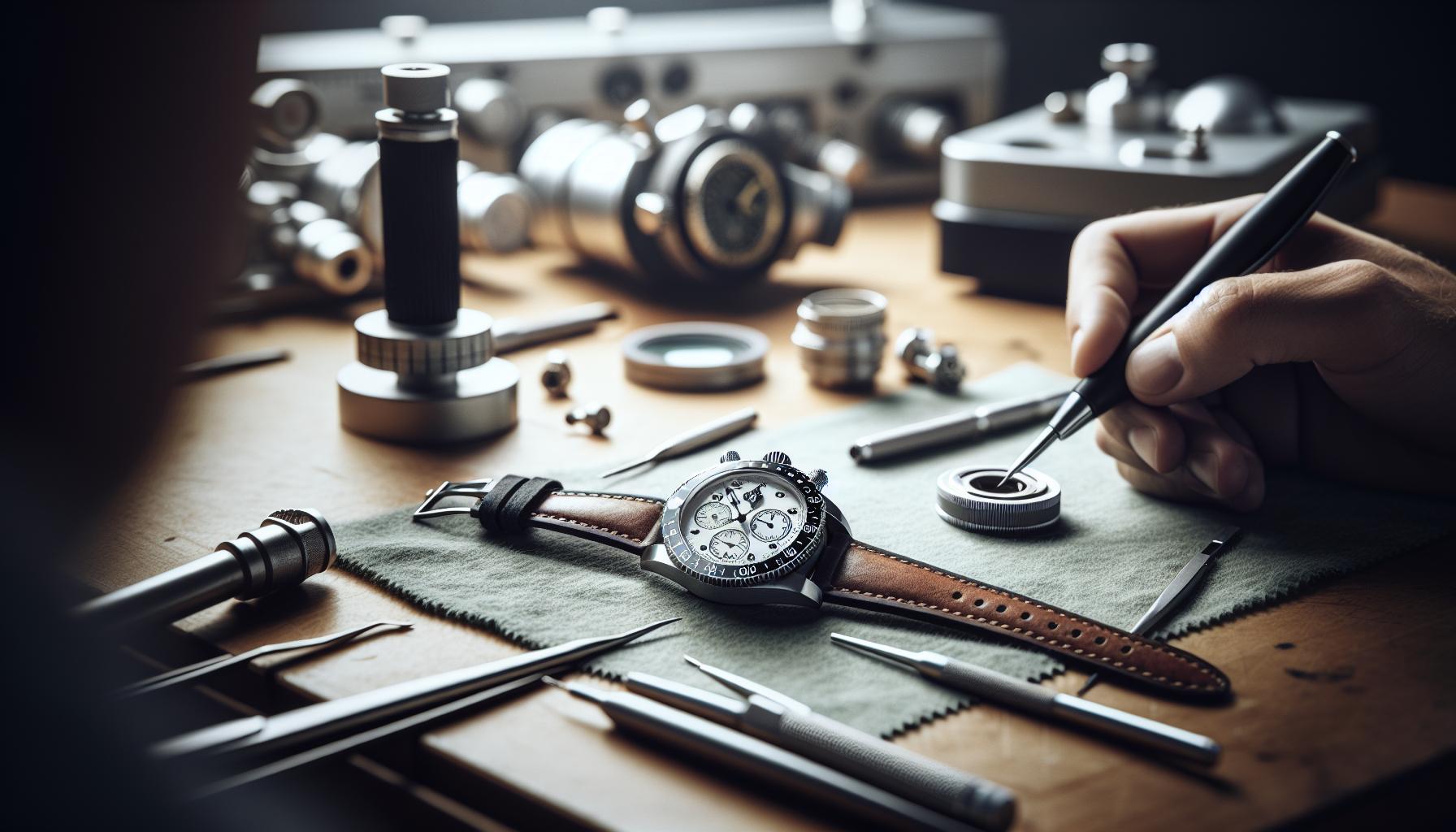
Comparing Rolex Datejust Water Resistance to Other Rolex Models
Rolex’s Datejust is often celebrated for its elegant versatility and classic design, but when it comes to water resistance, it occupies a distinctive middle ground within the Rolex lineup. Rated to withstand depths of up to 100 meters (330 feet), the Datejust’s water resistance is solid for everyday use-whether that means washing hands, rain, or light swimming. Yet, it’s critically important to appreciate how this compares with other Rolex models designed with more extreme aquatic pursuits in mind.
Everyday Resilience vs. Professional Diving Specs
The Datejust’s Oyster case,screw-down crown,and robust gaskets provide excellent protection suited for daily wear,making it dependable in routine water exposure scenarios. By contrast, dive-centric models such as the Rolex submariner and Sea-Dweller push water resistance much further. The submariner, as an example, is rated to 300 meters (1,000 feet), double that of the Datejust, achieved through reinforced cases and enhanced seals.The Sea-Dweller goes even deeper,rated to 1,220 meters (4,000 feet) or more in some variants thanks to the patented helium escape valve and Ringlock system-technologies designed for professional saturation diving[[3]](https://www.swisswatchexpo.com/thewatchclub/2019/07/19/understanding-rolex-water-resistance/?srsltid=AfmBOoqKRHwB7fLW_pLsi0YulsuD5NfCEqZCfnHnYe9dyauKxlJWAGmS).While the Datejust’s water resistance is no slouch, it’s not engineered for the pressures faced by deep divers or extreme underwater excursions. This distinction matters in practical terms: The Datejust is ideal for poolside,showering,and casual swim scenarios,but professional divers or adventure seekers might prefer the extra assurance of a submariner or Sea-Dweller.
Balancing Style, Movement, and Practicality
Another angle to appreciate is how Rolex balances water resistance with the Datejust’s role as a refined, dressy automatic timepiece. The Datejust’s movement-frequently the in-house Caliber 3235-is optimized for precision and durability,but preserving its functionality also means maintaining a balance in case design. Thickening the case and adding specialized seals can protect against water at great depths, but often at the expense of slimmer profiles and dress-watch elegance.
This balance separates models like the robust Explorer or tool-like GMT-Master II from the Datejust’s more conservative waterproof engineering. Essentially, the Datejust is crafted as a daily-wear automatic with practical water resistance, not a dedicated diving instrument or specialized sports model.
Summary Table: Comparing Key Rolex Models by Water Resistance
| Model | water Resistance Rating | Key Water-Proofing Features | Primary Use Case |
|---|---|---|---|
| Datejust | 100 meters / 330 feet | Oyster case, screw-down crown, triple gasket system | Everyday wear, light swimming, rain, shower |
| Submariner | 300 meters / 1,000 feet | Thicker Oyster case, Triplock crown, enhanced gaskets | Recreational/professional diving |
| Sea-Dweller | 1,220 – 3,900 meters / 4,000 – 12,800 feet | Ringlock system, helium escape valve, reinforced caseback | Professional saturation diving |
| Explorer | 100 meters / 330 feet | Oyster case, screw-down crown | Adventuring, everyday rugged use |
Practical Advice for Owners
If you own a Datejust and love the idea of occasional water exposure, the watch’s design is forgiving enough-though regular servicing to maintain gasket integrity is essential.If your lifestyle involves more intense water activities or deep dives, upgrading to a Submariner or Sea-Dweller makes sense. the Datejust’s water resistance excels at everyday durability, but other Rolex models are purpose-built for toughness in the deep blue.
Approach your watch’s water resistance with thoughtful respect-not just as a selling point, but as a dynamic feature that requires care. This mindset spans every Rolex-from Datejusts worn to weddings to Submariners tackled on diving expeditions. Watches, after all, are mechanical art, and even the best water-resistant watches need a gentle hand and timely service to keep performing beautifully[[1]](https://timepiecetradingllc.com/blogs/news/the-ultimate-guide-to-understanding-rolex-watch-water-resistance?srsltid=AfmBOopoGByr6i6E2kXgYLdcx-RNgeWlzQi_0xGCILNuEkjh_jT7OBvC), [[2]](https://www.aviandco.com/diving-into-durability-water-resistance-in-rolex-watches?srsltid=AfmBOooUNmekpBdCojp4Vgbp80IeXqiZCI7Kbd6ANeY3EQi-nggYL7US).
What happens When Water gets Inside Your Rolex Datejust?
Water intrusion inside a Rolex Datejust is a rare but serious event that can jeopardize both the watch’s function and its intricate mechanical movement. Despite Rolex’s renowned Oyster case and triple gasket system designed to keep water out up to 100 meters, no watch is fully impervious-especially if seals age or if the crown isn’t securely screwed down. When water manages to enter, it can wreak havoc quickly and requires immediate attention.
At the heart of a datejust is the Rolex Caliber 3235, an automatic (self-winding) movement celebrated for precision and durability. However, this high-quality movement depends on a finely balanced environment free from moisture. Even a small amount of water can cause oxidation,corrosion,or short circuits,particularly affecting the lubricants that keep components running smoothly. Over time, moisture may fog the sapphire crystal from within-or in worst cases, condense inside the case, signaling compromised water resistance and imminent mechanical issues.
Signs and Immediate Steps to Take
If you notice fogging, discoloration, or unusual behavior like the crown feeling unusually stiff or movement irregularities, it’s a red flag. Here’s what to do right away:
- Stop wearing the watch in water immediately. Continuing to expose it risks deeper damage.
- Do not open the case yourself. Authorization and special tools are required to avoid further harm.
- Send it to an authorized Rolex service center promptly. Professional technicians will open the watch, dry the movement thoroughly, and replace any damaged gaskets or parts.
Timely professional intervention is crucial; water left inside can quickly degrade key components, turning a minor fix into an expensive overhaul.
Why Regular Maintenance Matters
The Rolex Datejust’s water resistance is a dynamic feature. Over years of wear, gaskets lose elasticity, screw-down crowns may loosen microscopically, and impacts can affect seals. Routine servicing-typically recommended every 5 to 10 years-refreshes these vital barriers. During service, skilled watchmakers test and restore the watch’s water resistance, often pressure-testing to ensure the 100-meter rating remains intact.
Neglecting service is a common reason why water breaches a watch-preventable with basic care. For example, a collector friend once dismissed vintage Datejust servicing for years; a swim in the ocean exposed the case to saltwater, accelerating damage and resulting in costly repairs that could have been avoided.
Understanding Repair and Value Considerations
Water damage repairs range considerably based on severity. Sometimes, simple gasket replacements suffice; other times, corrosion on bridges or pinions means full movement overhaul. Collectors especially value unmodified cases and original movements, so keeping the watch dry and serviced preserves both functionality and resale value.
Like admiring a $150 Tissot or a $50K Hublot, appreciating an automatic rolex Datejust means respecting its mechanical artistry and supporting longevity through care. Even the best waterproofing won’t perform miracles against neglect.
Ultimately, water inside your Datejust is a warning call-a reminder that these masterpieces, while robust and beautifully engineered, are mechanical instruments requiring respectful handling to keep their magic running for generations to come.
Myths and Truths About Rolex Datejust Waterproof Claims
Rolex watches, including the Datejust, are frequently touted as “waterproof,” but that term is more myth than reality-especially when viewed through the lens of modern horology. In truth,Rolex never claims any of its watches to be completely waterproof. Instead, they are “water-resistant” to specific depths, with the Datejust typically rated to 100 meters (330 feet). This distinction is crucial as “waterproof” implies an absolute barrier, something no mechanical watch can guarantee indefinitely under all conditions[[1]](https://www.swisswatchexpo.com/thewatchclub/2019/07/19/understanding-rolex-water-resistance/?srsltid=AfmBOorlRQ77safur5ZVBMDIQIuhBnORmtEsiuJ4eRRETfkIQjb7hrEF)[[3]](https://beckertime.com/blog/the-truth-about-rolex-water-resistance/?srsltid=AfmBOoow22iMJYdv505_Ep9-8F-MhoyijP5l88oyr9f67Jvj_RKwtQwi).
Understanding Water Resistance vs. Waterproof
The Datejust’s Oyster case is engineered with a screw-down crown and multiple gaskets creating layers of defense against water intrusion. This system allows confident everyday wear-including swimming and showering-without damage, so long as seals are intact and the crown is properly secured. However, water resistance is not a permanent condition.Materials age, seals can degrade, and impacts or accidental crown mispositioning can reduce this protection over time. As a result, the “100 meters” rating qualifies the watch for swimming and snorkeling but not for professional diving or high-pressure water activities.
Common Misconceptions and Realities
- Myth: The Datejust is waterproof forever. Truth: Routine servicing approximately every 5 to 10 years is necessary to maintain resistance.Gaskets need replacement, and pressure testing ensures reliability[[1]](https://www.swisswatchexpo.com/thewatchclub/2019/07/19/understanding-rolex-water-resistance/?srsltid=AfmBOorlRQ77safur5ZVBMDIQIuhBnORmtEsiuJ4eRRETfkIQjb7hrEF).
- Myth: It’s safe to operate the crown underwater.Truth: The crown must always be screwed down securely; adjusting the crown while submerged is a quick path to leaks.
- Myth: All water exposure is equally risky.Truth: Freshwater and pool water are generally less harmful, but saltwater and chlorinated environments accelerate seal wear and corrosion of movement parts if water intrusion occurs.
What Collectors Should Know
Whether admiring a Datejust alongside a robust Submariner or a humble Casio G-Shock, understanding these nuances builds respect for watch engineering regardless of price.The Datejust’s in-house Caliber 3235 automatic movement thrives in a dry, balanced environment and depends heavily on that initial water resistance being intact. That means protecting your watch isn’t about fearing water but respecting its limits as a finely tuned mechanical instrument.
A practical tip: after water activities, always rinse your Datejust with fresh water and ensure the crown is tightened. Treat every water exposure like a test of your watch’s seals-because they silently guard the heart of your mechanical masterpiece. To help illustrate:
| false Belief | fact | Practical Advice |
|---|---|---|
| “Rolex Datejust is waterproof forever” | Water resistance decreases with time and wear | Schedule regular maintenance and gasket checks |
| “Can adjust the crown underwater” | Crown must be screwed down to maintain seal | Always screw down the crown before exposure to water |
| “water-resistant means no water worries” | Water resistance has limitations based on depth and conditions | Limit exposure to shallow activities and avoid high-pressure water |
By clearing up these myths, you can appreciate the Datejust’s engineering honestly and practically, avoiding costly repairs from preventable mishaps. The magic of Rolex’s water resistance isn’t in being foolproof; it lies in intelligent design combined with wearer awareness and regular upkeep[[2]](https://watchexchange.sg/blog/guide/are-rolex-waterproof/). Embrace your Datejust as a mechanical work of art whose beauty-and function-depends on a fine balance of craftsmanship and care.
Tips for Protecting Your Rolex Datejust During water Activities
Few things feel as rewarding as wearing a Rolex Datejust out on the water, whether you’re enjoying a casual swim or skipping stones by the lake. However, despite its robust 100-meter water resistance rating, protecting your Datejust during water activities requires mindful habits-not just confidence in its Oyster case. Unlike Rolex’s dive-centric Submariner, the datejust is designed as an elegant everyday watch that handles water exposure with careful limits.
First and foremost, always double-check that the crown is fully screwed down before your watch encounters any moisture. The screw-down crown creates the critical seal preventing water from entering the case. even a slight loosening-common after adjusting the time or date-can compromise this barrier quickly. Never attempt to operate the crown or pushers while the watch is submerged; doing so risks immediate water ingress.
After exposure to fresh or saltwater,rinse your Datejust thoroughly with clean,lukewarm tap water. Salt and chlorine may seem harmless but can accelerate gasket degradation and corrode internal movement parts if left unchecked. Pat your watch dry with a soft microfiber cloth rather than using heat or abrasive materials. This simple aftercare step preserves not only water resistance but also finish and polish over time.
Additional Practical Tips to Keep Your Datejust Safe in Water
- Mind the environment: While swimming pools and freshwater are generally less harsh, saltwater and chlorinated pools demand extra caution. Extended contact should be avoided whenever possible.
- limit high-impact water sports: Activities like jet skiing or diving exert sudden pressure changes and shocks that can strain seals beyond their design.
- Trust service to qualified professionals: Routine servicing every 7 to 10 years, including pressure testing and gasket replacement, is essential to maintain water resistance. DIY fixes or neglect can lead to costly damage.
- Wear with consideration: Treat your Datejust more like a precision tool than a casual accessory near water; this mindset helps prevent accidental crown displacement or knocks.
Because the Datejust houses Rolex’s advanced Caliber 3235 in-house automatic movement, it thrives in a dry, well-maintained environment. Think of it as a finely tuned mechanical sculpture, a blend of engineering and artistry that needs respect for its water resistance limits.By following simple, intentional steps, you protect both the watch’s functional integrity and aesthetic allure for decades. Whether you’re a seasoned collector appreciating both high-end diver’s watches and rugged tool watches like Casio G-Shocks, this gratitude for care elevates your ownership experiance.
| Potential risk | Protective Action | Reason |
|---|---|---|
| Loose or unscrewed crown | Always screw down crown tightly | Maintains airtight seal preventing leaks |
| Saltwater exposure | Rinse with fresh water post-exposure | Prevents corrosion and gasket deterioration |
| Operating crown underwater | Avoid all crown adjustments while wet | Eliminates risk of water intrusion when seals are compromised |
| Ignoring routine maintenance | Schedule professional servicing every 7-10 years | ensures seals remain functional and effective |
Ultimately, safeguarding your Rolex Datejust during water encounters is about balancing enjoyment with respect for its mechanical finesse. It’s the same spirit that draws collectors to appreciate a $150 Tissot’s reliable craftsmanship or a $50,000 Hublot’s horological artistry-valuing each timepiece for what it is indeed, not just where it fits on the price scale. With mindful care, your Datejust will remain a trusted companion on dry land and in the water alike.
Q&A
Q: How does temperature affect the water resistance of a Rolex Datejust?
A: Extreme temperature changes can compromise your Rolex Datejust’s water resistance by causing seals to expand or contract. avoid sudden exposure to hot tubs or cold water after sunbathing to maintain the case’s integrity.For detailed maintenance tips,see the Service Intervals and Maintaining Water Resistance section in the main article.
Q: Can swimming with a Rolex Datejust damage the watch’s movement?
A: Swimming generally won’t damage the Rolex Datejust’s automatic movement if the watch’s water resistance is intact. Ensure the crown is fully screwed down and seals are regularly serviced. This protects the in-house caliber from moisture infiltration-key for preserving accuracy and longevity.
Q: why is the Rolex Datejust not recommended for diving despite water resistance?
A: Although the Rolex Datejust offers water resistance up to 100 meters, it lacks specialized features like a rotating bezel and helium escape valve, making it unsuitable for professional diving. For water activities beyond swimming, consider models like the Submariner, designed specifically for diving conditions.
Q: How frequently enough should the Rolex Datejust’s water resistance be professionally tested?
A: It’s recommended to have your Rolex Datejust’s water resistance tested every 1 to 2 years during routine servicing or after exposure to water activities. Frequent pressure testing ensures the gaskets and case maintain their protective capability. Refer to the Service Intervals part of the article for maintenance guidance.
Q: What signs indicate that a Rolex Datejust’s water resistance might potentially be failing?
A: Fogging under the crystal,moisture inside the case,or condensation are early signs of water resistance failure. If you notice any irregularities,avoid further water exposure and seek professional inspection to prevent movement damage. prevention is better than repair.
Q: Can wearing a Rolex Datejust in the rain harm its water resistance features?
A: Wearing your Rolex Datejust in rain or splashes is safe as it’s designed to handle everyday water exposure. however, avoid pressing the crown or adjusting the time underwater to maintain the seal’s integrity. Check Common Water Exposure Scenarios in the main article for best practices.
Q: How does the Rolex Datejust’s screw-down crown contribute to its waterproof capabilities?
A: The screw-down crown tightly seals the case, preventing water ingress at vulnerable points. this patented Oyster case feature is a key contributor to the datejust’s 100-meter water resistance rating. Always ensure the crown is securely screwed before any water exposure.
Q: Are aftermarket seals and gaskets reliable for maintaining Rolex Datejust water resistance?
A: For optimal protection, always use genuine Rolex replacement seals and gaskets during servicing. Aftermarket parts may not meet strict quality standards, risking compromised water resistance and potential costly damage. Trust certified Rolex service centers for repairs.
—
Explore these FAQs alongside the main article to deepen your understanding of the Rolex Datejust’s water resistance. For thorough care tips and model comparisons, continue navigating our expert watch guides.
concluding Remarks
Understanding the Rolex Datejust’s water resistance reveals its strength as a reliable everyday luxury watch,designed with a robust Oyster case and automatic movement that balances elegance with practical durability. While not crafted for deep diving like the Submariner, its 100-meter resistance offers ample protection for most daily activities and casual swimming, preserving both its intricate in-house caliber and resale value. If you’re considering the Datejust, exploring how its waterproof features compare to other Rolex models can deepen your horological appreciation and inform your next collector’s choice.
For those eager to dive deeper into Rolex technology or compare the Datejust with models like the Explorer or Submariner, check out our detailed reviews and buying guides. don’t miss our insights on care tips to maintain your watch’s water resistance and mechanical precision over time. Ready to elevate your collection or have questions about movement complications or servicing? Subscribe to our newsletter for exclusive content or reach out for personalized consultations. Share your thoughts below or explore related topics-your journey into watchmaking craftsmanship is just beginning.
Get our latest guides, news, and insights highlighted in your Google Search & AI Overviews.


