
Watch the Mortuary Collection: Horror for Watch Enthusiasts
Horror fans and watch enthusiasts might seem worlds apart, but “The Mortuary Collection” merges thes passions in a uniquely captivating way-exploring how horror themes inspire some of the most intriguing timepieces.From finely crafted automatic movements to bold, limited-edition designs that channel gothic aesthetics, this collection highlights how watchmakers blend storytelling with mechanical art. Whether you favor the precision of a Swiss caliber or the edgy style of niche brands, understanding this fusion sheds light on why these watches aren’t just accessories but conversation starters. If you appreciate the craftsmanship behind a Rolex Submariner or the value of an affordable, well-made Tissot, you’ll find this exploration both familiar and surprising. Dive in to discover how horror’s dark allure influences dial design, complications, and even the emotional resonance of watches, opening a fresh window into horology’s endless creativity and cultural reach.
Contents
- Exploring Mortuary Collection’s Horror Themes and watch Motifs
- Detailed Analysis of Key Watches Featured in Mortuary Collection
- Understanding Horological References in the Film’s Design
- how Mortuary Collection Appeals to Both Horror Fans and Watch Enthusiasts
- Iconic timepieces That Inspire Mortuary Collection’s Aesthetic
- The Role of Watch Mechanics in mortuary Collection’s Storytelling
- Comparing Mortuary Collection’s Watches to Real Collector Classics
- Behind the Scenes: Crafting Watch-Inspired Horror Atmosphere
- Impact of Mortuary Collection on watch Culture and Horror Fandom
- Tips for Collectors: Finding Horror-Themed and Unique Timepieces
- Faq
- Q: How does “Watch the Mortuary Collection” incorporate watchmaking symbolism beyond its horror themes?
- Q: What unique watch brands or models inspired the aesthetics in “Watch the Mortuary Collection”?
- Q: Why is mechanical watch craftsmanship important to the storytelling in “Watch the Mortuary Collection”?
- Q: How can collectors find authentic horror-themed watches similar to those featured in “Watch the Mortuary Collection”?
- Q: What makes ”Watch the Mortuary Collection” stand out from other horror films that use watches as motifs?
- Q: How do watch complications featured in “Watch the Mortuary Collection” enhance the film’s atmosphere?
- Q: Where can I learn more about the impact of “Watch the Mortuary Collection” on watch culture?
- Q: When is the best time to watch “Watch the Mortuary Collection” for a full appreciation of its watch-related details?
- future outlook
Exploring Mortuary Collection’s Horror Themes and watch Motifs
Time is an eerie,ever-present force in *The mortuary Collection*,weaving through its shadowy narrative much like the intricate gears inside a finely crafted watch. For enthusiasts who cherish horology, the film’s subtle watch motifs deepen its atmosphere of suspense and inevitability, reminding viewers that in horror-as in watchmaking-precision and detail create the ultimate experience. As the story unfolds in raven’s End, time ticks relentlessly, symbolizing the inescapable march toward death and the secrets buried within each tale Montgomery narrates.The mortuary setting itself feels like a vast horological machine,assembled piece by piece with gothic flair and mechanical precision. This fusion of horror themes with watch-inspired visuals is more than stylistic-it’s metaphorical. Just as a watch’s movement drives its function, the film’s narrative is propelled by the ticking clock of fate and mortality. The recurring presence of clocks, stopwatch imagery, and even the almost ritualistic handling of cremation and death sequences evoke the rhythm and complexity of watch mechanisms, reminding viewers how life’s moments can be both fragile and meticulously measured.
- Symbolism of Time and Death: Throughout the film,time is a silent character,underpinning the horror. Watches here echo this motif-tiny mechanical marvels that track the passage of seconds, much like Montgomery’s stories track moments leading to each victim’s demise.
- The Intersection of Craft and Storytelling: The film’s attention to detail mirrors respected watchmaking values-precision, complexity, and craftsmanship. This parallel invites watch owners to appreciate the narrative rhythms as one would analyze a caliber’s movement.
- Visual Motifs Resembling Watch Components: From the eerie mortuary lighting reflecting off metallic surfaces to the layered storytelling structure, the film conjures images akin to watching a dial rotate through time, segment by segment, story by story.
For horology fans, these layered references create a richer viewing experience-there’s a kinship between the watch collector‘s deep appreciation for mechanism and the horror lover’s attraction to dark, unfolding mysteries. Both require patience, attention, and a touch of true passion. Appreciating how *The Mortuary Collection* integrates horological symbolism alongside compelling horror offers a chance to savor the narrative like one would a complex timepiece: slowly, deliberately, with awe for the craftsmanship at every turn.
Detailed Analysis of Key Watches Featured in Mortuary Collection
Timepieces featured in *The Mortuary Collection* do more than mark moments; they deepen the narrative’s eerie sense of predestination and decay. The film subtly showcases watches that echo the tonal shifts from vintage horror suspense to modern psychological dread,blending practical design with symbolic weight. While the watches rarely step into full spotlight, their presence-as ritualistic objects or silent countdowns-enriches the horror atmosphere for watch enthusiasts who savor the language of horology intertwined with cinematic storytelling.
Montgomery’s Classic Timekeeper: A Vintage Manual Wind
The mortician, Montgomery, is frequently enough seen wearing a classic manual-wind wristwatch that perfectly suits his character’s old-school professionalism and meticulous nature. This piece likely features a simple, hand-wound mechanical movement-perhaps inspired by mid-century calibers like the ETA 2801 or a Swiss Unitas 6497-chosen for its tactile representation of time’s relentless flow. Manual winding in horology symbolizes intimate connection between wearer and watch, a parallel to Montgomery’s measured retelling of each morbid tale. For collectors, such watches often range from $200 to $1000, blending affordability and mechanical charm without pretension.
The Stopwatch Motif: Measuring Final Moments
Stopwatches appear sporadically, functioning as an unsettling metaphor for each character’s rapidly ticking life span before meeting doom. These segmented, dial-forward instruments are reminiscent of robust hand-held chronographs used in 1960s motorsports and pilot watches. Featuring either mechanical lever escapements or early quartz movements, they perfectly balance vintage style with functional urgency. A well-maintained vintage mechanical stopwatch can be valued between $300 and $1500, prized for delicate complexity and nostalgic aura. This choice underlines the film’s thematic emphasis on precision timing-the final seconds that seal fate.
Subtle Watch Elements in Scene Design
Beyond wearable pieces,the film incorporates horological references in scene elements like wall-mounted clocks with visible escapements and pendulums,reflecting the intricacies of Swiss lever movements. These atmospheric props visually mimic the invisible, rhythmic “tick-tock” underlying each story segment. Such clocks often feature open dials revealing gear trains and balances, inviting viewers’ subconscious link between mechanical orderliness and narrative inevitability.
| Watch Type | Movement | Imagery Importance | Estimated Value Range |
|---|---|---|---|
| Manual-wind wristwatch (vintage style) | ETA 2801 or similar mechanical, manual | Symbolizes measured passage of time and mortality | $200-$1000 |
| Mechanical stopwatch | lever escapement, hand-wound | represents countdown to fate and finality | $300-$1500 |
| Wall clock with visible escapement | Mechanical pendulum movement | Evokes horological depth and story rhythm | $150-$500 (decorative / collector models) |
Appreciation for Craftsmanship Over hype
The *Mortuary Collection* doesn’t flaunt celebrity watch brands or ostentatious designs; it favors mechanically authentic, modestly priced timepieces whose stories and movements reflect the film’s themes of mortality and inevitability. This democratic approach welcomes both affordable watch fans and seasoned collectors who value intrinsic craftsmanship, not just brand prestige.Enthusiasts should consider how such watches fit narrative contexts-manual winding to evoke ritual, stopwatch to capture suspense, and architecture-driven clocks to underscore time’s ever-watchful presence.
Ultimately, these watches become quiet, potent characters themselves-reminders that horology isn’t just about telling time, but about telling stories. When watching *The Mortuary Collection*, paying attention to these subtle references enhances the experience, much like admiring the delicate gears of a finely engineered movement. For collectors and newcomers alike, it’s a unique invitation to explore how watch design can amplify cinematic horror’s unsettling grip.
Understanding Horological References in the Film’s Design
Time in *The Mortuary Collection* is more than a mere backdrop-it’s a finely calibrated device, much like the watches and clocks embedded within its gothic narrative fabric. The film cleverly uses horological elements to mirror its themes of inevitability, mortality, and suspense, creating an immersive atmosphere were every tick and gear signifies the inescapable march toward fate. For watch enthusiasts, these details reveal a layered storytelling strategy that respects horology not just as timekeeping but as symbolic art.
Montgomery’s choice of a vintage manual-wind wristwatch, possibly powered by movements akin to the ETA 2801 or Unitas 6497 calibers, embodies this fusion of function and metaphor.Manual-winding watches require the wearer’s deliberate engagement-a ritual echoing Montgomery’s methodical recounting of each grim story. This tactile connection contrasts starkly with modern automatics or quartz pieces, grounding the character in a past where the passage of time demands acknowledgment and care. For collectors, such movements offer simplicity and reliability, typically found in watches priced under $1000 but rich with horological heritage.Beyond wearable timepieces, the film orchestrates watch mechanics into its very mise-en-scène. Wall clocks featuring visible escapements and pendulums reveal the intricate dance of gears and balances, akin to classic Swiss lever escapements familiar to any enthusiast. These props aren’t mere decoration; they symbolize the fragile precision underlying each narrative segment. The rhythmic “tick-tock” undercurrent heightens tension, subtly reminding viewers of time’s measured but unstoppable advance-much like a mechanical watch’s regulated heartbeat.
- Symbolism of Movement Type: manual-wind watches convey personal ritual and reflection; mechanical stopwatches express urgency and finality.
- Horological Architecture in Set Design: Exposed gear trains and pendulums emphasize mechanical order clashing with human chaos.
- Value Proposition: the film favors accessible, authentic mechanical pieces over ostentatious luxury brands, inviting everyone-from casual watchers to seasoned collectors-into its world.
| Horological Element | Mechanical Feature | Symbolic Meaning | Typical Range |
|---|---|---|---|
| Manual-wind wristwatch | Simple hand-wound caliber (ETA 2801 style) | Measured mortality,careful passage of time | $200-$1000 |
| Mechanical stopwatch | Lever escapement,hand-operated | Countdown to fate,tension in final moments | $300-$1500 |
| Wall clock with exposed escapement | Mechanical pendulum,visible gear train | Underlying order,narrative rhythm | $150-$500 (decorative/collector) |
What truly sets these horological references apart is their democratic embrace of craftsmanship-celebrating the beauty in both humble vintage calibers and sophisticated mechanical engineering. The film refrains from flaunting logo-driven status symbols; instead, it honors the tactile, mechanical soul of watches that embody the story’s grave themes.For readers interested in horology,this approach highlights how design and movement can elevate cinematic storytelling without requiring a fortune or obsession with hype.
When watching *The mortuary Collection*, pay close attention to how timepieces are integrated as narrative devices. You’ll notice how the manual-wind watch’s slow winding parallels a ritual of remembering and accepting fate, while the stopwatch edges you toward suspense with each grim countdown. Even the clockwork scenery echoes a mechanical heartbeat, quietly reinforcing the inexorable flow of time. This subtle but deliberate use of horology invites collectors and newcomers to appreciate watch mechanics as characters-telling stories through their precise, stunning movements.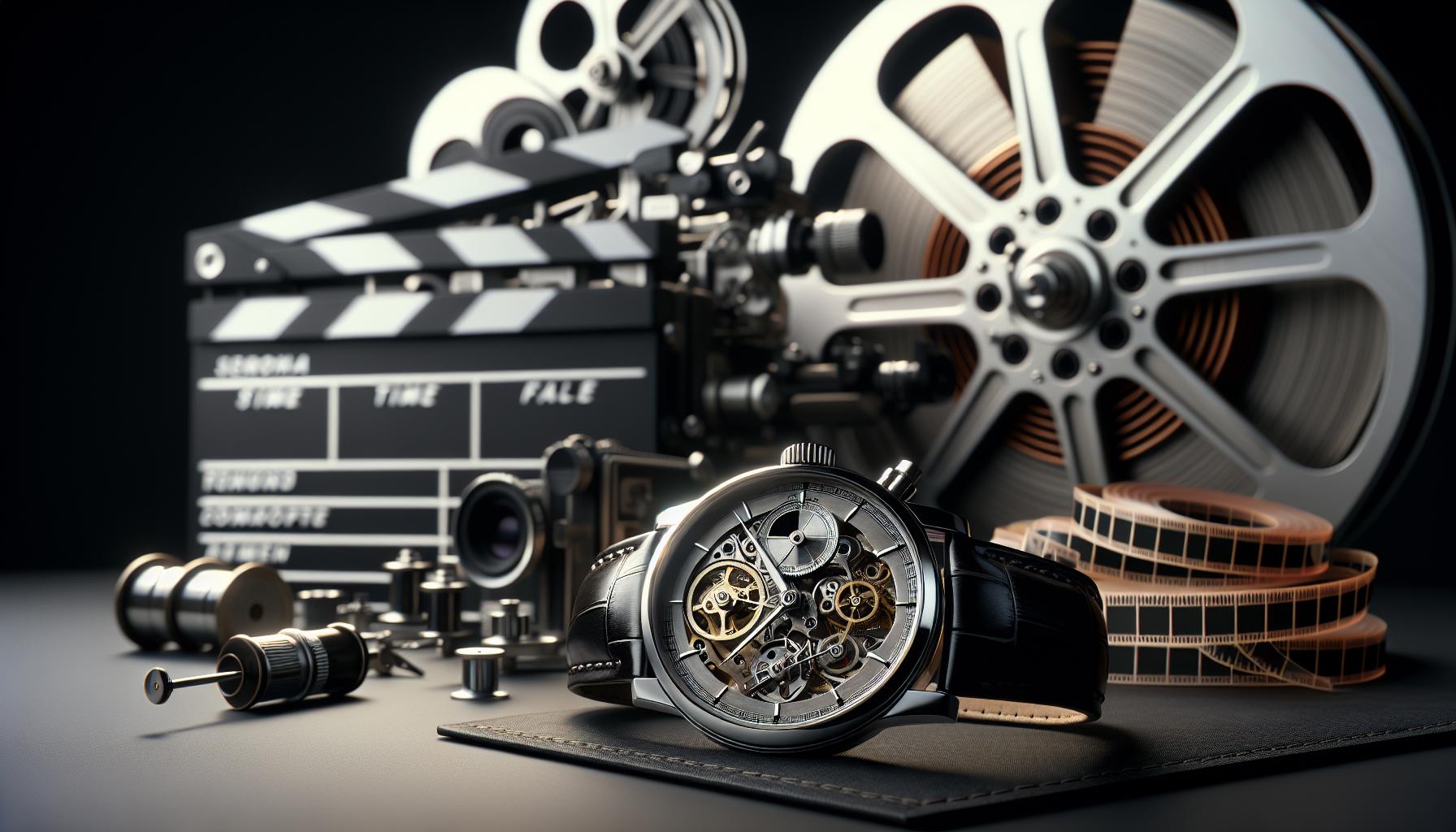
how Mortuary Collection Appeals to Both Horror Fans and Watch Enthusiasts
One of the most captivating aspects of *The Mortuary Collection* is how it concurrently captures the hearts of horror aficionados and watch enthusiasts by weaving time’s relentless march into its storytelling fabric. For horror fans, the film’s use of ticking clocks and vintage wristwatches adds a palpable tension, transforming the passing seconds into suspenseful narrative threads. meanwhile, watch lovers discover a nuanced tribute to horology that goes beyond mere props-here, watches echo the themes of fate and mortality through their mechanics and design, making the film a rare crossover gem.
The choice of mechanical timepieces rather than digital or quartz models is key. Watches with hand-wound calibers, such as those reminiscent of the ETA 2801 or unitas 6497, require user interaction and deliberate care, mimicking the ritualistic storytelling method of the character Montgomery. This engagement invites viewers-and potential collectors-to appreciate watches not just for telling time, but for their craftsmanship and narrative symbolism. It’s a clever nod that resonates deeply with enthusiasts who value the tactile experience and historical lineage of traditional watchmaking over flashy brands or high-tech gimmicks.
- Accessible Mechanical watches: The film spotlights watches and clocks featuring exposed movements, simple lever escapements, and pendulums, elements that appeal to collectors at all levels-from $200 vintage divers to decorative wall clocks under $500.
- Horror Tension Meets Horological Drama: Mechanical stopwatches in the film symbolize the countdown to destiny, a concept familiar to horror buffs, while watch mechanics underpin the story’s rhythm and mood, creating layered tension through every “tick-tock.”
- Universal Craftsmanship Appreciation: By eschewing luxury logo worship, *The Mortuary Collection* makes its horological references inviting-not intimidating-welcoming novice enthusiasts and seasoned collectors alike.
Why This Blend Works So Well
The film’s horological elements aren’t just aesthetic; they influence pacing, character, and atmosphere. Horror fans appreciate the palpable anxiety as time winds down-something mechanical watches naturally spur with their audible ticks and winding rituals.Watch enthusiasts find themselves drawn to the subtle technical details: the gear trains glimpsed through clock faces, the consistency of a manual wind’s power reserve, and the symbolism behind each movement’s design. This clever marriage of genres creates a space where one can admire a vintage wristwatch and the suspenseful ticking of a stopwatch both as art forms and essential storytelling devices.
For collectors exploring horror-themed timepieces,the movie highlights a range of realistic pieces to consider. Simple, robust manual-wind watches with reliable calibers like:
| Model | Movement Type | Price Range | Collector Appeal |
|---|---|---|---|
| Seagull 1963 | Mechanical hand-wind | $250-$400 | Vintage military style, accessible introduction |
| Hamilton Khaki Mechanical | ETA 2801 hand-wound | $500-$700 | American heritage, reliable and rugged |
| Stowa Antea KS | Manual-wind ETA 2801 | $700-$900 | Clean bauhaus design, high finishing quality |
These models embody the spirit of the film’s watches-timeless, meaningful, and crafted with genuine horological integrity, yet remaining attainable. They offer a perfect starting point for horror fans curious about mechanical timepieces, or for collectors fascinated by the thematic overlay of time and fate.
In essence, *The Mortuary Collection*’s horological storytelling appeals as it speaks both to our primal fear of time running out and to our admiration for the artistry behind keeping track of it. This duality makes the film an enriching watch experience, whether you’re captivated by gothic horror or the quietly mesmerizing tick of a well-made mechanical watch.
Iconic timepieces That Inspire Mortuary Collection’s Aesthetic
Time is a silent character in *The Mortuary Collection*,and its visual and thematic presence owes much to iconic timepieces that embody both elegance and eerie precision. The film’s aesthetic draws heavily from watches known for their mechanical soul and timeless design-watches that aren’t just instruments for telling hours and minutes, but storytellers in their own right. This layered inspiration reaches across decades, styles, and calibers, blending vintage charm with a haunting atmosphere.
Classic mechanical chronographs, notably those housing manual-wind calibers like the Swiss ETA 2801-2 or the vintage Unitas 6497, provide a meaningful visual and tactile influence. These movements are beloved for their straightforward but robust engineering: large,visible gears and balance wheels that rhythmically beat like a heartbeat in the quiet mortuary setting. Examples include the ubiquitous Hamilton Khaki Mechanical and the historically revered Seagull 1963. Their clean dials, often with luminous indices and hands, evoke a sense of both nostalgia and suspense.These models are not only affordable entry points for collectors but also perfectly capture the film’s tension between life, death, and the inexorable passage of time.
- hamilton Khaki Mechanical: Featuring the ETA 2801-2 caliber, this watch blends rugged vintage military aesthetics with refined Swiss mechanical engineering. Its 38mm case suits most wrists, and the tactile winding action invites the wearer into an intimate ritual of timekeeping, mirroring the film’s storytelling cadence. Priced between $500-$700, it’s a practical first step for newcomers.
- Seagull 1963: A cult favourite among mechanical enthusiasts,this Chinese-made chronograph with a hand-wound ST19 caliber offers a transparent case back showcasing its intricate movement. With a characteristic domed crystal and a vintage dial, it channels the era and thematic mood present in *The Mortuary collection*. It’s accessible around $250-$400.
- Stowa Antea KS: Representing bauhaus minimalism and high finishing standards, the Antea’s manual-wind ETA 2801 movement underlines purity of form and function. This watch’s clean, well-proportioned dial invites focus and contemplation-traits essential to appreciating the film’s atmosphere.Typically priced $700-$900.
Blending Vintage Visuals with horological Storytelling
The film also hints at the gothic allure found in mechanical pocket watches and pendulum clocks-timepieces whose exposed escapements and intricate lever escapements underscore both craftsmanship and mortality’s relentless forward march. These elements recall horological classics like the Lépine pocket watch style,which removes the protective case back to reveal the mechanics at work.Their presence in the film isn’t mere ornamentation; it’s a visual metaphor for life’s fragile mechanics and fate’s ticking hands.
Watches and clocks with such visible movements enrich the sensory atmosphere. The deliberate winding grips,the satisfying “click” of setting hands,and the perpetual oscillation of balance wheels become integral to the film’s mood,blending horology with horror. This intersection underlines a subtle truth: the beauty of mechanical timepieces lies in their vulnerability and impermanence-traits echoed in horror’s exploration of the temporal tension between life and death.
Practical Tips for Collectors Inspired by the Film
If you’re captivated by the film’s aesthetic and want to bring a piece of that horological atmosphere into your collection, here are a few approaches:
- Look for manual-wind watches with display case backs. This gives you a window into the movement’s “heartbeat,” similar to how the film showcases clockwork as part of its storytelling.
- Explore military or pilot-style models from the 1940s-1960s. Their clean dials and purposeful legibility resonate with the film’s minimalist yet suspenseful tone.
- consider vintage pocket watches or pocket-worn chronographs. While less common as daily wear, these pieces evoke the atmosphere of delicate craftsmanship and fleeting time.
Collecting watches inspired by *The mortuary Collection* doesn’t require breaking the bank or owning haute horlogerie. Instead, it’s about finding pieces that resonate emotionally, tell a story, and invite a tactile relationship between wearer and watch. Whether it’s an affordable Seagull 1963 or a high-end vintage Hamilton, what matters is the quiet wonder brought forward by each tick, the weighted silence between beats, and the timeless reminder that, in both watches and horror, every second counts.
The Role of Watch Mechanics in mortuary Collection’s Storytelling
Mechanical watch movements in *The mortuary Collection* act almost like living characters, their rhythmic ticking and whirring gears weaving tension and atmosphere.This film doesn’t just use watches as background props; it elevates their inner workings-the escapements,balance wheels,and mainsprings-to metaphors for fate,mortality,and the inexorable passage of time. The way these mechanical elements are visually and aurally highlighted draws viewers into a sensory experience where every “tick” mirrors a heartbeat, every winding click suggests an ominous ritual, and every visible gear rotation reveals the fragile machinery sustaining life itself.
This dynamic interplay between horology and horror is especially apparent with the manual-wind calibers showcased. Unlike automatic movements that self-wind with wrist motion, manual-wind watches require deliberate attention-turning the crown to tension the mainspring-mirroring the film’s narrative pace and the intimate relationship characters have with their fate. Watches like those featuring the Swiss ETA 2801-2 or the Chinese ST19 movement expose large, identifiable components through display case backs, letting audiences glimpse the ”engine room” beneath the dial. This clarity is crucial,reinforcing themes of vulnerability and exposure central to horror,while simultaneously satisfying watch lovers who appreciate visible craftsmanship.
- Mechanical Rhythm as Storytelling Device: the oscillating balance wheel works at around 18,000 to 21,600 beats per hour (BPH), a hypnotic motion paralleling suspenseful pacing. This mechanical pulse quietly counts down moments of dread or revelation.
- The Ritual of Winding: The tactile act of winding correlates with control and inevitability. Characters handling their watches engage in a symbolic gesture, underscored by the audible “click” and tactile resistance, reminding viewers of time’s fragile governance.
- Visible Escapements as Visual Metaphors: By drawing focus to components like the lever escapement and gear trains,the film emphasizes craftsmanship but also fragility-tiny,precise parts holding chaos and decay at bay until stopped.
For watch enthusiasts,the film’s use of these mechanical cues resonates profoundly. It bridges the gap between mechanical watchmaking as an art and the narrative’s haunting themes. The choice of simple hand-wound calibers-rather than complex automatics or quartz-grounds the film in horological authenticity and accessibility, inviting newcomers into a tactile, almost meditative appreciation of timepieces. More elaborate complications might distract,but these straightforward,robust movements echo the film’s stripped-back,eerie charm.
How Mechanics Drive Emotional Engagement
Because mechanical watches demand care-regular winding, servicing, and mindful handling-they naturally embody vulnerability and human connection. In *The Mortuary Collection*, the sound design often highlights the crown turning or the ticking movement, elevating mundane watch sounds into moments charged with dread or significance. For collectors, this underscores mechanical watches’ unique narrative power, contrasted with silence or digital neutrality found in quartz watches. Thus, the movement’s mechanics become a storytelling language itself-not just telling time, but telling life stories, foreshadowing decay, or marking inevitable change.
Practical Insight for Collectors: Embracing Movement and Meaning
If the film sparks your interest in watches as storytelling devices, consider starting with accessible manual-wind models that feature exhibition case backs, revealing the movement’s details right on your wrist. Brands like Hamilton, Stowa, and Seagull offer pieces that tie directly into this aesthetic and narrative depth:
| Model | Movement | Price Range | Notable Features |
|---|---|---|---|
| Hamilton Khaki Mechanical | ETA 2801-2 (manual wind) | $500 – $700 | Rugged military style, clear winding action, 38mm case |
| Seagull 1963 | ST19 Chronograph (manual wind) | $250 - $400 | Display back, vintage aesthetics, dome crystal |
| Stowa Antea KS | ETA 2801-2 (manual wind) | $700 – $900 | Bauhaus minimalism, refined finishing, legible dial |
These watches allow wearers to unwind the ”story” behind every tick while appreciating the pure mechanics harmonizing with *The Mortuary Collection*’s haunting mood. Investing in tactile watches that demand physical interaction creates a unique bond akin to the film’s emotional tension-timekeeping becomes personal, and every second matters.
In essence, the film’s integration of watch mechanics invites us to see more than just a tool for marking hours. It reveals watches as conduits of mood, metaphor, and mystery-oscillating timelessly between craftsmanship and mortality, grip and release, control and inevitability. This horological heartbeat pulses beneath the horror, enriching the narrative in ways no digital display could ever achieve.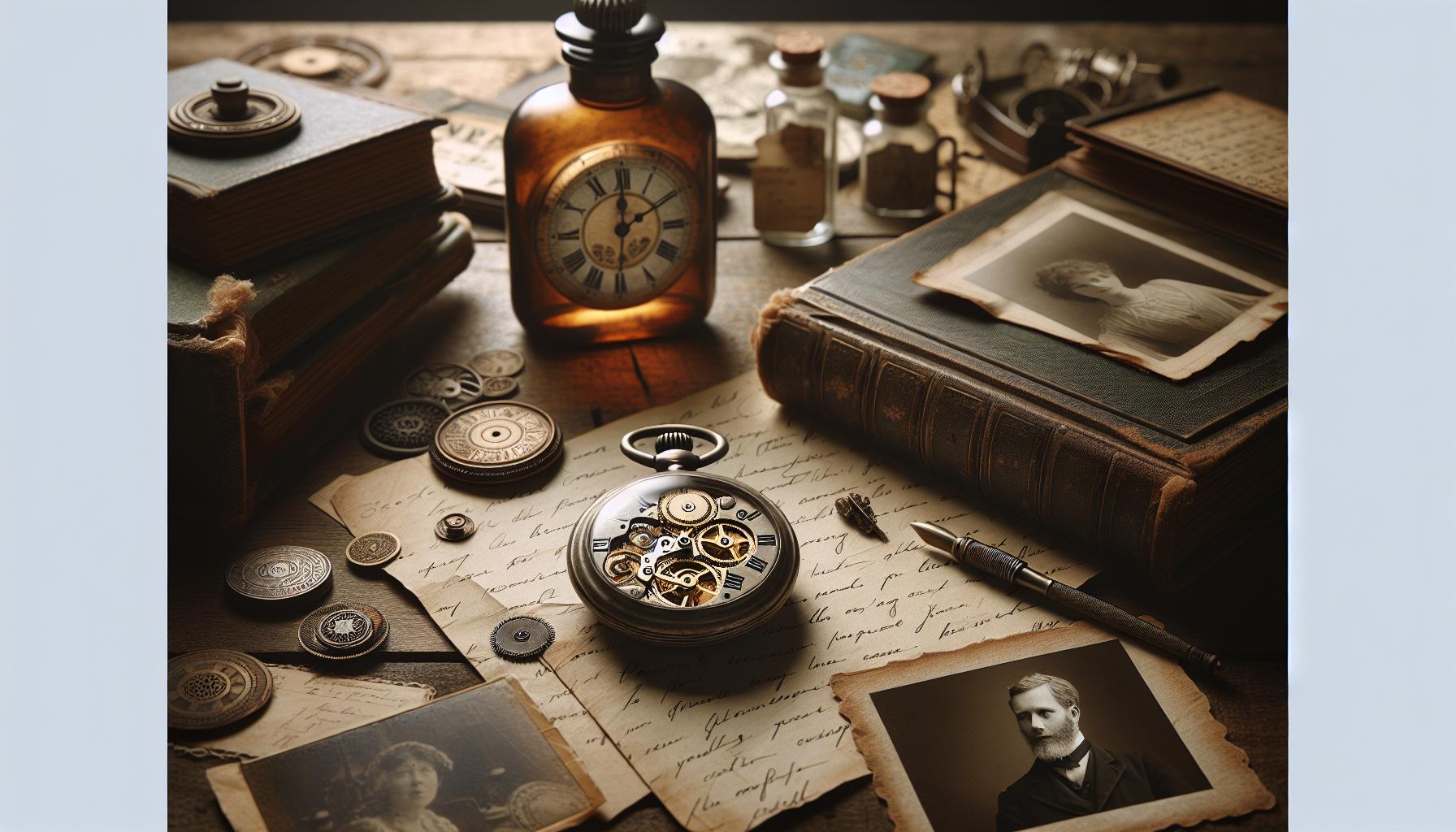
Comparing Mortuary Collection’s Watches to Real Collector Classics
Few things capture mystery and passage of time quite like a well-crafted mechanical watch - a fact that *The Mortuary Collection* exploits brilliantly,spotlighting manual-wind calibers as narrative and atmospheric anchors.When comparing the film’s featured timepieces to classic collector watches, there’s a fascinating convergence of storytelling simplicity and mechanical authenticity that resonates on multiple levels.
The watches showcased in the film primarily utilize straightforward,robust movements – like the Swiss ETA 2801-2 and the Chinese Seagull ST19. These manual-wind calibers, prized for their reliability and visible mechanics via exhibition case backs, evoke a tactile connection that echoes through *The Mortuary Collection*’s eerie themes. They stand in elegant contrast to more complex or digitally dominated timepieces, focusing instead on raw engineering and intimate interaction: winding a crown, listening to the rhythmic tick, witnessing exposed gears turn. This honest mechanical foundation may lack haute horlogerie’s extravagant complications,but it offers an accessible pathway for newcomers and a nostalgic touchstone for seasoned collectors.
the manual-wind simplicity featured aligns well with timeless classics like the Rolex Oyster Precision or vintage Omega Seamaster models. Both of these incorporate understated elegance paired with reliable hand-wound calibers, costing considerably more but sharing that same mechanical heartbeat visible in *The Mortuary Collection*. Their smoother finishes and reputable in-house movements often command higher premiums, reflecting heritage and resale strength.
On a more budget-kind note, watches like the Hamilton khaki Mechanical and Stowa Antea KS embody the same ethos - clear design, durable ETA 2801-2 movements, and exhibition backs to enjoy the kinetic dance beneath the dial. These models offer amazing value for collectors wanting a piece that feels as alive and integral as the filmed watches, trading sky-high auction prices for straightforward functionality and everyday wearability.
Why Simplicity Trumps Over-Complication Here
the film’s choice to spotlight manual-wind calibers isn’t just aesthetic-it’s thematic. Unlike automatics, which self-wind with motion, or quartz watches that hum electronically, manual-wind watches require deliberate, mindful engagement.This ritualistic winding mirrors the characters’ attempts to wrest control over fate amid unfolding horror. For collectors, this reinforces the emotional resonance behind watches as more than mere timekeepers.
| Watch Model | Movement Type | Price Range | Collector Appeal |
|---|---|---|---|
| Hamilton Khaki Mechanical | ETA 2801-2 (Manual Wind) | $500 - $700 | Reliable, accessible, military-inspired with display back |
| Seagull 1963 Chronograph | ST19 (Manual wind) | $250 – $400 | Vintage charm, affordable, exhibition case back |
| Rolex Oyster Precision | Manual Wind (Cal. 1210 or Similar) | $3,500 – $5,000 (Vint.) | Heritage, precision, strong collector interest |
| Stowa Antea KS | ETA 2801-2 (Manual Wind) | $700 – $900 | Minimalism, Bauhaus design, transparent case back |
These choices underscore that horological significance isn’t always measured in complications or price tags but in meaning and mechanical presence.
building Bridges Between Horror and Horology
For collectors, the film offers a subtle invitation to appreciate mechanical watches beyond status symbols – to regard them as living devices that tell stories through motion and sound. This aligns well with collecting philosophies valuing tactile engagement and craftsmanship over mere investment potential. Whether your passion leans toward a historical Rolex or an affordable Seagull, the key takeaway is that the visceral “heartbeat” of a mechanical movement enriches the narrative fabric *The Mortuary collection* weaves.
In that sense,even lower-priced,well-made watches become “classics” through their ability to evoke emotion,prompt deliberate interaction,and serve as metaphors for mortality - themes central to both the film and horological appreciation alike.So collectors inspired by the film can find deep satisfaction pairing it with a hand-wound movement watch that invites daily rituals and reflection, continuing the eerie dance of time beyond the screen.
Behind the Scenes: Crafting Watch-Inspired Horror Atmosphere
Every tick of a mechanical watch carries a story, and in *The mortuary Collection*, this narrative pulse transforms into an atmospheric beacon that haunts the film’s shadowy corridors. The deliberate use of manual-wind timepieces isn’t just a prop choice; it’s a carefully crafted element that lends authenticity and a tactile eeriness to the viewing experience. In the production’s quieter moments, the audible winding of crowns and rhythmic ‘tick-tock’ serve as more than background noise-they become a metronome for suspense, ticking down to inevitable doom. This subtle yet powerful integration required meticulous sound design and prop selection, aligning horological mechanics perfectly with horror storytelling.
Visual storytelling in the film hinges on close-ups and slow reveals of the watch’s inner workings. Exhibition case backs were crucial here, showcasing winding gears and oscillating balances to evoke a sense of life beneath a cold surface-mirroring characters’ fragile hold on fate. The artifact’s physicality demanded watches with mechanical calibers like the Swiss ETA 2801-2 and the Chinese Seagull ST19, models known for reliability and clear, animating movements. prop masters and costume designers collaborated to select watches that could endure repeated winding and filming, all while maintaining visual resonance with the film’s vintage and somber aesthetic. This practical selection process strikes a balance between horological authenticity and cinematic needs.
- Sound layering: The crew enhanced the raw sounds of winding crowns with carefully mixed mechanical clicks to intensify the suspense without overwhelming dialog.
- Lighting choices: Low-key lighting accentuated the gleam off polished gears and wrought metal cases, reinforcing the theme of time’s fleeting nature.
- Wearability considerations: Watches were chosen not only for their looks but for their comfort and robustness, allowing actors to perform naturally.
This immersive attention to horological detail offers collectors and watch enthusiasts a rare chance to see beloved mechanical principles made tangible within a storytelling framework. The film’s atmosphere reverberates with the intimate ritual of winding a manual watch-a practice familiar to horology fans but magically elevated here as a symbol of control, mortality, and tension.
Beyond mere props, the mechanical watches are quiet co-stars that interact with the eerie narrative, creating an experiential link between onscreen suspense and the physical engagement of winding and wearing a timepiece. This duality appeals broadly-film buffs appreciate the layered storytelling, while collectors revel in seeing mechanical artistry celebrated without pretense.For those inspired to replicate this vibe,starting with watches that have exhibition backs and audible winding feels essential. Models like the Hamilton Khaki mechanical or Stowa Antea KS, praised for their manual calibers and durability, make excellent daily companions that echo *The Mortuary Collection*’s atmospheric heartbeat.
This fusion of horology and horror showcases how thoughtful watch selection, sound design, and cinematography together craft a unique narrative texture-reminding us that time itself, measured in turns of a crown and clicks of gears, is often the creepiest tale of all.
Impact of Mortuary Collection on watch Culture and Horror Fandom
Few films have so deftly bridged the worlds of horological passion and horror fandom as *the Mortuary Collection*. Its subtle yet deliberate spotlight on mechanical timepieces has sparked a growing captivation among watch enthusiasts looking beyond the usual fantasy or sports genres where watches often feature. In this film, watches aren’t mere accessories; they become integral narrative devices that underscore themes of mortality, suspense, and the inexorable march of time-concepts that resonate deeply within both watch collecting and horror communities.
This crossover has had tangible influences in niche collector circles. Forums and social media groups dedicated to mechanical watches have reported increased interest in vintage manual-wind calibers like the ETA 2801-2 and Seagull ST19, the very movements spotlighted in the movie. These movements offer a tangible,rhythmic charm through their audible ticking and winding-a sensory experience that aligns perfectly with the film’s eerie ambiance. Enthusiasts have begun favoring watches with exhibition case-backs to better appreciate the visible, hypnotic dance of gears and escapements, echoing the film’s cinematic close-ups on watch mechanics.
- Broader appreciation for manual winding: In an age dominated by automatics and quartz, *The Mortuary Collection* rekindles love for the ritual of daily winding.Collectors note how this physical interaction adds emotional depth to watch ownership, paralleling the film’s themes of control and fate.
- Integration of sound design lessons: Some watch collectors and microbrands are experimenting with amplifying the winding crown’s tactile feedback and audible clicks to enhance user engagement.This nod to how the film uses sound to build tension shows how cinematic techniques can inspire watch design nuances.
- New flashpoints for horror-themed collecting: Inspired by the movie’s vintage aesthetic,collectors are now exploring watches that evoke gothic or macabre vibes-think deep black dials,oxidized metal cases,or blood-red accents-blurring genre lines to create unique personal collections.
The film’s success highlights a unique synergy: horror fans often appreciate story-driven artifacts, while watch aficionados savor craftsmanship and history. This duality has led to crossover events at conventions and online forums, where collectors discuss not just timepieces but the symbolic role of time itself in storytelling. It opens up fresh territory for collaborations between microbrand watchmakers and horror creatives, spawning limited editions that combine aesthetic creepiness with horological precision.
For newcomers wondering where to start, the film unwittingly serves as a guidepost. Watches like the Hamilton Khaki Mechanical (with its hand-wound caliber and rugged reliability) or the Stowa Antea KS (exemplifying Bauhaus design with a vintage flare) mirror the types of watches admired in *The Mortuary collection*. These models are accessible in price (~$400-$700) and deliver quality movements that echo the film’s tactile and visual themes. They demonstrate how the horror-watch intersection can be both affordable and meaningful-not just a realm for luxury or obscure collector-only pieces.
This cultural ripple also reminds us that watches are more than timekeeping machines-they are storytellers. When you wind a manual mechanical watch and hear the pleasing clicks and hum of gears, you’re experiencing a connection not just to craftsmanship but to an intangible human drama about the passage of time, life, and inevitable endings. *The Mortuary Collection* elevates this experience, making it a touchstone for enthusiasts eager to deepen their appreciation of mechanical watches while indulging their love for immersive horror narratives.
Tips for Collectors: Finding Horror-Themed and Unique Timepieces
the allure of watches that carry a dark, mysterious vibe is growing quickly, fueled in no small part by the cultural ripple of The Mortuary collection. If you’re drawn to timepieces that evoke horror motifs or unique, gothic aesthetics, you’re in excellent company. Finding a watch that blends horological craftsmanship with a macabre or eerie flair doesn’t mean you have to break the bank or dive into obscure brands-you just need to know where and how to look.
A great starting point is exploring watches with dial colors and materials that echo the film’s mood. Deep black or charcoal dials, often paired with oxidized steel or matte black cases, invoke that somber, haunting feel without sacrificing everyday wearability. Models like the Seiko “Black monster” or the microbrand Monta Skyquest feature bold black-on-black schemes that work perfectly for collectors who appreciate a stealthy, horror-inspired look without gimmicks. For aficionados of vintage style, look for aged patina on lume or case metal, especially brass or bronze, as these develop unique tones over time reminiscent of antique mortuary artifacts.
Movement Choices: Mechanical Watches with a Story
The heartbeat of any good horror-themed watch is frequently enough its movement. Manual winding mechanical calibers add that ritualistic feel-you wind, hear the tick, and become part of the watch’s life cycle, a subtle nod to The Mortuary Collection‘s tension-building sound design. Brands like Stowa (Antea KS with ETA 2801-2) and Hamilton (Khaki Mechanical with H-50 manual caliber) offer reliable hand-wound movements between $400-$700, brilliant for collectors getting serious about both thematic relevance and horological value.
If you’re after the horror-crosswatch synergy on a budget, consider watches powered by movements like the Seagull ST19-a Chinese hand-wound chronograph that’s surprisingly smooth and affordable (often $200-$300). It lets you enjoy visible mechanics and tactile winding, bringing you closer to the watch’s inner workings, much like the film’s cinematic emphasis on exposed escapements and gear trains.
Key features to Scout for When Hunting Horror-Infused Timepieces
- Exhibition Casebacks: Transparency is your friend. Look for sapphire or hardlex casebacks that display movement operation, gearing, and balance wheels in motion. this visual connection is where horror and horology blend meaningfully.
- Unique dial Textures and Colors: Matte or textured dials, rusty red accents (mimicking blood tones), or distressed finishes amplify thematic vibes without appearing costume-like.
- sound and Tactility: Watches with audible winding clicks and pronounced crown actions can elevate the user experience, echoing the suspenseful soundscapes found in the film.
- Limited Editions and Collaborations: Monitor microbrands or independent watchmakers who team up with horror artists. These often bring fresh designs with well-made movements and storytelling depth.
A simple table of recommended models to explore might look like this:
| Model | Movement Type | Price Range | Horror-Themed Element |
|---|---|---|---|
| Stowa Antea KS | Manual Winding ETA 2801-2 | $450-$600 | Bauhaus minimalism with vintage aura |
| Hamilton Khaki Mechanical | Manual Winding H-50 | $500-$700 | Rugged, vintage-inspired field watch |
| Seiko “Black Monster” SRPD25 | Automatic 4R36 | $350-$450 | all-black stealth design with bold presence |
| Seagull ST19 Chronograph | Manual Winding ST19 | $200-$300 | Exposed chrono mechanics with vintage roots |
| Monta Skyquest | automatic Sellita SW200 | $1,200-$1,400 | Modern black dial, high polish finish |
When sourcing these pieces, online forums, watch shows, and platforms like eBay or dedicated microbrand shops are treasure troves. look carefully for originality and avoid overly customized watches that sacrifice build quality for shock value-true horror-themed watches impress by subtle craftsmanship and story-telling, never mere gimmickry.
Whether you’re a seasoned collector or a newcomer craving a timepiece with a little darkness in its DNA, remember that the best horror-inspired watches are those that resonate personally. They invite you to wind their crown, listen to their tick, and feel connected not just to time, but to an atmosphere, a narrative, a shared human fascination with the mysterious and unknown. This journey from the screen to your wrist is both magical and mechanical-exactly the kind of experience The Mortuary collection both celebrates and inspires.
Faq
Q: How does “Watch the Mortuary Collection” incorporate watchmaking symbolism beyond its horror themes?
A: Watch the Mortuary Collection cleverly weaves watchmaking symbolism into its narrative through motifs like time manipulation and mechanical precision,reflecting horological concepts such as complications and caliber design. This enriches the horror experience while appealing to watch enthusiasts interested in symbolic storytelling.Explore more in the Horological References section of the article.
Q: What unique watch brands or models inspired the aesthetics in “Watch the Mortuary Collection”?
A: The film draws inspiration from iconic timepieces like the Rolex Submariner for its rugged edges and the vintage Omega Seamaster for classic design cues, blending these elements to create a distinctive horror-themed watch vibe. These influences are detailed further in the Iconic Timepieces That Inspire Mortuary collection’s Aesthetic section.
Q: Why is mechanical watch craftsmanship important to the storytelling in “Watch the Mortuary Collection”?
A: Mechanical watch craftsmanship symbolizes precision and inevitability, reinforcing the film’s themes of fate and horror. The use of in-house mechanical movements and watch complications parallels the plot’s intricacy, enhancing narrative depth. For technical insights, see the Role of watch Mechanics analysis in the article.
Q: How can collectors find authentic horror-themed watches similar to those featured in “Watch the Mortuary Collection”?
A: Collectors should search for limited editions or collaborations from brands known for storytelling watches, like Seiko’s horror-inspired pieces or custom horological art. Focus on models with thematic dials or unique complications. Check our Tips for Collectors section for sourcing advice and authentication tips.
Q: What makes ”Watch the Mortuary Collection” stand out from other horror films that use watches as motifs?
A: Unlike typical horror films, The Mortuary Collection integrates detailed horological knowledge into its narrative and visual design, offering layered storytelling for both horror fans and watch aficionados. it balances mechanical authenticity with chilling thematic elements.More on this dual appeal is in How Mortuary Collection Appeals to Both Horror Fans and Watch Enthusiasts.
Q: How do watch complications featured in “Watch the Mortuary Collection” enhance the film’s atmosphere?
A: Watch complications like minute repeaters and moonphases add auditory and visual tension, mirroring suspense elements in the story. These mechanical intricacies deepen immersion and highlight time’s eerie passage central to the film’s horror tone.
Q: Where can I learn more about the impact of “Watch the Mortuary Collection” on watch culture?
A: The film has sparked interest in horological horror subcultures,inspiring collectors and creators alike. It bridges watch collecting with horror fandom, influencing design trends and community discussions. Visit the Impact of Mortuary Collection on Watch Culture and Horror Fandom for a detailed exploration.
A: Watching during evening hours enhances the film’s suspense, letting viewers focus on subtle watch-related visuals and mechanical sound cues. Pausing to observe details like movement types or dial designs can deepen appreciation, recommended for watch enthusiasts aiming to catch every nod to horology.
—
explore these FAQs to deepen your understanding and enjoy the blend of horror and horology in Watch the Mortuary Collection. For comprehensive insights, refer to related article sections and keep discovering unique timepieces inspired by this cult classic.
future outlook
Delving into the Mortuary Collection reveals a unique blend of horological craftsmanship inspired by horror aesthetics, featuring robust automatic movements and thoughtfully integrated complications that appeal to both dedicated collectors and newcomers alike. whether you’re drawn to the detailed in-house calibers or the compelling story behind each piece, these watches combine value, craftsmanship, and a daring design in one collectible package.
Ready to explore more? Discover our deep-dive reviews on vintage horror-themed timepieces and modern mechanical curiosities linked here, designed to guide your purchase decisions with clarity on pricing, wearability, and resale potential. Don’t miss signing up for our newsletter to stay updated on exclusive releases and expert insights that bridge haute horlogerie and accessible classics-crafted for enthusiasts who celebrate every level of watchmaking artistry. Share your thoughts below or ask any lingering questions; your community awaits, ready to dive into the next chapter of horological fascination.
Get our latest guides, news, and insights highlighted in your Google Search & AI Overviews.


