No Batteries Required: Do Mechanical Watches Need Batteries?
Welcome to the world of mechanical watches, where time ticks away without any reliance on batteries. In this article, we delve into the fascinating realm of timekeeping that operates solely on mechanical precision. You might wonder, do these remarkable timepieces ever need batteries to function? Join us as we uncover the inner workings, debunk myths, and unveil the secret behind this timeless craftsmanship. Buckle up as we embark on a journey through the gears and springs, in search of the answer to the burning question: “Are batteries truly required for mechanical watches
Contents
- – The Mechanics Behind Mechanical Watches: An Intricate Balance of Springs and Gears
- – The Significance of Swiss Made: Unraveling the Prestige of Mechanical Watch Movements
- – Understanding Automatic Movements: The Power of Wrist Motion
- – The Perpetual Punch: Exploring the World of Self-Winding Watches
- – The Beauty of Hand-Winding: The Nostalgia and Craftsmanship of Manual Mechanical Watches
- – The Tricky Trend of Quartz: How Mechanical Watches Triumph Over Battery-Powered Rivals
- – The Longevity Factor: Why Mechanical Watches Can Last for Generations
- – The Importance of Maintenance: Caring for Your Mechanical Watch the Right Way
- – The Price Tag Predicament: Are Mechanical Watches Worth the Investment?
- – Making the Right Choice: How to Select the Perfect Mechanical Watch for Your Style and Budget
- To Conclude
– The Mechanics Behind Mechanical Watches: An Intricate Balance of Springs and Gears
When it comes to timekeeping, mechanical watches have been a timeless choice for centuries. These intricate timepieces are driven by an intricate balance of springs and gears, making them a fascinating marvel of engineering. But one question that often pops up is – do mechanical watches need batteries?
The answer is no – mechanical watches do not require batteries to function. Unlike quartz watches, which rely on a battery to power the movement, mechanical watches are powered by a mechanical mechanism. This mechanism consists of a mainspring, gears, and an escapement, which work together to regulate the movement of the watch.
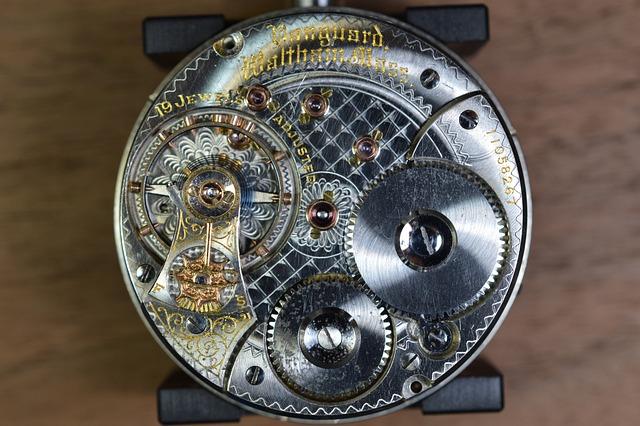
The mainspring, a coiled strip of metal, is the heart of the watch. It is wound manually or automatically through the movement of the wearer’s wrist. As the mainspring unwinds, it releases energy that is transferred through the gears, making the hands of the watch move. The escapement, a crucial component, helps regulate the release of energy from the mainspring, ensuring precise timekeeping.
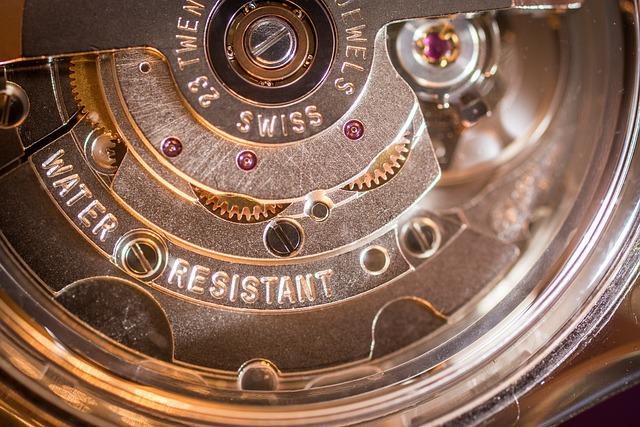
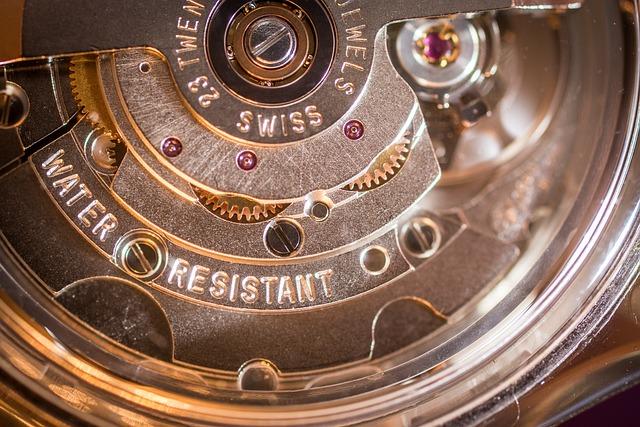
Overall, mechanical watches are a testament to the artistry and craftsmanship of watchmaking. They offer a unique experience, as their intricate movements can be seen through a transparent caseback. So, if you’re looking for a timepiece that doesn’t rely on batteries and showcases the marvels of mechanical engineering, a mechanical watch is the perfect choice.

– The Significance of Swiss Made: Unraveling the Prestige of Mechanical Watch Movements
One of the most fascinating aspects of mechanical watches is their ability to function without the use of batteries. Unlike their quartz counterparts, mechanical watches are powered entirely by a complex system of gears, springs, and levers. This mechanical movement is not only a marvel of engineering but also adds a sense of prestige and exclusivity to these timepieces.
The absence of batteries in mechanical watches is both a practical and aesthetic choice. Without the need for a battery, mechanical watches do not require regular battery changes or replacements, eliminating the hassle and expense associated with quartz watches. Instead, mechanical watches are powered by the wearer’s movements, as tiny springs called mainsprings store energy when they are wound manually or automatically through the natural motion of the wrist.
The craftsmanship and precision required to create mechanical movements are truly remarkable. Each movement is meticulously assembled by skilled watchmakers, who hand-adjust and fine-tune every component to ensure accuracy and reliability. This painstaking process not only guarantees exceptional timekeeping but also showcases the dedication and artistry of Swiss watchmakers, who have long been renowned for their mastery in mechanical watchmaking.
In addition to practical considerations, the absence of batteries in mechanical watches also contributes to their aura of luxury. Mechanical movements are often crafted with intricate designs, such as the highly coveted skeletonized movements that expose the inner workings of the watch. These exquisite details are not only visually captivating but also serve as a testament to the level of craftsmanship and precision that goes into the creation of each mechanical watch.

– Understanding Automatic Movements: The Power of Wrist Motion
Automatic movements, also known as self-winding movements, are a fascinating feature of mechanical watches. Unlike their quartz counterparts that rely on batteries for power, mechanical watches with automatic movements harness the power of wrist motion to keep ticking. This means that, with an automatic watch, you never have to worry about replacing batteries.
So, how exactly does it work? Inside the watch, there is a rotor that moves freely with the motion of your wrist. This rotor is connected to the mainspring, which stores mechanical energy. As you move your wrist throughout the day, the rotor spins, winding the mainspring and storing energy. This energy is then transferred to the watch’s gears and escapement, which regulate the movement of the hands.
The beauty of automatic movements lies in their ability to generate power simply through daily wear. The more active you are, the more your watch is powered. An automatic watch can typically store enough energy to keep running for about 36 to 48 hours without being worn. However, if the watch is left unworn for an extended period, it may stop and require winding or shaking to restart.
It’s important to note that not all mechanical watches have automatic movements. Some mechanical watches need to be manually wound using the crown, while others utilize automatic movements. Automatic movements offer the convenience of never having to worry about battery replacements and provide a connection between the watch and its wearer through the power of wrist motion.
– The Perpetual Punch: Exploring the World of Self-Winding Watches
Self-winding watches, also known as automatic watches, are a fascinating marvel of engineering that harkens back to a time before batteries became commonplace in timekeeping. Unlike their quartz counterparts, which rely on batteries to power their movements, self-winding watches harness the natural motion of the wearer’s arm to keep them ticking.
Inside these intricate timepieces lies a mechanism called a rotor, which is connected to the watch’s mainspring. As the wearer goes about their daily activities, the rotor swings back and forth, effectively winding the mainspring and storing energy. This stored energy is then used to power the watch, eliminating the need for batteries.
One of the advantages of self-winding watches is their perpetual nature. They can keep running as long as they are worn regularly, without the need for manual winding or battery replacements. This makes them not only convenient but also eco-friendly, as they have a significantly reduced carbon footprint compared to battery-powered watches.
It’s worth noting that self-winding watches do have their limitations. If left unworn for an extended period, they may lose their power reserve and stop. However, modern advancements have addressed this issue by introducing power reserve indicators, which let the wearer know when it’s time for a quick shake to replenish the energy bank.
In conclusion, mechanical watches, including self-winding timepieces, do not require batteries. They operate on the principle of kinetic energy and the natural movement of the wearer. So, if you’re looking for a watch that is both timeless and self-sufficient, a self-winding watch might just be the perfect choice for you.
– The Beauty of Hand-Winding: The Nostalgia and Craftsmanship of Manual Mechanical Watches
Hand-winding mechanical watches, also known as manual mechanical watches, are a true testament to the beauty of nostalgia and craftsmanship. Unlike their battery-powered counterparts, these timepieces do not require external power sources to keep them ticking. Instead, they rely on the intricate and precise movements of tiny gears and springs to keep time with utmost accuracy and elegance.
One of the most captivating aspects of hand-winding watches is the intimate connection they develop with their wearers. As you manually wind the watch each day, you become an active participant in its functioning, forging a personal bond with the piece itself. This ritual of winding not only infuses a sense of nostalgia into each moment but also highlights the craftsmanship involved in creating these impeccable timekeeping devices.
Furthermore, hand-winding watches embody a level of precision and attention to detail that is unparalleled. The intricate design and intricate movements within the watch’s mechanism are a testament to the expertise of skilled artisans. Each component is carefully calibrated and aligned to ensure optimal performance and longevity. This level of craftsmanship allows manual mechanical watches to stand the test of time, both functionally and aesthetically.
In a world dominated by technology and ever-changing trends, the appeal of hand-winding watches lies in their ability to transcend time. These timepieces invite us to slow down, appreciate the artistry involved, and reconnect with the beauty of simplicity. Whether you are a watch enthusiast or simply drawn to the allure of tradition and craftsmanship, a hand-winding watch is undoubtedly a timeless piece that embodies the art of horology.
– The Tricky Trend of Quartz: How Mechanical Watches Triumph Over Battery-Powered Rivals
Quartz watches have certainly become a popular choice in the modern era, thanks to their accuracy and sleek design. However, when it comes to longevity and craftsmanship, mechanical watches continue to triumph over their battery-powered rivals. These exquisite timepieces don’t require batteries to operate, relying instead on a complex system of gears, springs, and oscillators.
One of the main advantages of mechanical watches is their ability to perpetually self-wind. With a mechanical movement, the natural motion of the wearer’s wrist activates the winding mechanism, ensuring a continuous power supply. This means you never have to worry about replacing batteries or searching for a charging outlet. It’s a timeless convenience that keeps you connected to your watch at all times.
Another key factor that sets mechanical watches apart is their intricate craftsmanship. Master watchmakers spend countless hours meticulously assembling and fine-tuning each component, from the balance wheel to the escapement. This attention to detail results in a timepiece that exudes precision and artistry. Each mechanical watch becomes a testament to the skill and dedication of the watchmaker, elevating it beyond a mere timekeeping device.
Besides their technical superiority, mechanical watches also offer a wide variety of design options. From minimalist dress watches to intricate complications, there is a mechanical watch to suit every style and taste. Whether you appreciate the craftsmanship of a skeleton dial or the elegance of a moon phase display, mechanical watches offer a level of personalization that battery-powered watches simply can’t match.
– The Longevity Factor: Why Mechanical Watches Can Last for Generations
Mechanical watches are a testament to the craftsmanship and ingenuity of watchmakers. Unlike their battery-powered counterparts, mechanical watches rely on a complex series of gears and springs to keep time ticking away. One of the most intriguing aspects of mechanical watches is that they don’t require batteries to operate, making them truly timeless in more ways than one.
The secret behind the longevity of mechanical watches lies in their intricate design and high-quality materials. Crafted with precision, these watches are built to stand the test of time, often lasting for generations. The absence of batteries means that mechanical watches don’t rely on external sources of power, making them more reliable and less prone to abrupt failures.
But how do mechanical watches keep themselves running without batteries? The answer lies in a small, rotating metal weight known as the rotor. This rotor is connected to the watch’s mainspring, a wound-up coil that stores energy. As you move your wrist throughout the day, the rotor spins, winding the mainspring and storing energy. This stored energy is then gradually released, powering the movement of the watch’s hands.
In addition to their durability, mechanical watches also offer a sense of craftsmanship and tradition that battery-powered watches simply can’t match. The intricate inner workings of a mechanical watch are often showcased through an exhibition caseback, allowing you to admire the precision and artistry that goes into its creation. Each mechanical watch is a unique masterpiece that combines form and function, making it a true heirloom piece to pass down through generations.
So, if you’re looking for a watch that not only tells time but also holds sentimental value and lasts for years to come, a mechanical watch is the perfect choice. With no batteries to worry about and a rich history of craftsmanship, these watches offer more than just a practical timekeeping device – they become a piece of your story that can be cherished and passed down for generations to come.
– The Importance of Maintenance: Caring for Your Mechanical Watch the Right Way
One of the most intriguing aspects of mechanical watches is their ability to operate without the need for batteries. Unlike their quartz counterparts, mechanical watches rely solely on a series of intricate gears, springs, and other mechanical components to keep time. This unique characteristic not only adds to their charm but also requires a different approach when it comes to maintenance and care.
To ensure the longevity and accuracy of your mechanical watch, regular maintenance is key. While batteries may not be necessary, routine servicing is essential to keep your timepiece in optimal condition. Just like any finely tuned machine, mechanical watches require periodic cleaning, lubrication, and adjustments to keep them running smoothly.
When it comes to caring for your mechanical watch, here are some important guidelines to follow:
1. Winding the watch: Mechanical watches must be manually wound to keep them running. This process involves turning the crown in a clockwise direction until you feel resistance. Depending on the movement, you may need to wind your watch daily or once every few days. Overwinding can damage the watch, so it’s important to be gentle and follow the manufacturer’s recommendations.
2. Avoid magnetism: Magnetic fields can disrupt the delicate balance of a mechanical watch’s movement, causing it to run inaccurately. To prevent this, it’s advisable to keep your watch away from strong magnetic sources such as speakers, laptops, or magnetic fasteners.
3. Store it properly: When you’re not wearing your mechanical watch, it’s essential to store it in a safe place. Ideally, use a watch box or individual watch pouch to protect it from dust, moisture, and potential damage. Additionally, keeping your watch away from extreme temperature fluctuations can help maintain its accuracy and longevity.
4. Regular servicing: To ensure the proper functioning of your mechanical watch, it’s recommended to have it serviced by a professional watchmaker every 3 to 5 years. During servicing, the watch will be cleaned, parts will be inspected and replaced if necessary, and the movement will be adjusted to ensure accuracy.
By following these maintenance tips and giving your mechanical watch the care it deserves, you can enjoy its timeless beauty and precision for years to come. Remember, while batteries may not be required, the right care and maintenance are essential to keep your mechanical watch ticking.
– The Price Tag Predicament: Are Mechanical Watches Worth the Investment?
When it comes to watches, mechanical timepieces offer a unique blend of craftsmanship, tradition, and lasting value. Unlike their quartz counterparts, mechanical watches rely on intricate mechanisms and springs to keep time. This means you won’t need to worry about replacing batteries, as mechanical watches are powered by your own movements.
The self-winding nature of mechanical watches means that they are powered by the kinetic energy generated from your everyday activities. Each time you wear a mechanical watch, the movement of your wrist winds the mainspring, which in turn powers the watch. This not only eliminates the need for batteries but also creates a more sustainable and eco-friendly timepiece.
One of the benefits of mechanical watches is their longevity. With proper care and maintenance, a well-crafted mechanical watch can last for generations. This durability and timeless appeal make mechanical watches a true investment piece. Unlike trendy fashion watches that can quickly lose their appeal, a mechanical watch retains its value and can even appreciate over time.
Another advantage of mechanical watches is their exceptional craftsmanship. Many luxury watch brands employ master watchmakers who meticulously assemble each component by hand. These timepieces often feature intricate complications, such as chronographs, moon phases, or perpetual calendars, which add to their desirability. Owning a mechanical watch is like owning a piece of fine art on your wrist.
In conclusion, mechanical watches are worth the investment due to their self-winding mechanism, long-lasting durability, and exceptional craftsmanship. With no batteries required and a timeless appeal, these timepieces offer a unique blend of functionality and artistry. Whether you’re a watch enthusiast or simply appreciate the finer things in life, a mechanical watch is a valuable addition to any collection.
– Making the Right Choice: How to Select the Perfect Mechanical Watch for Your Style and Budget
Mechanical watches have been around for centuries and are known for their timeless elegance and craftsmanship. One of the key features that sets them apart from their digital counterparts is that they do not require batteries to function. Instead, mechanical watches rely on a complex system of gears and springs that work together to keep time.
Unlike quartz watches that use a battery to power the movement, mechanical watches are powered by the natural motion of the wearer’s arm. As the wrist moves, a rotor inside the watch winds a mainspring, which stores potential energy. This stored energy is then released slowly and evenly, powering the watch’s movement and keeping time with impressive accuracy.
The lack of batteries not only adds to the charm and authenticity of mechanical watches but also eliminates the need for frequent battery replacements. This makes them more cost-effective in the long run, as well as environmentally friendly.
Moreover, mechanical watches come in a variety of styles to suit every individual’s taste and budget. Whether you prefer a classic, vintage-inspired design or a modern and minimalist aesthetic, there is a mechanical watch out there for you. Additionally, many luxury watch brands offer a range of price points, making it possible to find a mechanical watch that fits your budget without compromising on quality.
In conclusion, if you appreciate the artistry and history of timekeeping and want a timepiece that exudes style and sophistication, a mechanical watch is a perfect choice. With their intricate movements and timeless design, these watches do not require batteries to function, making them a cost-effective and environmentally friendly option. So, go ahead and indulge in the luxury of a mechanical watch that reflects your personal style and aligns with your budget.
To Conclude
In conclusion, mechanical watches are indeed the epitome of timeless elegance and meticulous craftsmanship. Unlike their electronic counterparts, they do not require batteries to function. By harnessing energy from the natural movement of your wrist, these remarkable timepieces keep ticking for generations to come.
Key Takeaways:
1. Mechanical watches are powered by the mechanical movement of their internal components, eliminating the need for batteries.
2. The intricate design and craftsmanship of mechanical watches allow for exceptional accuracy and durability.
3. Wearing a mechanical watch regularly ensures that it remains fully wound and keeps accurate time.
4. Regular servicing and maintenance are essential to keep a mechanical watch in optimal condition.
5. Mechanical watches are more than just timekeeping devices – they are cherished heirlooms and symbols of sophistication.
So, whether you are a watch enthusiast, a fashion aficionado, or simply someone who appreciates a touch of tradition, consider investing in a mechanical watch. With no batteries required, it offers a lifetime of precision and style that will stand the test of time.
Get our latest guides, news, and insights highlighted in your Google Search & AI Overviews.