Precision Unveiled: Are Mechanical Watches Accurate?
Have you ever wondered about the precise workings of mechanical watches? In a world filled with hyper-accurate digital timepieces, mechanical watches continue to captivate with their intricate craftsmanship. Join us as we delve into the realm of horological precision and unravel the question that lies at the heart of timekeeping enthusiasts: Are mechanical watches accurate? Brace yourself for an enlightening exploration into the inner workings of these timeless marvels, where precision takes center stage and tradition meets modernity.
Contents
- Mechanical Watches: Precision Unveiled
- The intricacies of mechanical timekeeping
- Exploring the factors that affect accuracy in mechanical watches
- Calibrating mechanical watches: Tips for enhancing accuracy
- Tips for Enhancing Accuracy in Calibrating Mechanical Watches
- Investing in accuracy: How to select a reliable mechanical watch
- Setting expectations right: Balancing accuracy and tradition in mechanical timepieces
- Fine-tuning timekeepers: The art of regulating mechanical watches
- Mastering mechanical accuracy: A guide to maintaining and adjusting your watch
- In Retrospect
Mechanical Watches: Precision Unveiled
Mechanical watches have long been hailed as masterpieces of precision engineering, captivating enthusiasts with their intricate mechanics and timeless charm. But the question remains: are these mechanical marvels truly accurate timekeepers? The answer lies within the intricate workings of these timepieces.
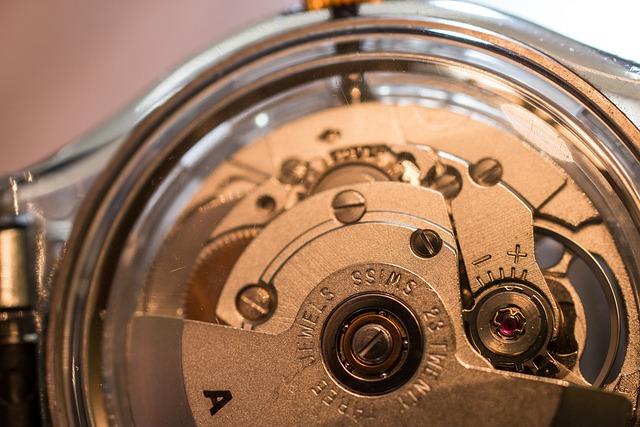
Unlike their quartz counterparts, which rely on a battery-powered oscillator, mechanical watches use a series of gears, springs, and levers to measure time. The heart of a mechanical watch is its escapement mechanism, which controls the release and flow of energy from the mainspring, regulating the movement of the watch’s hands.
One of the main factors affecting the accuracy of a mechanical watch is its frequency. Most mechanical watches beat at a frequency of 28,800 vibrations per hour, while some high-end models can reach frequencies of up to 36,000 vibrations per hour. This higher frequency allows for greater precision in timekeeping, as the movement of the watch’s hands becomes smoother and more consistent.
In addition to frequency, the quality and craftsmanship of the watch’s components also play a significant role in its accuracy. From carefully balanced balances and delicate hairsprings to meticulously finished gears and perfectly aligned pivots, every aspect of a mechanical watch is designed to reduce friction and ensure precise timekeeping.
It’s worth noting that even the most accurate mechanical watches can experience slight variations in timekeeping due to external factors such as temperature, magnetism, and even the wearer’s daily activities. However, modern advancements in horology, such as anti-magnetic materials and temperature-compensating balances, have significantly improved the overall accuracy of mechanical watches.
While mechanical watches may not rival the pinpoint accuracy of their quartz counterparts, their allure lies in the artistry and craftsmanship that goes into creating these intricate timepieces. Whether you value the tradition, precision, or elegance they embody, mechanical watches remain a stunning testament to the mastery of watchmaking. So, if you seek a watch that not only tells time but also tells a story, a mechanical watch is sure to leave a lasting impression.

The intricacies of mechanical timekeeping
Mechanical watches have long been revered for their intricate craftsmanship and the precision with which they measure time. Unlike their electronic counterparts, which rely on batteries and quartz crystals, mechanical watches operate purely through mechanical movements, making them a truly timeless piece of engineering.
At the heart of a mechanical watch lies a complex system of gears, springs, and levers, all meticulously designed to keep time accurately. The key component in this system is the balance wheel, which oscillates back and forth at a specific frequency, regulated by a hairspring. This harmonic motion acts like a metronome, ensuring that the watch maintains a consistent rate of timekeeping.
However, despite their superb craftsmanship, mechanical watches are not immune to slight variations in accuracy. Factors such as temperature, position, and gravitational forces can affect their performance. To compensate for these deviations, watchmakers employ various techniques, such as adjusting the length of the hairspring or incorporating additional complications like tourbillons, which counteract the effects of gravity.
In terms of accuracy, mechanical watches typically fall within a range of -10 to +30 seconds per day. Although this may seem relatively imprecise compared to electronic timekeeping devices, it is important to remember that the appeal of mechanical watches lies not solely in their accuracy but also in their artistry and intricate mechanisms. Each timepiece is a handmade work of art, with the skill of the watchmaker evident in every minuscule detail.
In conclusion, while mechanical watches may not rival the precision of their electronic counterparts, they offer something far more valuable: a tangible connection to the past and a testament to human ingenuity. continue to captivate watch enthusiasts and collectors alike, reminding us of the wonders that can be achieved through skill, artistry, and a keen understanding of the laws of horology.
Exploring the factors that affect accuracy in mechanical watches
When it comes to precision timekeeping, mechanical watches have long been admired for their craftsmanship and artistry. However, many have questioned the accuracy of these timepieces compared to their electronic counterparts. In this post, we will delve into the factors that affect accuracy in mechanical watches, shedding light on the intricate mechanisms that contribute to their timekeeping abilities.
Movement Type: The type of movement used in a mechanical watch plays a crucial role in its accuracy. There are two main types: manual and automatic. Manual movements are powered by winding the watch daily, while automatic movements are self-winding, utilizing the natural motion of the wearer’s wrist. Both movement types can offer impressive accuracy, but automatic movements have the advantage of constantly winding, leading to more consistent timekeeping.
Regulation: Another factor that affects accuracy is the regulation of the watch. This involves adjusting the balance spring, also known as the hairspring, to ensure that the watch beats at a consistent rate. Skilled watchmakers meticulously regulate mechanical watches to minimize any discrepancies in timekeeping. It’s worth noting that even the most accurately regulated mechanical watches will still have some margin for error, albeit usually within acceptable limits.
Temperature: Mechanical watches can be sensitive to temperature variations, which can impact their accuracy. Extreme hot or cold temperatures can cause the lubricants inside the watch to contract or expand, affecting the movement’s performance. Some high-end mechanical watches are equipped with temperature-compensating mechanisms to counter these fluctuations and maintain accurate timekeeping.
- Wear and Tear: Over time, the components of a mechanical watch may experience wear and tear, leading to potential inaccuracies. Regular servicing is essential to address any issues, as watchmakers can clean, lubricate, and inspect the watch for worn-out parts. By ensuring that the watch is in optimal condition, accuracy can be maintained over the years.
In conclusion, while mechanical watches may not rival the quartz watches in terms of absolute accuracy, the precision and beauty they offer continue to captivate watch enthusiasts worldwide. The factors that affect accuracy, such as movement type, regulation, temperature, and wear and tear, can be mitigated through proper maintenance and care. Ultimately, the allure of a mechanical watch lies not only in its ability to keep time but also in the masterful craftsmanship and attention to detail that goes into its creation.
Calibrating mechanical watches: Tips for enhancing accuracy
Tips for Enhancing Accuracy in Calibrating Mechanical Watches
Mechanical watches are a true marvel of engineering and craftsmanship, bringing a touch of elegance and timeless beauty to anyone’s wrist. However, ensuring their accuracy requires regular calibration and adjustment. In this article, we will unveil some valuable tips to enhance the precision of your mechanical timepieces.
1. Consistent Winding
One key factor in achieving accurate timekeeping is maintaining a consistent winding routine. Whether you have an automatic or manual-wind watch, be sure to wind it at the same time every day to keep the mainspring tension optimal. This practice minimizes variations in timekeeping due to fluctuating power levels.
2. Regular Servicing
Just like any complex mechanism, mechanical watches benefit from regular servicing by an experienced professional. A thorough service will ensure that all components are in pristine condition, reducing friction and maximizing accuracy. It is generally recommended to service your watch every 3-5 years, depending on the manufacturer’s guidelines.
3. Positional Variation
Believe it or not, your watch’s accuracy can be influenced by how you wear it. Mechanical watches can exhibit slight variations in timekeeping when in different positions, such as dial up, crown down, or sideways. By noting any discrepancies, you can get a better understanding of how your watch performs and, if necessary, adjust it accordingly during servicing.
4. Environment Awareness
The environment in which you wear your mechanical watch can also affect its accuracy. Extreme temperature changes, magnetic fields, and shocks can disrupt its delicate inner workings. Avoid subjecting your watch to these conditions as much as possible, and if you know you’ll be exposed to them frequently, consider investing in a watch with enhanced resistance, such as an antimagnetic or shock-resistant model.
| Position | Variation |
|---|---|
| Dial Up | -10 to +30 seconds per day |
| Dial Down | -5 to +20 seconds per day |
| Sideways | -20 to +40 seconds per day |
By following these tips, you can enhance the accuracy and longevity of your mechanical watch, ensuring that it remains a reliable timekeeping companion for years to come. Remember, a well-cared-for mechanical watch is not only a statement of style but also a remarkable example of precision engineering.

Investing in accuracy: How to select a reliable mechanical watch
When it comes to selecting a reliable mechanical watch, investing in accuracy should be at the top of your priority list. Mechanical watches have long been revered for their craftsmanship and timeless appeal, but how accurate are they really? Let’s unveil the precision behind these captivating timepieces.
- Mechanical Movement Types: One key factor in determining the accuracy of a mechanical watch is its movement type. There are two main types: automatic and manual. Automatic movements rely on the motion of the wearer’s wrist to wind the watch, while manual movements require manual winding. Both can be accurate, but automatic watches tend to be more precise due to their continuous winding mechanism.
- Chronometer Certification: To ensure accuracy, look for watches that are certified as chronometers. Chronometers undergo rigorous testing by official Swiss testing institutes, assessing their precision and reliability. A chronometer certification guarantees that the watch meets strict standards, giving you peace of mind in its accuracy.
- Balanced Adjustment: The adjustment of a mechanical watch’s balance wheel is crucial for its accuracy. This small, oscillating wheel controls the watch’s timekeeping. High-end mechanical watches often feature finely balanced adjustment mechanisms, such as the tourbillon, to counteract any errors caused by gravity or motion.
- Maintenance and Calibration: Regular maintenance and calibration are essential for maintaining a mechanical watch’s accuracy. Over time, the oil inside the watch can degrade and affect its performance. Therefore, it is recommended to have your mechanical watch serviced every few years by a reputable watchmaker to ensure optimal accuracy.
Investing in accuracy when selecting a mechanical watch will not only provide you with a reliable timepiece but also a piece of art that can be treasured for generations. Remember, while mechanical watches may not rival the precision of quartz watches, their charm lies in the meticulous craftsmanship and the appreciation of mechanical engineering at its finest.

Setting expectations right: Balancing accuracy and tradition in mechanical timepieces
When it comes to mechanical timepieces, one question often arises: are they accurate? It’s a valid concern, especially in a world dominated by digital and highly precise quartz watches. However, the accuracy of mechanical watches can be a subject of debate, as it requires a delicate balance between tradition and precision.
Unlike quartz watches that rely on batteries and electronic circuits for their accuracy, mechanical watches operate through a complex system of gears, springs, and jewels. This craftsmanship is what sets them apart, embodying the traditional art of watchmaking.
While mechanical watches are not as accurate as their quartz counterparts, they still boast impressive precision. They can typically achieve an accuracy of around ±5 to ±15 seconds per day, although some high-end models can offer even better performance. It’s essential to understand that each mechanical watch is unique and may require occasional adjustments to maintain optimal accuracy.
But accuracy is not the sole factor that defines mechanical timepieces. They offer unparalleled charm, a tangible connection to horological heritage, and the satisfaction of owning a finely-crafted timekeeping instrument. The subtle ticking of a mechanical watch and the intricate movement visible through the transparent case back are a testament to the craftsmanship and artistry involved.
In conclusion, while mechanical watches may not match the accuracy of quartz watches, their allure lies in the perfect balance they strike between accuracy and tradition. They are more than chronometers; they are works of art that embody timekeeping history, making them beloved by enthusiasts and collectors alike.

Fine-tuning timekeepers: The art of regulating mechanical watches
One of the defining features of mechanical watches is their ability to keep time with precision. As intricate pieces of engineering, these timepieces require careful adjustments to maintain their accuracy. This practice, known as regulating, involves fine-tuning the components of the watch to ensure it keeps time as accurately as possible.
Regulating a mechanical watch involves a series of delicate adjustments to the balance wheel, hairspring, and escapement mechanism. These components work together to regulate the watch’s frequency and ensure its accuracy. By carefully manipulating the length of the hairspring or the position of the weights on the balance wheel, watchmakers can fine-tune the watch’s timekeeping abilities.
Mechanical watches are not inherently accurate; however, they can achieve remarkable precision with proper regulation. Each watch is unique, and its accuracy can be affected by various factors such as temperature, position, and wear. That’s why meticulous regulation plays a crucial role in maintaining optimal timekeeping performance.
The art of regulating mechanical watches requires skill, expertise, and patience. It combines the precision of engineering with the artistry of craftsmanship. Watchmakers meticulously measure and adjust the watch’s rate, amplitude, and beat error to achieve a near-perfect timekeeping experience. With their keen understanding of the watch’s intricate mechanisms, they can optimize its accuracy and consistency.
In conclusion, while mechanical watches may not be as inherently accurate as their quartz counterparts, they have the potential to perform with stunning precision. By diving deep into the art of regulating, watchmakers unlock the full potential of these intricate timekeepers. With their expert adjustments and careful fine-tuning, mechanical watches can earn their reputation as true precision instruments.
Mastering mechanical accuracy: A guide to maintaining and adjusting your watch
Precision Unveiled: Are Mechanical Watches Accurate?
When it comes to timekeeping, we often rely on our trusty mechanical watches. But just how accurate are they? In this post, we will explore the world of mechanical watch accuracy, providing you with a comprehensive guide on maintaining and adjusting your timepiece for optimal precision.
1. Understanding the Accuracy of Mechanical Watches:
Mechanical watches are powered by a complex system of gears and springs, which work together to measure time accurately. However, due to their intricate mechanical nature, they can be subject to slight variations in timekeeping. On average, mechanical watches have an accuracy range of about +/- 5 to 15 seconds per day.
2. Maintaining Your Watch for Optimal Accuracy:
To achieve the best possible accuracy from your mechanical watch, several key maintenance practices should be followed:
– Regular Servicing: Just like any other complex piece of machinery, mechanical watches require periodic servicing. This entails ensuring the movements are properly lubricated and all components are in optimal condition.
– Power Reserve: Wind your watch fully and consistently to maintain a steady power reserve. This will contribute to more accurate timekeeping.
– Store It Properly: Avoid exposing your mechanical watch to extreme temperatures, magnetic fields, or excessive moisture. Doing so can affect its accuracy over time. Consider using a watch winder if you have multiple timepieces that aren’t worn regularly.
3. Adjusting Your Watch for Improved Accuracy:
If you notice your mechanical watch is slightly off, there are a few adjustments you can make to improve its accuracy:
– Regulation: This involves adjusting the balance wheel or regulator to regulate the watch’s timing. Consult a professional or study the watch’s manual for detailed guidance on regulating your specific model.
– Temperature Compensation: Some high-end mechanical watches feature a temperature compensating mechanism. This enables the watch to account for temperature changes and maintain more consistent accuracy.
– Timekeeping Tests: As a watch owner, you can perform simple timekeeping tests using a reliable reference, such as an atomic clock or your smartphone. Compare the time displayed by your watch to the reference and make adjustments accordingly.
In conclusion, while mechanical watches may not rival the precision of quartz watches, they offer a unique charm and craftsmanship that captivate timepiece enthusiasts. By understanding their inherent accuracy limitations and following proper maintenance and adjustment techniques, you can ensure your mechanical watch keeps time with dependable precision for generations to come.
In Retrospect
In conclusion, precision is an essential characteristic of mechanical watches that has stood the test of time. While they may not match the unmatched accuracy of quartz watches, their charm lies in their intricate craftsmanship and timeless appeal. The key takeaways from this article are that mechanical watches have a remarkable degree of accuracy, thanks to their carefully calibrated mechanisms. However, it is crucial to understand the inherent limitations of these timepieces and the need for regular maintenance and calibration to ensure their optimal performance. Those seeking unrivaled precision may find solace in modern quartz watches, but for those captivated by the artistry and tradition that mechanical watches embody, the tradeoff is more than worth it. Ultimately, the choice between the two rests on the individual’s preferences and appreciation for the beauty of horology.
Get our latest guides, news, and insights highlighted in your Google Search & AI Overviews.