Quick Fix: How to Fix a Mechanical Watch
If you’re tired of constantly shelling out money to get your mechanical watch fixed, look no further! In this article, we’ll walk you through the quick and easy steps to fixing your own mechanical watch like a pro. Say goodbye to pricey repair shops and hello to saving money and time with our expert tips. Let’s dive in and get your watch ticking smoothly again in no time!
Contents
- How to Identify the Problem with Your Mechanical Watch
- Essential Tools Needed for Repairing a Mechanical Watch
- Step-by-Step Guide to Opening a Mechanical Watch
- Common Issues and Quick Fixes for Mechanical Watches
- Tips for Maintaining Your Mechanical Watch
- Understanding the Inner Workings of a Mechanical Watch
- Troubleshooting Tips for Mechanical Watch Repairs
- Precautions to Take When Repairing a Mechanical Watch
- When to Seek Professional Help for Mechanical Watch Repairs
- Insights and Conclusions
How to Identify the Problem with Your Mechanical Watch
When your mechanical watch is not working properly, it can be frustrating. However, identifying the problem is the first step to finding a quick fix. Here are some tips to help you determine what might be causing issues with your timepiece:
Related: How to Adjust Time on Rolex Submariner: Quick Fix Guide
- Check the power reserve: Ensure that your watch is wound properly and has enough power stored.
- Inspect the crown: Make sure the crown is fully pushed in or pulled out to the correct position.
- Look for any visible damage: Check for any scratches, dents, or other physical damage that may be affecting the function of the watch.
- Listen for any unusual sounds: If you hear any ticking, grinding, or rattling noises, it could indicate a problem with the movement.
By following these simple steps, you can quickly identify the issue with your mechanical watch and potentially resolve it on your own.
Essential Tools Needed for Repairing a Mechanical Watch
To successfully repair a mechanical watch, you will need a set of essential tools that are specifically designed for this task. Having the right tools can make a huge difference in the outcome of your repair job. Here are some tools you will need to have on hand:
- Watch Case Opener: This tool is essential for opening the back of the watch case without causing any damage. It allows you to access the internal components of the watch easily.
- Tweezers: Precision tweezers are necessary for handling small parts and delicate components inside the watch without causing any damage.
- Screwdrivers: You will need a set of small screwdrivers with different tips to help you remove and replace screws when working on the watch.
- Magnifying Glass: A magnifying glass will help you inspect small parts more closely and make it easier to see any damage or issues that need to be addressed.
Having these essential tools on hand will make it easier for you to troubleshoot and repair your mechanical watch. With the right tools and a little bit of patience, you can quickly fix any issues that may arise with your beloved timepiece.
Step-by-Step Guide to Opening a Mechanical Watch
To open a mechanical watch, you will need a few basic tools and a careful hand. Follow these steps to successfully open your mechanical watch and diagnose any issues:
**Step 1: Gather Your Tools**
– Watch case opener
– Watch case holder
– Small screwdrivers
– Tweezers
– Microfiber cloth
**Step 2: Remove the Case Back**
– Secure your watch in the case holder.
– Use the watch case opener to carefully unscrew and remove the case back.
– Place the case back aside, making sure not to lose any screws.
**Step 3: Inspect the Movement**
– Use your tweezers to carefully remove the movement from the case.
– Examine the movement for any visible issues such as dirt, rust, or loose parts.
– Clean the movement with a microfiber cloth if necessary.
**Step 4: Reassemble the Watch**
– Once you have inspected and cleaned the movement, carefully place it back into the case.
– Secure the case back with the screws using the watch case opener.
– Test the watch to ensure it is working properly before wearing it again.
Common Issues and Quick Fixes for Mechanical Watches
When it comes to mechanical watches, there are a few common issues that can arise over time. Luckily, many of these issues can be fixed quickly and easily at home. Here are some common problems you may encounter with your mechanical watch, along with quick fixes to get it ticking smoothly again.
- Watch not keeping time: If your watch is losing time or stopping altogether, it may need to be wound. Most mechanical watches need to be wound daily to keep accurate time. Simply wind the crown in a clockwise direction until you feel resistance, and your watch should start keeping time again.
- Scratched crystal: If you notice scratches on the crystal of your watch, you can easily buff them out with a little bit of toothpaste. Simply apply a small amount of toothpaste to a soft cloth and gently rub it onto the scratch in a circular motion. Rinse with water and dry thoroughly to reveal a crystal clear surface.
- Loose strap: If the strap of your watch is feeling loose or is in danger of falling off, you can tighten it yourself at home. Most leather straps have multiple holes to adjust the fit. Simply remove the strap from the watch, choose the appropriate hole, and reattach the strap. Your watch should now fit snugly on your wrist.

Tips for Maintaining Your Mechanical Watch
One key tip for maintaining your mechanical watch is to regularly wind it to ensure it stays running smoothly. This helps prevent the gears from seizing up and keeps the watch running accurately. Additionally, it’s important to avoid exposing your watch to extreme temperatures, as this can cause the lubricant to dry up and affect the movement of the watch.
Another important aspect of maintaining your mechanical watch is keeping it clean. Use a soft, lint-free cloth to gently wipe down the watch and remove any dirt or dust that may have accumulated. Avoid using harsh chemicals or cleaning solutions, as these can damage the watch’s finish.
If you notice any issues with your mechanical watch, such as the timekeeping being off or the watch not running smoothly, it may be time for a professional service. Taking your watch to a qualified watchmaker for regular maintenance and servicing can help extend its lifespan and keep it running in top condition for years to come. Remember, a little regular maintenance goes a long way in preserving the longevity of your mechanical watch.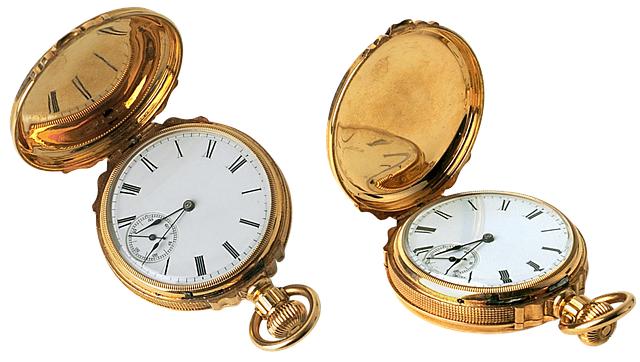
Understanding the Inner Workings of a Mechanical Watch
When it comes to understanding the intricate inner workings of a mechanical watch, there are several key components that work together to keep time accurately. One of the most important parts of a mechanical watch is the mainspring, which stores energy when wound up and releases it slowly to power the watch’s movement. The escapement mechanism is another crucial element, controlling the release of energy from the mainspring in precise increments to regulate the speed of the watch.
Additionally, the balance wheel and hairspring work in tandem to ensure the watch maintains a consistent and steady beat. The gears and pinions within the watch transmit this regulated energy from the mainspring to the hands of the watch, allowing them to move in synchronization. Understanding how each of these components interacts is essential for maintaining the proper function of a mechanical watch.
When it comes to fixing a mechanical watch, there are a few common issues that can often be resolved with some simple troubleshooting. If your watch is running fast or slow, adjusting the regulator on the balance wheel can help fine-tune its timekeeping. If the watch is not keeping time consistently, a thorough cleaning and lubrication of the movement may be necessary to ensure smooth operation. In some cases, replacing a worn-out mainspring or damaged gear can also restore the watch to proper working order.
| Common Issues with Mechanical Watches | Possible Solutions |
|---|---|
| Running fast or slow | Adjusting the regulator on the balance wheel |
| Inconsistent timekeeping | Cleaning and lubricating the movement |
| Worn-out mainspring or damaged gear | Replacing the faulty component |
Troubleshooting Tips for Mechanical Watch Repairs
When it comes to troubleshooting issues with your mechanical watch, there are a few key tips to keep in mind to help you address common problems quickly and effectively. Here are some quick fixes to try:
- Check the Power Reserve: If your watch is not keeping time as it should, it could be due to a lack of power. Wind the watch manually to see if this resolves the issue.
- Inspect the Crown: The crown of your watch controls many functions, so make sure it is pushed in completely and not in the wrong position.
- Clean the Movement: Dust and debris can interfere with the movement of your watch, so gently clean the inside of the case with a soft brush.
By following these simple troubleshooting tips, you can often resolve minor issues with your mechanical watch on your own, saving you time and money on professional repairs.

Precautions to Take When Repairing a Mechanical Watch
When attempting to fix a mechanical watch, it is important to follow certain precautions to ensure the process goes smoothly and without any damage to the watch. Here are some key precautions to keep in mind:
- Tools: Use the right tools for the job to avoid causing any scratches or dents to the watch case or movement.
- Clean Work Area: Work in a clean and well-lit area to prevent any dust or debris from getting into the watch movement.
- Gentle Touch: Handle the watch components with care and avoid using excessive force when disassembling or reassembling the watch.
- Patience: Take your time when working on the watch and avoid rushing through the repair process to prevent any mistakes.
By following these precautions, you can successfully repair your mechanical watch without causing any further damage.

When to Seek Professional Help for Mechanical Watch Repairs
It’s important to know when it’s time to seek professional help for mechanical watch repairs. While some minor issues can be addressed at home, there are times when it’s best to leave it to the experts. Here are some scenarios when you should consider taking your mechanical watch to a professional:
- If your watch is losing or gaining time consistently
- If the watch is no longer keeping time at all
- If there is visible damage to the watch face or hands
- If you hear unusual ticking or grinding noises
It’s always better to be safe than sorry when it comes to your prized timepiece. A professional watchmaker will have the expertise and tools needed to diagnose and repair any issues with your mechanical watch. Don’t hesitate to seek help if you notice any of these signs of trouble!
Insights and Conclusions
In conclusion, fixing a mechanical watch may seem daunting at first, but with the right tools and knowledge, it can be a relatively simple task. Remember to handle the components with care, take your time, and follow the steps outlined in this guide. By following these tips, you can save yourself time and money by avoiding a trip to the watch repair shop. Good luck with your watch repair project!
Get our latest guides, news, and insights highlighted in your Google Search & AI Overviews.