Quick Fix: Starting a Mechanical Watch
Do you own a mechanical watch but aren‘t quite sure how to start it up? Look no further! In this article, we’ll guide you through the quick and easy steps to get your mechanical watch ticking in no time. Whether you’re new to watch ownership or just need a refresher, we’ve got you covered. Let’s dive in!
Contents
- Identifying the Crown Positions on Your Watch
- Common Mistakes to Avoid When Starting a Mechanical Watch
- Understanding the Importance of Consistent Wear
- Troubleshooting Tips for a Stopped Mechanical Watch
- The Role of Manual vs. Automatic Movements in Starting a Watch
- Proper Maintenance Practices to Ensure Longevity
- Exploring Different Methods to Start a Stopped Mechanical Watch
- To Wrap It Up
Identifying the Crown Positions on Your Watch
In order to properly start a mechanical watch, it is crucial to first identify the crown positions on your timepiece. The crown is the small knob on the side of the watch that is used to set the time and date, as well as wind the watch if it is manual. Here are some steps to help you locate the crown positions on your watch:
- Locate the crown on the side of the watch.
- Understand the different positions of the crown: typically, there are three positions – fully pushed in, pulled out one click, and pulled out two clicks.
- Experiment with gently pulling out the crown to find the different positions and what each one does.
By familiarizing yourself with the crown positions on your watch, you will be able to confidently start your mechanical timepiece and ensure that it is running accurately. Remember to handle the crown with care to avoid damaging the delicate inner workings of the watch.

Common Mistakes to Avoid When Starting a Mechanical Watch
When starting a mechanical watch, there are several common mistakes that new watch owners often make. By being aware of these pitfalls, you can ensure that your timepiece runs smoothly and accurately for years to come. Here are some important things to keep in mind:
– **Overwinding:** One of the most common mistakes is overwinding a mechanical watch. Unlike quartz watches, which have a battery, mechanical watches must be wound manually. It’s important to stop winding once you feel resistance, as overwinding can damage the delicate internal components.
– **Setting the Time Improperly:** When setting the time on your watch, always make sure to move the hands forward, never backward. Moving the hands backward can put unnecessary strain on the movement and lead to issues down the line.
– **Not Servicing Regularly:** Mechanical watches require regular servicing to keep them running accurately. Skipping routine maintenance can lead to issues with timekeeping and even damage to the movement. Make sure to have your watch serviced by a professional watchmaker every few years.
– **Exposing the Watch to Magnets:** Avoid exposing your mechanical watch to strong magnets, as this can disrupt the movement and cause it to run fast or slow. Be mindful of where you place your watch and try to keep it away from magnetic fields.
Understanding the Importance of Consistent Wear
Consistent wear is essential for ensuring the smooth functioning of a mechanical watch. When a mechanical watch is not worn regularly, the oils inside the movement can dry up, leading to potential issues such as increased friction and wear on the components. By wearing your watch regularly, you are helping to distribute the oils evenly throughout the movement, keeping everything running smoothly.
Additionally, consistent wear can also help prevent the need for frequent servicing. When a watch sits unused for extended periods, dust and debris can accumulate inside the movement, potentially causing damage. Regular wear can help mitigate this issue by keeping the movement in motion, preventing build-up and ensuring that the watch stays in optimal condition.
By incorporating your mechanical watch into your daily routine, you not only ensure its longevity and performance but also get to enjoy the craftsmanship and beauty of the timepiece on a regular basis. Remember, a mechanical watch is meant to be worn, so don’t let it sit idly in a drawer – give it the attention it deserves and wear it proudly!

Troubleshooting Tips for a Stopped Mechanical Watch
If you’re having trouble with a stopped mechanical watch, don’t worry – there are some quick fixes you can try before taking it to a professional. Here are some troubleshooting tips to help you get your watch ticking again:
- Wind the watch: If your mechanical watch has stopped, it might just need to be wound. Try turning the crown clockwise to wind it up and see if that gets it going.
- Check the power reserve: Some mechanical watches have a power reserve indicator that shows how much energy is left. If it’s low, winding it up should do the trick.
- Inspect the movement: If winding doesn’t work, there could be an issue with the movement. Take a look at the gears and other components to see if anything looks out of place or broken.
If these tips don’t solve the problem, it might be time to take your watch to a professional for a closer look. But hopefully, these quick fixes will get your mechanical watch back up and running in no time!

The Role of Manual vs. Automatic Movements in Starting a Watch
When it comes to starting a mechanical watch, there are two main types of movements to consider: manual and automatic. Each type has its own unique benefits and characteristics that can affect how you interact with your timepiece on a daily basis.
**Manual Movements:**
– **Requires winding:** With a manual movement, you will need to physically wind the watch by turning the crown. This can be a meditative and satisfying ritual for many watch enthusiasts.
– **Greater connection:** Some watch aficionados appreciate the hands-on nature of manual movements, feeling a deeper connection to the watch when they are actively involved in keeping it running.
– **Traditional charm:** Manual movements are often associated with traditional watchmaking techniques and can add a sense of nostalgia and charm to your timepiece.
**Automatic Movements:**
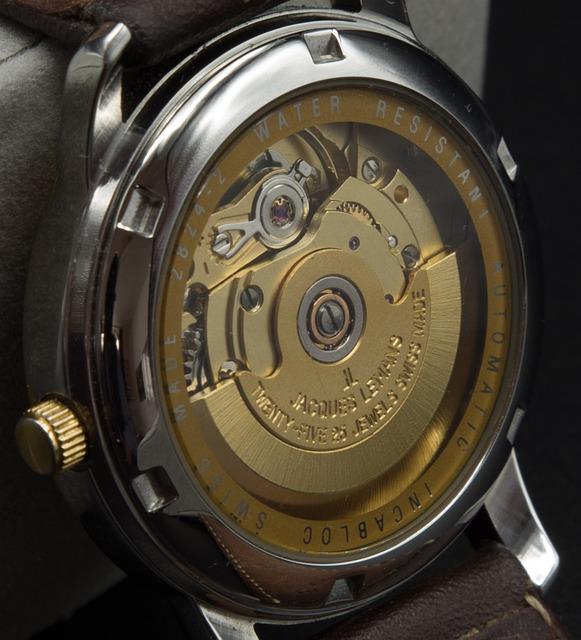
– **Self-winding:** Automatic movements feature a rotor that winds the watch as you move throughout the day. This means you won’t need to manually wind the watch, making it a convenient option for daily wear.
– **Low maintenance:** Because automatic movements are self-winding, they tend to require less hands-on maintenance compared to manual movements.
– **Modern convenience:** Automatic movements offer a blend of traditional craftsmanship with modern convenience, appealing to those who want a classic timepiece with contemporary features.
In the end, the choice between manual and automatic movements comes down to personal preference and how you want to interact with your watch. Whether you enjoy the traditional feel of winding a watch by hand or prefer the ease of a self-winding mechanism, both options offer their own unique advantages for starting and enjoying a mechanical timepiece.
Proper Maintenance Practices to Ensure Longevity
When it comes to ensuring the longevity of your mechanical watch, proper maintenance practices are key. By following a few simple steps, you can keep your timepiece running smoothly for years to come.
One important maintenance practice is regularly winding your watch. This helps to keep the movement lubricated and prevents it from seizing up. Be sure to wind your watch at the same time each day, using gentle, even pressure.
Another important practice is keeping your watch clean. Wipe down the case and bracelet with a soft, lint-free cloth regularly to prevent dirt and grime from building up. For a deeper clean, you can use a mild soap and water solution, being sure to dry your watch thoroughly afterwards.
Lastly, it’s important to have your watch serviced by a professional watchmaker every 3-5 years. They can check for any signs of wear and tear, replace any worn-out parts, and lubricate the movement to keep it running smoothly. By following these maintenance practices, you can ensure that your mechanical watch will last for generations to come.

Exploring Different Methods to Start a Stopped Mechanical Watch
When your mechanical watch stops ticking, it can be frustrating. However, there are several methods you can try to get it running again. Here are some ways to troubleshoot and start a stopped mechanical watch:
- Manual Winding: The most common reason a mechanical watch stops is that it needs to be wound. Turn the crown clockwise gently until you feel resistance, then stop.
- Shaking the Watch: Another method is to gently shake the watch from side to side or in a circular motion. This can help to get the balance wheel moving again.
- Tapping the Case: If shaking doesn’t work, try tapping the case of the watch with your finger. Be careful not to hit it too hard, as this could damage the internal components.
- Cleaning the Movement: If the above methods don’t work, it might be time to take your watch to a professional watchmaker for a thorough cleaning and servicing.
To Wrap It Up
In conclusion, starting a mechanical watch doesn’t have to be complicated or intimidating. By following these simple steps and taking your time, you can ensure a smooth and successful start-up process. Remember to wind the watch properly, set the time and date correctly, and wear your watch regularly to keep it running smoothly. With a little care and attention, your mechanical watch will serve you faithfully for years to come. Happy timekeeping!
Get our latest guides, news, and insights highlighted in your Google Search & AI Overviews.