The Tick-Tock Truth: Do Mechanical Watches Tick?
Have you ever wondered why mechanical watches tick? In this article, we will dive into the fascinating world of timekeeping and explore the truth behind the infamous tick-tock of mechanical watches. Join us as we unravel the mystery and reveal the science behind this timeless tradition.
Contents
- – The Evolution of Mechanical Watches: From Ticking to Silent Movements
- – Debunking the Myth: Understanding the Truth Behind the Tick-Tock of Mechanical Watches
- – The Inner Workings of Mechanical Watches: How Does the Ticking Mechanism Function?
- – Silent Movements: Exploring the Rise of Noiseless Mechanical Watches
- – Pros and Cons of Tick-Tock: The Advantages and Disadvantages of Mechanical Watches
- Advantages of Mechanical Watches:
- Disadvantages of Mechanical Watches:
- – Tips for Choosing a Mechanical Watch: Factors to Consider Beyond the Ticking Sound
- – Modern Innovations: How Watchmakers Are Redefining the Tick-Tock Experience
- – The Final Verdict: Should You Choose a Tick-Tock Mechanical Watch or Opt for a Noiseless Alternative
- Wrapping Up
– The Evolution of Mechanical Watches: From Ticking to Silent Movements
Mechanical watches have come a long way in their evolution, transitioning from the distinctive ticking sound to more sophisticated silent movements. While traditional mechanical watches are known for their audible tick-tock sound, advancements in technology have allowed for quieter and smoother movements in modern timepieces.
One of the key factors in the transition from ticking to silent movements is the development of high-quality components and materials. Manufacturers have invested in precision engineering to reduce friction and noise, resulting in a more refined and peaceful experience for watch enthusiasts.
Additionally, the introduction of innovative mechanisms such as the escapement and balance wheel has played a significant role in the evolution of mechanical watches. These components work together to regulate the movement of the gears, ensuring accurate timekeeping without the distraction of a loud ticking sound.
Overall, the evolution of mechanical watches from ticking to silent movements showcases the ingenuity and dedication of watchmakers in their quest for excellence. While some may appreciate the classic tick-tock sound of traditional timepieces, the silent movements of modern mechanical watches offer a more subdued and elegant experience for those who prefer a quieter timekeeping option.
– Debunking the Myth: Understanding the Truth Behind the Tick-Tock of Mechanical Watches
In the world of horology, there has always been a common misconception surrounding mechanical watches and their distinctive sound: the tick-tock. Many people believe that mechanical watches actually tick, but the truth behind this rhythmic sound is much more complex than meets the eye.
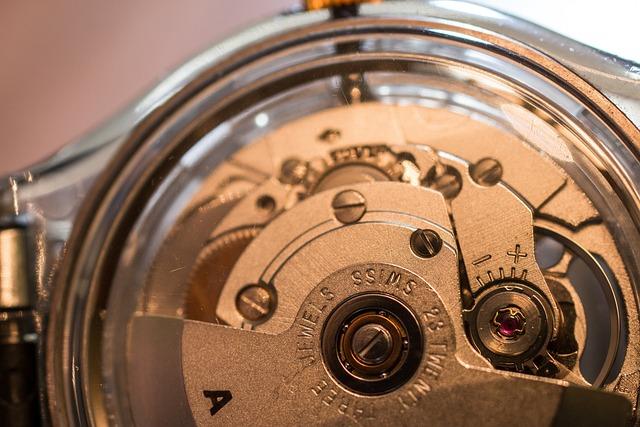
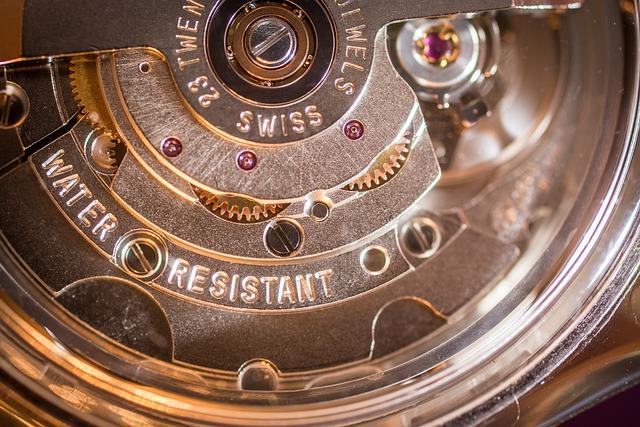
Contrary to popular belief, mechanical watches do not actually tick. Instead, the sound you hear is the result of the watch’s escapement mechanism releasing energy in small, controlled bursts. This mechanism, which consists of a pallet fork and an escape wheel, regulates the flow of energy from the watch’s mainspring to its gear train, creating the illusion of a ticking sound.
Furthermore, the frequency at which a mechanical watch beats is measured in vibrations per hour, also known as vibrations per hour (VPH). This is what determines the smoothness of the watch’s movement and the accuracy of its timekeeping. The higher the VPH, the smoother the movement and the more precise the timekeeping.
So, the next time you hear the familiar tick-tock of a mechanical watch, remember that it’s not actually ticking – it’s the beautiful dance of precision engineering at work, keeping time with unparalleled accuracy and grace.

– The Inner Workings of Mechanical Watches: How Does the Ticking Mechanism Function?
Within the intricate world of mechanical watches lies a truly fascinating aspect – the ticking mechanism. Many watch enthusiasts ponder over the question: Do mechanical watches indeed tick? The truth is that yes, they do! The ticking of a mechanical watch is actually the result of a finely crafted balance wheel oscillating back and forth. This rhythmic motion is what generates the distinctive ticking sound that we associate with mechanical watches.
At the heart of this ticking mechanism is the escapement, a crucial component that regulates the movement of the gears and ensures that the watch keeps accurate time. The escapement consists of the escape wheel, pallet fork, and balance wheel, all working together in perfect harmony. As the balance wheel oscillates, it interacts with the pallet fork, causing the escape wheel to release energy in precise intervals, thus creating the ticking motion of the watch.
It’s important to note that the rate at which a mechanical watch ticks can vary depending on the specific design and construction of the movement. Some watches may tick at a slower pace, while others may tick faster. Regardless of the speed, the ticking of a mechanical watch is a testament to the intricate craftsmanship and engineering precision that goes into creating these timeless timepieces. So, the next time you hear the comforting sound of a mechanical watch ticking away, remember the complex inner workings that make it all possible.
– Silent Movements: Exploring the Rise of Noiseless Mechanical Watches
Many watch enthusiasts have long debated whether mechanical watches truly tick or not. The answer to this question might surprise you. While the term “tick” is commonly associated with quartz watches due to their distinctive ticking sound, mechanical watches actually operate through a series of precise, silent movements. These movements are powered by a tightly wound spring and intricate gears that work together to keep time accurately.
Contrary to popular belief, noiseless mechanical watches do not produce an audible ticking sound as the second hand moves around the dial. Instead, the sweeping motion of the second hand is smooth and continuous, thanks to the mechanical movement inside the watch. This silent operation is one of the hallmarks of high-quality mechanical watches, showcasing the craftsmanship and precision engineering that goes into their design.
While some may argue that the absence of a ticking sound in mechanical watches takes away from the romanticism of traditional timepieces, many watch enthusiasts appreciate the refined elegance and sophistication of noiseless mechanical movements. The rise of noiseless mechanical watches in the watch industry demonstrates a shift towards understated luxury and superior craftsmanship, appealing to those who value subtlety and precision in their timepieces.

– Pros and Cons of Tick-Tock: The Advantages and Disadvantages of Mechanical Watches
When it comes to choosing a watch, the debate between mechanical and quartz timepieces has been ongoing. Mechanical watches, known for their intricate craftsmanship and traditional appeal, have a loyal following among watch enthusiasts. But what are the pros and cons of tick-tock? Let’s dive into the advantages and disadvantages of mechanical watches.
Advantages of Mechanical Watches:
- Craftsmanship: Mechanical watches are a piece of art, with intricate movements and designs that showcase the skill of the watchmaker.
- Prestige: Owning a mechanical watch is a status symbol, representing luxury, tradition, and attention to detail.
- No battery needed: Unlike quartz watches, mechanical watches are powered by the movement of the wearer’s wrist, eliminating the need for battery replacements.
- Smoother movement: The sweeping second hand of a mechanical watch offers a smoother and more visually appealing movement compared to the tick-tock of a quartz watch.
Disadvantages of Mechanical Watches:
- Accuracy: Mechanical watches are less accurate than quartz watches, with the potential to lose or gain a few seconds each day.
- Maintenance: Mechanical watches require regular servicing to keep them running smoothly, which can be costly and time-consuming.
- Fragility: The intricate components of a mechanical watch are delicate and susceptible to damage if handled roughly.
- Price: Due to their craftsmanship and prestige, mechanical watches tend to come with a higher price tag compared to quartz watches.
– Tips for Choosing a Mechanical Watch: Factors to Consider Beyond the Ticking Sound
When it comes to choosing a mechanical watch, there are several factors to consider beyond just the ticking sound. While the tick-tock of a mechanical watch can be a satisfying sound for some, it is not the only feature that should guide your decision. Here are some important factors to keep in mind:
- Movement Type: Consider whether you prefer an automatic, manual, or quartz movement for your watch. Each type has its own unique features and characteristics.
- Materials: Pay attention to the materials used in the watch construction, such as stainless steel, titanium, or precious metals like gold or platinum.
- Complications: Decide if you want additional features on your watch, such as a chronograph, moon phase indicator, or calendar complication.
| Factor | Consideration |
|---|---|
| Movement Type | Automatic, manual, or quartz |
| Materials | Stainless steel, titanium, or precious metals |
| Complications | Chronograph, moon phase, calendar, etc. |
By taking these factors into consideration, you can make a more informed decision when choosing a mechanical watch that suits your personal style and preferences. Remember, the tick-tock sound is just one element of the overall watch experience!

– Modern Innovations: How Watchmakers Are Redefining the Tick-Tock Experience
When it comes to mechanical watches, the age-old question remains: do they actually tick? The short answer is yes, they do. Mechanical watches rely on the ticking of a balance wheel to keep time accurately. This rhythmic ticking is what we commonly refer to as the “tick-tock” of a watch.
However, modern watchmakers are redefining the tick-tock experience with innovative technologies and designs. While traditional mechanical watches do indeed tick, advancements in horology have led to the development of smoother, quieter movements that provide a more refined timekeeping experience.
Some of the ways watchmakers are enhancing the tick-tock experience include:
- Utilizing innovative materials for improved durability and precision.
- Implementing high-frequency movements for increased accuracy.
- Incorporating anti-shock systems to protect the delicate inner workings of the watch.
| Material | Advantages |
|---|---|
| Carbon Fiber | Lightweight and durable |
| Silicon | Anti-magnetic and requires less lubrication |
– The Final Verdict: Should You Choose a Tick-Tock Mechanical Watch or Opt for a Noiseless Alternative
When it comes to choosing between a tick-tock mechanical watch and a noiseless alternative, the decision ultimately boils down to personal preference and lifestyle. Let’s delve into the pros and cons of both options to help you make an informed choice.
Tick-Tock Mechanical Watch:
- Traditional Charm: Mechanical watches with a ticking sound can evoke a sense of nostalgia and classic elegance.
- Artistry and Craftsmanship: The intricate inner workings of a mechanical watch are a marvel of engineering and design.
- Auditory Feedback: Some people find the subtle ticking sound reassuring and comforting.
Noiseless Alternative:
- Modern Appeal: Noiseless watches offer a sleek and minimalist aesthetic that appeals to those who prefer a more understated look.
- Discreet Timekeeping: Without the ticking sound, noiseless watches provide a silent and distraction-free experience.
- Technology Integration: Many noiseless watches come equipped with advanced features such as smartwatch capabilities and fitness tracking.
Wrapping Up
In conclusion, mechanical watches do indeed tick! The distinctive ticking sound is a result of the intricate internal workings of these timepieces. Despite advancements in technology, many watch enthusiasts continue to value the tradition and craftsmanship of mechanical watches. So, the next time you hear that familiar tick-tock, you can appreciate the precision and skill that goes into creating these timeless pieces. Remember, whether it’s ticking or silently sweeping, the beauty of a mechanical watch lies in its craftsmanship and history.
Get our latest guides, news, and insights highlighted in your Google Search & AI Overviews.