Mechanical Watch Guide: Everything You Need to Know About Timepieces
Welcome to the ultimate guide to mechanical watches! If you’ve ever been intrigued by the intricate workings of timepieces or are considering investing in a high-quality watch, this article is for you. From the history and intricacies of mechanical watches to maintenance tips and purchasing advice, we’ve got everything you need to know about these timeless pieces of craftsmanship. So, sit back, relax, and let us take you on a journey through the fascinating world of mechanical watches.
Contents
- Choosing the Right Movement for Your Timepiece
- Materials and Styles: A Guide to Quality Craftsmanship
- Pros and Cons of Mechanical Watches vs. Quartz Watches
- Investing in a Timeless Piece: Budget-friendly Options
- Luxury Watch Brands That Define Prestige
- Watch Sizing and Strap Options for Comfort and Style
- In Summary
Choosing the Right Movement for Your Timepiece
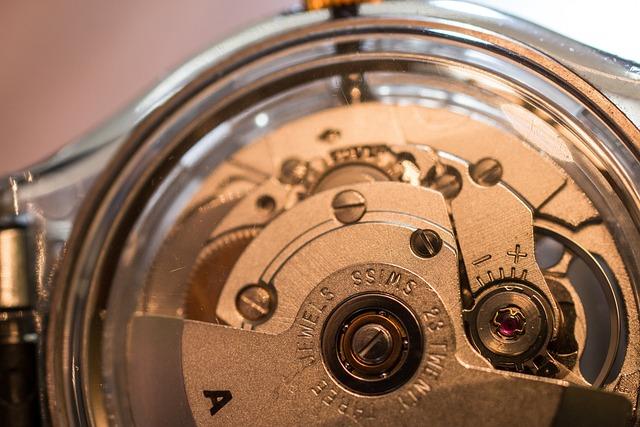
When it comes to , there are a few key factors to consider. Mechanical movements are known for their craftsmanship and precision, making them a popular choice among watch enthusiasts. There are two main types of mechanical movements to choose from: manual and automatic.
Manual Movements: Manual movements require winding by hand to keep the watch running. This traditional method allows for a more hands-on experience with your timepiece and a connection to the craftsmanship behind it.
- Automatic Movements: Automatic movements, also known as self-winding movements, are powered by the movement of your wrist. This means that as long as you wear your watch regularly, it will stay wound and keep accurate time.
When deciding between manual and automatic movements, consider your lifestyle and preferences. If you enjoy the tradition of winding your watch daily and appreciate the craftsmanship involved, a manual movement may be the right choice for you. If you prefer the convenience of a watch that stays wound on its own, an automatic movement might be the better option.
In addition to manual and automatic movements, there are also quartz movements to consider. Quartz movements are known for their accuracy and affordability, making them a practical choice for everyday wear. Ultimately, the best movement for your timepiece will depend on your personal style, needs, and budget.

Materials and Styles: A Guide to Quality Craftsmanship
In the world of mechanical watches, the materials and styles used in crafting these timepieces play a crucial role in determining their quality and longevity. Understanding the key aspects of materials and styles will help you make an informed decision when choosing a mechanical watch.
<h2>Materials</h2>

<p>When it comes to materials, high-quality mechanical watches are typically made from:</p>

<ul>

    <li><strong>Stainless Steel:</strong> Known for its durability and sleek aesthetic.</li>

    <li><strong>Titanium:</strong> Lightweight and resistant to corrosion.</li>

    <li><strong>Gold:</strong> Adds a touch of luxury and elegance to the timepiece.</li>

    <li><strong>Ceramic:</strong> Scratch-resistant and highly durable.</li>

    </ul>


<h2>Styles</h2>

<p>There are various styles of mechanical watches to choose from, including:</p>

<ul>

    <li><strong>Dress Watches:</strong> Elegant and refined, perfect for formal occasions.</li>

    <li><strong>Sports Watches:</strong> Durable and rugged, designed for outdoor activities.</li>

    <li><strong>Diving Watches:</strong> Water-resistant and equipped with features for underwater exploration.</li>

    <li><strong>Chronograph Watches:</strong> Stopwatch function for timing events.</li>

    </ul>


<h2>Case Material Comparison</h2>

<table class="wp-block-table">

    <thead>

        <tr>

            <th>Material</th>

            <th>Pros</th>

            <th>Cons</th>

        </tr>

    </thead>

    <tbody>

        <tr>

            <td>Stainless Steel</td>

            <td>Durable and corrosion-resistant</td>

            <td>Heavier than other materials</td>

        </tr>

        <tr>

            <td>Titanium</td>

            <td>Lightweight and hypoallergenic</td>

            <td>Scratches easily</td>

        </tr>

        <tr>

            <td>Gold</td>

            <td>Luxurious and elegant</td>

            <td>Prone to scratches and dents</td>

        </tr>

        <tr>

            <td>Ceramic</td>

            <td>Highly scratch-resistant and durable</td>

            <td>Can be brittle and prone to shattering</td>

        </tr>

    </tbody>

</table>
Pros and Cons of Mechanical Watches vs. Quartz Watches
When it comes to choosing between a mechanical watch and a quartz watch, there are several factors to consider. Let’s explore the pros and cons of each type of timepiece:
Mechanical Watches:
- Pros:
- Traditional craftsmanship and intricate movements
- No need for battery replacements
- Elegant and timeless design
- Cons:
- Require regular winding or wearing to keep time
- More expensive than quartz watches
- Less accurate timekeeping compared to quartz
Quartz Watches:
- Pros:
- Precise timekeeping with minimal maintenance
- More affordable than mechanical watches
- Durable and reliable for everyday wear
- Cons:
- Battery replacements needed every few years
- Lack the intricate craftsmanship of mechanical watches
- May not hold value as well as mechanical watches

Investing in a Timeless Piece: Budget-friendly Options
Investing in a timeless mechanical watch doesn’t have to break the bank. There are budget-friendly options available that offer both style and functionality. When looking for a mechanical watch that won’t cost a fortune, consider the following tips:
– Look for entry-level brands: Brands like Seiko, Orient, and Citizen offer affordable mechanical watches that are perfect for beginners.
– Consider vintage pieces: Vintage mechanical watches can be found at a fraction of the cost of new models, providing a unique and classic look.
– Opt for stainless steel: Stainless steel watches are durable and long-lasting, making them a great investment for those on a budget.
– Keep an eye out for sales and discounts: Many retailers offer sales and discounts on mechanical watches, making it easier to find a quality timepiece at a lower price.
With these tips in mind, you can invest in a timeless piece that fits your budget without sacrificing style or quality.
Luxury Watch Brands That Define Prestige
When it comes to luxury watch brands, there are several names that stand out for their prestige and craftsmanship. These brands have a long history of creating exquisite timepieces that are not only functional but also serve as a statement of style and sophistication.
One of the most iconic luxury watch brands is Rolex. Known for its precision and durability, Rolex watches are a symbol of success and class. With a wide range of collections to choose from, including the Submariner, Datejust, and Daytona, Rolex offers something for every watch enthusiast.
Another top luxury watch brand is Patek Philippe. Established in 1839, Patek Philippe is known for its intricate complications and elegant designs. Each watch is meticulously handcrafted by skilled artisans, making them truly unique pieces of art.
Other notable include Audemars Piguet, Jaeger-LeCoultre, and Cartier. These brands are synonymous with luxury and are often seen on the wrists of celebrities, royalty, and high-profile individuals.

Watch Sizing and Strap Options for Comfort and Style
When it comes to wearing a mechanical watch, getting the right size and strap option is crucial for both comfort and style. Proper watch sizing ensures that the watch sits comfortably on your wrist without being too tight or too loose. Additionally, choosing the right strap can elevate the overall look of your timepiece and make a fashion statement.
**Watch Sizing Tips:**
– Consult with a professional jeweler or watch specialist to determine the correct watch size for your wrist.
– Make sure the watch case diameter is proportional to the size of your wrist.
– Consider the lug-to-lug distance to ensure the watch sits comfortably on your wrist without overhanging.
**Strap Options for Comfort and Style:**
When it comes to choosing a strap for your mechanical watch, the options are endless. From leather to stainless steel, each material offers a unique look and feel. Leather straps are elegant and suitable for formal occasions, while stainless steel straps are durable and perfect for everyday wear. NATO straps are trendy and add a pop of color to your outfit, while rubber straps are comfortable and ideal for sports activities. Ultimately, the choice of strap comes down to personal preference and how you intend to wear your timepiece.
**Strap Material Comparison:**
| Strap Material | Pros | Cons |
|—————-|——|——|
| Leather | Elegant, comfortable | Not suitable for water activities |
| Stainless Steel | Durable, versatile | Can be heavy on the wrist |
| NATO | Trendy, adjustable | Not as formal as leather |
| Rubber | Comfortable, waterproof | Limited styling options |
Choosing the right watch size and strap option for your mechanical timepiece is essential for both comfort and style. Experiment with different combinations to find the perfect match for your personal taste and lifestyle.
In Summary
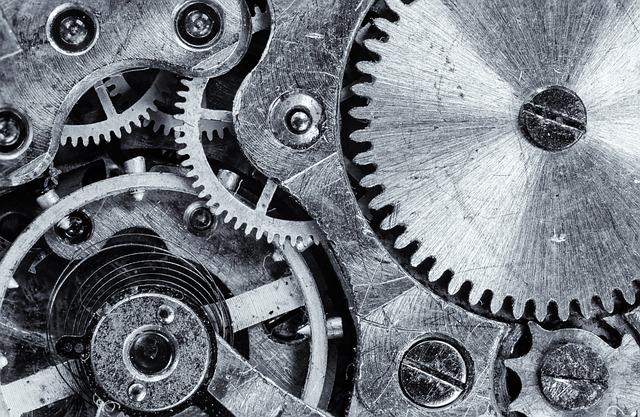
In conclusion, mechanical watches are not just timepieces; they are feats of engineering and craftsmanship that have stood the test of time. By understanding the inner workings of these intricate machines, you can truly appreciate the artistry that goes into their creation. Whether you’re a seasoned collector or a newcomer to the world of horology, it’s important to take care of your mechanical watch and enjoy the beauty and precision it offers. Remember, a mechanical watch is not just a tool to tell time, but a piece of history that you can wear on your wrist. So, next time you admire your timepiece, remember the intricate gears and springs working together to keep you on schedule. Embrace the beauty and complexity of mechanical watches, and let them remind you of the craftsmanship and artistry that goes into creating these timeless pieces.
Get our latest guides, news, and insights highlighted in your Google Search & AI Overviews.