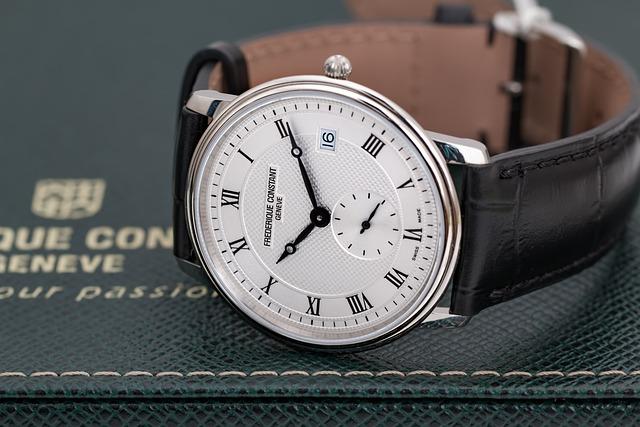
Timeless Maintenance: How Often Do You Wind a Mechanical Watch?
Have you ever wondered how often you should wind your mechanical watch to keep it running smoothly? In this article, we will explore the world of timeless maintenance and provide expert advice on how to properly care for your beloved timepiece. Whether you are a seasoned watch collector or a newcomer to the world of mechanical watches, we’ve got you covered. Let’s delve into the world of horology and discover the secrets to keeping your watch ticking like clockwork.
Contents
- – Finding the Right Balance: Frequency of Winding for Optimal Performance
- – Signs that Your Watch Needs Winding: Learning to Listen to Your Watch
- – The Debate on Daily vs. Weekly Winding: Expert Opinions and Recommendations
- – Troubleshooting Winding Issues: Common Problems and Solutions
- – The Benefits of Manual Winding: Why Hand-Wound Watches Are Worth the Effort
- To Wrap It Up
– Finding the Right Balance: Frequency of Winding for Optimal Performance
When it comes to owning a mechanical watch, finding the right balance in terms of winding frequency is crucial for maintaining optimal performance. While it may seem like a simple task, knowing how often to wind your watch can make a significant difference in its longevity and accuracy.
Related: Powering Precision: How Often Should You Wind a Mechanical Watch?
One key factor to consider is the type of movement your watch has. If you own a manual winding watch, it will require regular winding, typically once a day, to keep it running smoothly. On the other hand, if you own an automatic watch, it is powered by the movement of your wrist and will self-wind as long as you wear it regularly.
It is recommended to wind your manual watch at the same time each day to establish a routine and ensure consistent performance. Overwinding can cause damage to the movement, so be sure not to exceed the recommended number of turns. Additionally, if you notice a significant decrease in accuracy, it may be a sign that your watch needs a thorough servicing by a professional.
Ultimately, finding the right balance in winding frequency is essential to keeping your mechanical watch in top condition. By following these guidelines and paying attention to the needs of your watch, you can enjoy its beauty and functionality for years to come.

– Signs that Your Watch Needs Winding: Learning to Listen to Your Watch
If your mechanical watch is not keeping accurate time or has stopped ticking altogether, it may be time to wind it up. Learning to listen to the sounds your watch makes can help you determine when it needs winding. Here are some signs that your watch needs winding:
– **Ticking sounds become faint or irregular**: When your watch is running low on power, you may notice that the ticking sounds are not as consistent as they should be.
– **The watch stops intermittently**: If your watch stops ticking for short periods of time, it’s a clear sign that it needs winding to keep running smoothly.
– **The hands move slowly or erratically**: When your watch is low on power, the hands may move sluggishly or even skip a beat, indicating that it’s time to wind it up.
Remember, winding your mechanical watch regularly is essential to keep it running accurately and maintain its longevity. Incorporating this simple maintenance routine into your daily schedule will ensure that your watch stays in top condition for years to come.
– The Debate on Daily vs. Weekly Winding: Expert Opinions and Recommendations
When it comes to maintaining a mechanical watch, the debate between daily and weekly winding is a topic of much discussion among watch enthusiasts. Some argue that daily winding ensures the watch remains accurate and keeps it running smoothly, while others believe that weekly winding is sufficient to keep the watch in good condition.
Expert opinions on this matter vary, with some watchmakers recommending daily winding to prevent the lubricants in the movement from drying out and to ensure the watch retains its accuracy. On the other hand, some experts suggest that weekly winding is enough to keep the watch ticking and that daily winding may put unnecessary strain on the movement.
Ultimately, the frequency of winding depends on the specific watch and its movement. It is important to consult the manufacturer’s recommendations and consider factors such as the power reserve of the watch before deciding on a winding schedule. Whether you choose to wind your watch daily or weekly, the key is to be consistent and gentle to avoid damaging the delicate components of the movement.
So, how often do you wind your mechanical watch? Share your thoughts and practices in the comments below!

– Troubleshooting Winding Issues: Common Problems and Solutions
One important aspect of maintaining a mechanical watch is ensuring it is wound regularly to keep it running smoothly. The frequency of winding a mechanical watch can vary depending on the type of movement it has. Here are some guidelines for how often you should wind your watch:
- Manual Wind Watches: These watches need to be wound every day to keep them running accurately. Make it a part of your morning routine to give your manual wind watch a few twists.
- Automatic Watches: If you wear your automatic watch daily, the motion of your wrist should keep it wound. However, if you don’t wear it every day, it’s recommended to give it a few extra turns to keep it running smoothly.
By following these simple guidelines, you can ensure your mechanical watch stays in optimal condition and keeps accurate time. Remember, regular winding is key to the longevity and performance of your timepiece.

– The Benefits of Manual Winding: Why Hand-Wound Watches Are Worth the Effort
When it comes to mechanical watches, manual winding is a timeless practice that offers numerous benefits worth the effort. While automatic watches rely on the movement of the wearer to stay wound, hand-wound watches require a more hands-on approach. But how often should you wind a mechanical watch to ensure optimal performance?
Most manual-wind watches need to be wound once a day to keep accurate time. However, the frequency of winding can vary depending on the power reserve of the watch and your individual usage. Some watches may have a power reserve of up to 72 hours, allowing you to skip a day of winding without affecting its performance.
Regularly winding your watch not only keeps it running smoothly but also allows you to establish a daily ritual that connects you to your timepiece. The act of winding a watch by hand can be a meditative experience that deepens your appreciation for the craftsmanship and precision engineering that goes into creating a mechanical watch.
In addition to the practical benefits of maintaining the accuracy of your watch, manual winding also helps to prolong the life of the movement and prevent unnecessary wear and tear. By taking the time to wind your watch daily, you are not only investing in its longevity but also in the history and tradition of mechanical watchmaking.
To Wrap It Up
In conclusion, understanding how often to wind a mechanical watch is essential for keeping it running smoothly and accurately. Remember to wind your watch daily to maintain its power reserve and ensure optimal performance. Additionally, be gentle when winding to avoid damaging the mechanism. By following these simple maintenance tips, you can enjoy your timeless timepiece for years to come. Thank you for reading and happy timekeeping!
Get our latest guides, news, and insights highlighted in your Google Search & AI Overviews.