Types of Mechanical Watch Movements: Understanding Timepiece Engineering
Did you know that the intricacies of a mechanical watch movement can reveal a world of precision engineering? In this article, we will dive into the different types of mechanical watch movements, from the traditional manual to the innovative automatic, and explore the fascinating world of timepiece engineering. Whether you’re a seasoned watch enthusiast or simply curious about how your favorite timepiece works, join us as we unravel the secrets behind the craftsmanship that goes into creating these intricate mechanical masterpieces.
Contents
- Types of Mechanical Watch Movements
- Understanding the Anatomy of Automatic Movements
- Exploring the Precision of Manual Wind Movements
- Diving into the Sophistication of Tourbillon Movements
- Comparing the Efficiency of Quartz Movements
- Unveiling the Complexity of Chronograph Movements
- Appreciating the Elegance of Skeletonized Movements
- Examining the Durability of Diver Movements
- Delving into the Innovation of Smartwatch Movements
- In Conclusion
Types of Mechanical Watch Movements
Mechanical watch movements are the heart of any timepiece, responsible for powering the watch and keeping accurate time. There are several types of mechanical movements that watch enthusiasts should be familiar with, each offering unique characteristics and engineering solutions.
- Manual Movements: Also known as hand-wound movements, these require regular winding by twisting the crown to keep the watch running. They are appreciated for their traditional craftsmanship and connection to watchmaking heritage.
- Automatic Movements: These movements are self-winding, utilizing the motion of the wearer’s wrist to power the watch. Automatic movements are convenient for those who don’t want to wind their watch daily and enjoy the seamless experience of wearing a timepiece that powers itself.
- Chronograph Movements: These complex movements feature additional mechanisms for timing events with precision. Chronographs can have manual or automatic winding systems and are valued for their functionality in measuring elapsed time.
| Type | Key Feature |
|---|---|
| Manual Movements | Requires regular winding |
| Automatic Movements | Self-winding through wrist motion |
| Chronograph Movements | Additional timing functions |
Understanding the different types of mechanical movements can help you appreciate the craftsmanship and engineering behind your watch. Whether you prefer the tradition of manual winding, the convenience of automatic movements, or the functionality of a chronograph, each type offers a unique experience in timekeeping.

Understanding the Anatomy of Automatic Movements
Automatic movements are a marvel of watchmaking engineering, providing timepieces with the ability to run without the need for manual winding. can help enthusiasts appreciate the intricacies of these mechanical wonders.
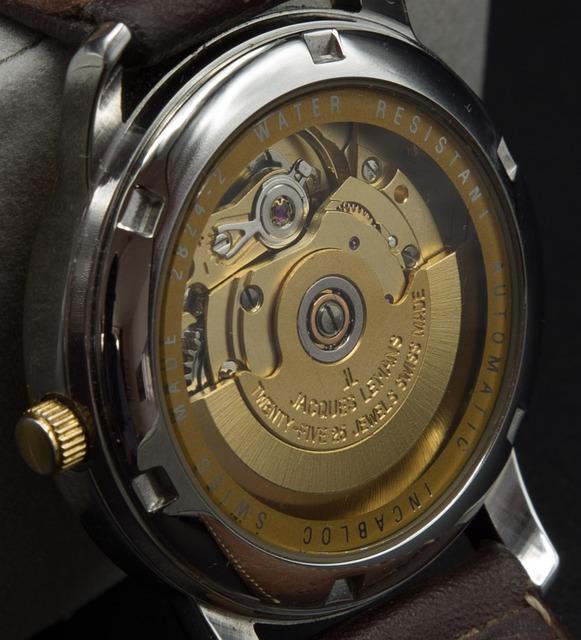
At the heart of automatic movements is the rotor, a weighted component that rotates with the movement of the wearer’s wrist. This rotation winds the mainspring, storing energy to power the watch. The escapement, balance wheel, and gear train work in harmony to regulate the release of this stored energy, ensuring accurate timekeeping.
There are two main types of automatic movements: the full rotor and the micro-rotor. Full rotor movements have a larger rotor that covers most of the movement, while micro-rotor movements have a smaller rotor integrated into the movement itself. Each type has its own advantages and trade-offs in terms of efficiency and design.
By delving into the anatomy of automatic movements, watch enthusiasts can gain a deeper appreciation for the craftsmanship and precision that goes into creating these intricate timepieces. Whether it’s the mesmerizing motion of the rotor or the mesmerizing complexity of the gear train, there’s no denying the artistry behind the mechanical marvel that powers automatic watches.

Exploring the Precision of Manual Wind Movements
Manual wind movements are a fascinating aspect of mechanical watch engineering, requiring the user to physically wind the watch at regular intervals to keep it running smoothly. The precision of manual wind movements lies in their intricate design and craftsmanship, with each component working together to accurately measure time.
There are several types of manual wind movements, each offering unique benefits and features:
- Hand-wound movements: These movements require the user to manually wind the watch by turning the crown. This allows for a more personal connection with the timepiece and can be a soothing ritual for watch enthusiasts.
- High-beat movements: These movements have a faster oscillation rate, resulting in a smoother and more accurate timekeeping experience. They are often found in luxury watches known for their precision.
- Skeletonized movements: These movements feature an exposed design, allowing the wearer to admire the intricate inner workings of the watch. They are a popular choice for those who appreciate the artistry of watchmaking.
Overall, manual wind movements offer a unique blend of tradition and craftsmanship, making them a popular choice for watch collectors and enthusiasts who value precision and mechanical sophistication in their timepieces.

Diving into the Sophistication of Tourbillon Movements
When it comes to the intricate world of mechanical watch movements, few are as captivating and sophisticated as the tourbillon movement. This ingenious invention, first developed by Abraham-Louis Breguet in the late 18th century, is a true testament to the art and craftsmanship of horology.
The tourbillon movement is designed to counteract the effects of gravity on a watch’s accuracy by mounting the escapement and balance wheel in a rotating cage. This constant rotation helps to average out the positional errors that can occur when the watch is in different positions, ultimately leading to more precise timekeeping.
There are several different types of tourbillon movements, each offering its own unique take on this mechanical marvel. Some of the most common types include:
- One-minute tourbillon
- Double tourbillon
- Three-axis tourbillon
| Type | Description |
|---|---|
| One-minute tourbillon | Rotates once per minute |
| Double tourbillon | Two tourbillons rotating independently |
| Three-axis tourbillon | Rotates on three different axes |

Comparing the Efficiency of Quartz Movements
Quartz movements are known for their accuracy and reliability when it comes to keeping time in a watch. They are powered by a battery that sends electrical currents through a quartz crystal, making it vibrate at a precise frequency. This vibration is then converted into consistent timekeeping. But not all quartz movements are created equal, and it’s essential to understand the differences in efficiency when comparing them.
There are different types of quartz movements available in the market, each with its unique features and efficiency levels. Here are some factors to consider when :
- Battery Life: Some quartz movements require frequent battery replacements, while others can last for several years. A longer battery life contributes to the efficiency of the movement.
- Accuracy: The accuracy of a quartz movement is typically measured in seconds per month. Movements that are more accurate are considered more efficient in keeping time.
- Temperature Regulation: Extreme temperatures can affect the performance of a quartz movement. Movements with better temperature regulation are more efficient in maintaining accuracy regardless of external conditions.
| Quartz Movement Type | Battery Life | Accuracy | Temperature Regulation |
|---|---|---|---|
| Standard Quartz | 1-2 years | ±15 seconds/month | Less efficient |
| High Precision Quartz | 3-5 years | ±10 seconds/month | More efficient |

Unveiling the Complexity of Chronograph Movements
When it comes to understanding the inner workings of mechanical watch movements, chronograph movements stand out as one of the most complex and fascinating types. These movements are responsible for the stopwatch function in a watch, allowing for precise timing of events. Let’s delve into the intricacies of chronograph movements and uncover the engineering marvel behind them.
Chronograph movements come in various forms, each with its own unique features and characteristics. Some of the most common types include:
- Column-Wheel Chronograph: Known for its smooth operation and precision, this type of movement uses a column wheel mechanism to control the start, stop, and reset functions.
- Lever Chronograph: This type of movement utilizes a lever system to control the chronograph functions, offering a different feel and experience compared to the column-wheel design.
- Cam-Operated Chronograph: A simpler and more cost-effective design, the cam-operated chronograph uses a cam instead of a column wheel to control the timing functions.
Each type of chronograph movement has its own set of advantages and disadvantages, catering to different preferences and needs. Whether you prefer the precision of a column-wheel chronograph or the simplicity of a cam-operated design, there is a chronograph movement out there for every watch enthusiast.

Appreciating the Elegance of Skeletonized Movements
In the world of mechanical watches, one of the most captivating features is the skeletonized movement. These intricate mechanisms are expertly crafted to reveal the inner workings of the timepiece, showcasing the intricate gears, wheels, and balance springs that power the watch. With their open design, skeletonized movements offer a unique and mesmerizing view of the watch’s inner workings.
There are several types of skeletonized movements, each with its own distinctive style and design. Some popular types include:
- Skeletonized Manual Movements: These movements are hand-wound and typically have a more traditional and classic look.
- Skeletonized Automatic Movements: These movements are self-winding and often feature a more modern and contemporary design.
- Skeletonized Tourbillon Movements: These movements incorporate a tourbillon complication, which helps to improve the watch’s accuracy.
Regardless of the type of skeletonized movement, one thing is for certain – they all exude a sense of sophistication and elegance. The intricate detailing and craftsmanship that goes into creating these movements are truly a work of art, making them highly sought after by watch enthusiasts and collectors alike.

Examining the Durability of Diver Movements
Durability of Diver Movements
When it comes to , it’s essential to understand the different types of mechanical watch movements that are commonly used in timepieces. These movements are the inner workings of the watch that keep time ticking accurately and smoothly.
Two of the most popular types of mechanical watch movements are the automatic movement and the manual movement. Both of these movements rely on intricate engineering and precise craftsmanship to function effectively.
- Automatic Movement: This type of movement is powered by the motion of the wearer’s wrist, which winds the watch’s mainspring. It’s a popular choice for diver’s watches due to its ability to maintain accuracy even in challenging underwater conditions.
- Manual Movement: In contrast, a manual movement must be wound by hand using the watch’s crown. While this requires more involvement from the wearer, manual movements are highly precise and reliable, making them a great option for diver’s watches as well.
| Watch Movement | Durability Rating |
|---|---|
| Automatic Movement | Excellent |
| Manual Movement | Very Good |

Delving into the Innovation of Smartwatch Movements
Smartwatch movements have revolutionized the way we perceive timepieces, offering a blend of traditional watchmaking with cutting-edge technology. There are several types of mechanical watch movements that power these smartwatches, each with its own unique characteristics and advantages. Let’s delve into the innovation of smartwatch movements to better understand the intricate engineering behind these modern timepieces.
**Quartz Movements**:
– Utilizes a battery to power the watch
– Provides accurate timekeeping with minimal maintenance
– Typically found in more affordable smartwatches
**Automatic Movements**:
– Harnesses the kinetic energy from the wearer’s wrist movements to power the watch
– Offers a smooth sweeping second hand motion
– Appeals to those who appreciate the artistry of traditional watchmaking
**Chronograph Movements**:
– Includes additional stopwatch functions within the watch
– Ideal for athletes or individuals who require precise timing
– Adds a sporty and dynamic element to the smartwatch design
As we explore the various types of mechanical watch movements in smartwatches, it becomes clear that the innovation in timepiece engineering continues to evolve, offering a diverse range of options to cater to different preferences and lifestyles. Whether you value accuracy, craftsmanship, or functionality, there is a smartwatch movement that suits your individual needs and style.
In Conclusion
In conclusion, understanding the different types of mechanical watch movements is crucial for anyone interested in timepiece engineering. From the accuracy of quartz movements to the craftsmanship of mechanical movements, each type of movement offers unique benefits and characteristics. Whether you prefer the tradition and artistry of manual movements or the convenience and precision of automatic movements, there is a watch movement to suit every preference. By familiarizing yourself with the intricacies of these mechanisms, you can make an informed decision when choosing your next timepiece. Remember, the movement is the heart of a watch, determining not only how it operates but also its overall value and longevity. So, next time you’re in the market for a new watch, pay close attention to the movement inside and appreciate the engineering masterpiece it represents.
Get our latest guides, news, and insights highlighted in your Google Search & AI Overviews.