Understanding the Basics: What Is a Mechanical Pocket Watch?
Pocket watches have a timeless charm that transcends trends and fads. But have you ever wondered how these elegant timepieces work? In this article, we’ll delve into the basics of mechanical pocket watches, breaking down their intricate mechanisms to help you better understand and appreciate the craftsmanship behind these classic accessories.
Exploring the Inner Workings of Mechanical Pocket Watches
One of the most fascinating pieces of horological history is the mechanical pocket watch. These intricate timepieces have been around for centuries and have a timeless appeal that continues to captivate watch enthusiasts worldwide.
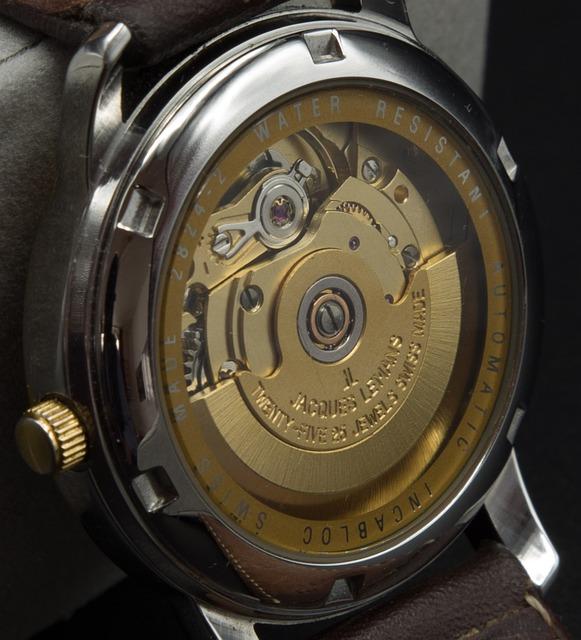
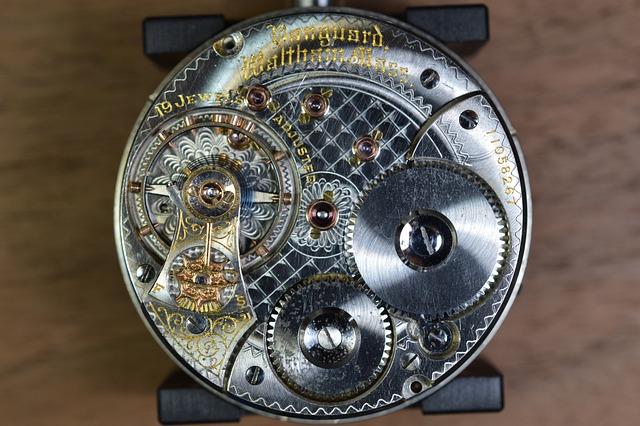
But what exactly is a mechanical pocket watch? In essence, it is a mechanical timekeeping device that is powered by a series of gears and springs, rather than by a battery like a quartz watch. The movement of these watches is purely mechanical, with no electronic components involved.
These watches are often prized for their craftsmanship and artistry, as well as their reliability and longevity. A well-maintained mechanical pocket watch can last for generations, making them a true heirloom piece.
As you delve into the inner workings of mechanical pocket watches, you’ll discover a world of intricate components and precise engineering. From the mainspring to the escapement, each part plays a crucial role in keeping the watch ticking with precision and accuracy.

Common Misconceptions about Mechanical Pocket Watches
One common misconception about mechanical pocket watches is that they are outdated and no longer in use. However, mechanical pocket watches are still highly sought after by collectors and enthusiasts for their craftsmanship and elegance.
Another misconception is that all mechanical pocket watches need to be wound daily. While some pocket watches do require daily winding, there are also self-winding or automatic mechanical pocket watches that wind themselves as you wear them throughout the day.
It’s also often misunderstood that mechanical pocket watches are not accurate timepieces. In reality, well-maintained mechanical pocket watches can be just as accurate as their quartz counterparts, with some high-end models even being certified as chronometers.
Lastly, there’s a misconception that mechanical pocket watches are fragile and delicate. While they do require proper care and maintenance, mechanical pocket watches are built to last and can withstand daily wear and tear with the proper handling.
Closing Remarks
In conclusion, understanding the basics of what a mechanical pocket watch is can greatly enhance your appreciation for this timeless accessory. By learning about the inner workings and components of a mechanical pocket watch, you can better understand its unique charm and historical significance. Remember, a mechanical pocket watch is a marvel of engineering and craftsmanship that has stood the test of time. So next time you admire one, you’ll have a deeper understanding of the artistry behind it.
Get our latest guides, news, and insights highlighted in your Google Search & AI Overviews.