Unraveling the Mystery: What Is a Mechanical Watch?
Have you ever wondered what makes a mechanical watch tick? In a world dominated by smart devices and digital screens, the artistry and craftsmanship behind these intricate timepieces often remain a mystery. Fear not, as we embark on a journey to unravel the secrets of mechanical watches. From their ingenious inner workings to their timeless appeal, we’ll dive into the enchanting world of horology and shed light on what truly sets a mechanical watch apart. Prepare to be captivated by the understated elegance and undeniable charm as we demystify the intricacies of the mechanical watch, revealing the wonders that lie beneath its mesmerizing surface.
Contents
- Unraveling the Mystery: What is a Mechanical Watch?
- 1. Understanding the Basics: The Inner Workings of Mechanical Watches
- 2. The Timeless Craftsmanship: Delving into the Art of Mechanical Watchmaking
- 3. Mechanical vs. Quartz: Comparing the Intricacy and Precision of Timekeeping
- 4. Appreciating the Precision: Discovering the Beauty of Mechanical Watch Movements
- 5. Handmade Excellence: Exploring the Skillful Artisans Behind Mechanical Watches
- 6. Owning a Piece of History: The Enduring Appeal of Mechanical Watches
- 7. The Allure of Complexity: Unraveling the Intricate Complications in Mechanical Timepieces
- 8. The Art of Collecting: Tips for Acquiring and Caring for Mechanical Watches
- 9. Timeless Elegance: Matching Mechanical Watches with Your Personal Style
- 10. Preserving Legacy: Passing Down Mechanical Watches as Family Heirlooms
- Future Outlook
Unraveling the Mystery: What is a Mechanical Watch?
A mechanical watch is a fascinating piece of craftsmanship, embodying both meticulous engineering and timeless elegance. Unlike its electronic counterparts, a mechanical watch is powered by a complex system of gears, springs, and levers, meticulously assembled and calibrated by skilled watchmakers.
One of the defining characteristics of a mechanical watch is its self-winding mechanism, also known as an automatic movement. This ingenious mechanism harnesses the natural motion of the wearer’s wrist to power the watch. As you move throughout the day, the rotor inside the watch swings back and forth, winding the mainspring and storing energy. This means that as long as you wear your mechanical watch regularly, it will continue to keep accurate time without the need for a battery.
Related: Who Collects the Dancing Stars in Yokai Watch? Unraveling the Mystery
In addition to their mechanical complexity, these timepieces also exude a sense of traditional elegance. From the intricate details on the dial to the gleam of the watch hands, every element is meticulously crafted to create a piece of art that tells the time. Unlike digital watches that display time in a binary manner, a mechanical watch gracefully moves, with the second hand sweeping smoothly across the dial.
Investing in a mechanical watch is not only a statement of personal style, but also a connection to centuries-old horological tradition. With proper care and maintenance, a well-crafted mechanical watch can be passed down through generations, becoming a cherished heirloom. Whether you are a watch enthusiast or simply appreciate the beauty of fine craftsmanship, a mechanical watch is a true marvel of engineering and design.

1. Understanding the Basics: The Inner Workings of Mechanical Watches
Mechanical watches have been around for centuries, captivating us with their intricate design and timeless elegance. But have you ever wondered how exactly they work? In this post, we’ll dive deep into the inner workings of mechanical watches, unraveling the mysteries behind these mesmerizing timepieces.
At its core, a mechanical watch is powered by a series of gears, springs, and other mechanical components, all working together to keep time ticking away. Unlike their quartz counterparts, which rely on a battery to generate power, mechanical watches harness the energy created by winding a spring. This spring, known as the mainspring, stores potential energy that drives the watch’s movement.
One of the most important mechanisms in a mechanical watch is the escapement. This clever device ensures that the energy from the mainspring is released in a controlled manner, regulating the watch’s timekeeping accuracy. The escapement consists of a pallet fork and an escape wheel, which work in harmony to control the flow of energy and make the watch accurately tick.
To keep the watch running smoothly, mechanical watches often incorporate a balance wheel and a hairspring. The balance wheel oscillates back and forth, controlled by the escapement, while the hairspring provides the necessary tension and elasticity. This delicate balance between the two ensures precise timekeeping, creating a mesmerizing visual as you watch the watch’s rhythmic movement.
In addition to these essential components, a mechanical watch may also feature complications, which are additional functions beyond telling time. These can include chronographs, moon phases, perpetual calendars, and more, all adding to the complexity and allure of the timepiece.
Now that we’ve unraveled the mysteries of mechanical watches, you’ll have a deeper appreciation for the craftsmanship and precision involved in creating these incredible timekeeping devices. Whether you’re a watch connoisseur or simply curious about the inner workings of these masterpieces, understanding the basics of mechanical watches is a fascinating journey into the world of horology.
2. The Timeless Craftsmanship: Delving into the Art of Mechanical Watchmaking
The world of horology is a fascinating one, filled with intricate mechanisms and timeless craftsmanship that has captivated enthusiasts for generations. At the heart of this craft lies the mechanical watch, a true marvel of engineering and artistry. But what exactly is a mechanical watch, and what sets it apart from its electronic counterparts?
Unlike quartz or digital watches that rely on batteries and computer chips, mechanical watches are powered solely by mechanical movements. These movements are a symphony of intricate gears, springs, and levers working in perfect harmony to keep time ticking away with unrivaled precision.
One of the hallmarks of a mechanical watch is its self-winding capability, often referred to as an automatic movement. This means that the watch harnesses the natural motion of the wearer’s wrist to wind itself, eliminating the need for manual winding or a battery. It’s a constant interaction between timekeeping tradition and the kinetic energy of the wearer.
Another distinguishing feature of mechanical watches is their meticulous craftsmanship. Skilled artisans meticulously assemble the watch’s components, ensuring every gear tooth and pinion is perfectly in place. The attention to detail doesn’t stop at the internal workings, as the aesthetics of a mechanical watch are also meticulously crafted. From elegantly designed dials to intricate engravings on the case, each timepiece is a work of art in its own right.
3. Mechanical vs. Quartz: Comparing the Intricacy and Precision of Timekeeping
Mechanical watches have long been revered for their intricate and precise timekeeping abilities. These timepieces are a testament to precision engineering and craftsmanship, with every movement and component meticulously crafted and assembled by skilled horologists. Unlike their quartz counterparts, which rely on a battery-powered quartz crystal to measure time, mechanical watches operate purely on mechanical energy.
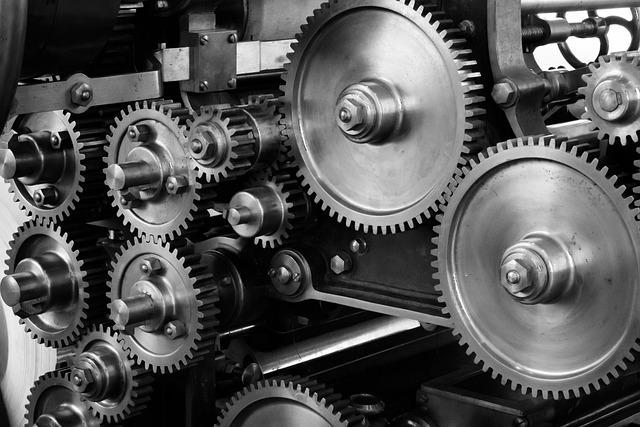
The heart of a mechanical watch is its intricate system of gears, springs, and levers, all working together to measure time accurately. The main types of mechanical movements are manual and automatic. Manual wind watches require the wearer to manually wind the mainspring to power the movement, while automatic watches use the natural motion of the wearer’s wrist to wind the mainspring through a rotor mechanism.
Mechanical watches offer a unique charm and sense of tradition that quartz watches often lack. The smooth, sweeping motion of the second hand on a mechanical watch is a visual delight, while the intricate inner workings can be admired through a transparent case back. The craftsmanship and attention to detail required to build a mechanical watch are truly remarkable, making them prized possessions for watch enthusiasts and collectors.
In terms of precision, both mechanical and quartz watches have their strengths. Quartz watches are renowned for their accuracy, often only losing or gaining a few seconds per month. On the other hand, mechanical watches, while not as inherently precise, boast a level of craftsmanship and complexity that is awe-inspiring. They require regular servicing and adjustment to maintain their accuracy, but the inherent charm and sense of tradition offered by mechanical watches make them a favorite among watch connoisseurs.
In conclusion, mechanical watches are a marvel of engineering and craftsmanship, with their intricate movements and timeless design. While they may not achieve the same level of precision as quartz watches, the skill and artistry involved in creating a mechanical watch are unparalleled. Whether you value tradition, aesthetics, or the appreciation of masterful craftsmanship, a mechanical watch is sure to captivate your attention.
4. Appreciating the Precision: Discovering the Beauty of Mechanical Watch Movements
Mechanical watch movements have long captivated watch lovers with their intricate craftsmanship and precision. These remarkable timepieces feature a complex system of gears, springs, and mechanisms that work together seamlessly to keep accurate time. In this section, we will delve into the fascinating world of mechanical watch movements and explore the beauty they hold.
One of the key features of a mechanical watch is its reliance on a mainspring to power its movement. This tightly wound coil stores energy that is gradually released, powering the intricate gears that control the movement of the watch’s hands. This mechanism, known as the escapement, regulates the release of energy and ensures precise timekeeping.
A mechanical watch movement can be further classified into two types: manual and automatic. A manual movement requires manual winding by turning the crown, whereas an automatic movement harnesses the kinetic energy generated from the wearer’s wrist movements to wind the watch automatically.
The complexity and precision of a mechanical watch movement are often hidden beneath an elegant dial, but enthusiasts who appreciate its beauty can find joy in observing this intricate machinery at work. The mesmerizing rotation of gears, the rhythmic oscillation of the balance wheel, and the delicate motion of the escapement all contribute to the allure of these timepieces.
To truly appreciate the precision of mechanical watch movements, one must consider the craftsmanship and artistry that goes into their creation. From the intricate hand-finishing of each component to the careful assembly by skilled watchmakers, every step in the manufacturing process is a testament to the dedication and skill required to create such an exquisite timepiece.
In conclusion, mechanical watch movements are a testament to human ingenuity and craftsmanship. The precise coordination of gears, springs, and mechanisms is a marvel to behold, and those who appreciate the intricate beauty of these timepieces can find endless fascination in observing their movements. Whether it’s a manual or automatic movement, the precision and artistry behind mechanical watches make them truly extraordinary pieces of horological mastery.
5. Handmade Excellence: Exploring the Skillful Artisans Behind Mechanical Watches
In the world of time-keeping, mechanical watches hold a special place. These timepieces are not just mere accessories, but a beautiful blend of craftsmanship and engineering excellence. Handmade with precision and passion, mechanical watches represent a tradition that dates back centuries.
What sets mechanical watches apart from their quartz counterparts is the intricate mechanism that drives their hands. Instead of relying on a battery, mechanical watches are powered by a complex system of gears, springs, and levers. Each tiny component is meticulously assembled by skilled artisans, who spend hours perfecting the movement of these timepieces.
The art of making mechanical watches requires a combination of technical knowledge and artistic skill. Every detail, from the placement of the gears to the intricately engraved dials, is crafted with utmost care and precision. It is this dedication to perfection that makes mechanical watches a true work of art.
To truly appreciate the craftsmanship behind mechanical watches, one must delve into the world of artisan watchmakers. These skilled individuals, often working in small workshops, bring together their expertise in horology and their passion for creating something truly exceptional. They meticulously hand-assemble each watch, ensuring that every component fits together seamlessly.
In an era where mass-produced, disposable items dominate the market, mechanical watches stand as a testament to the enduring beauty of handmade excellence. They embody a timeless elegance and a commitment to quality that is unparalleled. So next time you glance at your mechanical watch, take a moment to appreciate the artistry and skill that went into its creation. It is a testament to the power of human hands and the pursuit of perfection.
6. Owning a Piece of History: The Enduring Appeal of Mechanical Watches
Mechanical watches have stood the test of time, captivating generations with their intricate design and timeless appeal. These remarkable timepieces are a perfect blend of artistry and engineering, offering a glimpse into the past while providing an accurate measure of time. But what exactly sets a mechanical watch apart from its quartz counterparts? Let’s unravel the mystery and delve into the fascinating world of mechanical watches.
At its core, a mechanical watch is a masterpiece of craftsmanship, relying on a complex system of gears and springs rather than a battery for power. The main component that distinguishes a mechanical watch is its mechanical movement, often referred to as a mouvement. This intricate mechanism enables the watch to tick with precision, as energy is harnessed from the winding of the crown or through the natural motion of the wearer’s wrist.
Unlike quartz watches, which utilize electronic circuits to keep time, mechanical watches offer a unique charm and a connection to a bygone era. The artistry and meticulous attention to detail involved in creating a mechanical watch are truly awe-inspiring. From the delicate components painstakingly assembled by skilled watchmakers to the elegant handcrafted dials, each mechanical watch carries a piece of history within its intricate design. It’s no wonder that these timepieces continue to captivate collectors and enthusiasts worldwide.
Owning a mechanical watch means owning a piece of history, a testament to the enduring legacy of traditional watchmaking. These timepieces offer more than just accurate timekeeping; they embody the artistry, craftsmanship, and legacy of generations past. With their captivating design and remarkable precision, mechanical watches form a bridge between the past and the present, allowing us to appreciate the beauty of time in a truly tangible and meaningful way.

7. The Allure of Complexity: Unraveling the Intricate Complications in Mechanical Timepieces
Mechanical timepieces have long fascinated enthusiasts with their intricate complications and timeless designs. These exceptional watches are a testament to the craftsmanship and precision that go into creating each piece. But what exactly is a mechanical watch, and why are they so alluring?
At its core, a mechanical watch is a timekeeping device powered solely by mechanical components, without the use of batteries or electronics. This traditional method of horology has been in existence for centuries and continues to captivate watch connoisseurs with its ingenuity.
One of the key features that sets mechanical watches apart is their magnificent complication. Complications are additional functions beyond the basic timekeeping, such as date displays, chronographs, moon phases, and even intricate astronomical displays. These complications are meticulously integrated into the movement, making each mechanical watch a marvel of engineering and artistry.
The allure of complexity lies in the mastery required to create these intricate timepieces. Expert watchmakers spend countless hours meticulously assembling each tiny component, ensuring flawless operation and precision. The intricate inner workings of a mechanical watch are often showcased through exhibition casebacks, allowing wearers to appreciate the craftsmanship that goes into making these miniature mechanical wonders.
Whether you are an avid collector or simply appreciate the artistry of mechanical watches, the allure of complexity is undeniable. These intricate complications not only enhance the functionality of the timepiece but also serve as a testament to the skill and dedication of the watchmaker. The next time you find yourself admiring a mechanical watch, take a moment to appreciate the intricate complications that make it truly special.

8. The Art of Collecting: Tips for Acquiring and Caring for Mechanical Watches
Are you intrigued by the world of mechanical watches? These intricate timepieces are not only functional but also a true work of art. Whether you are an avid collector or simply appreciate the craftsmanship behind these watches, learning more about them can deepen your appreciation.
So, what exactly is a mechanical watch? Unlike quartz watches, which rely on batteries to function, mechanical watches are powered by a complex system of gears and springs that work together to keep time. They are a testament to the ingenuity of human engineering.
Acquiring and caring for mechanical watches requires patience and attention to detail. Here are some tips to help you get started:
- Research before purchasing: With so many brands and models available, it’s important to do your homework. Learn about reputable brands, different types of movements, and the features that matter to you.
- Visit authorized dealers or trusted sellers: When it comes to acquiring a mechanical watch, it’s essential to buy from authorized dealers or trusted sellers. This ensures that you are getting an authentic piece with proper documentation and warranty.
- Regular maintenance and servicing: To keep your mechanical watch running smoothly, regular maintenance and servicing are key. This includes cleaning, oiling, and adjusting the movement. It’s recommended to have your watch serviced by a professional every few years.
As a collector, you may also want to consider displaying your mechanical watches in a dedicated watch box or case. This not only keeps them organized but also protects them from dust and damage. Additionally, be sure to handle your watches with care, avoiding exposure to extreme temperatures or magnets.
By following these tips, you can become a knowledgeable and confident collector of mechanical watches. Enjoy the timeless beauty and precision of these remarkable timepieces.

9. Timeless Elegance: Matching Mechanical Watches with Your Personal Style
Timeless elegance is a characteristic that many aspire to achieve in their personal style, and what better way to enhance that elegance than by adorning your wrist with a matching mechanical watch? But what exactly is a mechanical watch and why should you consider adding one to your collection?
A mechanical watch is a timepiece that operates solely by the movement of its intricate gears and springs, without the assistance of a battery or electrical power source. It is a true testament to craftsmanship and precision, as skilled watchmakers meticulously assemble each component by hand. The result is a watch that not only tells time but also stands as a work of art.
One of the main advantages of a mechanical watch is its longevity. With proper care and maintenance, a well-crafted mechanical watch can last for generations, becoming an heirloom piece that can be passed down from one generation to the next. It’s the kind of investment that transcends trends and fads, offering a timeless aesthetic that never goes out of style.
Additionally, a mechanical watch exudes a sense of sophistication and luxury. Whether you opt for a classic stainless steel bracelet or a supple leather strap, the craftsmanship and attention to detail that goes into each component is evident. The intricate workings of the movement are often visible through an exhibition caseback, allowing you to appreciate the complexity and beauty of the mechanism. It’s an accessory that not only enhances your personal style but also serves as a conversation starter.
When it comes to choosing a mechanical watch that matches your personal style, the options are virtually endless. Whether you prefer a sleek and minimalist design or a bold and statement-making timepiece, there is a mechanical watch out there that will perfectly complement your individuality. Consider factors such as case size, dial color, and strap material, all of which can be customized to suit your preferences. With so many options to choose from, the perfect mechanical watch is just waiting to become a part of your timeless style.
10. Preserving Legacy: Passing Down Mechanical Watches as Family Heirlooms
A Mechanical Watch: A Legacy Worth Preserving
Among the vast array of timekeeping devices available today, mechanical watches hold a unique allure, captivating generations with their intricate craftsmanship and timeless elegance. Embodying the principles of old-world engineering, these watches not only serve as accurate timekeepers but also as cherished family heirlooms, preserved and passed down to future generations.
At its core, a mechanical watch is a mechanical marvel, powered by a complex series of precisely calibrated gears and springs. Unlike their quartz counterparts, mechanical watches derive their energy from the movement of the wearer’s wrist, transforming it into the mesmerizing and rhythmic tick-tock that is unmistakably characteristic of these timepieces.
Preserving a mechanical watch as a family heirloom carries profound significance, representing a tangible connection to the past and a bridge to the future. As the timepiece journeys through generations, it accumulates stories and memories, intertwining narratives of love, achievement, and precious moments in its intricate, meticulously crafted components.
To uphold and enhance the legacy of mechanical watches, certain steps should be taken to ensure their longevity. Store them in a cool, dry environment, shielded from extreme temperatures and humidity. Regular servicing, every three to five years, is essential to keep the delicate inner mechanisms in optimal condition. Additionally, it is advisable to wear these watches periodically, as the movement helps to lubricate the intricate parts and prevent them from seizing up over time. These deliberate actions will help guarantee that these remarkable timepieces continue to endure, telling the stories of our ancestors and enriching the lives of future generations.
Future Outlook
In conclusion, we have delved into the captivating world of mechanical watches, demystifying their intricate workings and understanding their timeless appeal. A mechanical watch is not just a timekeeping instrument; it embodies craftsmanship, precision engineering, and an appreciation for tradition. From their delicate gears and springs to their mesmerizing sweeping hands, mechanical watches represent an art form like no other.
Key Takeaways:
1. A mechanical watch uses a series of gears and springs to measure time, without the need for batteries or electronics.
2. The mainspring is the heart of a mechanical watch, storing energy that is gradually released to power the movement.
3. The escapement mechanism controls the release of energy, ensuring consistent timekeeping.
4. The balance wheel and hairspring work together to regulate the watch’s accuracy.
5. Watch complications, such as chronographs or perpetual calendars, add additional functions to mechanical watches.
6. Owning a mechanical watch goes beyond practicality; it is an investment in craftsmanship and a piece of wearable art.
7. Regular maintenance and care are crucial to keep a mechanical watch functioning accurately for generations.
Whether you are a watch enthusiast or simply curious about the inner workings of these gems, understanding the mechanics of a timepiece can deepen your appreciation for the ingenuity and skill behind each tick. So next time you gaze upon a mechanical watch, let the harmonious symphony of gears remind you of the beauty that lies within.
Get our latest guides, news, and insights highlighted in your Google Search & AI Overviews.