Unveiling Truth: Does a Mechanical Watch Use a Battery?
In the world of timepieces, there is often confusion surrounding the power source of mechanical watches. Do these elegant accessories rely on batteries to keep ticking, or is there a more traditional mechanism at play? Join us as we unveil the truth behind the inner workings of mechanical watches and discover the answer to the age-old question: does a mechanical watch use a battery
Contents
Introduction to Mechanical Watches
A common misconception about mechanical watches is whether they use a battery to function. In reality, mechanical watches do not rely on batteries at all. Instead, they harness the power of a tightly wound spring to keep time accurately. This spring is known as the mainspring, and it drives the intricate inner workings of the watch, powering the movement of the hands.
One of the key components of a mechanical watch is the balance wheel, which oscillates back and forth at a constant rate. This oscillation is what regulates the movement of the gears, ensuring that the watch keeps accurate time. Unlike quartz watches, which use a battery to power a vibrating quartz crystal, mechanical watches operate purely through mechanical energy.
So, the next time you see a beautifully crafted mechanical watch, you can appreciate the artistry and precision that goes into its design. Unlike battery-powered watches, these timepieces rely on the mastery of mechanical engineering to keep ticking, making them a true marvel of craftsmanship and ingenuity.

Understanding the Mechanics of a Mechanical Watch
Many people wonder whether a mechanical watch uses a battery to function. The truth is, mechanical watches do not rely on batteries to operate. Instead, they are powered by a complex system of gears, springs, and mechanical components that work together to keep time accurately.
One key component of a mechanical watch is the mainspring, which is wound manually or through the motion of the wearer’s wrist. As the mainspring unwinds, it releases energy that is transferred through the gears to power the watch’s movement. This movement is what drives the hands of the watch to display the time.
Unlike quartz watches, which use a battery to generate an electrical current to power the movement, mechanical watches have a more traditional and intricate mechanism that is appreciated by watch enthusiasts for its craftsmanship and artistry. While batteries may simplify the operation of a timepiece, the intricate mechanics of a mechanical watch are a testament to the skill and precision of the watchmaker.

Examining the Power Source of Mechanical Watches
When it comes to mechanical watches, there is often confusion surrounding their power source. Many people assume that mechanical watches require a battery to function, but this is actually a common misconception. Mechanical watches do not rely on a battery for power; instead, they harness the energy from a tightly wound mainspring.
The mainspring is a tightly coiled spring that stores energy when it is wound up. As the mainspring unwinds, it releases this stored energy to power the movement of the watch. This transfer of energy occurs through a series of gears and springs within the watch, ultimately driving the hands of the watch and keeping time accurately.
Unlike quartz watches, which use a battery to power a quartz crystal oscillator, mechanical watches operate purely through mechanical movements. This gives mechanical watches their unique charm and appeal, as they are powered by intricate mechanisms that require skill and craftsmanship to build and maintain.
Next time you wear a mechanical watch, remember that it is not dependent on a battery for power. Instead, it draws its energy from a traditional mainspring mechanism, showcasing the beauty of traditional watchmaking.

Exploring the Components of a Mechanical Watch Movement
When it comes to understanding the intricate workings of a mechanical watch movement, one of the most common misconceptions is whether or not it requires a battery to operate. The truth is, unlike quartz watches which rely on batteries to power their movements, mechanical watches do not require a battery at all.
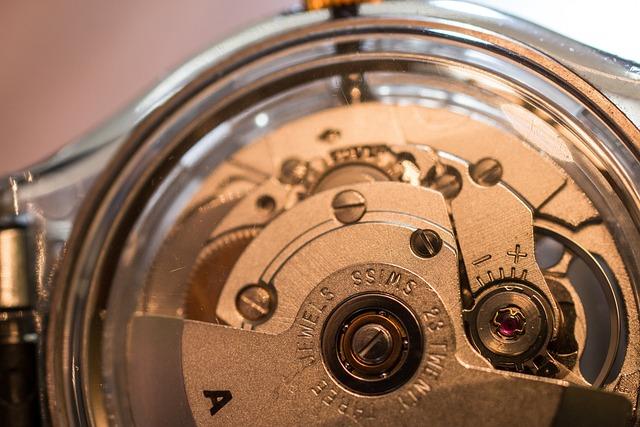
Instead, mechanical watches rely on a series of intricate components working together to keep time. These components include:
- Main spring: This is the power source of a mechanical watch, storing energy generated from winding the crown.
- Balance wheel: This component regulates the timekeeping of the watch, oscillating back and forth at a precise rate.
- Escapement: The escapement transfers energy from the main spring to the rest of the movement, controlling the release of energy into the gear train.
- Gear train: This series of gears transmits power from the main spring to the hands of the watch, allowing for accurate timekeeping.
By understanding the components of a mechanical watch movement and how they work together, one can appreciate the craftsmanship and artistry that goes into creating these intricate timepieces.

Benefits of Owning a Mechanical Watch Without a Battery
Many watch enthusiasts swear by the beauty and craftsmanship of mechanical watches without a battery. While it’s a common misconception that all watches need a battery to function, mechanical timepieces rely on intricate internal mechanisms to keep time ticking.
One of the primary is its longevity. With proper care and maintenance, a high-quality mechanical watch can last a lifetime and even be passed down through generations.
Additionally, mechanical watches without a battery offer a sense of traditional elegance and sophistication. The intricate movements and visible gears of a mechanical watch add a unique charm and character that simply can’t be replicated by a battery-operated timepiece.
Lastly, mechanical watches without a battery have a nostalgic appeal that resonates with many watch collectors. The artistry and skill required to craft a mechanical watch demonstrate a level of craftsmanship that can be truly appreciated by those with a passion for horology.
In Summary
In conclusion, the truth has been unveiled: mechanical watches do not use a battery to operate. Instead, they rely on intricate movements and precision craftsmanship to keep time accurately. The key takeaway is that while quartz watches use batteries to power their movements, mechanical watches are powered by winding a mainspring or through automatic movement. Understanding the difference between these two types of watches can enhance your appreciation for the artistry and technical skill that goes into creating a mechanical timepiece. So next time you marvel at the ticking of a mechanical watch, remember that there’s no battery involved – just pure mechanical magic.
Get our latest guides, news, and insights highlighted in your Google Search & AI Overviews.