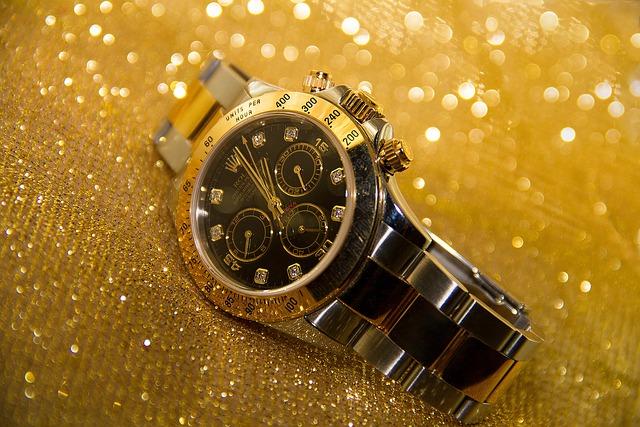
Watch Movement Quartz vs Mechanical: Understanding Timepiece Technology
Curious about how your watch keeps ticking? Whether you’re a seasoned horologist or just starting to appreciate timepiece technology, understanding the difference between quartz and mechanical watch movements is crucial. In this article, we’ll delve into the inner workings of these two types of movements, shedding light on the fascinating world of watch technology. So grab your favorite timepiece and let’s explore the heart of your watch together.
Contents
- Watch Movement Quartz vs Mechanical: Understanding Timepiece Technology
- The Basics: How Quartz and Mechanical Movements Differ
- Precision and Accuracy: Examining the Timekeeping Performance
- Craftsmanship and Tradition: The Appeal of Mechanical Movements
- Maintenance and Durability: Longevity of Quartz vs Mechanical Watches
- Innovation and Technology: Advancements in Quartz Movement
- Environmental Impact: Sustainability of Quartz vs Mechanical Timepieces
- Personal Preference: Factors to Consider When Choosing Between Quartz and Mechanical Watches
- Value for Money: Comparing the Costs of Quartz and Mechanical Watches
- Final Verdict: Which Watch Movement is Right for You
- In Retrospect
Watch Movement Quartz vs Mechanical: Understanding Timepiece Technology
Quartz and mechanical movements are the two main types of technology used in watchmaking. Each has its own unique characteristics and advantages, making them suitable for different preferences and lifestyles.
Quartz movement:
- Utilizes a battery to power the watch
- Requires minimal maintenance, with battery replacements every 1-2 years
- Quartz watches are known for their accuracy, losing only a few seconds per month
- Typically more affordable compared to mechanical watches
On the other hand, mechanical movement:
- Relies on a complex system of gears and springs to keep time
- Requires regular winding either manually or through the movement of the wrist
- Offers a traditional and intricate craftsmanship that appeals to watch enthusiasts
- Generally more expensive due to the labor-intensive manufacturing process
Ultimately, the choice between quartz and mechanical movement comes down to personal preference. Whether you prioritize accuracy and convenience or appreciate the artistry and history of mechanical watches, both technologies have their own charm and appeal.

The Basics: How Quartz and Mechanical Movements Differ
When it comes to watch movements, understanding the differences between quartz and mechanical movements is essential for any watch enthusiast. Both quartz and mechanical movements power timepieces, but they operate in distinct ways that ultimately affect the watch’s performance and maintenance.
Quartz Movements:
- Quartz movements are battery-powered and use an electronic oscillator regulated by a quartz crystal to keep time.
- These movements are known for their accuracy and affordability, making them popular in most modern watches.
- Quartz watches require minimal maintenance, with the battery typically needing replacement every 1-2 years.
Mechanical Movements:
- Mechanical movements rely on a series of intricate gears, springs, and escapements to keep time, without the need for a battery.
- These movements are prized for their craftsmanship, longevity, and the intricate artistry involved in their assembly.
- Mechanical watches require regular winding either manually or through automatic self-winding mechanisms.
| Category | Quartz Movements | Mechanical Movements |
|---|---|---|
| Accuracy | High accuracy | Less accurate compared to quartz |
| Maintenance | Low maintenance, battery replacement every 1-2 years | Regular winding required |
| Craftsmanship | Focused on precision and efficiency | Valued for intricate craftsmanship and complexity |
Precision and Accuracy: Examining the Timekeeping Performance
In the world of horology, precision and accuracy are crucial factors when it comes to evaluating the timekeeping performance of a watch. Whether you’re a watch enthusiast or a casual wearer, understanding the differences between quartz and mechanical movements is essential in choosing the right timepiece for your needs.
Quartz Movement:
- Quartz watches are powered by a battery that sends an electrical current through a quartz crystal to regulate the time.
- These movements are known for their incredible accuracy, typically losing or gaining only a few seconds per month.
- Quartz watches are low maintenance, as they require minimal adjustments and are less susceptible to external factors like temperature and magnetism.
Mechanical Movement:
- Mechanical watches operate through a complex system of gears and springs, without the use of batteries or electricity.
- These movements are appreciated for their craftsmanship and heritage, often seen as a work of art on the wrist.
- Mechanical watches tend to be less accurate than quartz watches, losing or gaining several seconds per day.
| Type | Accuracy | Maintenance |
|---|---|---|
| Quartz | High | Low |
| Mechanical | Medium | Regular |

Craftsmanship and Tradition: The Appeal of Mechanical Movements
A mechanical watch movement is a marvel of craftsmanship and tradition, embodying the artistry and skill of watchmakers who meticulously assemble each intricate component by hand. The appeal of mechanical movements lies in their intricate design, precision engineering, and the centuries-old tradition they represent.
Unlike quartz movements, which rely on batteries and electronic circuits to keep time, mechanical movements use a series of gears, springs, and balance wheels to regulate the movement of the watch hands. This intricate system of components is powered either by manual winding or automatic self-winding mechanisms, adding to the charm and allure of owning a mechanical timepiece.
One of the key advantages of mechanical movements is their longevity and durability. With proper care and maintenance, a well-crafted mechanical watch can last for generations, becoming a cherished heirloom that tells the story of its wearer’s life and experiences.
Ultimately, the appeal of mechanical movements lies in their timeless elegance, artful design, and the connection to watchmaking traditions that have endured for centuries. Whether you prefer the classic sophistication of a manual winding movement or the convenience of an automatic self-winding mechanism, owning a mechanical watch is a testament to your appreciation for craftsmanship and the enduring allure of traditional timepiece technology.

Maintenance and Durability: Longevity of Quartz vs Mechanical Watches
When it comes to maintaining and ensuring the longevity of your timepiece, it’s important to understand the differences between quartz and mechanical watches. Quartz watches are known for their accuracy and low maintenance requirements. They are powered by a battery that sends an electric current through a piece of quartz crystal, causing it to vibrate at a precise frequency. This vibration is what drives the movement of the watch hands, resulting in accurate timekeeping.
On the other hand, mechanical watches are powered by a complex system of gears and springs that require regular maintenance to keep them running smoothly. While they may not be as accurate as quartz watches, mechanical watches are prized for their craftsmanship and intricate design. With proper care and maintenance, a well-made mechanical watch can last for generations.
In terms of durability, quartz watches are generally more resistant to shocks and impacts due to their electronic components. They are also less susceptible to temperature changes, making them a more reliable choice for everyday wear. Mechanical watches, on the other hand, are more delicate and can be easily damaged if not handled with care. However, they have a timeless appeal and can be a valuable heirloom piece if properly cared for. Ultimately, the choice between quartz and mechanical watches comes down to personal preference and lifestyle.
Innovation and Technology: Advancements in Quartz Movement
Quartz movement is one of the most significant advancements in timepiece technology, revolutionizing the watch industry with its precision and efficiency. Unlike mechanical movements, which rely on intricate gears and springs, quartz watches operate on battery power.
The key component of quartz movement is the quartz crystal, which vibrates at a precise frequency when an electric current is applied. This vibration is incredibly consistent, making quartz watches much more accurate than mechanical watches, which can lose or gain time over days or months.
Advantages of quartz movement:
- Accuracy: Quartz watches are known for their exact timekeeping.
- Low maintenance: They require minimal upkeep compared to mechanical watches.
- Affordability: Quartz watches are generally more budget-friendly.
| Feature | Quartz Movement | Mechanical Movement |
|---|---|---|
| Accuracy | Highly accurate | Potentially less accurate |
| Maintenance | Low maintenance | Requires regular maintenance |
| Price | Affordable | Can be more expensive |

Environmental Impact: Sustainability of Quartz vs Mechanical Timepieces
Quartz and mechanical timepieces have long been at the forefront of the watch industry, each boasting unique characteristics that cater to different preferences and needs. When it comes to environmental impact and sustainability, however, there are key factors to consider in comparing these two types of watch movements.
**Quartz Timepieces:**
– Battery-powered movement
– Low maintenance requirements
– Higher accuracy in timekeeping
– Minimal impact on the environment due to the use of batteries
**Mechanical Timepieces:**
– Hand-wound or automatic movement
– Requires regular servicing and maintenance
– Considered more traditional and luxurious
– Can be more environmentally friendly if made with sustainable materials
In terms of sustainability, quartz timepieces may have an edge over mechanical ones due to their lower maintenance requirements and energy-efficient battery usage. However, advancements in eco-friendly materials and manufacturing practices are making it possible for mechanical watches to be more sustainable options for conscientious consumers.Ultimately, the choice between quartz and mechanical timepieces comes down to personal preference and values, whether it be accuracy, tradition, or environmental impact.
Personal Preference: Factors to Consider When Choosing Between Quartz and Mechanical Watches
When deciding between a quartz or mechanical watch, there are several factors to consider that can help guide your decision. One important factor to keep in mind is accuracy. Quartz watches are known for their precision, as they are powered by a battery that sends electrical currents through a quartz crystal to regulate the timekeeping mechanism. On the other hand, mechanical watches are powered by a complex system of gears and springs, which may result in slight variations in timekeeping.
Another factor to consider is maintenance. Quartz watches typically require minimal maintenance, as they are battery-powered and do not rely on intricate mechanical parts. However, mechanical watches require regular servicing to ensure optimal performance and longevity. This can be both a cost and time consideration for watch enthusiasts.
Furthermore, consider the style and aesthetic appeal of each type of watch movement. Quartz watches are often favored for their sleek and modern designs, while mechanical watches are prized for their intricate craftsmanship and heritage. Your personal style and preference should play a significant role in your decision-making process.
Ultimately, the choice between a quartz and mechanical watch comes down to personal preference and lifestyle. Consider how you will be using the watch, your budget, and what features are most important to you. Whether you opt for the precision of a quartz watch or the mechanical marvel of a hand-wound timepiece, both movements offer unique benefits that can enhance your overall watch-wearing experience.
Value for Money: Comparing the Costs of Quartz and Mechanical Watches
When it comes to choosing between a quartz watch and a mechanical watch, one of the key factors to consider is the value for money. Quartz watches are known for their accuracy and affordability, making them a popular choice for those looking for a reliable timepiece without breaking the bank.
On the other hand, mechanical watches are revered for their craftsmanship and intricate movements, often commanding a higher price tag. While quartz watches may be more budget-friendly upfront, mechanical watches can be seen as an investment due to their long lifespan and potential for appreciation in value over time.
To break it down further, let’s compare the costs of quartz and mechanical watches:
– Quartz watches typically range from $50 to $500, with some high-end luxury brands exceeding $1000.
– Mechanical watches start at around $300 for entry-level models and can go up to tens of thousands of dollars for luxury timepieces.
While quartz watches may offer better value in terms of accuracy and affordability, mechanical watches appeal to watch enthusiasts for their craftsmanship and heritage. Ultimately, the choice between quartz and mechanical comes down to personal preference and budget.
Final Verdict: Which Watch Movement is Right for You
After diving into the intricacies of watch movement technology, it’s important to understand which type aligns best with your preferences and lifestyle. Both quartz and mechanical movements offer unique benefits and characteristics that cater to different individuals.
Quartz Movement:
- Provides accurate timekeeping with minimal maintenance.
- Perfect for everyday wear and those who prioritize convenience.
- Often more affordable than mechanical movements.
- Powered by a battery, eliminating the need for manual winding.
Mechanical Movement:
- Offers a traditional and classic appeal with intricate craftsmanship.
- Requires regular winding for optimal performance.
- Suitable for watch enthusiasts who appreciate the artistry of horology.
- Generally more expensive due to the complexity of the movement.
| Criteria | Quartz Movement | Mechanical Movement |
|---|---|---|
| Accuracy | High accuracy | Less precise |
| Maintenance | Low maintenance | Regular maintenance |
| Price | Affordable | Expensive |
| Customization | Limited | More options for customization |
In Retrospect
In conclusion, understanding the differences between quartz and mechanical watch movements is essential in selecting the right timepiece for your needs. While quartz movements offer accuracy and affordability, mechanical movements provide a traditional and intricate craftsmanship that some watch enthusiasts appreciate. Ultimately, the choice between quartz and mechanical comes down to personal preference and what you prioritize in a watch. Whichever movement you choose, both have their unique characteristics that contribute to the beauty and functionality of timepieces. So whether you prefer the precision of quartz or the heritage of mechanical, rest assured that you have made an informed decision based on your understanding of watch technology. Thank you for reading and happy watch shopping!
Get our latest guides, news, and insights highlighted in your Google Search & AI Overviews.