What Is Automatic Watch Movement and Why Does It Matter?
Have you ever wondered how an automatic watch keeps ticking without a battery or manual winding? Enter the world of automatic watch movement, an ingenious mechanism that has stood the test of time. In this article, we will unravel the mysteries of this captivating technology and explore why it truly matters in the realm of horology. So, dive into the realm of ticking marvels and discover the fascinating secrets behind automatic watch movement. Get ready to be enthralled as we uncover the inner workings of these magnificent timekeeping devices and understand why they have captured the hearts of watch enthusiasts worldwide.
Contents
- What Is Automatic Watch Movement?
- The Advantages of Automatic Watch Movement
- How Does Automatic Watch Movement Work?
- The Significance of Self-Winding Mechanism
- Why Choose Automatic Watch Movement?
- The Durability and Reliability of Automatic Watch Movement
- Choosing the Right Automatic Watch Movement for Your Style
- Key Features to Consider When Buying an Automatic Watch
- Maintenance and Care Tips for Automatic Watch Movement
- Closing Remarks
What Is Automatic Watch Movement?
Automatic watch movement refers to the mechanism that powers the watch and keeps it ticking. Unlike quartz watches that rely on batteries, automatic watches are powered by the natural motion of the wearer’s arm. This self-winding feature makes them a favorite among watch enthusiasts.
So how does an automatic watch movement work? Inside the watch, there is a rotor that rotates with the movement of the wrist. As the rotor spins, it winds a mainspring, which stores the energy needed to power the watch. This energy is then transferred through a series of gears and springs to regulate the timekeeping and other functions of the watch.
One of the main advantages of automatic watch movement is its convenience. Unlike manual watches that need to be wound regularly, automatic watches will keep running as long as they are worn regularly. This makes them perfect for everyday use and reduces the need for constant maintenance.
Additionally, automatic watch movement offers a unique sense of craftsmanship. The intricate combination of gears and springs not only powers the watch but also showcases the skill and precision of watchmakers. It’s a testament to the artistry and engineering behind these timepieces.
In conclusion, automatic watch movement is a fascinating aspect of watchmaking that combines functionality and craftsmanship. Whether you’re a watch enthusiast or simply appreciate the beauty of a well-designed timepiece, understanding automatic watch movement can deepen your appreciation for these remarkable creations.
The Advantages of Automatic Watch Movement
Automatic watch movement is a fascinating technology that has revolutionized the world of timekeeping. Unlike quartz watches which rely on batteries, automatic watches are driven by mechanical movements. These intricate systems are powered by the wearer’s own motion, creating a seamless and continuous movement of the watch hands.
One of the key advantages of automatic watch movement is its unparalleled precision. With no reliance on external energy sources, these timepieces are designed to keep accurate time without the need for constant adjustment. This makes automatic watches a reliable choice for those who require accurate timekeeping in various settings, whether it’s in the office or on a rugged adventure.
Another advantage of automatic watch movement is its durability. The mechanical components of these watches are crafted to withstand the test of time, ensuring longevity and reliability. With proper care and maintenance, automatic watches can be passed down through generations, becoming treasured heirlooms that retain their value.
In addition to their technical advantages, automatic watches also offer a touch of luxury and craftsmanship. These timepieces are handcrafted by skilled artisans who dedicate their expertise to creating intricate movements that are both functional and aesthetically pleasing. The attention to detail and precision in automatic watch movement is a testament to the timeless beauty of mechanical timepieces.
Overall, automatic watch movement offers a level of sophistication and elegance that cannot be matched by quartz watches. The precision, durability, and craftsmanship of these timepieces make them a wise investment for watch enthusiasts and collectors alike. Whether you’re looking for a reliable everyday watch or a statement piece to elevate your style, automatic watch movement is a choice that will stand the test of time.
How Does Automatic Watch Movement Work?
Automatic watch movement is a fascinating and intricate system of gears, springs, and other components that work together to power the watch without the need for a battery. Unlike their quartz counterparts, automatic watches derive their energy from the natural motion of the wearer’s wrist. This self-winding mechanism is not only impressive from an engineering standpoint but also contributes to the allure and prestige of these timepieces.
The heart of an automatic watch is the rotor, a weighted wheel that rotates with the wearer’s movement. As the wrist swings back and forth, the rotor spins, winding the mainspring. This coiled energy is then transferred through a series of gears and mechanisms, ultimately driving the hands of the watch and powering its various functions.
One of the advantages of automatic watch movement is its ability to keep accurate time without the need for frequent winding. Thanks to its intricate design, the movement can store energy in the mainspring for an extended period, typically lasting anywhere from 24 to 48 hours. This means that even if the watch is left untouched for a day or two, it will continue to run smoothly when picked up again.
To ensure the longevity and precision of an automatic watch, regular maintenance, such as cleaning and oiling, is crucial. Additionally, it is essential to keep the watch in motion regularly. If left unworn for an extended period, the energy stored in the mainspring may deplete, causing the watch to stop. However, a quick shake or winding of the crown is usually all it takes to get it ticking again, ready to accompany you on your daily adventures.
In summary, automatic watch movement is a captivating blend of craftsmanship and technology. It harnesses the natural motion of the wearer’s wrist to power the watch, eliminating the need for a battery. The intricate interplay of gears and mechanisms ensures accurate timekeeping and adds to the allure of these timepieces. So, the next time you set eyes on an automatic watch, take a moment to appreciate the skill and ingenuity behind its mesmerizing movement.
The Significance of Self-Winding Mechanism
The self-winding mechanism, also known as automatic watch movement, is a fascinating innovation that has revolutionized the world of timepieces. Unlike manual watches that require winding by hand, self-winding watches are designed to wind themselves automatically through the natural motion of the wearer’s wrist. This ingenious mechanism eliminates the need for constant winding and ensures that the watch is always powered and ready to go.
So how does the self-winding mechanism work? The secret lies in a rotor, a small weight that swings freely inside the watch case. As the wearer moves their wrist, the rotor rotates, transferring energy to the mainspring, which stores this energy and releases it gradually to power the watch. This continuous motion keeps the watch ticking, saving you the hassle of winding it manually.
The significance of the self-winding mechanism cannot be overstated. Here are a few reasons why it matters:
Convenience: With a self-winding watch, you don’t have to remember to wind it every day. As long as you wear the watch regularly, it will keep running smoothly. This makes it ideal for those who lead busy lives or simply want a low-maintenance timepiece.
Accuracy: Self-winding watches are known for their exceptional accuracy. The continuous movement of the rotor helps maintain a more consistent power supply to the watch, resulting in more precise timekeeping.
Longevity: Unlike manual watches that can be over-wound, self-winding watches have a built-in mechanism to prevent excessive winding. This protects the watch from damage and ensures its longevity.
- Investment-worthy: Self-winding watches are often considered collectible pieces and can retain their value over time. Their intricate movements and craftsmanship make them highly sought after by watch enthusiasts and collectors.
So, whether you’re a watch connoisseur or simply appreciate the convenience and elegance of an automatic timepiece, the self-winding mechanism is a significant advancement in watchmaking that enhances the functionality and allure of these timeless accessories. Embrace the effortless winding and the enchanting dance of the rotor as you wear your automatic watch with pride.
Why Choose Automatic Watch Movement?
Automatic watch movement is a fascinating and intricate mechanism that sets automatic watches apart from their quartz counterparts. Unlike quartz watches, which are powered by a battery, automatic watches are powered by the natural motion of the wearer’s wrist. This movement is what makes automatic watches so unique and desirable among watch enthusiasts.
So, what exactly is automatic watch movement? It is a complex system of gears, springs, and weights that work together to keep the watch running smoothly. These gears are powered by a small rotor that moves with the motion of your wrist. With every movement, the rotor winds the mainspring, storing energy that is then released to power the watch.
One of the main reasons why automatic watch movement matters is its convenience. Unlike manual-wind watches that require manual winding every day, automatic watches are self-winding. As long as you wear your automatic watch regularly, it will stay powered and running accurately without the need for manual winding.
Another advantage of automatic watch movement is its craftsmanship and artistry. Automatic watches are meticulously hand-assembled by skilled watchmakers who take pride in creating a precise and reliable timepiece. The complexity of automatic movement showcases the craftsmanship and precision involved in watchmaking.
Furthermore, automatic watches offer a certain allure and elegance that can’t be replicated. The smooth sweeping motion of the second hand, known as the “ticking,” is a signature feature of automatic watch movement. This continuous motion adds a touch of sophistication and luxury to the watch, enhancing its overall appeal.
In conclusion, automatic watch movement offers a blend of convenience, craftsmanship, and elegant functionality. It eliminates the need for manual winding, showcases the artistry in watchmaking, and adds a touch of class to any timepiece. So, if you’re looking for a watch that exudes timeless elegance and technical mastery, an automatic watch with its intricate movement is the perfect choice.
The Durability and Reliability of Automatic Watch Movement
Automatic watch movement refers to the mechanism that keeps the watch running smoothly without the need for a battery. It is a self-winding system that harnesses the energy from the wearer’s wrist movement, ensuring the continuous functioning of the timepiece. This ingenious technology has been around for centuries and is highly regarded for its durability and reliability.
One of the key advantages of automatic watch movement is its mechanical nature, which eliminates the need for a battery replacement. Unlike quartz watches that rely on electronic circuitry, automatic watches are powered by a system of gears, springs, and levers. This not only reduces long-term maintenance costs but also ensures that the watch keeps accurate time without the risk of battery failure.
The durability of automatic movements is attributed to the precision and craftsmanship involved in their construction. These movements are typically composed of hundreds of individual components that work in harmony to keep the watch ticking. The use of high-quality materials such as stainless steel, brass, and sapphire crystals further enhances their longevity. With proper care and regular servicing, automatic watches can last for generations, becoming heirloom timepieces that stand the test of time.
Reliability is another hallmark of automatic watch movement. Unlike quartz watches that may experience accuracy issues over time, automatic watches are known for their consistent timekeeping. The intricate mechanism keeps them ticking reliably day after day, year after year. Additionally, many automatic watches are equipped with features such as shock resistance and water resistance, making them suitable for various activities and environments.
In conclusion, make it a preferred choice for watch enthusiasts. Its self-winding mechanism eliminates the need for battery changes, while the precise construction and high-quality materials ensure long-term functionality. Whether you appreciate the artistry behind intricate watch movements or simply value a timepiece that will stand the test of time, automatic watches offer a perfect blend of style and substance.
Choosing the Right Automatic Watch Movement for Your Style
When it comes to , there are a few key factors to consider. Automatic watch movement refers to the mechanism that powers the watch without the need for manual winding. It relies on the natural motion of the wearer’s arm to keep the watch running.
One important factor to consider is the type of automatic movement. There are three main types: mechanical, automatic, and quartz. Mechanical movements are powered by a complex system of gears and springs, and are often considered the most traditional and luxurious option. Automatic movements, on the other hand, use a rotor that spins with the motion of the wearer’s arm to wind the watch. Quartz movements, on the other hand, are powered by a battery and are known for their accuracy.
Another factor to consider is the complexity of the movement. Some automatic watches have additional complications, such as a chronograph or a moon phase display. These additional features can add both functionality and visual interest to the watch.
It’s also important to consider the size and style of the watch movement. Some automatic movements are larger and more visible through the caseback, which can be a desirable feature for some watch enthusiasts. Additionally, different watch styles may require different movement sizes and configurations to fit properly.
In conclusion, is a personal decision that depends on factors such as the type of movement, complexity, size, and style. Taking the time to consider these factors will ensure that you find a watch that not only looks great on your wrist but also meets your functional needs. So, whether you prefer a mechanical marvel or a quartz precision, remember that the right watch movement can truly make a difference in your overall style and enjoyment.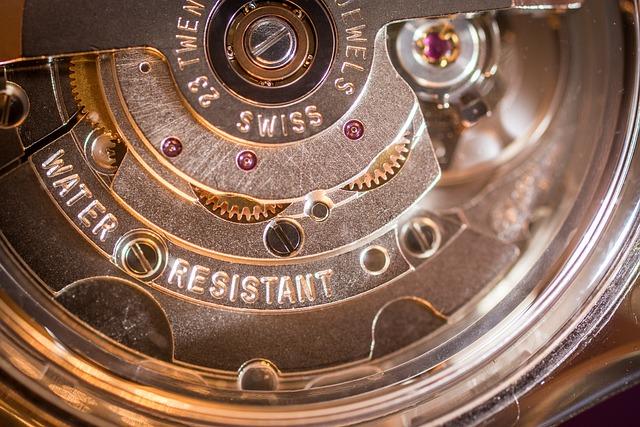
Key Features to Consider When Buying an Automatic Watch
When it comes to choosing the perfect automatic watch, it’s important to consider a few key features that will truly enhance your timepiece experience. Here are some factors to keep in mind:
- Mechanism: The heart of any automatic watch is its movement. The mechanism drives the watch’s hands and complications, ensuring accurate timekeeping. Look for watches with reliable and well-regarded movements, such as those made by Swiss manufacturers like ETA or automatic movements from esteemed brands like Seiko or Rolex.
- Power Reserve: Automatic watches rely on the natural motion of the wearer’s wrist to keep them running. However, they also have a power reserve that dictates how long they can continue to function without being worn. Consider the power reserve of the watch you’re interested in to avoid any inconvenience of having to keep resetting the time frequently.
- Water Resistance: Whether you’re planning on wearing your automatic watch every day or just on special occasions, it’s crucial to ensure it has some level of water resistance. You don’t want to risk damaging your prized possession if it accidentally gets wet. Look for watches with at least 30 meters of water resistance to be on the safe side.
- Materials: Automatic watches come in a variety of materials, each with its own unique characteristics. From stainless steel to ceramic, titanium to gold, the choice of material will affect both the watch’s appearance and durability. Consider your personal style, budget, and the level of durability you require when selecting the material of your watch.
By considering these key features, you’ll be well on your way to finding the perfect automatic watch that suits your style, budget, and functional needs.

Maintenance and Care Tips for Automatic Watch Movement
Automatic watch movement is a fascinating technology that powers some of the most elegant timepieces in the world. It is a mechanical movement that relies on the natural motion of the wearer’s wrist to keep the watch running. Unlike quartz watches, which are powered by batteries, automatic watches require regular maintenance to ensure optimal performance and longevity. Here are some maintenance and care tips to keep your automatic watch movement in top condition:
- Keep it Wound: Automatic watches need to be continuously wound to keep the watch movement running smoothly. If you don’t wear your watch every day, consider investing in a watch winder. This device will keep your watch consistently wound, preventing any loss of accuracy.
- Avoid Extreme Temperatures: Extreme heat and cold can affect the performance of the watch movement. Keep your automatic watch away from direct sunlight and avoid exposing it to extreme temperature changes, such as leaving it on a hot dashboard or wearing it during winter sports.
- Regular Servicing: Just like any other complex mechanical device, automatic watches require regular servicing. It is recommended to have your watch serviced by a professional every three to five years to ensure that the movement is properly cleaned, oiled, and adjusted. This will help maintain accuracy and prevent any potential issues.
- Protect from Magnetic Fields: Magnetic fields can disrupt the delicate components of an automatic watch movement. Avoid placing your watch near magnetic objects such as speakers, phones, or magnetic closures on handbags. If you suspect that your watch has been exposed to a strong magnetic field, consider having it demagnetized by a watchmaker.
By following these maintenance and care tips, you can ensure that your automatic watch movement remains in pristine condition for years to come. Remember, proper maintenance is essential to maintain the accuracy and longevity of your timepiece. Take care of your watch, and it will reward you with a lifetime of reliable timekeeping.
Closing Remarks
In conclusion, understanding the automatic watch movement is essential for any watch enthusiast. Whether you appreciate the intricate craftsmanship or simply admire the convenience of never needing to wind your timepiece, automatic watches offer a unique blend of technology and tradition.
Key takeaways from this article include:
1. Automatic watch movement refers to the self-winding mechanism within a watch that eliminates the need for manual winding.
2. The movement relies on a rotor that utilizes kinetic energy from the wearer’s wrist movements to power the watch.
3. The intricate components and complex engineering make automatic watches a prized possession for watch collectors.
4. Automatic watches don’t require batteries or constant winding, providing consistent accuracy and convenience in timekeeping.
5. Investing in an automatic watch not only allows you to appreciate the marvel of horology but also adds value to your watch collection.
So, the next time you find yourself perusing the watch market, don’t forget to consider automatic watches and appreciate the fascinating world of watch movements.
Get our latest guides, news, and insights highlighted in your Google Search & AI Overviews.