When Not to Change Time on Automatic Watch: Important Reminders
Are you a proud owner of an automatic watch? If so, then you’re probably aware of the exquisite craftsmanship and self-winding mechanism that make it a timeless accessory. However, there are instances when adjusting the time on your automatic watch might not be the best course of action. In this article, we’ll explore crucial reminders to keep in mind when it comes to the delicate task of setting your timepiece. By understanding when not to change the time on your automatic watch, you’ll be able to preserve its accuracy and longevity effortlessly. So, let’s delve into the fascinating world of horology and equip ourselves with the knowledge that every watch enthusiast should possess.
Contents
- When Not to Change Time on Automatic Watch: Important Reminders
- Understanding the Mechanism: How Automatic Watches Work and Why It Matters
- Avoiding Damage: Specific Activities and Environments to Be Cautious of When Owning an Automatic Watch
- Professional Help: When to Seek Assistance from a Watchmaker Regarding Time Changes
- Important Considerations: How to Evaluate Whether or Not to Change the Time on Your Automatic Watch
- To Conclude
When Not to Change Time on Automatic Watch: Important Reminders
One important aspect of owning an automatic watch is knowing when it’s best not to change the time. While these timepieces are designed to be reliable and accurate, there are a few situations where you should exercise caution. Here are some important reminders to keep in mind:
Power Reserve: When your watch’s power reserve is running low, it is not recommended to change the time. This is because adjusting the hands can put additional strain on the movement, potentially causing inaccuracies or even stopping the watch altogether. To avoid this, it is always advisable to wind your automatic watch fully or wear it for a sufficient amount of time before attempting any time adjustments.
Date Changeover: The date changeover mechanism in automatic watches usually takes place gradually over a few hours. Therefore, it is essential to avoid changing the time during this period. Doing so may disrupt the intricate mechanism and lead to misaligned or skipped dates. If you need to adjust the time close to the date changeover, it is recommended to stop the watch temporarily by pulling out the crown, make the necessary changes, and then push the crown back in.
Water Resistance: Changing the time on your automatic watch while it is exposed to water or in a humid environment is strongly discouraged. Water resistance is a fundamental feature of many timepieces, and altering the time underwater may compromise this protection. It is best to ensure your watch is dry and free from moisture before attempting any adjustments.
- Magnetic Fields: Strong magnetic fields can interfere with the precision of automatic watches. Therefore, it is crucial to avoid changing the time near magnetic objects, such as smartphones, speakers, or magnetic clasps. If you suspect your watch has been exposed to a magnetic field, it is advisable to have it demagnetized by a professional watchmaker.
The table below summarizes the important reminders when not to change the time on your automatic watch:
| Reminder | When Not to Change Time |
|---|---|
| Power Reserve | When power level is low |
| Date Changeover | During gradual date change |
| Water Resistance | When watch is wet or humid |
| Magnetic Fields | Near strong magnetic objects |
By keeping these important reminders in mind, you can ensure the longevity and accuracy of your automatic watch. Remember to always handle your timepiece with care and consult the manufacturer’s guidelines for specific instructions related to your watch model.

Understanding the Mechanism: How Automatic Watches Work and Why It Matters
Automatic watches are complex and fascinating pieces of engineering, relying on precise mechanisms to keep time accurately. These timepieces are powered by the movement of the wearer’s arm, eliminating the need for batteries or manual winding. Understanding how automatic watches work is not only interesting from a technical standpoint but also important for proper maintenance and care.
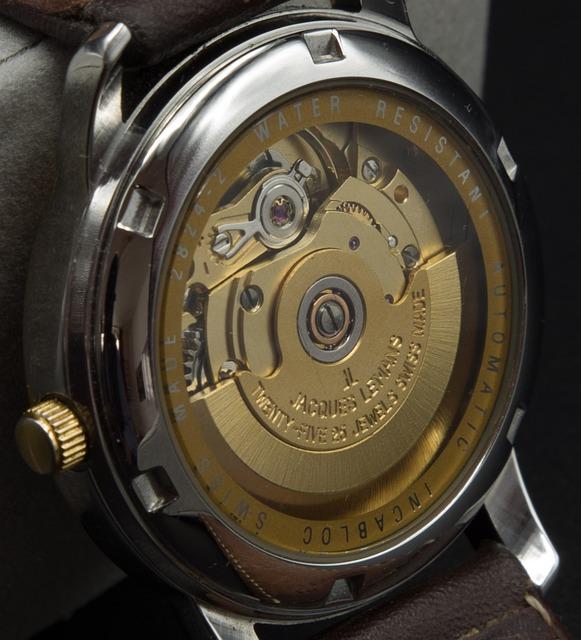
One key aspect of automatic watches is their self-winding feature. Inside the watch, a rotor moves with the motion of the wearer’s arm, transferring energy to the mainspring. This energy is then stored and gradually released to power the watch’s movement. It’s like having a miniature power generator on your wrist, ensuring that your watch keeps running as long as it’s worn regularly.
To ensure the accurate timekeeping of an automatic watch, it is crucial to avoid changing the time during certain hours. Most automatic watches have a mechanism called the “quickset” feature, which allows for adjusting the date and sometimes the day of the week without turning the hands for an extended period. However, changing the time during the so-called “danger zone,” typically between 9 pm and 3 am, can put stress on the watch’s delicate components and affect its accuracy.
During this danger zone, the automatic watch’s calendar mechanism is engaged, and any manual time adjustments can interfere with its operation. This can lead to misalignment or damage to the gears and springs responsible for displaying the date and day. It’s best to wait until the danger zone is passed before changing the time on your automatic watch to ensure its smooth functioning.
In addition to the danger zone, it’s important to avoid adjusting the date on an automatic watch between 9 pm and 3 am. This is when the internal gears responsible for transitioning the date are actively engaged. Making date adjustments during this time can disrupt their delicate movement, potentially causing misalignment or damage. To avoid any potential issues, it’s advisable to set the date outside of this period whenever needed.
Overall, understanding the mechanism behind automatic watches and being aware of the crucial timings when not to change the time or date is vital for maximizing their longevity and accuracy. By following these important reminders, you can ensure that your automatic watch continues to function flawlessly, delivering accurate timekeeping and preserving its intricate mechanisms for years to come.
Avoiding Damage: Specific Activities and Environments to Be Cautious of When Owning an Automatic Watch
When it comes to owning an automatic watch, there are certain activities and environments that you need to be cautious of in order to avoid potential damage to your timepiece. While automatic watches are built to withstand everyday wear and tear, it’s important to take some precautions to ensure their longevity. Here are some important reminders on when not to change the time on your automatic watch.
1. Avoid changing the time while underwater
Automatic watches are water-resistant, but it’s crucial to remember that they are not designed to be adjusted underwater. The water pressure can potentially damage the delicate internal mechanisms of the watch. Always make sure you are in a dry environment before attempting to change the time or date on your automatic watch.
2. Be cautious when participating in high-impact activities
Engaging in activities that involve high impact or rapid movements can cause severe shock to your automatic watch. This includes sports such as boxing, weightlifting, or rock climbing. The vigorous motions can affect the accuracy of the watch or even damage internal components. It’s best to remove your watch before participating in these activities to ensure its safety.
3. Avoid extreme temperatures
Automatic watches are designed to function within a specific temperature range. Exposing your watch to extreme heat or cold can disrupt its accuracy and performance. For example, leaving your watch in a hot car or exposing it to freezing temperatures can cause the lubricants to dry up or thicken, affecting the movement’s functionality. It’s important to keep your watch in a moderate temperature environment to maintain its optimal performance.
4. Take caution with magnetic fields
Magnetic fields are one of the biggest enemies of mechanical watches, including automatic ones. Strong magnetic fields can affect the accuracy of the watch’s movement, leading to erratic timekeeping. Avoid placing your watch near magnetic sources such as speakers, refrigerators, or magnets. If your watch comes into contact with a strong magnetic field, it’s necessary to have it demagnetized by a professional watchmaker to restore its accuracy.

Professional Help: When to Seek Assistance from a Watchmaker Regarding Time Changes
Automatic watches can be intricate and delicate timepieces that require special care and attention. While changing the time on your watch may seem like a simple task, there are certain instances where seeking professional help from a watchmaker is recommended.
1. Accuracy Issues:
If you notice that your automatic watch is consistently running fast or slow, it may be time to consult a watchmaker. They have the expertise to diagnose and resolve any accuracy issues your watch might be experiencing. A watchmaker can make the necessary adjustments to ensure that your timepiece keeps accurate time.
2. Complicated or Vintage Timepieces:
In the case of complicated or vintage automatic watches, it’s best to leave the time-changing process to the experts. These watches often have additional functions, such as a moon phase indicator or a perpetual calendar, which require precise adjustments. A watchmaker will have the knowledge and tools to handle these complexities without causing any damage to your valuable timepiece.
3. Water Resistance Concerns:
If your automatic watch is water-resistant, it’s essential to ensure that the proper precautions are taken when changing the time. Even the smallest oversight can compromise the watch’s water-resistant properties. A watchmaker can safely change the time without jeopardizing the watch’s integrity, preventing any potential water damage in the future.
4. Routine Maintenance:
Regular maintenance is crucial for the longevity and optimal performance of your automatic watch. When you take your watch to a watchmaker to change the time, they can also perform routine maintenance tasks, such as cleaning, lubricating, and inspecting the watch’s components. This ensures that your watch remains in excellent condition and continues to function flawlessly.
Remember, seeking professional help from a watchmaker for time changes is not always necessary. Many modern automatic watches come with user-friendly features that allow for easy time adjustments. However, in the cases mentioned above, it’s wise to rely on the expertise of a watchmaker to safeguard the intricate workings of your beloved timepiece. After all, the precision and craftsmanship of an automatic watch deserve nothing less.

Important Considerations: How to Evaluate Whether or Not to Change the Time on Your Automatic Watch
When owning an automatic watch, there may come a time when you need to consider changing the time. However, it’s important to evaluate whether or not it’s the right decision. Here are some significant considerations to keep in mind:
- Accuracy: One of the essential factors to consider is the accuracy of your watch. Automatic watches are known for their precision, but sometimes they can drift over time. If you notice a significant time difference, it’s probably the right time to make an adjustment.
- Accuracy Testing: To assess the accuracy of your watch, you can perform a simple accuracy test. Keep an eye on the time displayed and compare it to a reliable timekeeping source, such as your smartphone or a wall clock. Note any discrepancies and determine whether they are significant enough to warrant a change.
- Seasonal Changes: Another crucial factor to consider is seasonal changes. Some automatic watches may experience variations in timekeeping due to temperature and humidity fluctuations. If you notice consistent time discrepancies during certain seasons, adjusting the time might be necessary.
It’s important to remember that changing the time on your automatic watch should be done with care, as improper adjustments can affect its performance. If you’re unsure or uncomfortable with making the change yourself, it’s always recommended to seek professional assistance from a qualified watchmaker or jeweler.
To Conclude
In conclusion, it is crucial to be aware of certain circumstances when you should refrain from changing the time on your automatic watch. By following these important reminders, you can ensure the smooth operation and longevity of your timepiece. Remember, avoid adjusting the time during the power reserve period or while the watch is submerged in water. Be cautious when crossing time zones, respecting the process unique to your watch. Additionally, take special care when handling your watch during DST changes to prevent any potential damages. Always consult the manufacturer’s guidelines for specific instructions tailored to your automatic watch. By respecting these key takeaways, you will not only maintain the accuracy and efficiency of your timekeeping piece but also preserve its value for years to come.
Get our latest guides, news, and insights highlighted in your Google Search & AI Overviews.