

Why Does My Rolex Datejust Keep Stopping: Common Fixes
Your Rolex Datejust is more than just a timekeeper-it’s a finely tuned automatic marvel powered by Rolex’s in-house calibers, designed for precision and durability. So, when your datejust keeps stopping unexpectedly, it’s natural to worry. This common issue often points to simple mechanical hiccups like insufficient wrist movement,a low power reserve,or dirt interfering with the movement’s smooth operation. Understanding why your Datejust pauses and how to remedy it bridges the gap between frustration and confidence in your watch’s performance. Whether you’re a seasoned collector or a newcomer enchanted by Rolex’s craftsmanship, uncovering these fixes not only keeps your investment running but deepens your gratitude for the intricate mechanics inside. Let’s explore the typical causes behind a stopping Datejust and practical steps to get it ticking reliably again-no snobbery, just straightforward, passionate watch talk that honors both technical know-how and the joy of wearing one of horology’s most iconic pieces.
Contents
- Common Reasons Your Rolex Datejust Stops Running
- How the Rolex Datejust Movement Works: Caliber Explained
- Impact of Daily Wear Habits on Watch Performance
- Diagnosing Power Reserve and Winding Issues
- Role of Magnetic Fields and Shock in Movement Failure
- Cleaning and Lubrication: DIY Maintenance Tips
- When to Service Your Rolex Datejust: Signs and Frequency
- Choosing the Right Rolex Service Center for Repairs
- Replacing Parts: Cost and authenticity Considerations
- Preventing future Stoppages: Best Practices for care
- FAQ
- Q: How can temperature changes cause my Rolex Datejust to stop unexpectedly?
- Q: What role does improper manual winding play in a Rolex Datejust stopping?
- Q: Can a faulty rotor cause my Rolex Datejust to stop running?
- Q: How does wearing my Rolex Datejust loosely affect its movement?
- Q: Could water damage cause my Rolex Datejust to stop suddenly?
- Q: Why might a magnetized Rolex Datejust movement stop working properly?
- Q: What should I do if my Rolex Datejust stops after a shock or impact?
- Q: How often should I have my Rolex Datejust serviced to prevent it from stopping?
- Concluding Remarks
Common Reasons Your Rolex Datejust Stops Running
A Rolex Datejust is a marvel of mechanical engineering, but even the most meticulously crafted timepieces can encounter issues that cause them to stop unexpectedly. One of the most common reasons your Datejust might halt is simply due to its power reserve running out. The automatic Caliber movements inside, like the well-regarded 3135 or newer 3235, rely on motion to keep wound. If you haven’t worn the watch for a day or two, or if your wrist movement has been minimal, the watch can wind down and stop.
beyond just winding, mechanical interruptions such as dirt buildup or dried lubrication inside the movement can increase friction and hinder the smooth operation of gears and the escapement. These microscopic particles or lack of proper oiling can cause your Rolex to lose power or even seize temporarily. Another cause to consider is the crown not being fully screwed down. As the Datejust is designed with a screw-down crown to maintain its water resistance and protect the movement from dust and moisture, an unscrewed or loosely positioned crown can cause the watch to stop or run erratically.
Magnetic interference is a sneaky but frequently enough overlooked factor. Modern urban life exposes watches to magnetic fields from smartphones, laptops, and speakers, which can magnetize the delicate hairspring inside the Rolex movement. When magnetized, the hairspring coils stick together, causing timing errors or complete stoppage. Fortunately,Rolex movements are fitted with Parachrom hairsprings that are highly resistant to magnetism,but extreme exposure can still create issues.
Common Culprits at a Glance
- Insufficient Winding: Lack of wrist movement or manual winding stops power flow.
- Crown Position: Crown not fully screwed down allowing moisture or dust ingress.
- dirt and Lubrication Breakdown: Movement oils dry out,causing friction and wear.
- Magnetic Exposure: Magnetic fields disrupt the hairspring’s oscillations.
- Shock or Impact: Sudden knocks can dislodge components or affect balance wheel function.
Understanding these factors can save you rapid frustration and avoid needless trips to the watchmaker.A simple remedy might be as easy as giving your Datejust a few gentle shakes to restart the rotor winding or confirming the crown is correctly sealed. However, persistent stoppages often signal that your watch is due for a professional service where cleaning, lubrication, and regulation restore its precision and reliability. Remember, respecting the mechanical artistry inside your datejust keeps it running smoothly and preserves its legacy – just like appreciating engineering whether from Rolex or a humble Tissot makes you a true enthusiast without snobbery.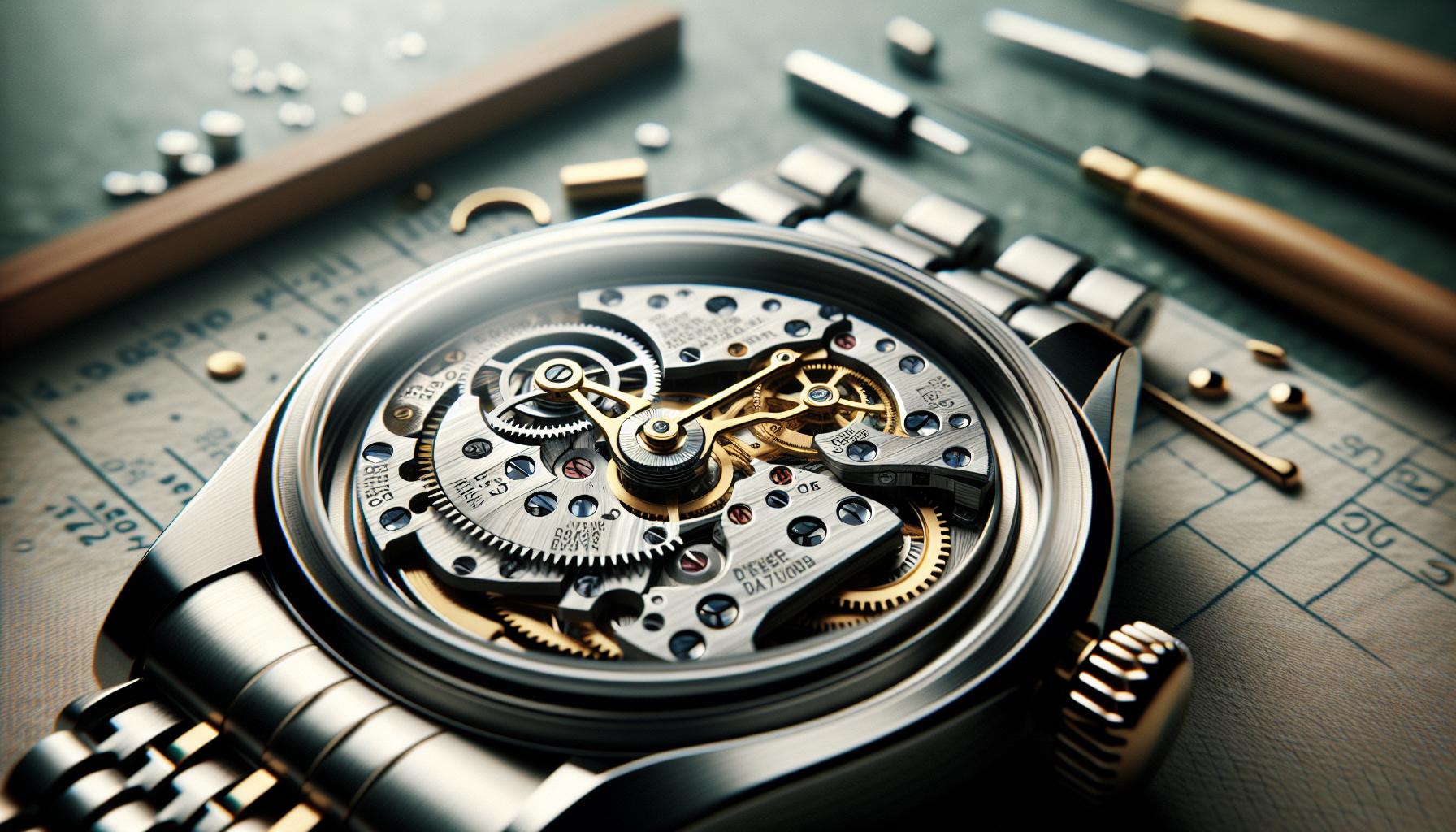
How the Rolex Datejust Movement Works: Caliber Explained
Few watch movements have earned as much admiration and respect among enthusiasts-and casual wearers alike-as the Rolex Caliber 3135 and its successor, the Caliber 3235, the beating hearts of many Datejust models. Both are prime examples of Rolex’s dedication to robust engineering, precision, and reliability in a self-winding or automatic mechanical movement. Understanding how these calibers work not only deepens appreciation for your Datejust but also sheds light on why it may occasionally stop running.
At the core, these movements are automatic calibers, meaning they wind themselves using the kinetic energy generated by your wrist movements. A central component here is the rotor, a semi-circular weight that spins freely when you move your arm, transferring energy through a series of gears to tighten the mainspring-the watch’s main power source. When fully wound, the caliber 3135 typically offers about 48 hours of power reserve, while the newer caliber 3235 extends this to roughly 70 hours, meaning it can keep running for close to three days without additional motion. though, if your watch isn’t worn regularly or manually wound, the mainspring will slowly unwind, causing it to stop.
Beyond the power mechanism,the hallmark of these calibers is their innovative approach to durability and precision. The introduction of Rolex’s Parachrom hairspring, which is highly resistant to magnetic fields and temperature changes, enhances accuracy by stabilizing the balance wheel’s oscillations. In these rotary systems, the escapement and balance wheel coordinate to regulate timekeeping by controlling the release of energy from the mainspring to the gears. Dirt, dried lubricant, or shock impacts inside any of these interconnected parts can upset this delicate harmony, explaining why maintenance is crucial.
Key Features of Rolex Caliber 3135 & 3235
- Self-winding Movement: Powers the watch using your wrist’s natural motion, reducing the need for manual winding.
- Parachrom Hairspring: Offers enhanced resistance to magnetism and shocks, improving reliability.
- Chronometric Precision: Both calibers are COSC-certified, ensuring accuracy within -4/+6 seconds per day.
- Instant Date Change: Datejust’s signature quickset date function shifts instantly at midnight.
- Robust Build: High-quality materials and advanced manufacturing minimize wear and tear.
For enthusiasts and collectors, seeing the caliber as an intricate ecosystem helps explain why consistent wear and proper care dramatically affect performance. Such as, if the watch stops, it might not just be an “empty battery” situation (since it’s mechanical) but could mean the rotor isn’t spinning efficiently, or dirt is creating undue friction. Understanding these principles also empowers you to troubleshoot simple fixes-like giving the watch a gentle shake to jumpstart the rotor or ensuring the crown is fully secured to prevent dust ingress-before heading to a professional.
Whether you wear your Datejust daily or rotate it among other pieces, knowing the nuts and bolts of what’s ticking inside creates a deeper connection. It’s the same bridge of knowledge and passion that links enthusiasts appreciating a flawless Rolex cal 3135 and those reveling in the gutsy mechanics of an everyday Casio G-shock or a vintage Tissot movement. the craft, the science, and the art behind these tiny machines deserve that respect-no matter the price point.
| Caliber | Power Reserve | Jewels | Frequency | Date Function | Notable Innovations |
|---|---|---|---|---|---|
| 3135 | ~48 hours | 31 | 28,800 vph (4 Hz) | Instant date change | Parachrom hairspring, chronometer-certified |
| 3235 | ~70 hours | 31 | 28,800 vph (4 Hz) | Instant date change | Enhanced escapement, Chronergy system, Parachrom hairspring |

Impact of Daily Wear Habits on Watch Performance
Even the best automatic movement can “clock out” early if everyday wear habits don’t align with the needs of a finely tuned mechanical watch. A Rolex Datejust’s high-precision Caliber 3135 or 3235 thrives on consistent wrist motion to keep the rotor spinning and the mainspring wound. If you’re suddenly noticing your Datejust stopping or losing time, your daily routine might be the unsung culprit behind the hiccup.
because Rolex automatic movements rely on kinetic energy from your wrist, amount and type of activity play a big role. Sitting at a desk or engaging in minimal arm movement for extended periods may leave the rotor barely nudged – insufficient to fully wind the mainspring. conversely, more active wear, like brisk walking or normal arm movements, keeps energy flowing smoothly. But even then, if you switch between multiple watches or store the Datejust unworn for days, the power reserve naturally winds down (48 hours for the 3135, closer to 70 for the 3235). Regular manual winding becomes your friend here to bridge certain gaps in wear.
Another factor often overlooked is how the watch fits on your wrist. A loose bracelet or strap can reduce rotor efficiency because it allows excess play instead of consistent motion. Picture the rotor as a pendulum – too much wobble and it doesn’t swing optimally. Ensuring a snug but pleasant fit helps the entire automatic winding system perform at its best.
Daily Habits That Affect Performance
- Minimal wrist activity: Desk jobs or arm-resting positions minimize rotor spins.
- Intermittent wear: Switching watches frequently or long storage periods cause slow mainspring unwinding.
- Improper bracelet sizing: too loose impacts kinetic energy transfer.
- Manual winding habits: Neglecting manual winding for days impairs power reserve.
- Environmental exposure: Excessive heat, cold, or moisture may degrade lubricants, subtly affecting winding smoothness.
For collectors who adore both high-end Rolexes and everyday staples like a Casio G-Shock or vintage Tissot, this highlights a worldwide truth: mechanical watches are living art forms that respond to how you treat and wear them. While the Datejust’s robust engineering copes well with real life, it’s not magic. Embracing mindful wear-not just flash or style-ensures your timepiece stays marathon-ready, not a Sunday sprinter.
Embracing this perspective also demystifies the necessity of manual intervention: giving your Datejust a few deliberate winds (around 20-30 turns of the crown) before putting it on after a day off can jumpstart the power reserve and maintain accuracy. This “little nudge” honors the movement’s engineering without undue wear.
In sum, think of your Rolex Datejust as an elegant partner that thrives on your routine rhythm. Small adjustments – like ensuring a secure fit, mindful wrist movement, and occasional manual winding – enhance that partnership, keeping your watch not only ticking but thriving as the masterpiece it’s designed to be.
Diagnosing Power Reserve and Winding Issues
A Rolex Datejust’s power reserve and winding system are marvels of mechanical engineering-but like any precision instrument, they rely on proper upkeep and awareness to perform flawlessly. When your Datejust stops unexpectedly, the culprit often lies within nuances of its winding efficiency or power reserve management-not always a sign of catastrophic failure, but definitely a signal to diagnose carefully.
At the heart of the Datejust is Rolex’s famed self-winding caliber 3135 or the newer 3235, each equipped with a mainspring that stores energy for roughly 48 to 70 hours respectively. This energy reserve is paramount: it ensures your watch keeps ticking even when off your wrist. A watch stopping too soon usually means the mainspring isn’t getting fully wound-either as of insufficient wrist movement or a technical hitch.Before jumping to service, try a simple test: give your watch 20-30 deliberate manual crown winds, which fully tensions the mainspring, then wear it during your normal activity. if it runs continuously without issue, the problem may simply be lifestyle-related, like long periods of desk time or switching between watches frequently.
Common Causes and Diagnostic Steps
- Insufficient kinetic input: Automatic watches use a rotor that spins with wrist motion to wind the mainspring. If your wrist is too still-think prolonged desk work or light arm movement-the rotor energy transfer is too little. A quick fix: winding the crown manually before wearing to jumpstart energy storage.
- Loose bracelet or strap: It might sound trivial, but a bracelet that’s too loose can dampen rotor movement, reducing winding efficiency. A snug fit ensures the rotor swings optimally, avoiding energy loss through unnecessary plank motion.
- Main spring or winding system wear: over time, lubricants dry or components like the reversing wheels (responsible for winding direction) may degrade. This subtle friction can reduce winding power, and though more rare, it requires professional servicing.
- Power reserve inconsistencies: If you notice irregular durations between full winds, it’s frequently enough worthwhile to track your watch’s winding state over days. Logging wind status can reveal if the watch maintains nominal power or loses energy prematurely-signaling internal issues.
manual Winding: An Underappreciated Ally
Even the most active wrists may not provide the consistent rotor spins needed during sedentary spells or irregular wear patterns. Manual winding bridges this gap. This ancient yet essential ritual prevents your datejust from “clocking out” unexpectedly. Remember, Rolex designed their crown system to handle manual winding regularly, so turning the crown 20-30 times engages the barrel fully without harming the movement.
If after testing, manual winding and proper fit don’t solve the intermittent stoppage, it may hint at a deeper problem, such as worn mainspring tension or dirt interfering with the barrel’s function-both of which require professional attention.
| Common Symptom | Potential Cause | Quick Check | Recommended Action |
|---|---|---|---|
| Stops after short wear | Insufficient wrist movement or loose strap | Manual wind, check bracelet fit | Tighten bracelet, increase daily wrist activity |
| Needs frequent manual winding | Mainspring or automatic winding mechanism wear | Track power reserve times | Schedule Rolex service |
| Runs irregularly then stops | Dirt/lubricant degradation | Listen for unusual sounds, check service history | Professional cleaning and lubrication |
Diagnosing winding and power reserve troubles isn’t just about preventing downtime-it’s an opportunity to appreciate the intricate interplay of motion, energy, and mechanics in your Datejust. With proper attention and a little daily care, your Rolex can remain not just a reliable timekeeper but a daily wrist companion celebrating the art and science of horology.
Role of Magnetic Fields and Shock in Movement Failure
Magnetic fields and shocks might seem like minor nuisances, but they can have surprisingly significant effects on the delicate mechanics inside your Rolex Datejust. This watch relies on a finely tuned balance wheel and hairspring system-a bit like the heart and lungs of mechanical timekeeping. when exposed to magnetic interference, these components can become magnetized or misaligned, causing the watch to run erratically or even stop altogether.
Rolex movements like the Caliber 3135 and 3235 incorporate anti-magnetic materials such as Parachrom hairsprings, which greatly enhance resistance to everyday magnetic exposure. However, strong magnets from items like speakers, smartphones, or security gates can still cause temporary disruption. The result? Your Datejust might start gaining or losing time, or worse, cease running until demagnetized. It’s an often-overlooked issue that’s easier to fix than you might think-most watchmakers have demagnetizing devices, and the process is quick and non-invasive.
Physical shocks are another common culprit. Despite Rolex’s robust Oyster case and shock-absorbing mechanisms like the Paraflex system, hard knocks can jostle or damage sensitive movement parts. A sudden impact might displace the balance wheel or loosen jewels, impairing the smooth oscillation that keeps time precise. Even dropping your watch onto a hard surface or a rough impact during sports can introduce enough trauma to interrupt its function temporarily or cause longer-term wear.
- Everyday environments to beware of: Avoid placing your watch near strong magnets (like induction cooktops or heavy speakers) and try to be mindful of high-impact activities without proper wrist protection.
- Symptoms of magnetic interference: Sudden time gains/losses, inconsistent running, or stops that resume after a gentle shake.
- Indicators of shock damage: Erratic ticking noises, loss of accuracy, or failure to start without manual winding.
If you suspect magnetic influence, a simple demagnetization at a trusted Rolex service center can restore your watch’s rhythm without disassembling the movement. For shock-related issues, a comprehensive inspection may be necessary to check for internal damage. While Rolex builds resilience into its design, treating your Datejust with everyday care-like avoiding strong magnetic fields and minimizing drop risks-goes a long way to keeping it running smoothly as the mechanical marvel it is indeed.
| Issue | Common Causes | Symptoms | Recommended Action |
|---|---|---|---|
| Magnetic Interference | Exposure to strong magnets (phones, speakers, electronic devices) | Erratic timekeeping, sudden stops, watch running fast or slow | Demagnetization at a professional service center |
| Shock Damage | Dropping the watch, blunt force impact, intense physical activity | irregular ticking, inaccurate time, failure to start | Movement inspection and repair by certified Rolex technicians |
Cleaning and Lubrication: DIY Maintenance Tips
Few things showcase mechanical artistry like a finely tuned Rolex Datejust, yet even these masterpieces benefit from regular gentle care to stay in top form. While complete servicing requires a professional touch,there are accessible daily habits and basic upkeep steps you can take yourself to support your watch’s longevity and smooth function. Think of cleaning and lubrication not as full repairs but as preventive touchpoints that help your Datejust glide effortlessly through time.
Essentials of External Cleaning
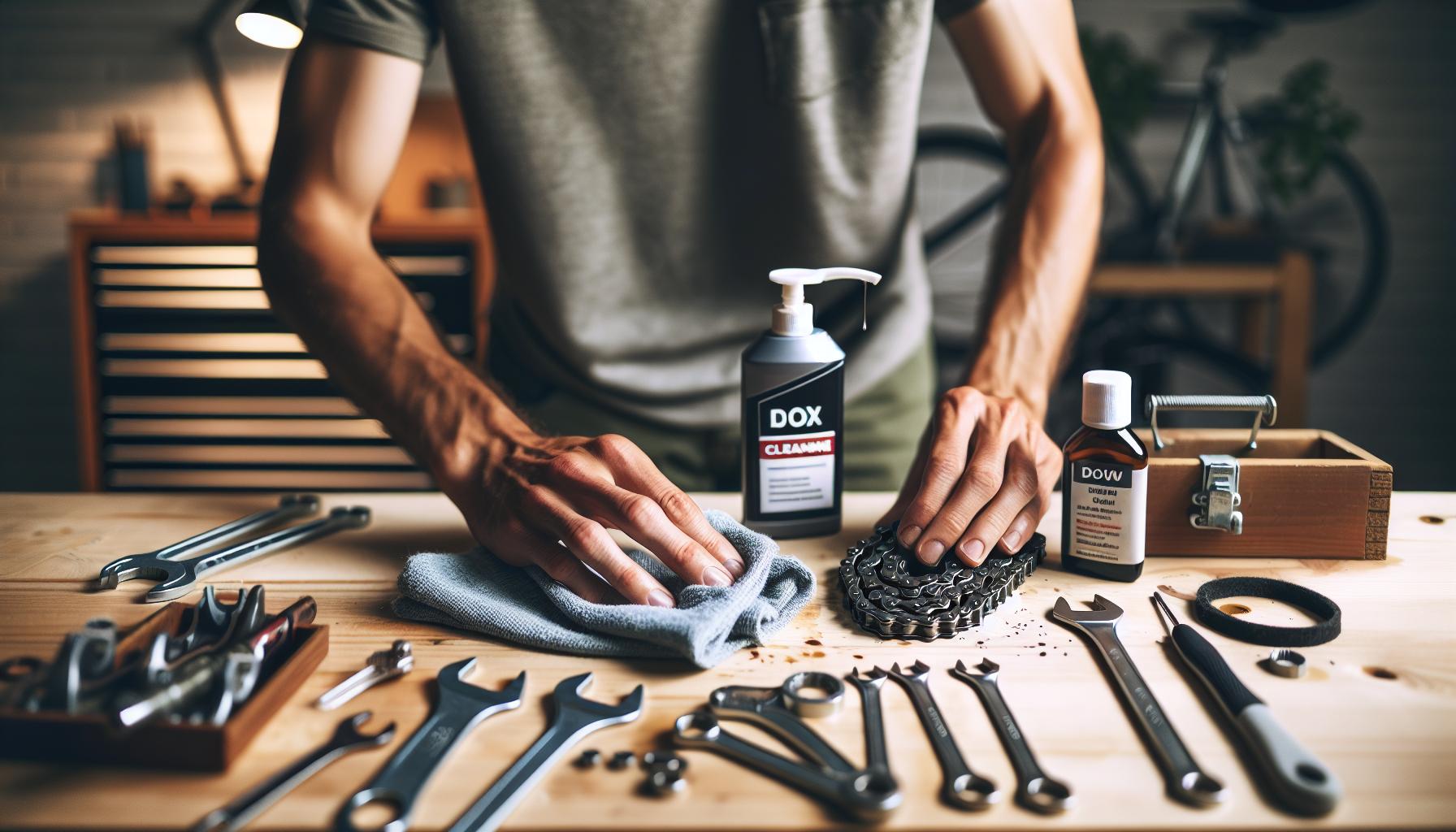
as your Datejust packs a complex automatic movement (like the celebrated Rolex caliber 3235) inside a robust Oyster case, it’s surprisingly resilient against dirt and debris-but not impervious. sweat,dust,and skin oils can accumulate in the bracelet links,around the crown,or on the bezel,eventually hampering smooth operation if left unattended. A simple rinse under lukewarm water (with the winding crown securely closed) followed by a gentle brush with a soft toothbrush can clear away grime safely. Avoid harsh detergents; a mild soap suffices. Dry carefully with a soft lint-free cloth to maintain the bracelet’s finish and prevent moisture buildup.
- Tip: Regularly wipe your watch to remove sweat and environmental residues,especially after exercise or exposure to saltwater.
- Bracelet care: For metal bracelets, periodic soaking and brushing remove hidden dirt. Leather straps are a different story-avoid water and opt for specialized leather cleaners to maintain suppleness.
lubrication: Why DIY Is Tricky (But Awareness Helps)
Inside the Datejust, hundreds of tiny components rely on well-applied lubricants to minimize friction and wear. Rolex calibers like the 3135 and 3235 use proprietary oils carefully applied by highly trained technicians during servicing. The lubricants not only preserve precision but also extend the lifespan of parts like the escapement and gears. Attempting to lubricate a mechanical movement yourself is risky without specialized tools and knowledge-misapplication can attract dust, gum up pivots, or even damage jewels.
Still, understanding lubrication principles can definitely help you as a collector:
- Signs of poor lubrication: Increased friction leads to erratic timekeeping, a watch that stops intermittently, or a sensation of stiffness when manually winding.
- DIY limits: If your Datejust exhibits these symptoms, it’s a cue to schedule a professional service rather than trying home fixes.
What You Can’t Skip: Professional Servicing
Even the best care won’t replace expert cleaning and lubrication every 5-10 years depending on wear. Rolex-trained watchmakers use ultrasonic cleaning machines,movement disassembly,oil replacements with exact Moebius equivalent lubricants matching Rolex specs,and precision calibration tools you won’t find on a kitchen bench. This meticulous overhaul resets the movement’s heart to factory condition and prevents premature wear that DIY can’t easily address.
| Task | DIY-Friendly? | What It Accomplishes |
|---|---|---|
| External Cleaning (case, bracelet) | Yes | Removes grime, sweat, and debris, protecting seals and finish |
| Lubrication of Movement Parts | No | Reduces friction, ensures smooth gear operation, prevents wear |
| Demagnetizing and Precision Adjustment | No (requires tools) | Restores timekeeping stability affected by shocks and magnets |
Appreciate your Datejust as the superb automatic also known as a self-winding watch it is – it harnesses your wrist’s every movement to power its in-house caliber.wearing it regularly and winding manually when idle are simple ways to keep oils spread evenly inside.Rough habits, infrequent wear, or exposing your watch to dust and moisture without cleaning can undermine the magic inside.
Being proactive with cleaning and understanding lubrication’s role equips you to recognize when a minor hiccup signals a need for expert care rather than panic or guesswork-your Rolex deserves both respect and practical love to glide reliably across decades.
When to Service Your Rolex Datejust: Signs and Frequency
Mechanical marvels like the Rolex Datejust need more than just wrist time to stay in peak condition-they require timely professional attention that preserves their precision and artistry. While regular wear and basic upkeep go a long way,spotting the early signs that your datejust is ready for a full service can save you from unexpected stoppages or costly repairs down the line. Rolex recommends servicing about every 10 years; though, individual factors like wear habits, storage conditions, and exposure to elements can shift that timeline.
A major red flag is when your Datejust starts losing or gaining a noticeable amount of time daily, or worse, stops unexpectedly despite consistent wear and manual winding. These symptoms frequently enough point to dried or degraded lubrication inside the caliber 3135 or 3235 movement, worn components, or even issues with the mainspring tension. The signature self-winding mechanism depends on smooth, friction-free pivots, and when oils age or dirt infiltrates, it can choke power transfer. Similarly,if you experience stiffness when winding the crown or feel a grinding sensation,it’s a gentle warning that internal parts need attention.
Recognizing Service-Worthy Signs Early
- Timekeeping irregularities: More than 10-15 seconds a day deviation can indicate movement fatigue.
- Power reserve dips: Your watch stops running sooner than the expected ~70 hours despite regular wear.
- Crown operation issues: difficulty in winding, setting the date, or screwing down the crown might affect water resistance and internal seals.
- Condensation or moisture inside the crystal: Any sign of moisture means immediate servicing to protect delicate mechanics.
- Physical shocks or magnet exposure: Sudden drops or strong magnets can knock the movement out of calibration or cause stoppage.
Scheduling a service sooner rather than later in these cases prevents greater wear on costly replacement parts. Some collectors schedule an interim check-up every 5 years to catch minor issues early, especially if you put your watch through harsh environments or active wear. Remember,service is not only about fixing problems but resetting your Datejust’s beating heart for another decade of reliable function.
Balancing Service Frequency with Wear Patterns
If you wear your Datejust daily and keep it wound-either by wrist movement or manual winding when off-the oils inside its automatic movement spread more evenly, slowing wear. Conversely, watches sitting idle for months or worn sporadically may see lubricants congeal unevenly, increasing the servicing urgency. Climate also matters; extreme heat, cold, or humidity accelerate seal degradation and lubricant breakdown. Dealers frequently enough advise a professional check every 5-7 years as a preventive measure, especially for vintage models, whose older oils harden faster.
| Wear Pattern | Recommended Service Interval | Notes |
|---|---|---|
| Daily Wear, regular Manual Winding | 8-10 years | Lubrication distributes evenly with consistent motion |
| Occasional Wear (weeks/months off) | 5-7 years | Lubricants and seals may degrade faster; movement idle |
| Vintage or Heavily Used Datejust | 3-5 years | Older oils harden, worn parts need quicker attention |
| Exposure to Extreme conditions | 5 years or less | Environmental factors accelerate wear and compromise seals |
Whenever you hand off your Datejust for servicing, ensure the technicians are Rolex-certified, as their expertise preserves the watch’s original craftsmanship and resale value. Cutting corners with unauthorized repairs risks non-genuine components or improper lubrication that can shorten your watch’s life.
understanding when your Rolex Datejust silently signals its need for professional care keeps you connected to its intricate, self-winding soul. With timely service,your Datejust will not only regain its smooth heartbeat but continue telling your story with class,precision,and the quiet confidence that defines Rolex craftsmanship.
Choosing the Right Rolex Service Center for Repairs
Finding a trustworthy service center for your Rolex Datejust can feel like navigating a maze, but the right choice is essential to preserve your watch’s precision and value. Rolex movements-whether the classic Caliber 3135 or the newer 3235-are intricate mechanical masterpieces that demand specialized care. Unlike generic watchmakers, authorized Rolex service centers have access to genuine parts, know the exact lubrication standards, and follow strict protocols to ensure your watch runs smoothly for another decade or more.
When evaluating where to get your datejust repaired or serviced,prioritize Rolex-certified technicians. These professionals have undergone rigorous training on Rolex’s proprietary in-house movements and use calibrated equipment for testing accuracy and waterproofness. While autonomous watchmakers might provide cheaper fixes, warranty concerns arise if they use non-genuine parts or apply inappropriate lubricants-both of which can cause premature wear or even movement failure. Actually, the proprietary oils Rolex prescribes-like those for Caliber 3135 calibration-require equivalents that aren’t easily sourced outside official channels, so DIY or unauthorized service is a gamble[[2]].
Costs at official centers may be higher, but the value proposition is in full technical transparency and authenticity. A fully serviced Rolex benefits from brand support,test certificates,and properly replaced seals that uphold water resistance. Consider this like choosing factory-authorized maintenance for a high-performance car; it protects your investment rather than compromising it with perhaps substandard materials. Some collectors share stories where inexpensive shortcuts led to significant damage, forcing a costly overhaul later-proof that initial savings can be misleading.
What to Look for in a Service Center
- Certification and Warranty: Verify the service center is officially linked to Rolex or accredited by respected horological bodies.
- Experience with Your Model: Caliber-specific treatment is critical. A watchmaker familiar with Caliber 3135 or 3235 understands nuances like the automatic winding rotor’s smoothness and date complication intricacies.
- Transparent Estimates: A clear breakdown of parts replacement,labor,and testing fees ensures no surprises. Rolex service typically includes disassembly, ultrasonic cleaning, oiling, calibration, pressure testing, and polishing.
- Turnaround Time: Be realistic about how long a thorough overhaul can take-usually several weeks, considering parts sourcing and testing.
Balancing Cost, Quality, and Convenience
If you’re passionate about watches, you’ll appreciate how fragile a Rolex movement really is-it’s not just about shiny metal but finely tuned gears, springs, and jewels working in harmony. Sometimes it’s worth investing a little more upfront to avoid compromising longevity or accuracy. On the flip side, if budget is tight, some independent master watchmakers with stellar reputations and access to genuine parts can be viable alternatives. Still, ask lots of questions about their sourcing policies and see if they offer guarantees comparable to official service centers.
Ultimately, selecting a service center should feel like entrusting your Datejust to a knowledgeable collector-friend who respects both horological craftsmanship and the emotional connection you share with your watch. Ask for references, read reviews, and don’t hesitate to lean on forums or local watch communities.Your goal is to find a service partner who treats each screw and pivot as an art form-not just a repair job.
| Service center Type | Pros | Cons |
|---|---|---|
| Authorized Rolex Service Center | Genuine parts, expert training, full warranty, water-resistance certified | Higher cost, longer wait times |
| Experienced Independent Watchmaker | Potentially lower cost, personalized service, faster turnaround | Risk of non-genuine parts, variable expertise |
| DIY or Unauthorized Service | Cheapest option, immediate repairs | High risk of damage, voids warranty, may shorten watch lifespan |
Replacing Parts: Cost and authenticity Considerations
A Rolex Datejust is more than just a timekeeper-it’s a finely crafted mechanical marvel where every gear and spring plays a crucial role. When parts need replacing, the stakes are high: opting for genuine Rolex components is essential to maintain accuracy, durability, and resale value. Unlike quartz or simpler mechanical watches, the Datejust’s in-house caliber movements-whether the venerable Caliber 3135 or the advanced 3235-feature proprietary designs that depend heavily on meticulously engineered parts, lubricated precisely to Rolex’s standards.
Choosing authentic parts is not just about brand prestige; it’s about mechanical harmony.A genuine Rolex replacement part-from the balance wheel to the rotor or the date mechanism-ensures the exact tolerances and materials. Non-OEM parts, even if visually similar or cheaper, can introduce fitment issues or premature wear. For example, a subpar mainspring might compress incorrectly, leading to inconsistent power delivery that causes your Datejust to stop unexpectedly.Likewise, misaligned date wheels or incorrect jewels affect smooth gearing and shock resistance, ultimately degrading performance and risking deeper movement damage.
Understanding Replacement Costs
Authentic parts and expert labor come at a premium. Authorized Rolex service centers typically charge several hundred dollars or more for parts replacements, reflecting the quality control, warranty backing, and inclusion of strict testing protocols. For example:
| Part | Approximate Cost Range* | Notes |
|---|---|---|
| Mainspring | $150 – $300 | Critical for power reserve; OEM ensures longevity |
| Rotor Assembly | $350 – $600 | Key for automatic winding efficiency |
| Date Wheel | $200 – $400 | Precise date jumps require exact part matching |
| Balance Staff | $400 – $700 | Delicate part affecting timekeeping accuracy |
(*Prices vary by region and service center)
While independent watchmakers might offer reduced costs and faster turnaround, it’s vital to ask detailed questions about part sourcing. Some reputable independents secure genuine Rolex parts through authorized channels, but others may resort to aftermarket or refurbished components without disclosure.This practice risks voiding Rolex warranties and potentially harming the movement’s intricate ecosystem.
The Risk of Counterfeit or Non-Genuine Parts
Counterfeit watch parts have flooded various markets, sometimes convincing even seasoned collectors at a glance. Yet, beneath the surface, they lack metal quality, exact machining, and heat treatment standards. Installing such parts often results in:
- Accelerated Wear: Incorrect hardness leading to faster gear erosion.
- Impaired Lubrication: Surface roughness causes oil to disperse unevenly.
- Functional Failures: For instance, poor date wheels causing misalignment or skipping.
- Warranty Voids: Official service centers reject warranties when unauthorized parts are found.
Rolex’s proprietary lubricants compound these issues, as they are formulated to work hand-in-hand with genuine parts’ material chemistry. Mixing an aftermarket part with rolex oil or vice versa risks malfunction.
Balancing Investment with practicality
For many enthusiasts, preserving the Datejust’s heritage and performance outweighs initial savings. Think of it as choosing between original factory parts for a classic car versus cheaper imitations-though both get you back on the road, only the original retains value and reliability in the long term.
That said, if parts wear due to accidental damage or aging is minimal and verified, some collectors opt to wait for official servicing intervals rather than immediate replacement to avoid unnecessary costs. In all cases, open interaction with your service provider about parts authenticity and repair scope empowers you to make informed choices.
replacing parts in a Rolex Datejust is as much about respecting decades of Swiss craftsmanship as it is about technical precision. Every part swapped is a step in maintaining mechanical poetry-where authenticity and quality sustain your watch’s heartbeat for decades to come.
Preventing future Stoppages: Best Practices for care
Rolex Datejust watches are marvels of precision engineering, but like all finely tuned machines, they thrive best with mindful care that matches their complexity. One underrated yet impactful habit is to wear your watch regularly and actively.As the Datejust features an automatic movement-commonly the Caliber 3135 or the newer 3235-the rotor inside harnesses wrist motions to wind the mainspring. Wearing it daily or storing it in a quality watch winder helps maintain consistent power, ensuring the movement stays lubricated and running smoothly. Leaving it inactive for long periods can cause oils to thicken or migrate, increasing friction and the risk of unexpected stoppages.
Environmental awareness goes a long way in preventing movement faults.Magnetic fields, though common in everyday life-think smartphones, speakers, or MRI machines-can magnetize internal components like the hairspring, disrupting timing or halting the movement.Keeping your Datejust away from strong magnets or investing in a demagnetizer if you suspect exposure can return it to its precision rhythm. Similarly, protect your watch from sharp shocks or impacts; while Rolex calibers include shock absorbers, repeated jolts or drops can misalign delicate parts, especially the balance wheel and escapement, which regulate timekeeping.
Simple Habits that Preserve Movement Health
- Keep the crown screwed down fully: A secure crown ensures water resistance and protects against dust ingress, which can dull lubrication or corrode components.
- Avoid extreme temperature changes: Sudden heat or cold can affect lubricants and metal expansion,potentially impairing movement function.
- Regularly clean your watch exterior: Wiping the case and bracelet removes sweat, dirt, and oils that can eventually permeate seals or cause grime build-up.
- Wind manually when not worn: If taking breaks between wearing,give your Datejust a gentle manual wind to keep the gear train engaged and lubricants circulated.
Ultimately, prevention centers on respecting the movement’s delicate balance and protective design. Keeping routine watch habits aligned with maintenance schedules reduces wear and tear and extends service intervals.
Knowing When to Seek professional Help
Even the most careful owners can’t avoid aging lubricants or rare mechanical hiccups permanently. If you notice irregular timekeeping, frequent stops, or difficulty winding, it’s a sign to consult a certified rolex service center. Professionals can realign magnetic fields, replace worn parts, and refresh lubricants with Rolex’s proprietary oils precisely formulated for their calibers-a critical point as improper lubrication is a common root cause of stoppages.
Remember,thoughtful daily care combined with timely professional servicing keeps your Datejust’s movement not just alive but thriving-celebrating craftsmanship across generations without compromise. As anyone who appreciates fine watches understands, the joy is in the harmony of art and science keeping time perfectly on your wrist.
FAQ
Q: How can temperature changes cause my Rolex Datejust to stop unexpectedly?
A: Sudden temperature fluctuations can affect the lubricants inside the Rolex Datejust’s caliber, causing them to thicken or thin, which impacts movement efficiency. To prevent stoppages, avoid exposing your watch to extreme heat or cold, and ensure regular servicing to maintain optimal lubrication. For detailed maintenance tips, see our section on Cleaning and Lubrication.
Q: What role does improper manual winding play in a Rolex Datejust stopping?
A: Incorrect manual winding can cause overwinding or insufficient tension in the mainspring, leading to the watch stopping. Always wind your Datejust gently and stop as soon as resistance is felt, to preserve the automatic movement’s power reserve. Learn more on winding habits in our Diagnosing Power Reserve and Winding issues section.
Q: Can a faulty rotor cause my Rolex Datejust to stop running?
A: Yes, a damaged or stuck rotor can prevent the automatic mechanism from generating enough energy, causing the watch to stop. If your Datejust isn’t self-winding properly, a professional service that inspects rotor function is advised. Explore this under Role of Movement Components in Performance.
Q: How does wearing my Rolex Datejust loosely affect its movement?
A: Wearing your Datejust too loosely reduces wrist motion needed to power the automatic rotor. This leads to insufficient winding and possible stoppages. for best performance, ensure a snug fit and regular wear to keep the caliber continuously energized. See Impact of Daily Wear Habits on Watch Performance for tips.
Q: Could water damage cause my Rolex Datejust to stop suddenly?
A: Water ingress can corrode internal parts and degrade lubricants, causing the movement to seize. Even with Rolex’s water resistance, seals deteriorate over time. Have your seals checked during regular servicing to prevent damage and stoppages. Check our advice in When to Service Your Rolex Datejust.
Q: Why might a magnetized Rolex Datejust movement stop working properly?
A: A magnetized movement causes components like the hairspring to stick,disrupting the balance wheel and stopping the watch. Demagnetizing by a certified watchmaker restores proper function. For prevention and troubleshooting, refer to Role of Magnetic Fields and Shock in Movement failure.
Q: What should I do if my Rolex Datejust stops after a shock or impact?
A: Sudden impacts can damage delicate internal parts or dislodge components, causing stoppages. Avoid shocks where possible, and if your datejust stops after a fall, seek prompt professional inspection. Learn more about handling shocks in the impact of Daily wear Habits section.
Q: How often should I have my Rolex Datejust serviced to prevent it from stopping?
A: Regular service every 5 to 7 years is recommended to maintain lubrication, check seals, and replace worn parts, preventing stoppages. If you notice erratic timekeeping or reduced power reserve earlier, seek servicing instantly. See When to Service Your Rolex Datejust for more guidance.
For a deeper dive into these solutions, explore our full guide sections linked throughout this FAQ and keep your Rolex Datejust running flawlessly.
Concluding Remarks
Understanding why your Rolex Datejust keeps stopping is key to preserving its renowned precision and value. Whether it’s an issue with the automatic movement’s rotor, lubrication needs, or power reserve, addressing these common fixes promptly ensures your watch runs flawlessly. If you’re curious about maintaining your Datejust’s longevity, explore our guides on Rolex movement servicing and how to handle vintage Rolex repairs for deeper insights.
Ready to take the next step? Scheduling a professional consultation or investing in authorized maintenance can protect your watch’s caliber and resale value. Don’t let minor hiccups impact the timeless craftsmanship you trust-act now to restore optimal performance. For enthusiasts wanting to expand their horology knowledge, check out our comparison of Rolex Datejust vs.Submariner and tips on spotting authentic movements.
Have questions or experiences with your Datejust? Share them below, and join our community of passionate collectors who appreciate mechanical artistry-whether it’s a $10k Rolex or an everyday watch marvel. Your engagement helps others keep their timepieces ticking with confidence.
Related: The Big Question: Why Does My Mechanical Watch Keep Stopping?
Get our latest guides, news, and insights highlighted in your Google Search & AI Overviews.


