Automatic Watch vs Self Winding: Exploring the Differences!
Have you ever wondered about the difference between automatic watches and self-winding watches? You’re not alone! In this article, we’ll dive into the intricate world of horology to explore the distinctions between these two popular timepiece technologies. So, grab your favorite wristwatch and join us on this enlightening journey of discovery!
Contents
- Automatic Watch vs Self Winding: Understanding the Basics
- Mechanism Comparison: How Automatic Watches Work
- Movement Differences: Exploring Self Winding Technology
- Precision and Accuracy: Which Type of Watch is Better?
- Maintenance and Durability: Tips for Keeping Your Watch Running Smoothly
- Power Reserve: Evaluating the Performance of Automatic vs Self Winding Watches
- Design and Style: Choosing the Right Watch for Your Lifestyle
- Cost Considerations: Investing in an Automatic or Self Winding Watch
- Personal Preference: Factors to Consider When Making Your Decision
- In Conclusion
Automatic Watch vs Self Winding: Understanding the Basics
When it comes to comparing automatic watches and self-winding watches, there are some key differences that set these timepieces apart. While both types of watches are powered by the natural motion of the wearer’s arm, they operate in slightly different ways.
One of the main distinctions between automatic and self-winding watches is the mechanism that powers them. Automatic watches rely on a rotor that winds the mainspring through the motion of the wearer’s arm, while self-winding watches use a weighted rotor that rotates as the wrist moves, winding the mainspring in the process.
Another key difference is the level of manual intervention required to keep these watches running. Automatic watches typically need to be manually wound every few days to keep them running accurately, while self-winding watches can typically run for longer periods without the need for manual winding.
In conclusion, while both automatic and self-winding watches rely on the natural movement of the wearer to operate, they have distinct differences in terms of their mechanisms and maintenance requirements. Understanding these basics can help you choose the right type of watch for your lifestyle and preferences.

Mechanism Comparison: How Automatic Watches Work
In the world of horology, automatic watches and self-winding watches are often used interchangeably, but there are subtle differences between the two mechanisms that set them apart. Let’s delve into the intricacies of how these timepieces work to understand their unique features and functionalities.
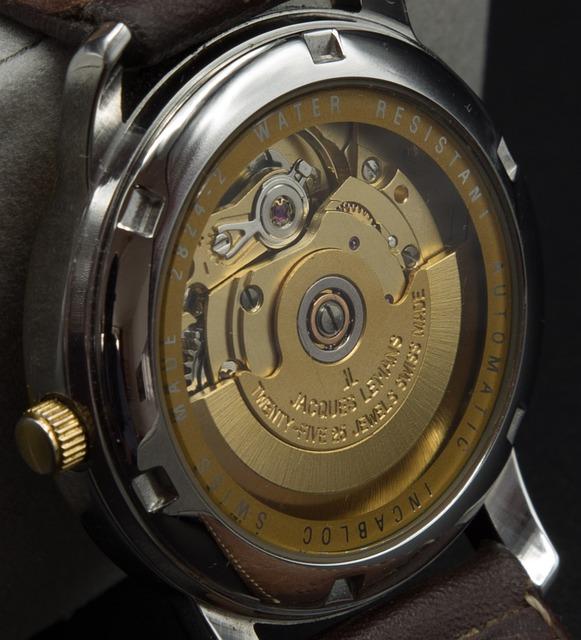
Automatic watches are powered by the movement of the wearer’s wrist, using a rotor that spins with the motion to wind the mainspring. This winding mechanism stores energy in the mainspring, which then powers the watch’s movement. On the other hand, self-winding watches also rely on wrist movement to wind the mainspring, but they feature an additional manual winding capability for those times when the watch is not worn regularly.
When it comes to convenience, automatic watches offer the advantage of always being ready to wear, as long as they are worn regularly. In contrast, self-winding watches may require manual winding if they are not worn consistently. However, both types of watches provide a unique and fascinating glimpse into the world of mechanical watchmaking, showcasing the intricate craftsmanship and precision engineering that goes into creating these timepieces.

Movement Differences: Exploring Self Winding Technology
When it comes to automatic watches and self-winding technology, there are some key differences that set them apart. While both types of watches rely on the natural movement of the wearer to power the watch, there are some distinct features that make each unique.
One key difference between automatic watches and self-winding technology is the way they are wound. Automatic watches rely on a rotor, which spins as the wearer moves their wrist, winding the watch’s mainspring. On the other hand, self-winding technology uses a mechanism that winds the watch through the movement of the wearer’s arm alone, without the need for a rotor.
Another difference to consider is the power reserve of each type of watch. Automatic watches typically have a power reserve of around 40 hours, meaning they can continue to operate for up to 40 hours without being worn. In contrast, self-winding watches often have a longer power reserve, sometimes lasting up to 72 hours or more.

Precision and Accuracy: Which Type of Watch is Better?
When it comes to choosing between an automatic watch and a self-winding watch, there are key differences to consider in terms of precision and accuracy. Automatic watches are powered by the movement of the wearer’s wrist, utilizing a rotor to wind the mainspring. This constant motion helps keep the watch running accurately over time.
On the other hand, self-winding watches also rely on wrist movement to wind the mainspring, but they typically have a slightly different mechanism for doing so. While both types of watches are known for their accuracy, some watch enthusiasts argue that automatic watches may offer slightly better precision due to the continuous winding action.
It’s important to note that the difference in precision between automatic and self-winding watches may be minimal for the average wearer. Factors such as the quality of the movement, craftsmanship, and regular maintenance play a significant role in determining the overall accuracy of a watch.
Ultimately, whether you choose an automatic watch or a self-winding watch, both types can offer reliable timekeeping and performance. The decision may come down to personal preference, style, and budget rather than solely focusing on precision and accuracy.

Maintenance and Durability: Tips for Keeping Your Watch Running Smoothly
When it comes to keeping your watch running smoothly, regular maintenance is key. Here are some tips to help ensure your timepiece stays in top condition:
- Regularly wind your self-winding watch to keep it running accurately.
- Keep your watch clean and dry to prevent any build-up of dirt or moisture.
- Store your watch in a cool, dry place when not in use to avoid any damage from extreme temperatures.
For automatic watches, it’s important to keep them wound to ensure they continue ticking accurately. Here are some differences between automatic and self-winding watches:
| Automatic Watches | Self-Winding Watches |
|---|---|
| Do not require manual winding | Require manual winding to keep the watch running accurately |
| Powered by the movement of your wrist | Require regular winding by the wearer |
| Usually more expensive due to intricate mechanisms | Generally more affordable |
By understanding the differences between automatic and self-winding watches, you can better care for your timepiece and ensure it lasts for years to come.

Power Reserve: Evaluating the Performance of Automatic vs Self Winding Watches
When it comes to evaluating the performance of automatic vs self-winding watches, there are key differences that set these two types of timepieces apart. Both automatic and self-winding watches are powered by the natural motion of the wearer’s wrist, but there are important distinctions to consider.
Automatic Watches:
- Utilize a rotor that spins with the movement of the wrist, winding the mainspring.
- Can store energy and continue to function for anywhere from 24 to 72 hours without being worn.
- Require regular wear or a watch winder to keep the power reserve topped up.
Self-Winding Watches:
- Feature a mechanism that winds the mainspring as the wearer moves their arm throughout the day.
- Typically have a lower power reserve compared to automatic watches, lasting around 24 to 48 hours when not worn.
- May need to be reset and wound if left unworn for an extended period of time.
| Watch Type | Power Reserve |
|---|---|
| Automatic Watch | 24-72 hours |
| Self-Winding Watch | 24-48 hours |
Ultimately, the choice between an automatic or self-winding watch comes down to personal preference and lifestyle. Automatic watches offer longer power reserves and convenience for those who wear their timepiece regularly, while self-winding watches are ideal for those who appreciate the unique winding mechanism and don’t mind resetting the watch occasionally.

Design and Style: Choosing the Right Watch for Your Lifestyle
When it comes to choosing the right watch for your lifestyle, it’s important to understand the differences between automatic and self-winding watches. While both are popular choices, they operate in distinct ways that can impact your overall experience with the timepiece.
Automatic Watches:
- Powered by the movement of your wrist
- Require regular wearing or manual winding to stay powered
- Can have a smoother sweeping second hand motion
- Considered a luxury option
Self-Winding Watches:
- Utilize a rotor to wind the mainspring during daily activities
- Need less manual winding compared to automatic watches
- May have a more noticeable ticking motion of the second hand
- Offer convenience for those who wear watches sporadically
| Feature | Automatic Watch | Self-Winding Watch |
|---|---|---|
| Power Source | Wrist movement or manual winding | Rotor movement during wear |
| Frequency of Winding | Regular wearing or manual winding | Less manual winding |
| Smoothness of Second Hand | Can have a smoother motion | May exhibit a ticking motion |
| Convenience | Need more attention | Suitable for sporadic wearers |
Ultimately, the choice between automatic and self-winding watches depends on your personal preference, lifestyle, and the level of involvement you want in keeping your timepiece running smoothly. Consider these differences when selecting the right watch to complement your style and daily routine.

Cost Considerations: Investing in an Automatic or Self Winding Watch
When deciding whether to invest in an automatic or self-winding watch, one of the key factors to consider is the cost. While both types of watches offer their own unique features and benefits, the price point can vary significantly between the two options.
Here are some cost considerations to keep in mind when exploring the differences between automatic and self-winding watches:
- Initial Cost: Generally, automatic watches tend to be more expensive upfront compared to self-winding watches. This is because automatic watches typically require more intricate movement components, which can drive up the overall price.
- Maintenance Costs: While both automatic and self-winding watches require regular maintenance to keep them running smoothly, the cost of servicing and repairs can vary. Automatic watches may require more frequent and specialized maintenance, which can be more costly in the long run.
- Resale Value: Automatic watches are often more prestigious and have a higher resale value compared to self-winding watches. If you are looking to invest in a timepiece that holds its value well over time, an automatic watch may be the better option.
When considering the cost of investing in an automatic or self-winding watch, it’s important to weigh the upfront cost, maintenance expenses, and potential resale value to make an informed decision that aligns with your budget and preferences.

Personal Preference: Factors to Consider When Making Your Decision
When deciding between an automatic watch and a self-winding watch, there are several factors to consider to ensure you make the right choice for your personal preferences.
Firstly, one key difference between the two types of watches is the way they are powered. Automatic watches are powered by the motion of the wearer’s wrist, while self-winding watches are powered by a winding mechanism that requires manual winding. This can impact the convenience and maintenance requirements of the watch.
Another factor to consider is the accuracy of the watch. Automatic watches tend to be more accurate than self-winding watches, as they are typically regulated to keep time more consistently. If precision is important to you, this is something to keep in mind when making your decision.
Additionally, the design and style of the watch may influence your choice. Automatic watches tend to be more traditional and classic in design, while self-winding watches can vary in style and aesthetics. Consider which type of watch aligns best with your personal style and preferences.
Lastly, think about the long-term investment aspect of the watch. Automatic watches may hold their value better over time, making them a solid investment for watch enthusiasts. On the other hand, self-winding watches may offer unique features and designs that make them a valuable addition to your collection. Ultimately, the decision between an automatic watch and a self-winding watch boils down to your personal tastes and priorities.
In Conclusion
In conclusion, the debate between automatic watches and self-winding watches is ultimately a matter of personal preference. While both types of watches offer reliable timekeeping and convenience, understanding the differences between the two can help you make an informed decision when choosing your next timepiece. Whether you opt for the traditional elegance of a self-winding watch or the modern convenience of an automatic watch, both options are sure to bring style and functionality to your wrist. Ultimately, the choice is yours to make based on your personal taste and lifestyle. Thank you for exploring the differences with us and we hope this guide has helped you make a well-informed decision on which type of watch suits you best.
Get our latest guides, news, and insights highlighted in your Google Search & AI Overviews.