A Twist of Time: How Do You Wind a Mechanical Watch?
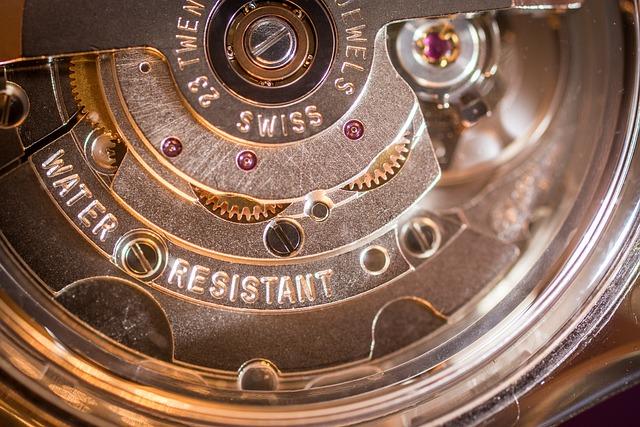
Are you intrigued by the intricate inner workings of mechanical timepieces? Delve into the captivating world of watchmaking as we unravel the mystique surrounding winding mechanisms in this enlightening article. As we embark on a journey through the cogs and springs, we will demystify the art of winding a mechanical watch, empowering you with the knowledge to truly appreciate the craftsmanship behind these marvels of engineering. So, fasten your seatbelts and prepare to wind back the hands of time as we explore the fascinating mechanisms that breathe life into these timeless accessories.
Contents
- Different Types of Mechanical Watch Movements and Their Winding Mechanisms
- The Benefits of Regularly Winding Your Mechanical Watch
- Troubleshooting: What to Do if Your Mechanical Watch Stops or Runs Slowly
- Diagnosing and Troubleshooting Your Mechanical Watch
- Expert Tips for Maintaining and Winding Vintage Mechanical Watches
- Maintaining and Winding Vintage Mechanical Watches: Expert Tips
- The Enduring Appeal of Mechanical Watches in the Digital Age
- To Conclude
Different Types of Mechanical Watch Movements and Their Winding Mechanisms
Mechanical watches, with their intricate gears and classic appeal, have been a symbol of craftsmanship and precision for centuries. But have you ever wondered how these timepieces are wound? In this article, we will dive into the fascinating world of mechanical watch movements and explore the different winding mechanisms that bring these watches to life.
Manual Winding: Some mechanical watches require manual winding, where the wearer turns the crown in a clockwise direction to wind the mainspring. This traditional method allows for a tactile and intimate connection with the timepiece. It’s important not to overwind a manual watch as it can damage the delicate mechanism.
Automatic Winding: For those seeking convenience, automatic winding watches are a popular choice. These timepieces feature a rotor that oscillates with the motion of the wearer’s wrist, transferring energy to the mainspring. As a result, the watch remains wound as long as it is being worn. Automatic watches often have a power reserve indicator to show how much energy is left before it needs to be wound again.
| Winding Mechanism | Advantages | Disadvantages |
|---|---|---|
| Manual Winding | Sense of connection with the watch Full control over winding | Requires regular winding Can be easily overwound |
| Automatic Winding | Convenience of self-winding No need for regular winding | May require additional manual winding if not worn regularly |
Kinetic or Self-winding: Kinetic watches combine the best of both manual and automatic winding mechanisms. These watches use the motion of the wearer’s arm to generate electrical energy that is then stored in a rechargeable battery. This energy powers the watch’s mechanical movement, eliminating the need for regular winding or batteries.
Whether you prefer the elegance of manual winding, the convenience of automatic winding, or the modern technology of kinetic watches, each type of mechanical movement offers its own unique experience. Ultimately, the choice depends on your personal preferences and the craftsmanship you value in a timepiece.

The Benefits of Regularly Winding Your Mechanical Watch
Regularly winding your mechanical watch is not only a practical necessity but also a rewarding ritual that can greatly enhance your timekeeping experience. By manually winding your watch, you are connecting with its intricate inner mechanisms, ensuring they work in harmony to keep accurate time. Here are some of the key benefits you can expect from this simple yet important practice:
Optimal Performance: When you wind your mechanical watch regularly, you are providing it with the energy it needs to operate at its best. This helps to maintain the accuracy of the timekeeping, ensuring that your watch remains reliable throughout the day.
Extended Lifespan: Just like any piece of machinery, a mechanical watch needs regular attention and maintenance. By winding your watch frequently, you are promoting its longevity. The act of winding helps to keep the movement components lubricated and prevents the accumulation of dust and dirt that can gradually disrupt its functioning.
- Connection and Appreciation: Winding a mechanical watch can be a meditative practice that allows you to connect with the craftsmanship and intricacy of the timepiece. It creates a tangible relationship between you and your watch, reminding you that you are wearing a miniature marvel on your wrist.
To properly wind your mechanical watch, follow these steps:
- Start by unscrewing or pulling out the crown located on the side of the watch.
- Gently twist the crown clockwise until you feel resistance. This indicates the mainspring is fully wound.
- If your watch has a power reserve indicator, refer to it to determine how much winding is required. Usually, about 20 to 30 revolutions are sufficient.
- Once you have completed the winding, push the crown back in or screw it down to its original position.
- Remember to wind your watch at roughly the same time each day to establish a consistent routine.
Regularly winding your mechanical watch ensures its optimal performance and longevity while allowing you to connect with its craftsmanship. Embrace this tradition and enjoy the intimate relationship between you and your timepiece.
Troubleshooting: What to Do if Your Mechanical Watch Stops or Runs Slowly
Diagnosing and Troubleshooting Your Mechanical Watch
A mechanical watch is an intricate piece of craftsmanship designed to keep time accurately for years. However, like any mechanical device, it may encounter issues from time to time. If your mechanical watch stops or runs slowly, don’t panic! There are a few troubleshooting steps you can take before rushing it to a watchmaker. Let’s explore these steps together:
1. Manual Winding
Most mechanical watches require regular winding to keep them running accurately. Start by gently turning the crown clockwise until you feel resistance. Be careful not to over-wind, especially with vintage watches. If the watch starts ticking, problem solved! However, if it still refuses to start, move on to the next step.
2. Check the Power Reserve
A power reserve indicator is a useful feature found in some mechanical watches. Look for a small sub-dial or window on the watch face that displays the remaining power reserve. If it’s too low or depleted, your watch might need more manual winding or a visit to a watchmaker for a service.
3. Evaluate the Environment
Exposure to extreme temperatures, strong magnetic fields, or water can affect the performance of your mechanical watch. If it has been subjected to any of these conditions, it’s crucial to let it dry and acclimate to room temperature before attempting to wind or use the timepiece again. If the problem persists, consider seeking professional assistance.
4. Consult a Watch Expert
If you’ve followed the previous steps, but your watch still refuses to tick or keeps running slowly, it’s time to consult a professional watchmaker. They have the expertise and tools needed to diagnose and resolve more complex issues, ensuring your beloved timepiece is restored to its full glory.

Expert Tips for Maintaining and Winding Vintage Mechanical Watches
Maintaining and Winding Vintage Mechanical Watches: Expert Tips
When it comes to vintage mechanical watches, proper maintenance and winding are crucial to ensure their longevity and accurate timekeeping. Here are some expert tips to help you keep your cherished timepiece in optimal condition:
- Handle with care: Vintage watches are delicate, so always handle them with utmost care. Avoid exposing them to extreme temperatures, moisture, or sudden impacts.
- Regular servicing: To keep your vintage watch running smoothly, it’s recommended to have it serviced by a professional watchmaker every 3-5 years. This ensures that the movement is properly cleaned, lubricated, and any worn-out parts are replaced.
- Winding with precision: Vintage mechanical watches typically require manual winding. Gently turn the crown clockwise until you feel resistance, indicating that the mainspring is fully wound. Avoid over-winding as it can damage the movement.
- Set it right: When adjusting the time or date on your vintage watch, always follow the instructions specific to its movement. Improper handling can lead to misalignment or damage.
In addition to these tips, it’s essential to appreciate the uniqueness and history of each vintage watch. Understanding the intricacies of its movement and having a passion for horology will further enhance your enjoyment of wearing and maintaining these remarkable timepieces.

The Enduring Appeal of Mechanical Watches in the Digital Age
Mechanical watches may seem like a thing of the past in the age of smartphones and smartwatches, but their enduring appeal continues to captivate enthusiasts around the world. While digital watches offer convenience and a wide array of features, there is something special about the intricate craftsmanship and timeless elegance of a mechanical watch. The intricate gears, springs, and cogs working in harmony to keep time provide a sense of connection to the artistry and craftsmanship of the past.
One of the key features that sets mechanical watches apart from their electronic counterparts is the need for manual winding. Unlike battery-powered watches that rely on a constant power source, mechanical watches require regular winding to keep them running. This process involves turning the crown, which is typically located on the side of the watch. By winding the crown in a clockwise direction, you are essentially storing energy in the mainspring, which powers the watch’s movement.
Winding a mechanical watch is a simple yet meditative ritual that connects the wearer to the traditions of horology. It requires a gentle touch and a steady hand, allowing you to engage with the inner workings of your timepiece. Some mechanical watches have a power reserve indicator that lets you know when it’s time to wind the watch again, while others might run for 24 to 48 hours on a single wind. It is worth noting that overwinding a mechanical watch is not possible, as the main spring will simply reach its maximum tension and stop the winding process.
In a world dominated by digital technology, there is a certain allure in the simplicity and craftsmanship of a mechanical watch. It offers a unique blend of nostalgia, reliability, and charm that can’t be replicated by its digital counterparts. So, the next time you find yourself reaching for your smartphone to check the time, take a moment to appreciate the artistry and tradition of winding a mechanical watch. It’s not just about keeping track of time – it’s about embracing the timeless beauty of an analog masterpiece.
To Conclude
In conclusion, understanding the art of winding a mechanical watch is pivotal in its proper functioning and longevity. By following these simple steps, you can ensure that your timepiece remains accurate and reliable. Remember to handle your watch with care, wind it regularly to keep the mainspring tensioned, and avoid overwinding. A mechanical watch offers a unique connection to the past while embodying the finest craftsmanship, and by mastering the art of winding, you can truly appreciate its intricate beauty. So, go ahead, wind your watch with confidence, and let time unfold gracefully on your wrist.
Get our latest guides, news, and insights highlighted in your Google Search & AI Overviews.