Does Automatic Watch Stop When Not in Use? Timepiece Behavior Explained
Have you ever wondered if your automatic watch stops when it’s not in use? In this article, we will delve into the fascinating behavior of timepieces, explaining why and how automatic watches may stop ticking when left untouched. Stay tuned to uncover the mysteries of your beloved timepiece!
Contents
How Automatic Watches Function
Automatic watches do not stop when not in use. This type of timepiece is powered by the movement of the wearer’s wrist, which winds the mainspring to keep the watch running. When the watch is not being worn, it will continue to keep time for a certain period before stopping, usually between 24 to 48 hours depending on the power reserve of the watch.
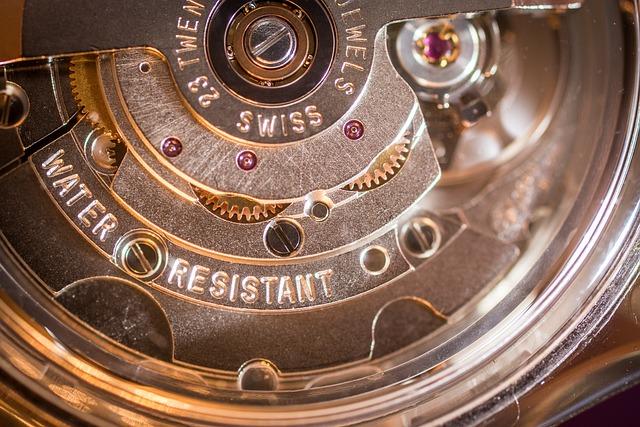
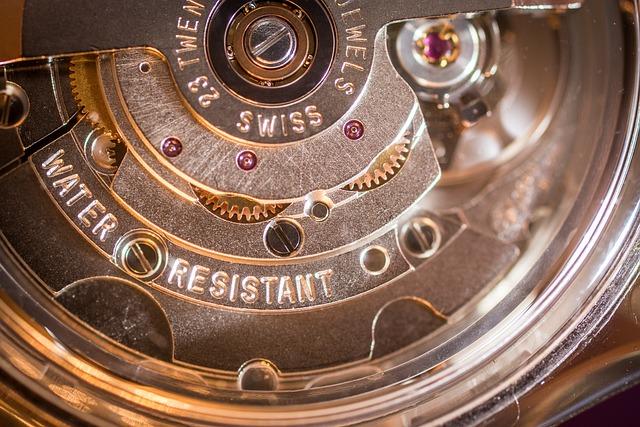
Inside an automatic watch, there is a rotor that moves every time the wearer’s wrist moves. This rotor is connected to the mainspring, which stores the energy needed to power the watch. As long as the watch is worn regularly, the mainspring will stay wound, keeping the watch running smoothly.
It is important to note that leaving an automatic watch unused for an extended period may cause it to stop. To keep the watch running, consider using a watch winder or manually winding the watch every so often to ensure the mainspring stays wound.
In summary, automatic watches do not stop when not in use as long as they are regularly worn or maintained properly. By understanding , you can ensure that your timepiece remains accurate and reliable for years to come.

Common Misconceptions About Automatic Watch Stopping
One common misconception about automatic watches is that they stop when not in use. However, this is not entirely true. Automatic watches have a power reserve that allows them to continue running even when not being worn. The power reserve can vary depending on the watch model, with some lasting up to 72 hours or more.
Another misconception is that automatic watches need to be manually wound to keep them running. While manual winding can help ensure the watch is fully wound and running accurately, automatic watches are designed to be self-winding through the natural motion of the wearer’s wrist. This means that as long as the watch is being worn regularly, it should continue to run without issue.
It’s important to note that automatic watches may stop if they are not worn for an extended period of time. This is because the power reserve will eventually run out, causing the watch to stop. To prevent this from happening, it’s recommended to keep your automatic watch in a watch winder when not being worn to ensure it stays wound and running smoothly.

Tips for Maintaining Watch Accuracy
One common question that watch enthusiasts often have is whether an automatic watch stops when not in use. The short answer is yes, it does. However, the specifics of when and why it stops can vary based on the specific timepiece and its movement.
Here are some :
- Wear your watch regularly: Keeping your automatic watch moving by wearing it regularly will help it maintain accuracy.
- Store it properly: When not in use, store your watch in a watch winder or with the crown pulled out to conserve energy.
- Keep it away from magnetic fields: Magnetic fields can disrupt the movement of your watch, affecting its accuracy.
- Have it serviced regularly: To ensure optimal performance, have your watch serviced by a professional watchmaker every 3-5 years.

Effect of Inactivity on Automatic Watches
An automatic watch is powered by the movement of the wearer’s wrist, storing energy in a mainspring to keep the watch running. However, if the watch is left inactive for an extended period, it may stop running. This is because the mainspring will eventually lose its tension, causing the watch to stop ticking.
When an automatic watch stops due to inactivity, it does not necessarily mean there is a mechanical issue with the timepiece. In fact, this behavior is quite common and expected. To get the watch running again, simply wind the crown to power up the mainspring and set the time.
It is recommended to regularly wear and move the watch to keep it running smoothly. If you plan on not wearing the watch for an extended period, consider investing in a watch winder to keep the timepiece active and prevent it from stopping.
Remember, automatic watches are designed to be worn and used regularly, so don’t be surprised if your watch stops when not in use. Just give it a little attention, and it will be ticking away in no time!
Future Outlook
In conclusion, automatic watches do not stop when not in use as long as they are properly maintained and have enough power reserve. The internal mechanisms and movements keep the watch running smoothly even when you are not wearing it. By understanding how automatic watches work and ensuring they are kept properly wound, you can enjoy accurate timekeeping and longevity from your timepiece. Remember to keep your watch wound and give it regular wear to ensure it stays running smoothly. Thank you for reading, and we hope this guide has clarified any questions you may have had about automatic watch behavior when not in use.
Get our latest guides, news, and insights highlighted in your Google Search & AI Overviews.