Accuracy of Modern Mechanical Watches: Elevate Your Timekeeping Standards
In today’s fast-paced world, the accuracy of timekeeping is more important than ever. With the rise of modern mechanical watches, it’s time to elevate your standards when it comes to measuring time. From the intricate craftsmanship to the precision engineering, these timepieces are setting a new standard for accuracy. Join us as we explore the fascinating world of modern mechanical watches and discover how they can enhance your timekeeping experience.
Contents
- The Evolution of Mechanical Watch Accuracy
- Understanding the Precision of Modern Mechanical Movements
- Factors Influencing the Accuracy of Mechanical Watches
- Tips for Improving the Timekeeping of Your Mechanical Watch
- The Importance of Regular Maintenance for Accuracy
- Comparing the Accuracy of Mechanical vs. Quartz Watches
- Choosing a High Accuracy Mechanical Movement for Your Collection
- How to Adjust the Accuracy of Your Mechanical Watch
- Common Myths About Mechanical Watch Accuracy
- Investing in Accuracy: Upgrading Your Timepiece Collection
- Final Thoughts
The Evolution of Mechanical Watch Accuracy
In the world of horology, the quest for precision and accuracy has always been a driving force behind innovation. Mechanical watches have a rich history of development, with advancements in technology constantly pushing the boundaries of timekeeping standards. Let’s delve into the fascinating evolution of mechanical watch accuracy and discover how modern timepieces are elevating our expectations.
Throughout the centuries, watchmakers have strived to improve the precision of mechanical movements through meticulous craftsmanship and innovative design. From the invention of the balance spring in the 17th century to the groundbreaking achievements of the 20th century, such as the development of the tourbillon, each milestone has brought us closer to achieving unparalleled accuracy in timekeeping.
Today, modern mechanical watches stand as a testament to the dedication and ingenuity of watchmakers around the world. With advancements in materials, manufacturing techniques, and engineering prowess, contemporary timepieces offer levels of accuracy that were once unimaginable. Whether you’re a seasoned horologist or a casual watch enthusiast, embracing is sure to elevate your appreciation for the artistry and precision behind these remarkable timepieces.

Understanding the Precision of Modern Mechanical Movements
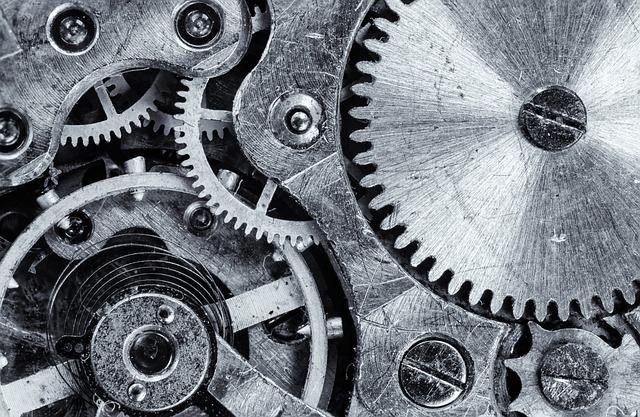
In the world of horology, the precision of modern mechanical movements sets the benchmark for luxury timepieces. These intricate devices are crafted with meticulous attention to detail, resulting in unrivaled accuracy that aficionados have come to expect. The inner workings of a mechanical watch are a marvel of engineering, with gears, springs, and escapements working in harmony to keep time with unparalleled precision.
One of the key factors in the accuracy of a mechanical watch is the quality of its components. Watchmakers utilize high-grade materials such as stainless steel, sapphire crystal, and precious metals to ensure that every part functions flawlessly. The precision of these components is further enhanced through careful assembly and adjustment by skilled artisans, resulting in a timepiece that is as reliable as it is beautiful.
When it comes to modern mechanical movements, consistency is key. Each watch is subjected to rigorous testing to ensure that it meets the highest standards of accuracy. From measuring the rate of the movement to monitoring its performance over time, watchmakers leave no stone unturned in their quest for perfection. Every detail is taken into account, from the thickness of the hairspring to the lubrication of the gear train, to guarantee that each watch is a masterpiece of precision.

Factors Influencing the Accuracy of Mechanical Watches
Factors influencing the accuracy of modern mechanical watches can vary from the quality of materials used to the precision in craftsmanship. Here are some key factors to consider when evaluating the accuracy of your timepiece:
- Movement Type: The type of movement in a mechanical watch can greatly impact its accuracy. Watches with a higher beat rate typically have better accuracy due to the smoother movement of the components.
- Regulation: Proper regulation of the watch is essential for maintaining accuracy. This involves adjusting the balance spring to ensure the watch keeps time consistently.
- Magnetism: Magnetic fields can disrupt the movement of the components in a mechanical watch, causing inaccuracies. Anti-magnetic materials or shielding can help combat this issue.
- Temperature: Fluctuations in temperature can affect the performance of a watch. Watches with temperature-compensated balance springs are more resistant to these variations.
By understanding these factors and investing in a high-quality mechanical watch, you can elevate your timekeeping standards and enjoy precise and reliable timekeeping for years to come. Remember to regularly service your watch to ensure optimal accuracy and performance.
Tips for Improving the Timekeeping of Your Mechanical Watch
One of the key elements to consider with mechanical watches is their timekeeping accuracy. While modern mechanical watches are designed with precision in mind, there are still ways to improve their timekeeping to ensure they are running at their best. Here are some tips to enhance the accuracy of your beloved timepiece:
- Keep your watch wound regularly to maintain consistent power delivery.
- Store your watch in a consistent position overnight to regulate its timekeeping.
- Have your watch professionally serviced every few years to keep it in optimal condition.
- Avoid exposing your watch to extreme temperatures or magnetic fields that can affect its accuracy.
By following these tips, you can elevate the timekeeping standards of your modern mechanical watch and ensure it continues to keep perfect time for years to come.

The Importance of Regular Maintenance for Accuracy
Regular maintenance is essential for ensuring the accuracy of modern mechanical watches. Neglecting this crucial aspect can result in inaccurate timekeeping, which defeats the purpose of owning a high-quality timepiece. By investing in routine maintenance, you can elevate your timekeeping standards and enjoy the precision and reliability that your watch was designed to provide.
One of the main reasons why regular maintenance is important for accuracy is that mechanical watches have intricate components that can wear out over time. By having your watch serviced by a professional on a regular basis, you can ensure that these components are properly lubricated and adjusted, which helps the watch maintain its accuracy. Additionally, regular maintenance can also prevent potential issues from developing, saving you time and money in the long run.
During a maintenance service, a watchmaker will typically perform a variety of tasks to ensure the accuracy of your timepiece. Some of these tasks may include cleaning the movement, adjusting the regulation, checking for any worn-out parts, and testing the watch for accuracy. By following a regular maintenance schedule, you can prolong the lifespan of your watch and maintain its accuracy for years to come.
In conclusion, cannot be overstated when it comes to modern mechanical watches. By taking care of your timepiece and investing in routine maintenance, you can enjoy the precision and reliability that comes with owning a high-quality mechanical watch. Don’t compromise on accuracy – make sure to schedule regular maintenance appointments to keep your watch running smoothly.
Comparing the Accuracy of Mechanical vs. Quartz Watches
In the world of timepieces, the debate between mechanical and quartz watches has always been a topic of discussion. While quartz watches are known for their precision and accuracy, modern mechanical watches have made significant advancements in terms of timekeeping. Let’s delve into the comparison of the accuracy of mechanical vs. quartz watches.
**Mechanical Watches:**
- Relies on intricate mechanisms and craftsmanship to keep time
- Requires regular maintenance and adjustments to ensure accuracy
- Precision can vary depending on the quality of the movement
- Exudes a sense of luxury and tradition
**Quartz Watches:**
- Operates using a battery-powered quartz crystal oscillator for timekeeping
- Known for their high precision and minimal time deviation
- Low maintenance and less frequent adjustments needed
- Typically more affordable than mechanical watches
| Mechanical Watches | Quartz Watches |
|---|---|
| Requires regular maintenance | Low maintenance |
| Accuracy can vary | High precision |
| Luxurious and traditional | More affordable |

Choosing a High Accuracy Mechanical Movement for Your Collection
When it comes to selecting a high accuracy mechanical movement for your watch collection, there are several factors to consider. Modern mechanical watches offer a level of precision and craftsmanship that elevate your timekeeping standards.
One key consideration is the type of movement used in the watch. Some popular options include:
– **Automatic Movements:** These self-winding movements are powered by the natural motion of the wearer’s wrist, eliminating the need for manual winding.
– **Chronometer-Certified Movements:** These movements have been tested and certified to meet strict accuracy standards set by the Swiss Official Chronometer Testing Institute (COSC).
– **High-Frequency Movements:** Movements with high frequencies, such as 28,800 vibrations per hour (vph) or higher, offer greater accuracy and precision.
Additionally, factors such as the quality of materials used in the movement, the level of craftsmanship, and the reputation of the watchmaker can also impact the accuracy of the watch. By selecting a high accuracy mechanical movement, you can ensure that your timepiece not only looks stylish but also keeps accurate time for years to come.
To truly appreciate the precision of modern mechanical watches, consider investing in a timepiece with a reputable movement such as the ones mentioned above. With the right choice, you can elevate your collection and enjoy the beauty and accuracy of a well-crafted mechanical watch.
How to Adjust the Accuracy of Your Mechanical Watch
When it comes to keeping time accurately, mechanical watches are a timeless classic. However, even the most finely crafted timepieces can experience a slight loss or gain in accuracy over time. If you find that your mechanical watch is not keeping time as precisely as it once did, fear not – there are ways to adjust its accuracy and elevate your timekeeping standards.
One of the simplest ways to adjust the accuracy of your mechanical watch is by regulating the movement. This can be done by a professional watchmaker, who will carefully adjust the balance wheel to ensure that it oscillates at the correct frequency. By fine-tuning this component, your watch will be able to keep time more accurately.
Another method to improve the accuracy of your mechanical watch is by regulating the mainspring tension. This can be done by adjusting the length of the mainspring, which in turn affects the energy output of the watch. By ensuring that the mainspring is properly tensioned, you can improve the overall timekeeping performance of your watch.
Additionally, keeping your mechanical watch properly maintained and serviced can also help to enhance its accuracy. Regular cleaning and oiling of the movement, as well as checking for any worn components, can prevent issues that may affect the accuracy of your watch. By following these tips and techniques, you can ensure that your modern mechanical watch is always keeping time with precision.

Common Myths About Mechanical Watch Accuracy
One common myth about mechanical watch accuracy is that they are not as precise as quartz watches. While it is true that quartz watches are known for their high precision due to the use of a battery-powered crystal oscillator, modern mechanical watches have made significant advancements in their accuracy. With improved manufacturing techniques and stricter quality control, mechanical watches can now rival the timekeeping precision of quartz watches.
Another misconception is that mechanical watches require frequent adjustments to keep accurate time. In reality, a well-made mechanical watch can maintain reliable timekeeping for years without the need for constant adjustments. Regular servicing and proper care can ensure that a mechanical watch continues to perform accurately over time.
Some people believe that automatic watches are less accurate than manual-wind watches. While it is true that automatic watches can be slightly less accurate due to the additional components required for the self-winding mechanism, the difference in accuracy is usually negligible. Both types of mechanical watches can provide excellent timekeeping precision when properly maintained.
It is important to debunk these to appreciate the craftsmanship and precision that goes into creating these timeless timepieces.

Investing in Accuracy: Upgrading Your Timepiece Collection
Investing in accuracy means more than just owning a watch; it’s about enhancing your timepiece collection with modern mechanical watches that elevate your timekeeping standards. With advancements in technology and craftsmanship, modern mechanical watches offer unparalleled precision and reliability for those who value accuracy in their timepieces.
One key feature that sets modern mechanical watches apart is their use of high-quality materials and intricate designs that contribute to their accuracy. From Swiss-made movements to hand-finished components, these timepieces are built to last and provide precise timekeeping for years to come.
In addition to the craftsmanship, modern mechanical watches also offer advanced features such as chronograph functions, moon phases, and calendar complications. These additional functions not only enhance the aesthetic appeal of the watch but also add to its overall accuracy and functionality.
When you invest in modern mechanical watches, you’re not just adding to your collection; you’re elevating your timekeeping standards and ensuring that you always have a reliable and accurate timepiece by your side. So, whether you’re a watch enthusiast looking to upgrade your collection or someone who appreciates fine craftsmanship and precision, investing in accuracy through modern mechanical watches is the way to go.
Final Thoughts
In conclusion, the accuracy of modern mechanical watches has greatly improved over the years, thanks to technological advancements and meticulous craftsmanship. By understanding the factors that impact accuracy and choosing high-quality timepieces, you can elevate your timekeeping standards and enjoy precise timekeeping for years to come. Remember to regularly service your watch and keep it properly maintained to ensure optimal accuracy. With these key takeaways in mind, you can confidently rely on your mechanical watch to keep you on time with precision and style.
Get our latest guides, news, and insights highlighted in your Google Search & AI Overviews.