How Long Will Automatic Watch Last? Get the Facts!
Curious about the lifespan of your automatic watch? Wondering how long it will last before needing maintenance or replacement? Look no further! In this article, we’ll dive into the facts and explore how long automatic watches typically last, so you can make informed decisions about caring for your timepiece.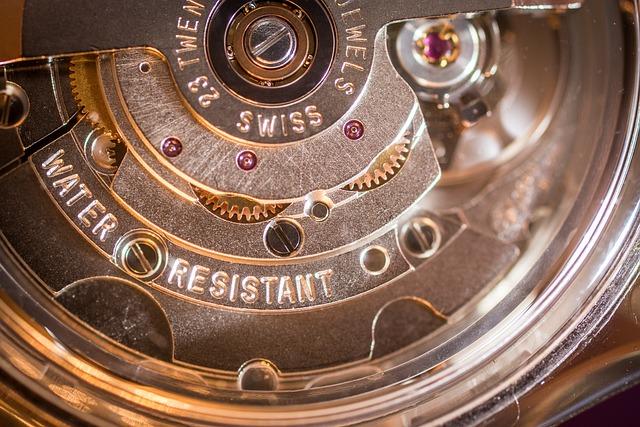
Contents
- How Long Can an Automatic Watch Last?
- Factors That Impact the Lifespan of an Automatic Watch
- Signs That Your Automatic Watch May Need Maintenance
- Tips to Extend the Life of Your Automatic Watch
- The Importance of Regular Servicing for Automatic Watches
- Myths vs. Facts: Debunking Common Misconceptions About Automatic Watch Lifespan
- Myth: Automatic watches will last forever if they are properly maintained.
- Myth: The more expensive the watch, the longer it will last.
- Myth: Automatic watches need to be worn regularly to keep them running.
- Recommended Care and Maintenance Routine for Automatic Watches
- When to Seek Professional Help for Your Automatic Watch
- Comparing the Lifespan of Automatic Watches vs. Quartz Watches
- Ensuring Longevity: Proper Storage and Handling of Automatic Watches
- Proper Storage and Handling of Automatic Watches
- The Conclusion
How Long Can an Automatic Watch Last?
An automatic watch can last for generations if properly maintained and cared for. These watches are built to withstand the test of time due to their intricate mechanical movements and high-quality craftsmanship. With regular servicing and cleaning, an automatic watch can continue to function smoothly for years to come.
Unlike quartz watches that rely on batteries, automatic watches are powered by the movement of the wearer’s wrist. This mechanical mechanism means that as long as the watch is worn regularly, it will continue to keep accurate time. However, if an automatic watch is left unworn for an extended period, it may stop running. In this case, simply winding the watch or giving it a gentle shake should get it ticking again.
It’s important to note that the lifespan of an automatic watch also depends on the brand, model, and overall quality of the timepiece. Luxury automatic watches are often built with higher-grade materials and superior engineering, which can contribute to a longer lifespan. Ultimately, with proper care and maintenance, an automatic watch can be a timeless accessory that lasts for years to come.

Factors That Impact the Lifespan of an Automatic Watch
include:
- Regular Maintenance: Just like any other mechanical device, automatic watches require regular servicing to ensure they continue to function properly. This includes cleaning, oiling, and adjusting the movement to keep it running accurately.
- Water Resistance: Exposure to water can significantly shorten the lifespan of an automatic watch. It is essential to ensure that your watch is water-resistant and avoid exposing it to moisture, especially in high-risk situations such as swimming or showering.
- Quality of Materials: The quality of materials used in the construction of an automatic watch can also impact its longevity. Watches made with high-quality components are likely to last longer and perform better over time.
- Frequency of Use: The more often you wear your automatic watch, the more wear and tear it will experience. Rotating your watch collection and giving each watch a break can help extend their lifespan.
By paying attention to these factors and taking proper care of your automatic watch, you can ensure that it lasts for many years to come. Remember, a well-maintained watch can be passed down through generations, becoming a timeless heirloom.
Signs That Your Automatic Watch May Need Maintenance
If you own an automatic watch, it’s important to know the signs that indicate when it may need maintenance. Keeping your watch in good condition will help it last for many years to come. Here are some key indicators that your automatic watch may need servicing:
- Loss of time accuracy: If you notice that your watch is no longer keeping accurate time, it may be a sign that it needs to be serviced.
- Unusual sounds: If you hear any strange ticking or grinding noises coming from your watch, it could indicate that something is not right and should be checked out by a professional.
- Water resistance issues: If your watch is no longer water resistant or if moisture has made its way inside the watch, it’s time to have it inspected.
- Visible wear and tear: Scratches on the crystal, a damaged crown, or a loose bracelet can all be signs that your watch needs some attention.
Regular maintenance can help prolong the life of your automatic watch and keep it running smoothly. If you’re experiencing any of the above issues, it’s best to take your watch to a professional watchmaker for an evaluation.

Tips to Extend the Life of Your Automatic Watch
When it comes to extending the life of your automatic watch, there are several tips and tricks that can help ensure your timepiece lasts for years to come. By following these simple recommendations, you can enjoy your watch for a lifetime:
- Regular Maintenance: Make sure to have your watch serviced by a professional watchmaker every 3-5 years to keep it running smoothly.
- Store Properly: When you’re not wearing your watch, store it in a watch box or pouch to protect it from dust, moisture, and scratches.
- Avoid Magnets: Keep your watch away from magnets as they can interfere with the movement and accuracy of the watch.
- Rotate Watches: If you have multiple automatic watches, rotate wearing them to ensure they all stay in good working condition.
| Tip | Summary |
|---|---|
| Regular Maintenance | Have your watch serviced every 3-5 years |
| Store Properly | Keep your watch in a watch box or pouch |
| Avoid Magnets | Avoid placing your watch near magnets |
| Rotate Watches | Rotate wearing multiple watches for longevity |
The Importance of Regular Servicing for Automatic Watches
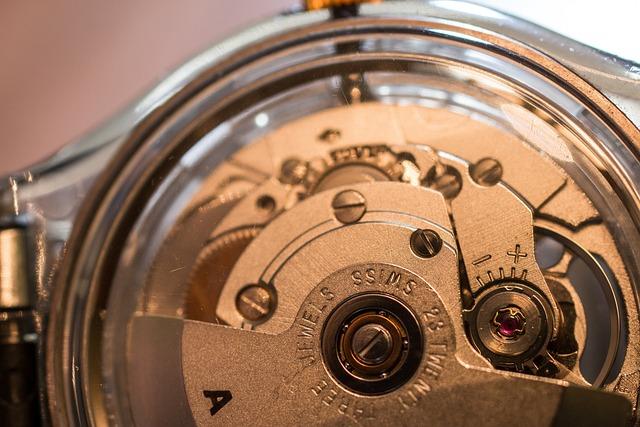
Regular servicing for automatic watches is essential in ensuring the longevity and accuracy of your timepiece. By maintaining your watch properly, you can significantly extend its lifespan and prevent potential issues from arising. Here are some key reasons why regular servicing is important:
– **Preventative Maintenance:** Just like cars, automatic watches require regular maintenance to keep them running smoothly. By servicing your watch at recommended intervals, you can avoid more costly repairs down the line.
– **Lubrication:** Over time, the oils and lubricants in your watch movement can break down, causing friction and wear. A watch servicing includes cleaning and reapplying lubricants to ensure optimal performance.
– **Water Resistance:** Servicing your watch also includes checking and resealing the gaskets to maintain its water resistance. This is crucial in preventing water damage to the delicate components inside.
– **Accuracy:** By regulating the movement and making any necessary adjustments, a watchmaker can ensure that your automatic watch keeps accurate time. Regular servicing helps to maintain the precision of your timepiece.
In summary, regular servicing for automatic watches is a worthwhile investment that can help to prolong the life of your watch and keep it in top working condition. Don’t wait until something goes wrong – schedule a servicing with a trusted watchmaker to keep your timepiece running smoothly.
Myths vs. Facts: Debunking Common Misconceptions About Automatic Watch Lifespan
There are many misconceptions surrounding the lifespan of automatic watches. Let’s debunk some common myths and get to the facts!
Myth: Automatic watches will last forever if they are properly maintained.
Fact: While regular maintenance can prolong the lifespan of an automatic watch, no watch will last forever. Components can wear out over time, and even with proper care, some parts may need to be replaced eventually.
Myth: The more expensive the watch, the longer it will last.
Fact: Price does not necessarily dictate how long an automatic watch will last. While higher quality materials and craftsmanship can contribute to longevity, even budget-friendly automatic watches can have a long lifespan with proper care.
Myth: Automatic watches need to be worn regularly to keep them running.
Fact: Automatic watches are designed to be self-winding through the movement of your wrist, but they can also be stored in a watch winder to keep them running when not being worn. Regular wear can help prevent parts from seizing up, but occasional winding or a watch winder can also keep your watch in good condition.

Recommended Care and Maintenance Routine for Automatic Watches
When it comes to caring for your automatic watch, there are a few key steps you can take to ensure it lasts for years to come. Follow these recommendations to keep your timepiece in top condition:
- Regular Cleaning: Use a soft cloth to wipe down your watch regularly, removing any dirt or grime that may have accumulated.
- Water Resistance Check: Make sure to check the water resistance of your watch periodically, especially if you plan on swimming or diving with it.
- Service Intervals: Have your watch serviced by a professional every 3-5 years to keep it running smoothly.
- Storage: Store your watch in a cool, dry place away from direct sunlight to prevent damage.
By following these simple care and maintenance tips, you can help extend the life of your automatic watch and enjoy it for many years to come.
When to Seek Professional Help for Your Automatic Watch
It is important to know to ensure it continues to function properly for years to come. While automatic watches are known for their durability and longevity, there are times when they may require professional attention. Here are some signs that indicate it’s time to seek help:
- Inaccurate timekeeping: If your automatic watch is consistently losing or gaining time, it may be a sign that it needs to be serviced by a professional.
- Water damage: If your watch has been exposed to water or moisture and is no longer waterproof, it is important to have it inspected by a professional to prevent further damage.
- Strange noises: If your watch is making unusual noises such as ticking louder than usual or grinding, it could be a sign that something is wrong internally and should be checked by a professional.
Remember that regular maintenance and servicing can help prolong the lifespan of your automatic watch. It is recommended to have your watch serviced every 3-5 years to keep it running smoothly. By being proactive and seeking professional help when needed, you can enjoy your automatic watch for years to come.
Comparing the Lifespan of Automatic Watches vs. Quartz Watches
Automatic watches and quartz watches are two popular types of timepieces that people often compare when considering a new watch purchase. One common question that arises is: how long will an automatic watch last compared to a quartz watch? Let’s delve into the lifespan of both types of watches to help you make an informed decision.
- Maintenance: Regular maintenance is crucial for both types of watches to ensure longevity.
- Quality: The quality of materials used in the watch can greatly impact its lifespan.
- Usage: How often the watch is worn and the activities it is exposed to can also affect its lifespan.
Comparison:
| Automatic Watch | Quartz Watch |
|---|---|
| Needs regular winding or wearing to keep time | Battery-operated mechanism |
| Typically lasts for decades with proper maintenance | Battery needs to be replaced every 1-2 years |
| More intricate and complex mechanism can require more maintenance | Simpler mechanism requires less maintenance |
Ultimately, the lifespan of a watch, whether automatic or quartz, depends on various factors. With proper care, both types of watches can last for a long time. The choice between an automatic and quartz watch ultimately comes down to personal preference and lifestyle.
Ensuring Longevity: Proper Storage and Handling of Automatic Watches
Proper Storage and Handling of Automatic Watches
Automatic watches are intricate timepieces that require proper care to ensure their longevity. By following some simple guidelines for storage and handling, you can keep your automatic watch running smoothly for years to come.
- Store your automatic watch in a watch box or case to protect it from dust and moisture.
- Avoid exposing your watch to extreme temperatures or direct sunlight, as this can affect its accuracy and performance.
- Regularly wind your automatic watch to keep it running smoothly, or consider investing in a watch winder for convenience.
- When handling your watch, avoid dropping it or exposing it to harsh chemicals or magnetic fields, as this can damage its internal mechanisms.
By taking these simple steps to properly store and handle your automatic watch, you can enjoy its beauty and precision for many years to come.
The Conclusion
In conclusion, automatic watches can last a lifetime with proper care and maintenance. The key takeaway from this article is that regular servicing, avoiding extreme conditions, and handling with care can help extend the lifespan of your automatic timepiece. By following these simple guidelines, you can enjoy your automatic watch for years to come. Remember, quality craftsmanship and durability make automatic watches a timeless accessory that can stand the test of time. Thank you for reading and remember to cherish your automatic watch for many years of faithful timekeeping.
Get our latest guides, news, and insights highlighted in your Google Search & AI Overviews.