Adjusting Accuracy: How to Adjust Mechanical Watch
Have you ever noticed that your mechanical watch is not keeping perfect time? Don’t worry, adjusting the accuracy of your beloved timepiece is easier than you think. In this article, we’ll guide you through the process of adjusting the accuracy of your mechanical watch like a pro. Stay tuned to discover the secrets of keeping your watch ticking perfectly on time.
Contents
- Understanding the Components of a Mechanical Watch
- Tools Needed for Adjusting Accuracy
- How to Regulate the Rate of Your Watch
- Fine Tuning the Balance Wheel
- Timing Your Watch for Accuracy
- Checking the Power Reserve for Proper Function
- Calibrating the Escapement Mechanism
- Testing the Water Resistance After Adjustment
- Seeking Professional Help When Necessary
- Wrapping Up
Understanding the Components of a Mechanical Watch
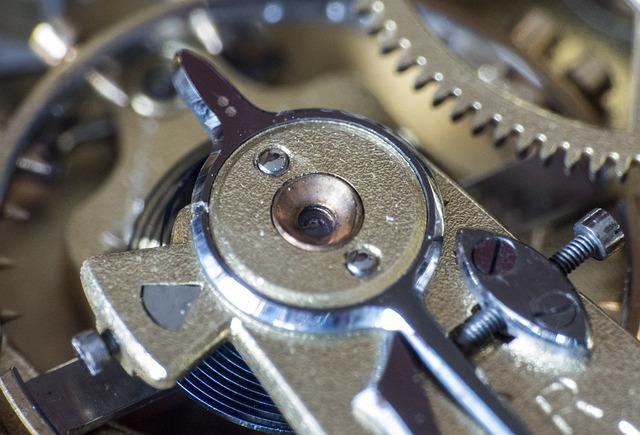
When it comes to adjusting the accuracy of a mechanical watch, it’s important to understand the various components that make up this intricate timepiece. By knowing how each part functions, you can better understand how to make the necessary adjustments to keep your watch running smoothly.
The components of a mechanical watch include:
- Balance wheel
- Escapement mechanism
- Mainspring
- Gears
One of the ways to adjust the accuracy of a mechanical watch is by regulating the balance wheel. This component oscillates back and forth at a specific frequency, controlling the movement of the watch’s hands. By adjusting the speed of the balance wheel, you can fine-tune the timekeeping of your watch.
Another way to adjust the accuracy of a mechanical watch is by regulating the escapement mechanism. This component controls the release of energy from the mainspring to the gears, allowing the hands of the watch to move at a consistent rate. By making small adjustments to the escapement mechanism, you can ensure that your watch keeps accurate time.

Tools Needed for Adjusting Accuracy
When it comes to adjusting the accuracy of your mechanical watch, having the right tools is essential. Here are some key tools that you will need to ensure your watch is keeping time accurately:
- Tweezers: Precise tweezers are necessary for making small adjustments to the movement of your watch.
- Screwdrivers: A set of screwdrivers in various sizes will be needed to access the inner workings of your watch.
- Loupe: A magnifying loupe will help you inspect the tiny components of your watch with precision.
- Timing Machine: A timing machine is essential for measuring the accuracy of your watch and making adjustments accordingly.
With these tools in hand, you can confidently adjust the accuracy of your mechanical watch and ensure that it is keeping time perfectly. Remember to take your time and make small, precise adjustments to avoid damaging your watch.

How to Regulate the Rate of Your Watch
To regulate the rate of your mechanical watch, you can manually adjust its accuracy by following a few simple steps. First, use a precision screwdriver to open the case back of your watch. Once you have access to the movement, locate the regulating lever, typically found near the balance wheel.
Next, use a magnifying glass to carefully observe the regulating lever. You will notice a small index marker on the lever, which can be moved slightly in either direction to speed up or slow down the watch. To decrease the rate of the watch, carefully push the index marker towards the “-” symbol. Conversely, to increase the rate, move the marker towards the “+” symbol.
After making the necessary adjustments, use a timing machine to monitor the accuracy of your watch. Keep in mind that regulating a mechanical watch can be a delicate process, so take your time and make small adjustments as needed until you achieve the desired rate. Once you are satisfied with the accuracy of your watch, securely close the case back and enjoy your timepiece’s improved performance.
Fine Tuning the Balance Wheel
When it comes to adjusting the accuracy of a mechanical watch, one of the key components to focus on is the balance wheel. This small, intricately designed part plays a crucial role in regulating the timekeeping of the watch. Fine-tuning the balance wheel can help improve the overall performance and precision of the timepiece.
Here are some steps to help you adjust the balance wheel:
- Carefully remove the balance wheel from the watch movement using proper tools.
- Inspect the balance wheel for any signs of damage or wear that may be affecting its performance.
- Use a balance poising tool to check the balance wheel for proper weight distribution.
- Make small adjustments to the balance wheel by adding or removing small weights as needed to achieve optimal balance.
| Issue | Action |
|---|---|
| Imbalanced wheel | Adjust weight distribution |
| Uneven timekeeping | Check for any irregularities in the balance wheel |
By taking the time to fine-tune the balance wheel of your mechanical watch, you can ensure that it is running at its best and keeping accurate time. Remember to handle all components with care and seek professional help if needed.

Timing Your Watch for Accuracy
To ensure that your mechanical watch is keeping accurate time, it’s important to periodically adjust the timing. Here are a few steps to help you adjust the accuracy of your watch:
– **Find a Quiet Environment**: To accurately adjust your watch, it’s best to do so in a quiet environment where you can focus on the ticking of the watch.
– **Use a Timing Machine**: A timing machine is a tool that measures the accuracy of your watch’s timekeeping. Place your watch on the timing machine to determine if it is running too fast or too slow.
– **Adjust the Regulator**: The regulator controls the speed of the watch. To adjust the accuracy, use a watchmaker’s screwdriver to slightly move the regulator arm. Clockwise movement will speed up the watch, while counterclockwise movement will slow it down.
– **Monitor the Accuracy**: After making adjustments, wear your watch for a few days to monitor its accuracy. If it continues to run fast or slow, repeat the process until you achieve the desired timing accuracy.
By following these steps, you can ensure that your mechanical watch is keeping accurate time and functioning properly.
Checking the Power Reserve for Proper Function
Before adjusting the accuracy of your mechanical watch, it is essential to check the power reserve to ensure proper function. The power reserve indicates how much energy is stored in the mainspring of the watch and how long it can operate without being wound. This is crucial for maintaining the accuracy and longevity of your timepiece.
Steps to check the power reserve:
- Wind the watch fully until the mainspring is at maximum capacity.
- Set the time and wear the watch as you normally would.
- Monitor the timekeeping accuracy over a period of 24-48 hours to gauge the power reserve.
If you notice a significant decrease in accuracy or the watch stops before the expected power reserve runs out, it may be time to adjust the movement for optimal performance. Understanding the power reserve of your mechanical watch is key to maintaining its accuracy and functionality, ensuring that you enjoy precise timekeeping for years to come.

Calibrating the Escapement Mechanism
To ensure the accuracy of a mechanical watch, it is essential to properly calibrate the escapement mechanism. This crucial component controls the release of energy from the mainspring, regulating the movement of the gears and hands. By making adjustments to the escapement mechanism, you can fine-tune the timekeeping capabilities of your watch.
One method of is through adjusting the regulator. This small lever, often located near the balance wheel, can be moved slightly to alter the rate at which the escapement releases energy. By carefully adjusting the regulator, you can improve the precision of the watch’s timekeeping.
Additionally, checking the beat error of the escapement can help in calibrating the mechanism. The beat error measures the deviation in timing between the two impulse faces of the escapement. By adjusting the banking pins or pallet stones, you can minimize the beat error and improve the overall accuracy of the watch.
Regular maintenance and proper calibration of the escapement mechanism are essential for keeping a mechanical watch running accurately. By understanding how to adjust the escapement mechanism, you can ensure that your timepiece continues to provide precise timekeeping for years to come.
Testing the Water Resistance After Adjustment
After adjusting the accuracy of your mechanical watch, it is essential to test the water resistance to ensure the watch is still functioning properly. To do this, you can follow a few simple steps to make sure your watch is still protected from water damage.
First, gently drop a small amount of water on the watch to see if it beads up on the surface. If the water beads up, this indicates that the watch is still water-resistant. If the water does not bead up and instead spreads out, it may be time to have the watch resealed.
Next, you can perform a water resistance test by submerging the watch in a bowl of water for a few minutes. After removing the watch from the water, check to see if there is any moisture inside the watch. If there is no moisture present, the watch is still water-resistant.
It is important to remember that water resistance can diminish over time, so it is recommended to have your watch tested regularly, especially after making adjustments to ensure it remains protected from water damage. By following these simple steps, you can keep your mechanical watch in top condition for years to come.
Seeking Professional Help When Necessary
When it comes to adjusting the accuracy of your mechanical watch, sometimes it’s best to seek professional help. While it can be tempting to attempt adjustments yourself, especially with the plethora of online tutorials available, it’s important to consider the delicate nature of these intricate timepieces.
Professional watchmakers have the expertise and specialized tools needed to ensure your watch is adjusted properly. They can make precise adjustments to the movement, regulate the balance wheel, and fine-tune the escapement mechanism to improve accuracy.
If you notice your watch is consistently running fast or slow, or if it’s losing or gaining time unpredictably, it may be time to take it to a professional for adjustment. A watchmaker can diagnose the issue and make the necessary adjustments to get your watch running accurately once again.
Remember, when it comes to the precision and reliability of your mechanical watch, it’s always better to be safe than sorry. Trusting a professional to make the necessary adjustments will ensure your watch continues to keep accurate time for years to come.
Wrapping Up
In conclusion, adjusting the accuracy of a mechanical watch can be a simple process once you understand the basic principles involved. By following the steps outlined in this article, you can ensure that your watch is keeping accurate time and running smoothly. Remember to take your time and make small adjustments to avoid damaging the delicate components of your watch. With practice and patience, you’ll be able to fine-tune your watch to perfection. Happy watch adjusting!
Get our latest guides, news, and insights highlighted in your Google Search & AI Overviews.