Are Automatic Watches Durable? Durability Demystified
Are Automatic Watches Durable? Durability Demystified
When it comes to investing in watches, durability is a crucial factor that often takes center stage. Are automatic watches as durable as their counterparts? This question has been a topic of much debate among watch enthusiasts and those looking to purchase a timepiece that can withstand the test of time. In this article, we delve into the world of automatic watches to demystify their durability. By exploring the workings of these intricate timekeeping devices, we aim to provide you with a clearer understanding of just how durable automatic watches truly are. So, let’s set the record straight and discover the truth about automatic watch durability.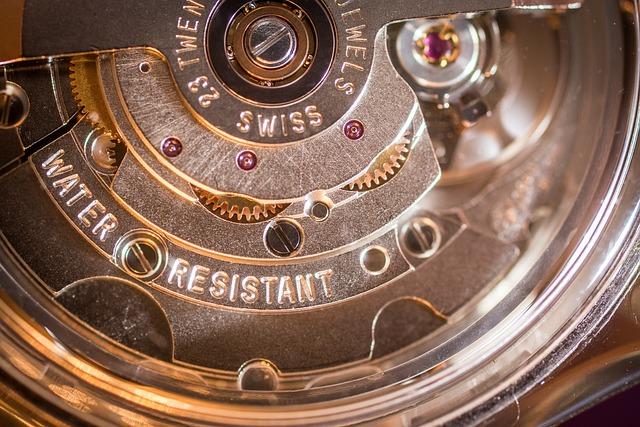
Contents
- Are Automatic Watches Durable?
- Understanding the Key Components and Construction
- Exploring the Impact of Daily Wear and Tear
- Unveiling the Truth about Water Resistance
- Examining the Resilience to Shock and Impact
- Delving into the Longevity of Automatic Movements
- Comparing Durability Across Different Brands and Models
- Tips to Enhance the Lifespan of Your Automatic Watch
- Insights and Conclusions
Are Automatic Watches Durable?
When it comes to durability, automatic watches have proved time and time again that they are built to last. These sophisticated timepieces are designed with precision engineering and robust materials, making them capable of withstanding the test of time.
One of the key factors contributing to the durability of automatic watches is their mechanical movement. Unlike quartz watches, automatic watches rely on a complex system of gears and springs to keep time. This mechanical movement not only adds a touch of elegance to the watch, but also enhances its durability. The absence of a battery means that there are fewer components that can malfunction or wear out over time, resulting in a watch that is less prone to failures.
Another aspect that adds to the durability of automatic watches is their construction. Most high-quality automatic watches are crafted from stainless steel, a material known for its strength and resistance to corrosion. This ensures that the watch can withstand daily wear and tear, as well as exposure to different environmental conditions. Additionally, the use of sapphire crystal for the watch face provides a scratch-resistant and durable surface that can endure the rigors of everyday use.
In terms of maintenance, automatic watches do require periodic servicing to ensure their longevity. This typically involves cleaning, lubricating, and adjusting the movement to keep it in optimal condition. However, when compared to quartz watches, which often require battery replacements, the maintenance requirements of automatic watches are minimal.
In conclusion, automatic watches are indeed durable timepieces that have stood the test of time. Their mechanical movement, robust construction, and use of high-quality materials contribute to their longevity. With proper care and maintenance, an automatic watch can be a reliable companion for many years to come.

Understanding the Key Components and Construction
Automatic watches are known for their durability, making them a popular choice among watch enthusiasts. But what makes them so robust? of automatic watches can shed light on their durability.
One of the most important components of an automatic watch is the movement. Automatic watches are powered by a self-winding movement, which uses a rotor that spins with the motion of the wearer’s wrist to wind the mainspring. This mechanical movement is known for its reliability and longevity, as it doesn’t rely on batteries or electronic components that can wear out over time. Additionally, most automatic movements are built to withstand shocks and vibrations, ensuring their durability in various environments.
Another key component of automatic watches is the case. High-quality automatic watches are typically constructed with stainless steel or titanium cases, which offer excellent protection against everyday wear and tear. These materials are not only resistant to scratches and corrosion but also provide a sturdy and robust housing for the delicate movement inside. Some luxury watch brands even use materials like ceramic or carbon fiber for their cases, further enhancing the durability of the timepiece.
Furthermore, automatic watches are designed with precision and attention to detail. The components inside an automatic watch, such as gears, springs, and jewels, are meticulously crafted and assembled to ensure optimal performance and longevity. The use of jewels, typically synthetic sapphires or rubies, in the movement’s bearings helps reduce friction and wear, contributing to the overall durability of the watch. Additionally, high-end automatic watches often undergo rigorous testing and quality control measures to ensure they meet the highest standards of durability and performance.
In conclusion, automatic watches are indeed durable timepieces, designed to withstand the test of time. From their reliable self-winding movements to their robust cases and precise craftsmanship, these watches are built to last. So, if you’re looking for a timepiece that combines both elegance and endurance, an automatic watch is a great choice.
Exploring the Impact of Daily Wear and Tear
One aspect that often perplexes watch enthusiasts is the durability of automatic watches. How do these timepieces fare against the wear and tear of daily use? It’s a question that deserves exploration, as it can influence our decision to invest in such a watch. So, let’s demystify the durability of automatic watches and determine whether they can withstand the demands of daily life.
It’s important to note that while automatic watches are built to be reliable and durable, they are not indestructible. However, with proper care and maintenance, they can endure the rigors of everyday wear and continue to function flawlessly for years to come.
One of the key factors that contribute to the durability of automatic watches is their construction. These watches are typically crafted with high-quality materials such as stainless steel cases and sapphire crystals, offering excellent resistance to scratches and impacts. Additionally, many automatic watches boast water resistance, providing an added layer of protection against accidental splashes or submersion.
Furthermore, automatic watches are designed with robust movements that are built to last. These intricate mechanisms are assembled with precision and often incorporate features that minimize the effects of shock and vibrations. This ensures that the delicate components inside the watch remain unscathed, even in the face of daily wear and tear.
While automatic watches are undoubtedly durable, it’s important to remember that they do require regular maintenance to keep them in optimal condition. This includes periodic servicing, which involves cleaning, lubrication, and adjustment of the watch movement by a trained professional. By adhering to a maintenance schedule and taking necessary precautions, you can extend the lifespan of your automatic watch and enjoy its exceptional durability for years to come.
In conclusion, automatic watches are indeed durable timepieces that can withstand the demands of daily wear and tear. With their robust construction, high-quality materials, and precise movements, these watches are designed to be reliable companions for the long haul. By investing in proper maintenance and care, you can ensure that your automatic watch remains in impeccable condition and continues to serve you faithfully for generations.
Unveiling the Truth about Water Resistance
Water resistance is a topic that often puzzles watch enthusiasts and collectors, causing confusion and uncertainty when it comes to the durability of automatic watches. In this post, we aim to demystify the truth about water resistance and shed light on its impact on the overall durability of these timepieces.
First and foremost, it’s essential to understand that water resistance is not synonymous with waterproof. Watches with water resistance ratings are designed to withstand varying degrees of water exposure, but they are not impervious to water damage. It is crucial to adhere to the recommended water resistance level and avoid exposing your watch to excessive water or submerging it beyond its limits.
To further illustrate the different water resistance levels, here is a simplified breakdown:
- Water-resistant (30m/3ATM): These watches offer protection against splashes, rain, or accidental water exposure. However, they are not suitable for swimming or diving.
- Swim-proof (50m/5ATM): These watches can withstand swimming, but not diving or high-pressure water activities.
- Diver’s watches (100m/200m/300m): These watches are specifically designed for diving, offering exceptional water resistance and reinforced seals.
It is crucial to note that while water resistance plays a significant role in a watch‘s durability, it is just one factor among many. The overall durability of an automatic watch depends on various factors, including the quality of materials, movement, construction, and proper maintenance. Investing in a reputable brand with a reputation for quality craftsmanship will often result in a more durable watch that can withstand daily wear and tear.
In conclusion, automatic watches are indeed durable, with water resistance being an important aspect to consider. However, it is essential to understand the limitations of water resistance ratings and adhere to the recommended usage guidelines. Remember, proper maintenance, regular servicing, and avoiding unnecessary exposure to water will contribute to the longevity and durability of your treasured timepiece.
Examining the Resilience to Shock and Impact
When it comes to durability, automatic watches have always been a topic of discussion. Are they really as durable as their quartz counterparts? Let’s demystify the durability of automatic watches and delve into their resilience to shock and impact.
Mechanical marvel: Automatic watches are a testament to mechanical engineering. Their inner workings consist of intricate gears, springs, and oscillating weights, which are delicate by nature. However, don’t let this complexity fool you into thinking that they lack durability. It is precisely this craftsmanship that ensures their ability to withstand shocks and impacts.
Shock absorbers: Most high-quality automatic watches incorporate shock absorbers in their design. These mechanisms provide protection against external forces that can potentially damage the movement. They enable the delicate components to absorb and minimize the impact of sudden shocks, such as dropping the watch or accidentally hitting it against a surface. This feature significantly enhances the watch’s overall durability and longevity.
Testing resilience: Watch manufacturers subject their timepieces to rigorous testing to ensure their resilience to shocks and impacts. These tests simulate extreme conditions that the watch might encounter in real-life scenarios. They include drop tests, impact tests, and vibration tests, among others. By passing these tests, automatic watches prove their ability to withstand the everyday challenges they may face.
Conclusion: Despite popular misconceptions, automatic watches are indeed durable and capable of enduring shocks and impacts. Thanks to the meticulous craftsmanship and the integration of shock absorbers, they are designed to stand up to the demands of everyday wear. So, if you’re concerned about the durability of an automatic watch, rest assured, and embrace the reliability and resilience they offer.

Delving into the Longevity of Automatic Movements
Automatic watches have long been prized for their sophisticated craftsmanship and timeless elegance. But one question that often lingers in the minds of watch enthusiasts is whether these mechanical marvels can withstand the test of time. In this post, we delve into the longevity of automatic movements, demystifying their durability once and for all.
One of the key factors contributing to the durability of automatic watches is the quality of their internal components. High-end timepieces are often equipped with precision-engineered parts that are built to last. For instance, the use of robust materials such as stainless steel, sapphire crystal, and ceramic in the construction of watch cases and bezels ensures resistance to scratches, impacts, and corrosion over time. Moreover, the use of jeweled bearings in the movement helps reduce friction and wear, prolonging the lifespan of the watch.
Regular maintenance is of utmost importance in maintaining the durability of automatic watches. Periodic servicing, including cleaning and lubrication, by skilled watchmakers can significantly extend the lifespan of these timepieces. Additionally, proper storage and handling, such as avoiding extreme temperatures and strong magnetic fields, can help prevent unnecessary strain on the delicate components.
Contrary to popular belief, the complexity of automatic movements does not necessarily make them more fragile than their manual counterparts. In fact, the winding system of automatic watches, which relies on the natural movement of the wearer’s wrist, can actually contribute to their longevity. The continuous motion keeps the internal mechanism engaged, preventing the lubricants from drying out and ensuring the watch remains in good working condition.
In conclusion, automatic watches are indeed durable timepieces that can withstand the test of time when properly cared for. Their high-quality components, regular maintenance, and unique winding system all contribute to their longevity. Whether you are a collector or simply appreciate the craftsmanship of these mechanical wonders, rest assured that automatic watches are built to last, making them a worthwhile investment for watch enthusiasts worldwide.
Comparing Durability Across Different Brands and Models
When it comes to choosing a watch, durability is a crucial factor to consider. After all, you want your timepiece to withstand the test of time and continue ticking for years to come. Today, we’ll demystify the durability of automatic watches and compare it across different brands and models, so you can make an informed decision when selecting your next watch.
1. Material: One of the primary factors that contribute to the durability of a watch is the material used in its construction. Stainless steel is a popular choice for watch cases due to its resistance to corrosion, scratches, and general wear and tear. Some high-end brands even use titanium or ceramic, which offer superior strength and durability.
2. Movement: The movement of a watch refers to its internal mechanism that powers the timekeeping. Automatic watches are known for their intricate mechanical movements, which consist of hundreds of tiny components working together. These movements are often more durable compared to quartz or battery-powered watches, as they have fewer parts that can malfunction over time.
3. Water resistance: Another aspect to consider when evaluating the durability of a watch is its water resistance. A watch that is designed to withstand water exposure is generally more durable since it’s built to resist moisture and withstand underwater pressure. Different brands and models offer varying levels of water resistance, so be sure to check the specifications before making a purchase.
| Brand | Material | Movement | Water Resistance |
|---|---|---|---|
| Brand A | Stainless steel, Ceramic | Automatic | 30m |
| Brand B | Titanium, Stainless steel | Quartz | 100m |
| Brand C | Stainless steel | Automatic | 50m |
Keep in mind that the durability of a watch also depends on how well it is cared for and maintained. Regular servicing, proper storage, and avoiding extreme conditions can significantly prolong the lifespan of your timepiece. Remember to choose a brand and model that aligns with your lifestyle and consider these durability factors to ensure your watch remains a reliable companion for years to come.

Tips to Enhance the Lifespan of Your Automatic Watch
Automatic watches are known for their durable construction and precise timekeeping. With proper care and maintenance, these timepieces can last for generations. Here are some :
Regular Servicing
Just like any mechanical device, automatic watches require regular servicing to ensure optimal performance. It is recommended to have your watch serviced by a professional every 3-5 years. During servicing, the watch will undergo a thorough cleaning, lubrication, and adjustment of its mechanism. This helps prevent wear and tear, ensuring the longevity of your timepiece.
Proper Storage
When not in use, it is essential to store your automatic watch properly. Avoid exposing it to extreme temperatures, moisture, or direct sunlight, as this can damage the internal components. Consider investing in a watch box or a watch winder that will provide a safe and controlled environment for your watch when not on your wrist. Additionally, ensure that the watch is stored in a position that avoids any unnecessary stress on the winding mechanism.
Gentle Handling
Handle your automatic watch with care to prevent any accidental damage. Avoid dropping or banging it against hard surfaces, as this can disrupt the intricate movement inside. When setting the time or date, do it gently and avoid excessive force. Similarly, be cautious when adjusting the crown or using any additional features or complications. Treat your watch as a delicate piece of art that deserves careful attention.
Regular Winding
While automatic watches are self-winding, they still require manual winding from time to time, especially if they haven’t been worn for an extended period. To ensure accurate timekeeping, gently rotate the crown clockwise for about 20-30 times to fully wind the mainspring. This will help maintain the power reserve and prevent the lubricants from drying up. However, be careful not to overwind the watch, as this can strain the mechanism.
By following these tips, you can enhance the lifespan of your automatic watch and enjoy its beauty and accuracy for many years to come. Remember, a well-maintained watch becomes an heirloom that holds its value over time.
Insights and Conclusions
In conclusion, automatic watches are indeed durable timepieces that can withstand the test of time. Contrary to popular belief, they are built with precision and expertise, making them highly reliable in terms of longevity. The key takeaway here is that automatic watches, with their intricate mechanical movements, are designed to last for generations if properly maintained. From the robust materials used in their construction to the precise engineering behind their mechanisms, automatic watches are crafted to withstand the rigors of daily wear and tear. So, if you’re in search of a durable and timeless timepiece, look no further than an automatic watch – a true testament to the craftsmanship and durability that stands the test of time.
Get our latest guides, news, and insights highlighted in your Google Search & AI Overviews.