How Often Do You Wind an Automatic Watch? Discover Now!
Have you ever wondered how often you should wind your automatic watch? If so, you’re in the right place. In this article, we’ll delve into the ins and outs of automatic watch winding frequency, so you can ensure your timepiece keeps ticking smoothly. Let’s get started!
Contents
- How an Automatic Watch Works
- Benefits of Regularly Winding Your Automatic Watch
- Factors to Consider When Determining How Often to Wind
- Understanding the Power Reserve of Your Automatic Watch
- Tips for Properly Winding Your Automatic Watch
- Signs Your Automatic Watch Needs to Be Wound
- Common Mistakes to Avoid When Winding Your Automatic Watch
- Consulting Your Watchmaker for Winding Recommendations
- To Wrap It Up
How an Automatic Watch Works
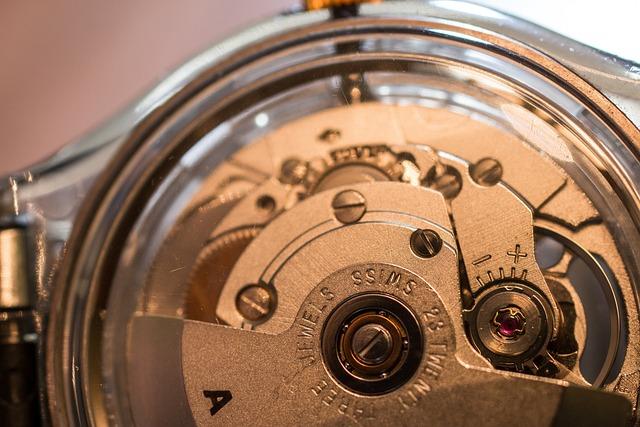
Automatic watches work by utilizing the natural motion of the wearer’s wrist to power the watch. Inside the watch, there is a rotor that moves with the motion of the wrist, winding the mainspring which powers the watch. As long as the watch is worn regularly, it will continue to wind itself and keep accurate time.
One of the most common questions about automatic watches is how often they need to be wound. In general, automatic watches should be worn at least every other day to ensure they stay fully wound. If the watch is left unworn for an extended period of time, it will stop running and need to be manually wound to start again.
Related: How Many Times Should You Wind an Automatic Watch? Discover Now!
When manually winding an automatic watch, it’s important to avoid overwinding. Most automatic watches have a built-in mechanism that prevents overwinding, but it’s still a good idea to stop winding once you feel resistance. Typically, 20 to 30 turns of the crown should be sufficient to fully wind the watch and get it running again.
In summary, automatic watches are a fascinating combination of mechanical engineering and everyday wear. By understanding how they work and how to keep them running smoothly, you can enjoy the beauty and precision of an automatic watch for years to come.

Benefits of Regularly Winding Your Automatic Watch
Regularly winding your automatic watch is essential to ensure its accuracy and longevity. By winding your watch on a consistent basis, you help keep the movement running smoothly and maintain its precision timekeeping capabilities.
Some include:
- Preservation of movement: Winding your watch helps prevent the lubricants from drying out, reducing wear and tear on the components.
- Improved accuracy: Keeping your watch wound ensures that it keeps time accurately, avoiding the need for frequent adjustments.
- Longer power reserve: Regular winding helps maintain a healthy power reserve, ensuring your watch stays running even when not worn for a few days.
- Enhanced longevity: Proper maintenance, including regular winding, can extend the lifespan of your automatic watch, allowing you to enjoy it for years to come.
| Frequency of Winding | Benefits |
|---|---|
| Once a day | Keeps the watch running smoothly |
| Every other day | Preserves power reserve |
| Once a week | Ensures accuracy and longevity |

Factors to Consider When Determining How Often to Wind
:
When deciding how often to wind your automatic watch, there are several factors to take into consideration to ensure optimal performance. Here are some key points to keep in mind:
1. Activity Level: If you wear your watch regularly and are constantly moving throughout the day, the natural movement of your wrist will help keep the watch wound. In this case, you may only need to wind your watch every couple of days to maintain accuracy.
2. Power Reserve: Check the power reserve of your specific watch model. Some watches have a power reserve of 36 hours, while others can last up to 72 hours or more. Knowing the power reserve of your watch will help you determine how often you need to wind it.
3. Storage: If you do not wear your watch daily or keep it in a watch winder when not in use, you may need to wind it more frequently to ensure it stays running smoothly.
4. Watch Brand: Different watch brands and models may have varying winding requirements. Consult the manufacturer’s guidelines or contact a watch specialist for specific recommendations based on your watch.
By considering these factors, you can determine the best winding schedule for your automatic watch to ensure it stays accurate and reliable. Remember, regular winding and maintenance will help prolong the life of your timepiece.
Understanding the Power Reserve of Your Automatic Watch
One of the key features of an automatic watch is its power reserve, which refers to how long the watch can function without being wound. This important aspect of your timepiece can vary depending on the specific model and brand, so it’s essential to know how often you need to wind your watch to keep it running smoothly.
A typical automatic watch can have a power reserve of anywhere from 36 to 72 hours, meaning it can continue to function for that amount of time once fully wound. To ensure your watch stays operational, it’s recommended to wind it regularly, especially if you don’t wear it every day. Most automatic watches should be wound at least once every two weeks to prevent the movement from stopping.
Some watches are equipped with power reserve indicators, which display the amount of energy left in the watch. This feature can be helpful in determining when it’s time to wind your watch. Additionally, keeping your watch on a watch winder when not in use can help maintain its power reserve and keep it running accurately.

Tips for Properly Winding Your Automatic Watch
When it comes to properly winding your automatic watch, there are a few key tips to keep in mind. By following these guidelines, you can ensure that your timepiece is functioning at its best and will last for years to come.
- **Know your watch:** Before winding your automatic watch, it’s important to understand how many turns it needs. Some watches may require more turns than others, so always refer to the manufacturer’s guidelines.
- **Consistency is key:** It’s important to wind your automatic watch at the same time every day. This will help keep the movement running smoothly and ensure accurate timekeeping.
- **Avoid overwinding:** Be careful not to overwind your watch, as this can cause damage to the movement. Once you feel resistance while winding, stop immediately to prevent any issues.
| Steps | Turns required |
|---|---|
| Regular | 20-30 |
| Power reserve indicator | As indicated |

Signs Your Automatic Watch Needs to Be Wound
One of the easiest ways to tell if your automatic watch needs to be wound is by checking the power reserve. If your watch stops unexpectedly or has a noticeably shorter running time, it may be time to give it a wind. Keep an eye out for these signs that your automatic watch needs to be wound:
- Decreased Power Reserve: The watch stops unexpectedly or has a shorter running time.
- Sluggish Movement: The second hand moves in a jerky or irregular fashion.
- Changing Time: The watch loses or gains time more frequently than usual.
- Feeling Light: The winding crown feels looser or easier to turn than usual.
Remember, winding your automatic watch regularly can help keep it running smoothly and accurately. To avoid any issues, it’s recommended to wind your watch at least once every two weeks, or as needed based on its power reserve. By staying attentive to these signs and giving your watch the care it requires, you can enjoy its reliable performance for years to come.

Common Mistakes to Avoid When Winding Your Automatic Watch
When it comes to winding your automatic watch, there are several common mistakes that many watch enthusiasts make. Avoiding these mistakes is crucial to ensure the proper functioning and longevity of your timepiece. Here are some common errors to steer clear of:
- Avoid overwinding your watch, as this can put unnecessary stress on the movement and cause damage over time.
- Make sure to wind your watch at the same time each day, as inconsistent winding can affect the accuracy of the timekeeping.
- Don’t forget to unscrew the crown before winding, if your watch has a screw-down crown. Failing to do so can result in damage to the crown or stem.
- Be gentle when winding your watch, as applying too much force can strip the gears or cause other internal issues.
By avoiding these common mistakes and following proper winding techniques, you can ensure that your automatic watch continues to run smoothly and accurately for years to come.

Consulting Your Watchmaker for Winding Recommendations
When it comes to winding your automatic watch, it’s essential to consult your watchmaker for the best recommendations. Your watchmaker can provide expert advice on how often you should wind your watch to keep it running smoothly and accurately. By following their guidance, you can ensure that your timepiece stays in optimal condition for years to come.
One key factor to consider when winding your automatic watch is the power reserve. The power reserve is the amount of time your watch can run without being wound. By winding your watch regularly, you can ensure that it stays fully charged and ready to go whenever you need it.
Another important aspect to keep in mind is the winding direction. Some automatic watches require clockwise winding, while others need to be wound in a counterclockwise direction. Your watchmaker can advise you on the correct winding direction for your specific timepiece, helping you avoid any potential damage.
Overall, is crucial for maintaining the longevity and accuracy of your automatic watch. By following their expert advice, you can keep your timepiece in top condition and enjoy years of reliable timekeeping.
To Wrap It Up
In conclusion, understanding how often to wind an automatic watch is crucial for its performance and longevity. By following the manufacturer’s recommendations and staying consistent with a daily winding routine, you can ensure that your timepiece operates smoothly and accurately. Remember to avoid overwinding or leaving the watch unused for extended periods to prevent damage. By taking proper care of your automatic watch, you can enjoy its craftsmanship for years to come. Keep these key takeaways in mind to make the most out of your timepiece. Thank you for reading!
Get our latest guides, news, and insights highlighted in your Google Search & AI Overviews.