Are Automatic Watches Waterproof? Essential Info for Watch Owners
Are you a proud owner of an automatic watch? If so, you’ve likely wondered whether or not your timepiece is waterproof. It’s a question that often pops up in the minds of watch enthusiasts around the world. After all, the last thing you want is to accidentally damage your beloved watch with a little water exposure. In this article, we will dive deep into the world of automatic watches and waterproofing, providing you with essential information that every watch owner should know. So, grab your favorite timepiece, sit back, and prepare to become an expert on the waterproof capabilities of automatic watches.
Contents
- Are Automatic Watches Waterproof?
- Factors to Consider When Assessing Waterproofness in Automatic Watches
- Understanding Water Resistance Ratings in Automatic Watches
- Recommended Water Resistance Levels for Everyday Use
- Essential Care Guidelines to Ensure Water Resistance in Automatic Watches
- Waterproof vs. Water-resistant: Understanding the Difference for Automatic Watches
- In Summary
Are Automatic Watches Waterproof?
Waterproofing is a crucial factor to consider when it comes to automatic watches. While some may claim to be waterproof, it is important to understand that no watch is truly 100% waterproof. However, many are water-resistant to various degrees.
Water resistance is typically measured in meters or atmospheres (ATM). For example, a watch with a water resistance rating of 100 meters means it can withstand submersion at depths of up to 100 meters without water entering the case. It’s important to note that water resistance can degrade over time due to wear and tear or improper maintenance.
To ensure the water resistance of your automatic watch, here are some essential tips to keep in mind:
Know the water resistance rating: Before exposing your watch to water, check its water resistance rating. Most watches are designed to handle everyday activities like handwashing or light rain, but may not be suitable for swimming or diving.
Avoid extreme temperature changes: Sudden temperature changes can cause the gaskets and seals in your watch to expand or contract, compromising its water resistance. It’s best to take off your watch before entering hot tubs, saunas, or extremely cold environments.
Regular maintenance: To maintain water resistance, it is recommended to have your watch checked and serviced by a professional every 1-2 years. They can inspect and replace any worn-out gaskets or seals to ensure its continued protection against water.
- Read the user manual: Each watch model may have specific water resistance guidelines. It’s crucial to refer to the user manual for any specific instructions or limitations regarding water exposure. Following the manufacturer’s guidelines will help ensure the longevity of your watch.
Remember, even if your automatic watch is water-resistant, it is not invincible to water damage. It is always best to err on the side of caution and remove your watch before engaging in water-related activities.

Factors to Consider When Assessing Waterproofness in Automatic Watches
When it comes to automatic watches, one of the most common questions watch owners have is whether their timepiece is truly waterproof. While some may assume that all automatic watches are built to withstand water exposure, it’s important to understand that not all watches are created equal in terms of their waterproof capabilities.
To determine the level of waterproofness in automatic watches, there are several key factors that need to be considered:
- Water Resistance Rating: Every automatic watch should have a water resistance rating, usually indicated in meters or atmospheres (ATM). This rating specifies the maximum level of water pressure the watch can withstand without water entering the case. Higher ratings like 100 meters or 10ATM indicate a higher level of waterproofness.
- Crown and Case Seal: The crown and case back, if not properly sealed, can compromise the watch’s waterproofness. Look for watches with screw-down crowns and case backs that enhance the overall water resistance.
- Gaskets and O-Rings: Gaskets and o-rings are essential components in waterproof watches as they create a tight seal between the case components. Premium automatic watches often have multiple gaskets placed strategically within the watch to provide enhanced water resistance.
- Materials and Construction: The materials used in the watch’s construction play a significant role in its waterproof capabilities. Stainless steel, titanium, and ceramic are commonly utilized, as they offer durability and resistance to corrosion. Additionally, watches designed with a solid, one-piece case construction tend to have better waterproof properties.
It’s important to note that even if a watch is labeled as ”waterproof” or has a high water resistance rating, it’s advisable to avoid exposing your automatic watch to extreme water-related activities such as deep diving or extreme water pressure. Such activities can put excessive stress on the watch’s seals and compromise its waterproofness.

Understanding Water Resistance Ratings in Automatic Watches
is essential for watch owners to ensure that their timepieces are adequately protected against water damage. While automatic watches are not completely waterproof, they do have varying degrees of water resistance that can protect them from moisture and splashes.
The water resistance rating of an automatic watch is typically indicated in meters (m) or atmospheres (ATM). This rating signifies the depth to which the watch can safely withstand water pressure without experiencing any damage. It is crucial to note that water resistance is tested under laboratory conditions and may not always translate to real-life situations.
Here are some common water resistance ratings and their corresponding capabilities:
- 30m/3ATM: These watches are only suitable for daily wear and can tolerate splashes, but should not be submerged in water.
- 50m/5ATM: These watches offer slightly more protection and are suitable for activities such as swimming or showering, but should not be used for diving or snorkeling.
- 100m/10ATM: Watches with this rating are suitable for recreational snorkeling and swimming but should not be used for deep-sea diving.
- 200m/20ATM: These watches are appropriate for recreational scuba diving and can withstand higher water pressures.
It is important to note that water resistance can deteriorate over time due to factors such as aging seals or accidental damage. Regular maintenance and periodic water resistance checks by a professional are recommended to ensure the continued functionality of your automatic watch.

Recommended Water Resistance Levels for Everyday Use
When it comes to owning a watch, understanding its water resistance levels is crucial. While automatic watches are not entirely waterproof, they do offer varying degrees of water resistance. This ensures that your timepiece can withstand exposure to water in your everyday activities without causing damage. To help you make informed choices, here are the :
- 30 meters (3 ATM): Suitable for splashes, rain, and brief immersion in water. However, avoid submerging your watch in water as this level of water resistance may not be sufficient to prevent water from entering the case under prolonged exposure.
- 50 meters (5 ATM): Ideal for activities such as swimming, showering, and recreational water sports. Though it can handle brief water submersion, this level of water resistance is not suitable for diving or high-pressure water activities.
- 100 meters (10 ATM): With this level of water resistance, your watch can handle swimming, snorkeling, and water sports, as well as recreational diving at shallow depths.
- 200 meters (20 ATM): Recommended for professional diving and more extreme water activities. Watches with this water resistance level can function effectively even in deeper depths.
Keep in mind that water resistance levels can vary between watch models and manufacturers. It’s important to follow the specific guidelines provided by the watchmaker to ensure the longevity of your timepiece. Additionally, regular maintenance and periodic resealing of gaskets are essential to maintain the water resistance of your watch.
| Water Resistance Level | Activities | Maximum Depth |
|---|---|---|
| 30 meters (3 ATM) | Splashes, rain, brief immersion | N/A |
| 50 meters (5 ATM) | Swimming, showering, recreational water sports | N/A |
| 100 meters (10 ATM) | Swimming, snorkeling, water sports, recreational diving | 30 meters (100 feet) |
| 200 meters (20 ATM) | Professional diving, extreme water activities | 60 meters (200 feet) |

Essential Care Guidelines to Ensure Water Resistance in Automatic Watches
When it comes to automatic watches, one common question that arises is whether they are waterproof. While automatic watches may have some level of water resistance, it is essential to understand that they are not completely waterproof. Therefore, it is crucial for watch owners to follow certain care guidelines to ensure that their automatic watches remain water resistant and do not get damaged.
1. Understand the water resistance rating: Each automatic watch comes with a specific water resistance rating. It is essential to understand this rating as it indicates the watch’s level of water resistance. For example, a watch with a water resistance rating of 50 meters is suitable for showering and swimming, but not for snorkeling or deep-sea diving.
2. Properly seal the crown: The crown, which is used to set the time and date on the watch, must be properly sealed to maintain water resistance. Make sure to push the crown in firmly and ensure that it is fully screwed down or pushed in, depending on the type of crown your watch has. This will help prevent water from entering the watch through the crown.
3. Avoid extreme water exposure: While automatic watches may have some level of water resistance, it is best to avoid exposing them to extreme water activities. This includes activities such as diving, snorkeling, or wearing the watch in hot water, saunas, or steam rooms. Extreme water exposure can exceed the watch’s water resistance capabilities and lead to damage.
4. Regular maintenance and servicing: To ensure the water resistance of your automatic watch, it is essential to have it regularly serviced by a professional watchmaker. Regular maintenance will help identify any issues with the watch’s seals or gaskets and ensure they are replaced or repaired if necessary.
By following these essential care guidelines, watch owners can help maintain the water resistance of their automatic watches and prevent damage caused by moisture or water exposure. Remember, while automatic watches may be water resistant to some extent, they are not completely waterproof, so it is crucial to take proper care to ensure their longevity.

Waterproof vs. Water-resistant: Understanding the Difference for Automatic Watches
As a watch owner, it’s important to understand the difference between waterproof and water-resistant when it comes to your automatic timepiece. These terms are often used interchangeably, but they actually refer to two different levels of water protection. Knowing what each term means can help you make informed decisions about wearing and caring for your watch.
Waterproof: A truly waterproof watch is built to withstand immersion in water at significant depths. These watches typically have a screw-down crown and case back, ensuring a tight seal that prevents any water from entering the watch mechanism. Waterproof watches are designed specifically for divers or individuals who engage in water-based activities at high pressures. They often come with specific water resistance ratings, such as 100 meters or 200 meters, indicating the maximum depth they can handle.
Water-resistant: On the other hand, water-resistant watches are not completely impervious to water but can withstand some exposure without damage. They are designed to withstand splashes, rain, or brief immersion. It’s important to note, however, that water resistance is not a permanent characteristic and can diminish over time due to aging seals or damage. Therefore, it is recommended to avoid exposing a water-resistant watch to excessive moisture or pressure to maintain its integrity.
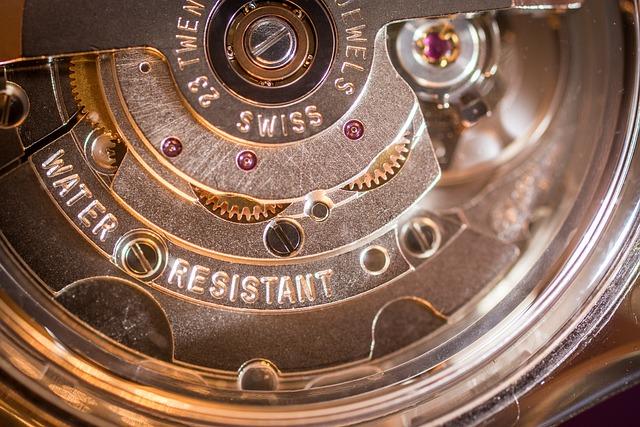
When it comes to automatic watches, both waterproof and water-resistant variations can be found. However, it’s crucial to pay attention to the watch’s specific water resistance rating, which is usually indicated on the dial or case back. This rating will help you determine the level of water exposure your watch can handle.
Remember: Whether your automatic watch is waterproof or water-resistant, it’s always wise to take some precautions. Avoid wearing it while swimming, showering, or participating in water sports, unless you are sure it can withstand the activity. Additionally, regularly check the seals on your watch and have it serviced by a professional to ensure optimal water resistance.
In Summary
In conclusion, it is important for watch owners to understand the waterproof capabilities of their automatic timepieces. While automatic watches are designed to be water-resistant, it does not mean they are fully waterproof. To ensure the longevity of your watch and prevent any damage, it is crucial to follow the manufacturer’s guidelines and avoid exposing your watch to excessive moisture or submerging it in water beyond its stated water resistance rating. Regular maintenance and servicing will also help maintain the water-resistance of your automatic watch. Remember, water damage is not typically covered under warranty, so it is essential to take necessary precautions. By staying informed and treating your automatic watch with care, you can enjoy the accuracy and craftsmanship of your timepiece for years to come.
Get our latest guides, news, and insights highlighted in your Google Search & AI Overviews.