How Automatic Watches Are Made? Must-Read Guide!
Have you ever wondered how those captivating and endlessly fascinating automatic watches are made? Dive into our must-read guide to discover the intricate and fascinating process behind the creation of these mechanical marvels. From the meticulous craftsmanship to the innovative technology, you’ll be amazed at the artistry and expertise that goes into producing these timeless timepieces.
Contents
- How Automatic Watches Work
- The Intricate Process of Watchmaking
- The Components and Movements of Automatic Watches
- Components of Automatic Watches
- Movements of Automatic Watches
- Craftsmanship and Precision in Watch Manufacturing
- The Art of Assembling Automatic Timepieces
- Quality Control and Testing in Watch Production
- Materials Used in Creating Automatic Watches
- Innovation and Technology in Modern Watchmaking
- Key Considerations When Choosing an Automatic Watch
- Tips for Caring for Your Automatic Timepiece
- Closing Remarks
How Automatic Watches Work
An automatic watch, also known as a self-winding watch, operates through the motion of the wearer’s wrist. Unlike quartz watches that rely on batteries to power the movement, automatic watches harness energy from the natural movement of the wearer’s arm. This energy is stored in a mainspring and transferred through a series of gears and springs to power the watch.
The heart of an automatic watch is the rotor, a small metal weight that rotates with the movement of the wearer’s wrist. As the rotor spins, it winds the mainspring, which stores the energy needed to power the watch. The mainspring then releases this energy slowly and evenly, regulating the movement of the watch’s hands.
To ensure accurate timekeeping, automatic watches are equipped with a balance wheel and escapement mechanism. The balance wheel oscillates back and forth, while the escapement regulates the release of energy from the mainspring. Together, these components work in harmony to keep the watch ticking accurately.
Overall, automatic watches are marvels of engineering that combine traditional craftsmanship with modern technology. They offer a unique and fascinating glimpse into the world of horology, capturing the essence of timekeeping in a beautifully crafted timepiece.
The Intricate Process of Watchmaking
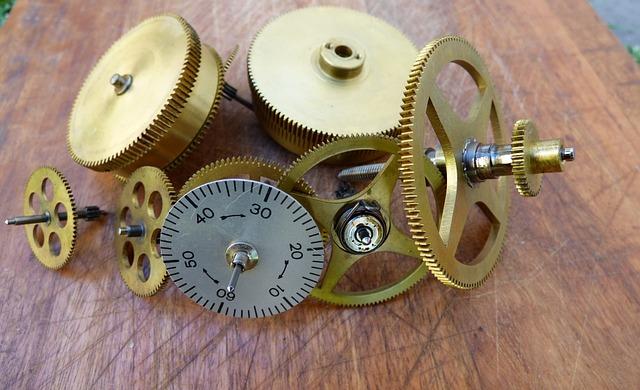
Automatic watches are a marvel of engineering, consisting of intricate components meticulously crafted to keep time accurately without the need for manual winding. The process of making these timepieces involves a series of careful steps that require exceptional skill and precision.
One of the key components of an automatic watch is the rotor, a small weight that moves with the motion of the wearer’s wrist, winding the watch’s mainspring. This ingenious mechanism allows the watch to self-wind as it is worn, ensuring that it stays powered without the need for a battery.
The movement of an automatic watch is composed of various gears, springs, and other components that work in harmony to keep time accurately. Watchmakers meticulously assemble these parts, adjusting them to ensure that the watch functions flawlessly.
From the delicate balance wheel to the escapement mechanism, every detail of an automatic watch is carefully considered and meticulously crafted. The result is a timepiece that not only tells time but also embodies the artistry and precision of traditional watchmaking.

The Components and Movements of Automatic Watches
Automatic watches are marvels of engineering, combining intricate components and precise movements to create a timepiece that doesn’t require manual winding. Let’s take a closer look at the inner workings of these fascinating watches.
Components of Automatic Watches
The key components of automatic watches include:
- Rotor: This part of the watch winds the mainspring by utilizing the movements of the wearer’s arm.
- Mainspring: Stores the energy needed to power the watch.
- Escapement: Regulates the release of energy from the mainspring to the gear train.
- Balance wheel: Oscillates back and forth, controlling the movement of the gears.
Movements of Automatic Watches
There are different types of movements in automatic watches, including:
- Automatic Movement: Also known as self-winding, these watches are powered by the movement of the wearer’s wrist.
- Manual Movement: Requires manual winding to keep the watch running.
- Quartz Movement: Uses a battery for power and is known for its accuracy.
| Component | Function |
|---|---|
| Rotor | Winds the mainspring |
| Mainspring | Stores energy |
| Escapement | Regulates energy release |
| Balance wheel | Controls gear movement |

Craftsmanship and Precision in Watch Manufacturing
Craftsmanship and precision are key elements in the art of watchmaking, particularly when it comes to creating automatic watches. Every intricate detail of an automatic watch is meticulously crafted to ensure its precision and functionality.
In the manufacturing process of automatic watches, skilled watchmakers pay close attention to each component, from the movement to the casing and the dial. This level of attention to detail is what sets automatic watches apart from other types of timepieces.
One important aspect of watchmaking is the assembly of the movement, which consists of hundreds of tiny parts meticulously put together by hand. This process requires patience, skill, and a keen eye for detail to ensure the movement operates flawlessly.
Overall, the craftsmanship and precision that go into making automatic watches are what make them highly sought-after timepieces. From the intricate movement to the exquisite casing and dial, automatic watches are a true testament to the artistry and dedication of watchmakers around the world.
The Art of Assembling Automatic Timepieces
Assembling automatic timepieces is truly an art form that requires precision, skill, and patience. Each watch is meticulously put together by expert watchmakers who understand the intricate workings of these mechanical marvels.
One of the key components of automatic watches is the rotor, which is responsible for winding the mainspring. This rotor is connected to a series of gears that transfer the energy created by the movement of the wearer’s wrist into the mainspring, keeping the watch constantly wound.
Another crucial part of assembling automatic watches is the escapement mechanism, which regulates the movement of the gears and ensures accurate timekeeping. This intricate system of levers, wheels, and springs is essential for the smooth operation of the watch.
Overall, the process of assembling automatic watches is a labor of love that results in a beautifully crafted timepiece that will stand the test of time. So next time you look at your automatic watch, remember the expertise and care that went into creating it!

Quality Control and Testing in Watch Production
In the world of watch production, quality control and testing are essential steps to ensure that each timepiece meets the highest standards of precision and durability. Watch manufacturers go to great lengths to ensure that every watch that leaves their production line is a masterpiece of craftsmanship and engineering.
One of the key aspects of quality control in watch production is the testing of the movement. This involves subjecting the movement to various conditions and scenarios to ensure that it functions accurately and reliably. Some of the tests that are conducted include:
- Accuracy Test: This test checks the movement’s ability to keep time accurately over a specified period.
- Water Resistance Test: Watches are tested to ensure that they are water-resistant up to a certain depth.
- Shock Resistance Test: The movement is tested to ensure that it can withstand shocks and vibrations without affecting its performance.
| Test | Result |
|---|---|
| Accuracy Test | Passed |
| Water Resistance Test | Passed |
| Shock Resistance Test | Passed |
These tests ensure that each automatic watch is not only a thing of beauty but also a reliable timekeeping companion that will last for years to come. By investing in quality control and testing, watch manufacturers uphold the tradition of craftsmanship and excellence that has defined the industry for centuries.

Materials Used in Creating Automatic Watches
When it comes to creating automatic watches, the materials used play a crucial role in determining the quality and durability of the timepiece. Here are some of the key materials that are commonly used in the making of automatic watches:
- Stainless Steel: One of the most popular materials used in watchmaking, stainless steel is known for its durability and resistance to corrosion.
- Sapphire Crystal: Often used for the watch face, sapphire crystal is extremely scratch-resistant, ensuring that your watch maintains its clarity over time.
- Leather: High-quality leather is commonly used for watch straps, providing a comfortable and stylish fit for the wearer.
- Automatic Movement: The heart of an automatic watch, the movement is typically made of metal, with intricate gears and springs working together to keep time accurately.
| Material | Characteristic |
|---|---|
| Stainless Steel | Durable and corrosion-resistant |
| Sapphire Crystal | Scratch-resistant for clarity |
| Leather | Comfortable and stylish |
| Automatic Movement | Precision timekeeping |

Innovation and Technology in Modern Watchmaking
One of the most fascinating aspects of modern watchmaking is the intricate process of creating automatic watches. These timepieces are a true testament to the innovation and technology that have shaped the industry over the years.
**Components of Automatic Watches:**
– Rotor: This is a crucial component that moves as the wearer’s arm motions, winding the watch.
– Mainspring: This stores the energy generated by the rotor, powering the watch.
– Escapement: This regulates the movement of the gears in the watch, ensuring accurate timekeeping.
– Gear Train: This transfers the energy from the mainspring to the hands of the watch, allowing them to move smoothly.
**Manufacturing Process of Automatic Watches:**
– Design: Engineers and designers create intricate blueprints detailing the inner workings of the watch.
- Production: Skilled craftsmen meticulously assemble the components by hand, ensuring precision and quality.
– Testing: Each watch undergoes rigorous testing to ensure accuracy and durability before being released to the market.
**Innovations in Automatic Watches:**
- Silicon Components: Many modern automatic watches utilize silicon components to reduce friction and increase accuracy.
– Anti-Magnetic Technology: Some watches are now equipped with anti-magnetic technology to protect the movement from magnetic fields.
- Advanced Complications: Manufacturers have introduced advanced complications such as tourbillons and perpetual calendars to enhance the functionality of automatic watches.
Overall, the process of creating automatic watches is a blend of traditional craftsmanship and cutting-edge technology, resulting in timepieces that are both beautiful and precise.
Key Considerations When Choosing an Automatic Watch
When choosing an automatic watch, there are several key considerations to keep in mind to ensure you make the best decision for your needs and preferences. Here are some important factors to consider:
– **Movement Type**: Automatic watches are powered by the movement of the wearer’s wrist. It’s essential to consider whether you prefer a mechanical movement with traditional gears and springs or a more modern automatic movement with a rotor that winds the watch as you move.
– **Accuracy**: Automatic watches are known for their accuracy, but it’s crucial to choose a watch with a reliable movement that will keep time accurately over the long term. Look for watches with certified chronometer movements for the highest level of accuracy.
– **Style and Design**: Automatic watches come in a wide range of styles and designs, from classic dress watches to sporty divers. Consider your personal style and the occasions you’ll be wearing the watch to choose a design that suits your taste.
– **Brand Reputation**: When investing in an automatic watch, it’s essential to consider the reputation of the brand. Choose a reputable watchmaker with a history of quality craftsmanship and reliable movements to ensure you’re getting a timepiece that will last for years to come.
Tips for Caring for Your Automatic Timepiece
Automatic watches are marvels of engineering and craftsmanship, but they do require some care to keep them running smoothly. Here are some tips to help you care for your automatic timepiece:
- Wear your watch regularly: Automatic watches are powered by the movement of your wrist, so wearing it regularly will keep it running smoothly.
- Store your watch properly: When you’re not wearing your watch, store it in a watch box or case to protect it from dust, moisture, and other elements.
- Service your watch regularly: Just like a car, automatic watches need regular servicing to keep them in top condition. It’s recommended to have your watch serviced every 3-5 years by a certified watchmaker.
- Avoid magnetic fields: Magnetic fields can affect the accuracy of your watch, so try to keep it away from sources of magnetism like cellphones, speakers, and magnetic clasps.
Closing Remarks
And there you have it, a detailed guide on how automatic watches are made. From the intricate workings of the movement to the careful craftsmanship of the case and strap, every step in the production process plays a crucial role in creating a timepiece that stands the test of time. Remember, automatic watches are a blend of art and engineering, designed to deliver accurate timekeeping for years to come. So next time you strap on your automatic watch, you can appreciate the meticulous work that went into its creation. Happy timekeeping!
Get our latest guides, news, and insights highlighted in your Google Search & AI Overviews.