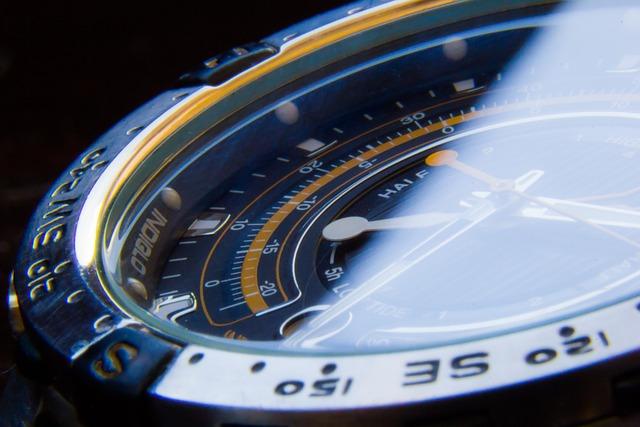
Are Kenetic Watches Mechanical? Breaking Down the Mechanics
Have you ever wondered about the inner workings of kinetic watches? In this article, we will delve into the mechanics behind these intriguing timepieces to discover if they truly qualify as mechanical watches. Join us as we explore the intricate mechanics that power kinetic watches and unravel the mystery behind their fascinating technology.
Contents
- Are Kinetic Watches Truly Mechanical?
- Understanding the Inner Workings of Kinetic Watches
- Exploring the Mechanics Behind Kinetic Watches
- Key Components of Kinetic Watches Explained
- Differences Between Kinetic and Traditional Mechanical Watches
- Advantages of Kinetic Watches Over Traditional Mechanical Watches
- Common Misconceptions About Kinetic Watches Debunked
- Tips for Caring for Your Kinetic Watch
- Choosing the Right Kinetic Watch for Your Style and Needs
- The Way Forward
Are Kinetic Watches Truly Mechanical?
When it comes to the world of watches, there is often a debate about whether kinetic watches can truly be considered mechanical timepieces. Kinetic watches, also known as automatic quartz watches, combine the best of both mechanical and quartz movements. Let’s break down the mechanics to understand why they are indeed mechanical watches:
- Mechanical Components: Kinetic watches contain mechanical components such as gears, springs, and escapements, similar to traditional mechanical watches.
- Motion-Powered: The key difference lies in how kinetic watches are powered – through the motion of the wearer’s arm. This motion winds the mainspring, storing energy to power the watch.
- Quartz Precision: While kinetic watches use quartz crystals for timekeeping accuracy, they rely on mechanical components for power generation, setting them apart from purely quartz watches.
| Traditional Mechanical Watches | Kinetic Watches |
|---|---|
| Gear and spring-driven | Motion-powered |
| Manual winding or automatic | Self-winding through motion |
| No Quartz components | Quartz timekeeping for accuracy |
So, while kinetic watches may have a modern twist with their hybrid movement, they do indeed qualify as mechanical watches due to the presence of traditional mechanical components. The fusion of mechanical ingenuity with quartz precision makes kinetic watches a unique and compelling choice for watch enthusiasts.
Understanding the Inner Workings of Kinetic Watches
When it comes to kinetic watches, many people often wonder if they are mechanical in nature. The truth is, kinetic watches are actually a combination of mechanical and quartz movements. Let’s break down the mechanics of kinetic watches to better understand how they work:
- Kinetic watches harness the energy generated by the wearer’s movements to power the watch.
- Inside a kinetic watch, there is a rotor that spins with the movement of the wearer’s wrist, similar to the rotor in an automatic watch.
- The spinning rotor charges a capacitor, which stores the energy and powers the watch’s quartz movement.
- This unique combination of mechanical and quartz movements allows kinetic watches to be accurate, reliable, and relatively maintenance-free.
So, while kinetic watches may not be purely mechanical, they still have intricate inner workings that make them a fascinating timepiece to own and wear.

Exploring the Mechanics Behind Kinetic Watches
Kinetic watches are often mistaken for mechanical watches due to their similar appearance and function. However, there is a key difference between the two types of timepieces. While mechanical watches rely on a spring and gears to keep time, kinetic watches harness the power of movement to generate electricity, which is then used to power the watch.
The mechanics behind kinetic watches involve a rotor that spins with the movement of the wearer’s wrist. This rotor is connected to a tiny generator that converts the kinetic energy into electrical energy, which is stored in a rechargeable battery. The stored energy is then used to power the quartz movement that keeps the time accurate.
One advantage of kinetic watches over mechanical watches is their accuracy. Since they are powered by a quartz movement, kinetic watches are able to keep time more precisely than their mechanical counterparts. Additionally, the fact that kinetic watches do not require manual winding like mechanical watches make them a convenient option for those who prefer low-maintenance timepieces.
In conclusion, while kinetic watches may not be considered purely mechanical, they do incorporate mechanical components in a unique way to create a reliable and accurate timepiece. The fusion of traditional watchmaking techniques with modern technology makes kinetic watches a fascinating choice for watch enthusiasts looking for a blend of innovation and craftsmanship.
Key Components of Kinetic Watches Explained
When it comes to kinetic watches, there is often some confusion about whether or not they are considered mechanical timepieces. To clarify, kinetic watches are actually a type of quartz watch that is powered by the movement of the wearer. This movement generates energy that is then stored in a rechargeable battery, allowing the watch to function without the need for a traditional battery change.
One of the key components of a kinetic watch is the rotor, which is responsible for converting the movement of the wearer into energy. This rotor is connected to a small generator that produces electricity as it spins, which is then used to power the watch. Additionally, kinetic watches also feature a capacitor, which stores the energy generated by the rotor and ensures that the watch continues to run smoothly even when not being worn.
Unlike mechanical watches, which rely on intricate gear systems and springs to function, kinetic watches are more efficient and reliable, making them a popular choice among watch enthusiasts. Additionally, kinetic watches are known for their accuracy, as they are able to keep time with precision thanks to their quartz movement.
In summary, while kinetic watches may not be considered mechanical in the traditional sense, they are still a fascinating and innovative type of timepiece that combines the best of both worlds – modern technology and classic design.

Differences Between Kinetic and Traditional Mechanical Watches
When comparing kinetic and traditional mechanical watches, there are several key differences to consider. Understanding these variances can help you determine which type of watch is best suited to your needs and preferences.
One major distinction between kinetic and traditional mechanical watches is the way they are powered:
- Kinetic Watches: Kinetic watches are powered by the movement of the wearer’s wrist. This movement activates a small rotor that charges the watch’s battery, eliminating the need for manual winding.
- Traditional Mechanical Watches: Traditional mechanical watches, on the other hand, are powered by a complex system of gears and springs that must be manually wound to keep the watch running.
Another key difference is the accuracy of the timekeeping:
- Kinetic Watches: Kinetic watches tend to be more accurate than traditional mechanical watches, as they are powered by a quartz movement that relies on electronic components for timekeeping.
- Traditional Mechanical Watches: Traditional mechanical watches are powered by purely mechanical components, which can lead to slight variations in timekeeping accuracy.
| Feature | Kinetic Watches | Traditional Mechanical Watches |
|---|---|---|
| Power Source | Wearer’s wrist movement | Manual winding |
| Accuracy | Quartz movement | Mechanical components |

Advantages of Kinetic Watches Over Traditional Mechanical Watches
When it comes to comparing kinetic watches with traditional mechanical watches, there are several key advantages that make kinetic watches stand out:
- No manual winding: One of the biggest advantages of kinetic watches is that they do not require manual winding like traditional mechanical watches. This means you can wear your kinetic watch without worrying about constantly winding it to keep it running.
- Maintenance-free: Kinetic watches are low maintenance compared to mechanical watches. They are powered by the natural motion of the wearer’s wrist, so there is no need for regular servicing or adjustments by a watchmaker.
- Accurate timekeeping: Kinetic watches are known for their precision and accuracy in timekeeping. They use quartz crystals to regulate the movement, ensuring that the watch keeps accurate time without losing or gaining seconds.
- Eco-friendly: Kinetic watches are environmentally friendly as they do not require batteries to operate. The movement of the wearer’s wrist generates the power needed to keep the watch running, making it a sustainable choice for eco-conscious individuals.
Common Misconceptions About Kinetic Watches Debunked
There are several common misconceptions surrounding kinetic watches that we are here to debunk. Many people believe that kinetic watches are mechanical, but this is not entirely accurate. While kinetic watches do have moving parts like mechanical watches, they actually rely on a different mechanism to power them.
Here are some key points to keep in mind:
- Kinetic watches use the movement of the wearer to generate electricity, which is then stored in a rechargeable battery.
- This means that kinetic watches do not need to be wound like mechanical watches, making them a convenient option for those who don’t want to worry about manual winding.
- Despite not being purely mechanical, kinetic watches still have intricate mechanisms like rotors and gears that allow them to function effectively.
| Myth | Fact |
|---|---|
| Kinetic watches are purely mechanical. | Kinetic watches use movement to generate electricity. |
| Kinetic watches need to be wound like mechanical watches. | Kinetic watches have rechargeable batteries. |
Tips for Caring for Your Kinetic Watch
Kenetic watches are a unique hybrid between traditional mechanical watches and modern quartz watches.
These watches harness the kinetic energy from the wearer’s movements to power the timekeeping mechanism.
Here are some tips to help you properly care for your kinetic watch:
- Regular Wear: Wear your kinetic watch daily to keep it powered and running smoothly.
- Avoid Magnetism: Keep your watch away from magnets as they can disrupt the movement.
- Service Periodically: Get your kinetic watch serviced every 2-3 years to ensure optimal performance.
- Store Properly: Store your watch in a watch box or case when not in use to protect it from dust and damage.
Choosing the Right Kinetic Watch for Your Style and Needs
One key factor to consider when choosing a kinetic watch is whether or not it is mechanical. While many people assume that all kinetic watches are mechanical, this is not always the case. Kinetic watches are powered by the movement of the wearer’s arm, which is converted into energy that is used to power the watch. Some kinetic watches do this using mechanical movements, while others use quartz movements.
For those who appreciate the craftsmanship and intricate workings of mechanical watches, it is important to look for a kinetic watch that features a mechanical movement. These watches often have a visible rotor on the back of the case, which moves as the wearer moves their arm. This rotor winds the mainspring, which then powers the movement of the watch. Mechanical kinetic watches are a great choice for those who appreciate traditional watchmaking techniques and the artistry of mechanical movements.
On the other hand, if precision timekeeping is more important to you, a kinetic watch with a quartz movement may be the better option. Quartz movements are known for their accuracy and reliability, making them a popular choice for those who prioritize keeping perfect time. Additionally, quartz kinetic watches often have a longer battery life compared to mechanical kinetic watches, as they rely on a battery to power the movement. Ultimately, the choice between a mechanical or quartz kinetic watch will depend on your personal preferences and priorities.
The Way Forward
In conclusion, kinetic watches are indeed a type of mechanical watch, utilizing the motion of the wearer to power the movement. By breaking down the mechanics of kinetic watches, we have gained a better understanding of how they function and their unique capabilities. The key takeaway is that kinetic watches offer a fascinating blend of mechanical ingenuity and modern technology, providing a reliable and eco-friendly option for timekeeping. So, the next time you look at your kinetic watch ticking away, remember the intricate mechanics at work behind the scenes.
Get our latest guides, news, and insights highlighted in your Google Search & AI Overviews.