Are Mechanical Watches Dead? The Resurgence of Traditional Craftsmanship
In an age where technology reigns supreme, the art of traditional craftsmanship is experiencing a resurgence like never before. The debate rages on – are mechanical watches dead in a digital world? Join us as we explore the enduring allure and timeless appeal of these handcrafted timepieces, and discover why the art of traditional watchmaking is making a comeback in today’s fast-paced society.
Contents
- – The Timeless Appeal of Mechanical Watches: A Symbol of Craftsmanship and Heritage
- – The Modern Renaissance: How Traditional Craftsmanship is Making a Comeback
- – The Art of Watchmaking: Honoring Tradition in a Digital World
- – The Unique Charm of Mechanical Watches: From Movements to Design
- – Savoring Each Moment: The Beauty of Handcrafted Timepieces
- – A Return to Tradition: Why Mechanical Watches Are Still Relevant
- – The Value of Time: Investing in Quality Craftsmanship
- – Preserving the Legacy: The Importance of Supporting Artisanal Watchmakers
- To Conclude
– The Timeless Appeal of Mechanical Watches: A Symbol of Craftsmanship and Heritage
In a world dominated by technology and digital advancements, the appeal of mechanical watches may seem outdated to some. However, these timepieces have stood the test of time, representing a symbol of craftsmanship and heritage that continues to captivate watch enthusiasts around the globe.
While the convenience of smartwatches and quartz movements may have overshadowed mechanical watches in recent years, there has been a noticeable resurgence in the appreciation for traditional craftsmanship. The meticulous artistry and attention to detail required to create a mechanical watch remain unmatched, making them a timeless symbol of luxury and sophistication.
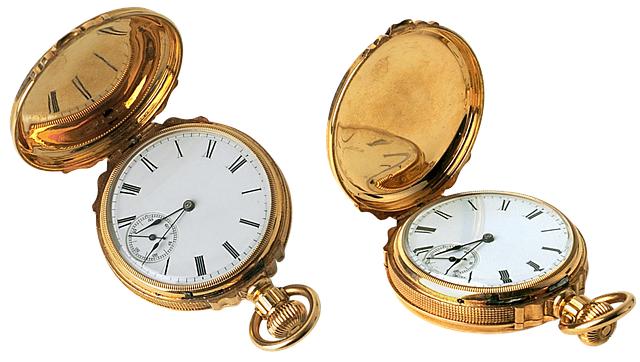
One of the key factors contributing to the enduring appeal of mechanical watches is their ability to tell a story. Each watch is a unique piece that reflects the expertise of the watchmaker and the history of the brand. From hand-engraved movements to intricate complications, mechanical watches are more than just time-telling devices – they are a true work of art.
As we embrace the digital age, the resurgence of traditional craftsmanship serves as a reminder of the value of heritage and authenticity. While the future of mechanical watches may be uncertain, their timeless appeal will continue to shine as a beacon of quality and craftsmanship in a world filled with mass-produced gadgets.

– The Modern Renaissance: How Traditional Craftsmanship is Making a Comeback
In recent years, there has been a growing interest in traditional craftsmanship, with many consumers seeking out handcrafted items that showcase expertise and dedication to quality. This trend is particularly evident in the watch industry, where mechanical watches are experiencing a resurgence in popularity.
While some may argue that mechanical watches are a thing of the past, overshadowed by their digital counterparts, a closer look reveals a different story. Traditional craftsmanship is making a comeback, with more and more people appreciating the artistry and skill that goes into creating a mechanical watch.
Here are some reasons why mechanical watches are far from dead:
- Timeless Appeal: Mechanical watches have a classic appeal that transcends trends, making them a timeless accessory.
- Craftsmanship: The intricate craftsmanship that goes into making a mechanical watch sets it apart from mass-produced digital watches.
- Heritage: Mechanical watches have a rich history and heritage that adds to their appeal for consumers who value tradition and authenticity.

– The Art of Watchmaking: Honoring Tradition in a Digital World
In a world dominated by technology and digital innovation, the traditional craft of watchmaking has faced challenges in staying relevant. Many have questioned the longevity of mechanical watches in an era where smartwatches and wearable technology reign supreme. However, the art of watchmaking has not faded into obscurity; instead, it has experienced a resurgence as a form of traditional craftsmanship that honors centuries-old techniques and values.
One of the key reasons behind the enduring appeal of mechanical watches is the unparalleled level of precision and skill involved in their creation. Each component of a mechanical watch is meticulously crafted by hand, requiring expert knowledge and a keen eye for detail. This dedication to craftsmanship results in timepieces that are not only functional but also works of art in their own right.
Despite the convenience and practicality of digital devices, there is a growing appreciation for the artistry and heritage embodied in mechanical watches. From intricate complications to beautifully hand-finished movements, mechanical watches offer a level of craftsmanship and artistry that is unparalleled in the world of horology. As technology continues to advance, the resurgence of traditional watchmaking serves as a reminder of the timeless beauty and sophistication that can only be achieved through centuries-old techniques and traditions.
– The Unique Charm of Mechanical Watches: From Movements to Design
Despite the rise of smartwatches and digital technology, mechanical watches continue to hold a special place in the hearts of watch enthusiasts around the world. The intricate craftsmanship and timeless elegance of mechanical timepieces have a unique charm that is unmatched by their electronic counterparts.
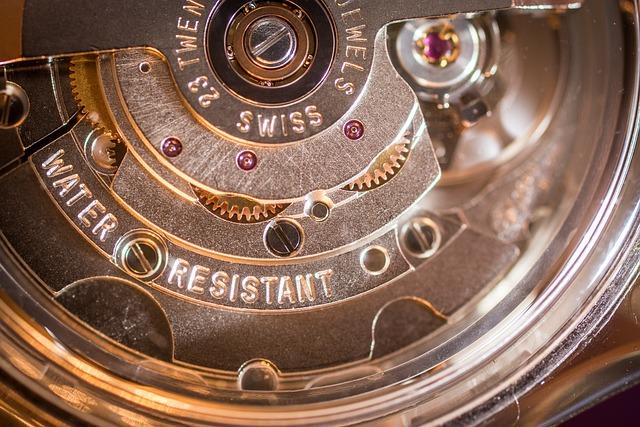
One of the key features that sets mechanical watches apart is their intricate movements. Unlike quartz watches, which rely on a battery to power a vibrating quartz crystal, mechanical watches use a complex system of gears, springs, and levers to keep time. This traditional craftsmanship is a testament to the skill and dedication of the watchmakers who create these masterpieces.
In addition to their impressive movements, mechanical watches also boast a wide range of designs that cater to every style and taste. Whether you prefer a classic dress watch with a simple, minimalist dial or a bold, sporty timepiece with intricate complications, there is a mechanical watch out there for everyone.
So, are mechanical watches dead? Far from it. In fact, the resurgence of traditional craftsmanship in recent years has only served to highlight the enduring appeal of mechanical watches. As technology continues to advance, there will always be a place for these timeless pieces that combine artistry and precision in a way that is truly unique.

– Savoring Each Moment: The Beauty of Handcrafted Timepieces
In a world dominated by digital technology and smart devices, one might wonder if mechanical watches are a dying breed. However, the resurgence of traditional craftsmanship tells a different story. Handcrafted timepieces have not only stood the test of time but have also experienced a newfound appreciation in recent years.
Mechanical watches are far from dead; in fact, they embody the artistry and precision of traditional watchmaking. Each timepiece is meticulously assembled by skilled artisans, with intricate movements that are a marvel to behold. The beauty of a handcrafted watch lies in its attention to detail and the culmination of centuries-old craftsmanship techniques.
Embracing the resurgence of traditional craftsmanship means savoring each moment with a handcrafted timepiece on your wrist. These watches not only tell time but also tell a story of dedication, passion, and a commitment to preserving the art of watchmaking. So next time you glance at your wrist, take a moment to appreciate the beauty and artistry of a mechanical watch that transcends mere timekeeping.
– A Return to Tradition: Why Mechanical Watches Are Still Relevant
In a world dominated by technology and fast-paced living, one may wonder if mechanical watches still hold relevance in today’s society. The answer is a resounding yes. Mechanical watches represent a return to tradition and craftsmanship that is unmatched by their digital counterparts. Here’s why mechanical watches are still very much alive and cherished by enthusiasts around the world:
- Timelessness: Mechanical watches are timeless pieces of art that have been passed down through generations. They hold sentimental value and are often considered family heirlooms.
- Craftsmanship: The precision and attention to detail that go into crafting a mechanical watch are unparalleled. Each watch is a labor of love, with skilled artisans meticulously assembling each component by hand.
- Quality: Mechanical watches are known for their durability and longevity. With proper maintenance and care, a mechanical watch can last a lifetime and beyond.
So, while the world may be moving towards smartwatches and digital timepieces, there will always be a place for mechanical watches. They are a symbol of tradition, craftsmanship, and timeless elegance that will continue to hold a special place in the hearts of watch enthusiasts for years to come.

– The Value of Time: Investing in Quality Craftsmanship
In today’s fast-paced world dominated by technology, the art of traditional craftsmanship seems to be fading into obscurity. However, there is a growing movement towards investing in quality craftsmanship, particularly in the watch industry. Mechanical watches, once considered outdated by many due to the rise of smartwatches, are experiencing a resurgence as people rediscover the value of time-honored techniques and attention to detail.
Unlike their digital counterparts, mechanical watches are intricate pieces of engineering that require expert craftsmanship to produce. Each component is meticulously hand-assembled by skilled artisans, resulting in a timepiece that not only tells the time but also tells a story of dedication and precision. The investment in a mechanical watch is not just about owning a functional accessory; it is about owning a piece of history that embodies the essence of traditional craftsmanship.
When you choose to invest in a mechanical watch, you are investing in more than just a timekeeping device. You are investing in quality, longevity, and the artistry of generations past. By supporting traditional craftsmanship, you are helping to preserve a valuable art form that deserves to be celebrated and passed down to future generations.

– Preserving the Legacy: The Importance of Supporting Artisanal Watchmakers
Supporting artisanal watchmakers is crucial in preserving the legacy of traditional craftsmanship in the age of mass production. While some may argue that mechanical watches are a dying art, there has been a resurgence in recent years as consumers rediscover the beauty and artistry of handcrafted timepieces.
Artisanal watchmakers pour their heart and soul into every watch they create, paying attention to the smallest details and using time-honored techniques that have been passed down through generations. By supporting these skilled craftsmen, we are not only investing in a high-quality, one-of-a-kind timepiece but also ensuring that their craft continues to thrive for years to come.
When you purchase a mechanical watch from an artisanal watchmaker, you are not just buying a timepiece; you are investing in a piece of history and culture. These watches are a testament to the dedication, skill, and artistry of their creators, each one telling a unique story that you can carry with you every day.
To Conclude
In conclusion, while the rise of technology has brought a shift towards digital watches, the craftsmanship and elegance of mechanical timepieces continue to thrive. The resurgence of traditional watchmaking signifies a reverence for heritage, precision, and artistry that cannot be matched by its digital counterparts. As we appreciate the intricate craftsmanship and timeless beauty of mechanical watches, it is clear that they are far from being dead. Instead, they are experiencing a renaissance, valued by those who appreciate the art of traditional horology. So next time you glance at your wrist, consider the history and skill behind each tick and tock of a mechanical watch.
Get our latest guides, news, and insights highlighted in your Google Search & AI Overviews.