Are Mechanical Watches Dying? The Truth Behind the Trend
In today’s fast-paced world of technology and innovation, the timeless appeal of mechanical watches seems to be fading into obscurity. But are these intricate timepieces truly on their way out, or is there still a place for them in our modern society? Let’s delve into the truth behind this trend and uncover the hidden gems of mechanical watchmaking.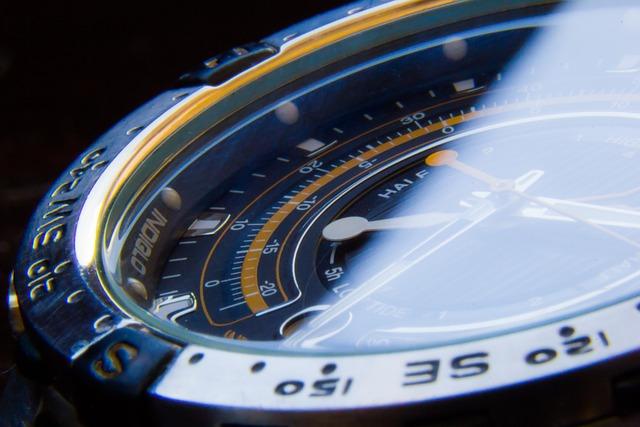
Contents
- Are Mechanical Watches Losing Popularity in the Digital Age?
- Understanding the Factors Contributing to the Decline in Mechanical Watch Sales
- Analyzing the Appeal of Mechanical Watches Despite Technological Advancements
- Debunking Myths Surrounding the Obsolescence of Mechanical Watches
- Strategies to Preserve and Appreciate the Craftsmanship of Mechanical Watches
- Tips for Choosing a Quality Mechanical Watch in a Saturated Market
- Embracing the Timelessness and Heritage of Mechanical Watches
- Exploring the Role of Mechanical Watches in the Modern Fashion Industry
- Revisiting the Value and Longevity of Mechanical Watches in a Disposable Culture
- Closing Remarks
Are Mechanical Watches Losing Popularity in the Digital Age?
Many watch enthusiasts are divided on the question of whether mechanical watches are losing their appeal in a world dominated by digital technology. While smartwatches and digital timepieces have certainly gained popularity in recent years, the truth is that mechanical watches have a timeless charm that is hard to replicate.
Here are some factors to consider when evaluating the future of mechanical watches:
- Craftsmanship: Mechanical watches are often handcrafted with intricate details and precision, making them a symbol of fine craftsmanship and luxury.
- Aesthetics: The beauty of a mechanical watch lies in its intricate movements and visible gears, creating a mesmerizing display of artistry and engineering.
- Heritage: Mechanical watches have a rich history and timeless appeal that transcend trends, making them a cherished heirloom for generations to come.
In conclusion, while digital watches may offer convenience and modern features, mechanical watches continue to hold a special place in the hearts of watch connoisseurs around the world. Their timeless appeal, craftsmanship, and heritage make them a classic accessory that will never go out of style.

Understanding the Factors Contributing to the Decline in Mechanical Watch Sales
One of the main factors contributing to the decline in mechanical watch sales is the rise of smartwatches. As technology continues to advance, more and more consumers are opting for smartwatches that offer a wide range of features beyond just telling time. These features include fitness tracking, notifications, and even the ability to make payments. With such convenience and functionality, it’s no surprise that mechanical watches are facing stiff competition.
Another key factor is the changing preferences of younger generations. Millennials and Gen Z consumers are more interested in experiences rather than material possessions. They are looking for products that align with their values and lifestyle, which may not always include traditional mechanical watches. This shift in consumer behavior is causing a shift in the market, with more demand for other types of accessories.
Additionally, the rise of fast fashion and the prevalence of affordable fashion watches are also impacting mechanical watch sales. Consumers can now purchase stylish watches at a fraction of the cost of a mechanical watch, making it more accessible to a wider audience. The affordability and trend-driven nature of fashion watches are attracting consumers who may not have considered purchasing a mechanical watch in the past.
Overall, while mechanical watches still hold a special place in the hearts of many watch enthusiasts, they are facing challenges in today’s market. Understanding the factors contributing to the decline in sales can help watch manufacturers and retailers adapt to meet the changing needs of consumers and stay relevant in a rapidly evolving industry.

Analyzing the Appeal of Mechanical Watches Despite Technological Advancements
Despite the rapid technological advancements in the world of timekeeping, the appeal of mechanical watches continues to endure. There is a certain charm and sophistication associated with these intricate timepieces that simply cannot be replicated by their digital counterparts. Let’s delve into the reasons behind the enduring popularity of mechanical watches.
One of the key factors contributing to the allure of mechanical watches is the craftsmanship involved in their production. Each mechanical watch is a work of art, meticulously assembled by skilled artisans who pay attention to the smallest of details. The intricate movements and complex mechanisms that power mechanical watches are a testament to the ingenuity and expertise of the watchmakers.
Another reason why mechanical watches continue to captivate enthusiasts is their timeless appeal. Unlike digital watches that can quickly become outdated, mechanical watches have a classic and elegant aesthetic that transcends trends. They are not merely timekeeping devices, but cherished heirlooms that can be passed down from generation to generation.
Furthermore, the ritual of winding a mechanical watch or appreciating the mesmerizing movement of its gears can be a meditative and soothing experience in our fast-paced, technology-driven world. The connection to the intricate inner workings of a mechanical watch can be a source of fascination and wonder for watch enthusiasts.
Debunking Myths Surrounding the Obsolescence of Mechanical Watches
In recent years, there has been a growing misconception that mechanical watches are becoming obsolete in the age of smartwatches and digital technology. However, the truth behind this trend may surprise you. Let’s debunk some of the myths surrounding the obsolescence of mechanical watches.
- Myth 1: Mechanical watches are outdated and impractical.
- Fact: While digital technology has brought convenience and advanced features, mechanical watches have a timeless appeal and craftsmanship that cannot be replicated.
Another common myth is that mechanical watches are less accurate and reliable compared to their digital counterparts. However, the reality is quite different.
- Myth 2: Mechanical watches are less accurate than digital watches.
- Fact: Mechanical watches can be just as accurate as digital watches, with some high-end models boasting precision timekeeping.

Strategies to Preserve and Appreciate the Craftsmanship of Mechanical Watches
One way to preserve and appreciate the craftsmanship of mechanical watches is to educate oneself on the history and intricate details of the timepiece. Understanding the intricate workings of a mechanical watch can deepen your appreciation for the craftsmanship and precision that goes into creating these intricate pieces. Take the time to research and learn about different watchmakers, styles, and movements to gain a deeper understanding of the artistry behind mechanical watches.
Another strategy to preserve and appreciate the craftsmanship of mechanical watches is to invest in regular maintenance and servicing. Mechanical watches are intricate pieces of machinery that require regular care and maintenance to ensure they function properly. By staying on top of servicing schedules and caring for your watch properly, you can help prolong its lifespan and preserve its craftsmanship for years to come.
Additionally, supporting independent watchmakers and small boutique brands can help preserve the craftsmanship of mechanical watches. By purchasing from smaller, niche brands, you are supporting the artistry and craftsmanship of watchmaking in a meaningful way. These smaller brands often focus on quality and attention to detail, creating unique timepieces that showcase the skill and dedication of the watchmaker.
Finally, one of the best ways to appreciate the craftsmanship of mechanical watches is to wear and enjoy them regularly. Mechanical watches are meant to be worn and enjoyed, not just stored away as a collector’s item. By wearing your watch regularly, you can truly appreciate the intricacies of its design and craftsmanship, and develop a personal connection to the piece.

Tips for Choosing a Quality Mechanical Watch in a Saturated Market
When it comes to choosing a quality mechanical watch in today’s saturated market, it’s important to know what to look for. With so many options available, it can be overwhelming to sift through the countless brands and styles. However, there are a few key tips to keep in mind that will help you make an informed decision and ensure you’re getting a timepiece that will stand the test of time.One tip to consider is the movement of the watch. **Look for mechanical watches with Swiss or Japanese movements**, as these are known for their reliability and precision. A high-quality movement will not only keep accurate time but will also require less maintenance over the years. Additionally, **check for the watch’s water resistance rating** to ensure it can withstand everyday wear and tear.
Another important factor to consider is the materials used in the construction of the watch. **Opt for watches made with stainless steel or titanium cases**, as these materials are durable and resistant to corrosion. Additionally, **sapphire crystal is the preferred choice for the watch face** as it is scratch-resistant and will maintain its clarity for years to come.
To further narrow down your choices, **research the reputation of the brand**. Look for brands with a long history of watchmaking and a commitment to quality craftsmanship. **Consider the warranty and after-sales service** offered by the brand, as this can provide peace of mind knowing your investment is protected.
In conclusion, the market for mechanical watches may be saturated, but by following these tips, you can navigate through the noise and find a quality timepiece that will continue to be a timeless accessory for years to come.
Embracing the Timelessness and Heritage of Mechanical Watches
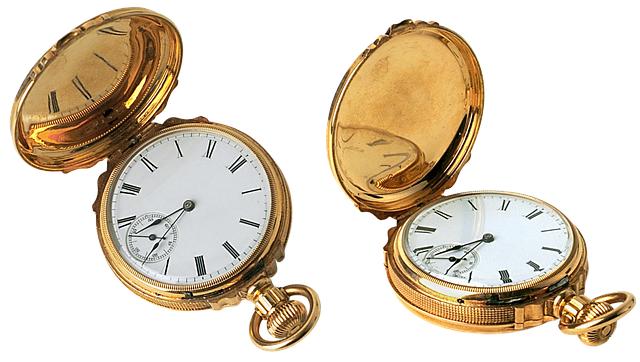
Despite the rise of smartwatches and digital timepieces, mechanical watches continue to captivate enthusiasts with their intricate craftsmanship and timeless appeal. The art of traditional watchmaking, dating back centuries, represents a heritage that transcends trends and fads. These timepieces are not just accessories; they are a symbol of tradition, quality, and luxury.
While some may argue that mechanical watches are becoming obsolete in today’s tech-driven world, the truth is that they have a loyal following who appreciate the artistry and precision that goes into their creation. The allure of a mechanical watch lies in its intricate movement, which is a marvel of engineering and skill. Each component is meticulously crafted and assembled by skilled artisans, resulting in a timepiece that is not only functional but also a work of art.
One of the reasons why mechanical watches continue to thrive is the emotional connection they create with their owners. Unlike mass-produced quartz watches, mechanical timepieces have a soul and character of their own. They require regular winding or wearing to keep them running, fostering a bond between the watch and its wearer. This unique relationship adds to the charm and allure of mechanical watches, making them timeless heirlooms to be cherished for generations to come.

Exploring the Role of Mechanical Watches in the Modern Fashion Industry
One important aspect to consider when discussing the role of mechanical watches in the modern fashion industry is the recent trend of smartwatches gaining popularity. While smartwatches offer a range of technological features and conveniences, there is still a strong appreciation and demand for the craftsmanship and heritage of mechanical watches.
Despite the rise of smartwatches, mechanical watches continue to hold a special place in the hearts of watch enthusiasts and collectors. The intricate mechanisms and detailed designs of mechanical watches showcase the artistry and skill of traditional watchmaking, appealing to those who value tradition and craftsmanship.
Another factor to consider is the timeless appeal of mechanical watches. These watches are often seen as statement pieces that exude elegance and sophistication, making them a staple accessory in the fashion world. Whether worn for formal occasions or as part of a casual outfit, mechanical watches add a touch of luxury and style.
In conclusion, while the rise of smartwatches may have impacted the watch industry, mechanical watches are far from dying out. Their timeless appeal, craftsmanship, and status as luxury accessories continue to make them a sought-after fashion statement in the modern world.
Revisiting the Value and Longevity of Mechanical Watches in a Disposable Culture
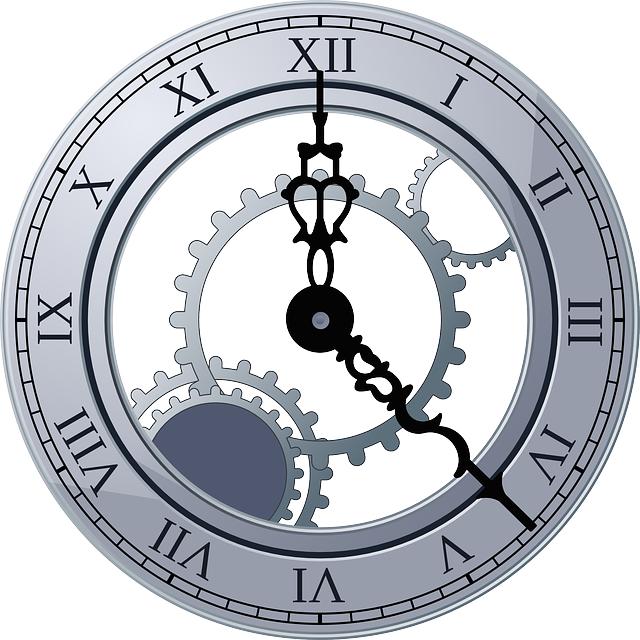
Despite the rise of smartphones and smartwatches, mechanical watches continue to hold their own in the world of horology. These timepieces, powered by intricate gears and springs, have a timeless appeal that transcends fleeting trends. Their craftsmanship and attention to detail make them a unique form of art that enthusiasts deeply appreciate.
While the rise of technology may have shifted the way we perceive timekeeping, mechanical watches offer a sense of tradition and history that cannot be replicated by digital devices. They serve as a reminder of a bygone era when craftsmanship and durability were valued above all else. In today’s disposable culture, where fast fashion and planned obsolescence reign supreme, mechanical watches stand out as a symbol of longevity and sustainability.
Despite the challenges posed by modern technology, mechanical watches continue to attract a devoted following of collectors and enthusiasts. The appeal of owning a piece of history that can be passed down from generation to generation is undeniable. In a world that is constantly evolving, the enduring value of mechanical watches serves as a testament to the enduring power of tradition and craftsmanship.
Closing Remarks
As we conclude our discussion on the topic of whether mechanical watches are dying, it is important to note that while there are some challenges facing this traditional timepiece, there is still a strong and dedicated market for them. The truth behind the trend is that mechanical watches continue to hold a special place in the hearts of many enthusiasts, collectors, and connoisseurs who appreciate the craftsmanship, artistry, and heritage that they represent. Despite the rise of smartwatches and quartz movements, mechanical watches are far from being obsolete. In fact, they continue to thrive and evolve, proving that they are more than just a trend, but a timeless and enduring symbol of elegance and sophistication. Thank you for joining us on this exploration, and remember that the beauty of a mechanical watch lies not just in telling time, but in telling a story.Get our latest guides, news, and insights highlighted in your Google Search & AI Overviews.