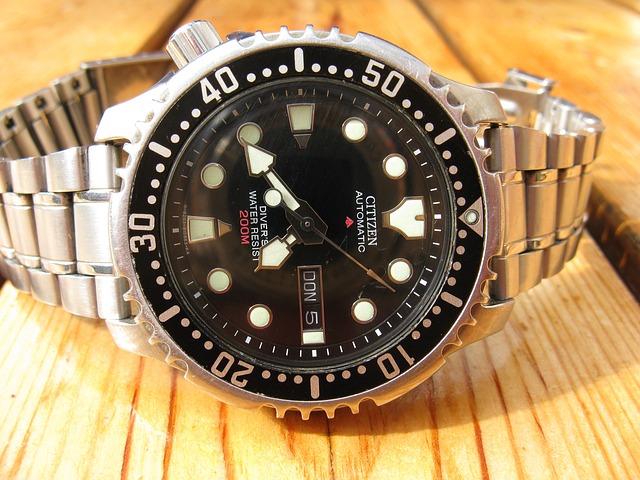
How Does a Watch Mechanical Work? Understanding Timekeeping
Have you ever wondered how a watch mechanical works to keep perfect time? In this article, we will delve into the intricate mechanisms behind timekeeping, giving you a deeper understanding of the fascinating world of horology. Join us as we explore the inner workings of mechanical watches and unravel the mysteries of accurate timekeeping.
Contents
- How A Mechanical Watch Works
- Components of a Mechanical Watch Movement
- Understanding Escapements in Timekeeping Mechanisms
- Importance of Balance Wheels in Maintaining Accuracy
- The Role of Main Springs in Powering the Movement
- Insights into Gear Trains and Their Functionality
- Impact of Jewels in Reducing Friction and Wear
- Tips for Maintaining a Mechanical Watch for Longevity
- Exploring the Artistry and Craftsmanship of Mechanical Watches
- In Retrospect
How A Mechanical Watch Works
One of the most fascinating aspects of mechanical watches is the intricate way in which they keep time. Beneath the elegant exterior of a timepiece lies a complex system of gears, springs, and escapements working together in perfect harmony.
Key Components of a Mechanical Watch:
- Mainspring: The mainspring is wound up, storing potential energy that is released slowly to power the watch.
- Gear Train: The gear train consists of a series of gears that transmit the energy from the mainspring to the escapement.
- Escapement: The escapement regulates the release of energy from the mainspring, allowing the gear train to move at a controlled rate.
- Balance Wheel: The balance wheel swings back and forth, oscillating at a precise rate determined by the length of the hairspring.
Understanding How a Mechanical Watch Keeps Time:
- As the mainspring unwinds, it releases energy that drives the gear train.
- The gear train transmits this energy to the escapement, which regulates the movement of the watch hands.
- The balance wheel oscillates back and forth, controlling the rate at which the gear train moves and thus keeping time accurately.

Components of a Mechanical Watch Movement
The work together to keep accurate time and power the timepiece. These intricate parts interact seamlessly to create the beautiful ticking sound we associate with traditional watches. Let’s delve into the inner workings of a mechanical watch movement to understand how it functions.

Main :
- Main Spring: Provides the power needed to drive the movement.
- Balance Wheel: Oscillates back and forth to regulate the timekeeping.
- Escape Wheel: Controls the release of power from the mainspring.
- Gear Train: Transfers power from the mainspring to the hands of the watch.
Sub-:
- Jewels: Reduce friction between moving parts for smoother operation.
- Escapement Mechanism: Governs the release of energy to regulate the timekeeping.
- Rotor: Only found in automatic watches, uses wrist movement to wind the mainspring.
Understanding the can give you a deeper appreciation for the craftsmanship and engineering behind these timeless pieces. The intricate design and meticulous assembly required to create a functioning watch movement are truly a marvel of human ingenuity.
Understanding Escapements in Timekeeping Mechanisms
An escapement is a crucial component in mechanical watches that regulates the movement of the gear train, ensuring accurate timekeeping. This mechanism consists of a pallet fork and an escape wheel, which work together to control the release of energy from the mainspring to the gear train.
- The pallet fork is a small lever with two pallet jewels that interact with the escape wheel teeth.
- As the balance wheel oscillates back and forth, it pushes the pallet fork, causing the pallet jewels to lock and unlock the escape wheel teeth.
- This action allows the gear train to advance in small, precise increments, resulting in the movement of the watch hands.
- Understanding how escapements work is essential for appreciating the intricate craftsmanship and engineering behind mechanical timepieces.
In the world of horology, escapements play a critical role in ensuring the accuracy and reliability of watches. By mastering the mechanics of escapements, watchmakers can create timepieces that stand the test of time and provide their owners with a timeless piece of craftsmanship.
Importance of Balance Wheels in Maintaining Accuracy
Balance wheels are a crucial component of mechanical watches, playing a key role in maintaining the accuracy of timekeeping. These small wheels oscillate back and forth at a consistent rate, creating the necessary rhythm for the movement of the watch hands.
One of the main functions of the balance wheel is to regulate the speed at which the gears of the watch movement turn. This regulation is essential for ensuring that the time displayed by the watch remains accurate over time. Without a properly functioning balance wheel, the watch would either run too fast or too slow.
The balance wheel works in conjunction with the hairspring, which provides the necessary tension to control the oscillation of the balance wheel. This delicate balance between the two components is what allows the watch to keep time accurately. Together, they form the escapement mechanism, which is responsible for the precise movement of the watch hands.
In summary, the cannot be overstated. Without these small, intricate components, mechanical watches would not be able to keep time reliably. By understanding how balance wheels work, we gain a deeper appreciation for the craftsmanship and precision that goes into the production of these timeless timepieces.

The Role of Main Springs in Powering the Movement
The main springs in a watch play a crucial role in powering the movement and keeping time accurately. These tightly coiled springs store potential energy when wound up, which is released gradually to drive the various components of the watch.
When the mainspring is wound up, energy is transferred to the gear train, which then regulates the movement of the hands on the watch dial. This process is what ultimately drives the timekeeping function of the watch.
It is essential for the mainspring to be in good condition and properly lubricated to ensure smooth and reliable operation of the watch movement. Regular maintenance and servicing are recommended to keep the mainspring functioning optimally.
Overall, the mainspring is a fundamental component of mechanical watches, and understanding its role in powering the movement can help us appreciate the intricate craftsmanship and engineering behind timekeeping devices.

Insights into Gear Trains and Their Functionality
Watch mechanicals are fascinating devices that rely on intricate gear trains to function. These gear trains are essentially a series of interlocking gears that work together to provide precise timekeeping capabilities. Understanding how these gear trains function can provide valuable insights into the inner workings of a watch.
One of the key components of a gear train is the mainspring, which serves as the primary source of power for the watch. The mainspring is wound up either manually or through the movement of the wearer’s wrist, storing energy that is then released gradually to power the watch movement. This energy is transferred through the gear train, which consists of a series of gears of varying sizes that work together to regulate the movement of the watch hands.
Each gear in the train serves a specific function, such as controlling the speed at which the hands move or dividing time into precise increments. By carefully calibrating the size and shape of each gear, watchmakers are able to ensure that the watch keeps accurate time. In addition to regulating the movement of the hands, gear trains also play a role in other functions of the watch, such as winding mechanisms and complications like chronographs and moon phases.
Overall, understanding the functionality of gear trains in watch mechanicals provides a deeper appreciation for the intricate craftsmanship that goes into creating these precision timepieces. The precise synchronization of gears working together in harmony is what makes a mechanical watch tick, quite literally.

Impact of Jewels in Reducing Friction and Wear
Jewels play a significant role in reducing friction and wear in mechanical watches. These small synthetic rubies are used as bearings in the movement of the watch to reduce friction between moving parts. By providing a smooth surface for the gears to rotate on, jewels help to minimize the wear and tear that can occur over time.
One of the key benefits of using jewels in watch movements is their durability. Jewels are incredibly hard and resistant to wear, making them ideal for use in high-precision mechanical devices like watches. This durability helps to ensure the longevity and accuracy of the timepiece, as the jewels maintain their shape and integrity even after prolonged use.
In addition to reducing friction and wear, jewels also help to improve the overall efficiency of the watch movement. By minimizing the energy lost to friction, jewels allow the gears to move more smoothly and effectively, resulting in more accurate timekeeping. This efficiency is crucial in ensuring that the watch maintains accurate timekeeping over extended periods.
Overall, the use of jewels in watch movements has a significant impact on the performance and longevity of mechanical watches. By reducing friction, minimizing wear, and improving efficiency, jewels help to ensure that the timepiece operates smoothly and accurately for years to come.
Tips for Maintaining a Mechanical Watch for Longevity
When it comes to maintaining a mechanical watch for longevity, there are several key tips to keep in mind. By following these guidelines, you can ensure that your timepiece stays in top condition for years to come.
- Regular Servicing: It is essential to have your mechanical watch serviced regularly by a professional watchmaker. This will help prevent any potential issues and keep your watch running smoothly.
- Keep it Clean: Make sure to clean your watch regularly with a soft cloth to remove any dirt or dust that may accumulate. Avoid using harsh chemicals or abrasive materials that could damage the watch’s finish.
- Store Properly: When not wearing your watch, store it in a cool, dry place away from direct sunlight and moisture. This will help prevent any damage or corrosion to the watch components.
| Tip | Description |
|---|---|
| Water Resistance | Ensure your watch is water-resistant to prevent damage from exposure to moisture. |
| Avoid Magnets | Avoid exposing your watch to strong magnets, as this can affect its timekeeping abilities. |

Exploring the Artistry and Craftsmanship of Mechanical Watches
Understanding how a mechanical watch works is like unraveling the intricacies of a miniature mechanical masterpiece. At the heart of a mechanical watch lies a system of gears, springs, and escapements that work together to keep time in a beautifully precise manner. Let’s dive into the fascinating world of timekeeping and explore the craftsmanship behind mechanical watches.
Key components of a mechanical watch:
- 1. **Main Spring**: Provides the energy needed to power the watch.
- 2. **Escapement**: Regulates the release of energy to the gear train.
- 3. **Gear Train**: Transfers the energy from the main spring to the hands of the watch.
- 4. **Balance Wheel**: Oscillates back and forth at a consistent rate to regulate timekeeping.
When you wind up a mechanical watch, you are storing potential energy in the main spring. As the main spring unwinds, it transfers energy through the gear train to the escapement, which controls the release of energy to the balance wheel. The balance wheel then oscillates back and forth, creating a ticking movement that drives the motion of the hands on the dial. This intricate dance of components is what keeps time ticking accurately on a mechanical watch.
In Retrospect
In conclusion, understanding the mechanical workings of a watch can help us appreciate the intricacies of timekeeping. The mainspring, escapement mechanism, balance wheel, and gear train all play crucial roles in keeping time accurately. By learning how these components work together, we can gain a deeper appreciation for the craftsmanship and engineering that goes into creating a mechanical watch. Next time you look at your watch, take a moment to marvel at the precision and complexity that allows you to keep track of time.
Get our latest guides, news, and insights highlighted in your Google Search & AI Overviews.