Are Mechanical Watches Making Noise? Explore Acoustic Signatures
Have you ever wondered why some mechanical watches make more noise than others? In this article, we will delve into the fascinating world of acoustic signatures in mechanical timepieces. Discover the factors that contribute to the sounds produced by these intricate devices and gain a deeper understanding of this unique aspect of watchmaking.
Contents
- Are Mechanical Watches Noisy?
- Understanding the Acoustic Signatures of Mechanical Watches
- Factors Contributing to the Noise of Mechanical Watches
- How to Minimize the Noise of Mechanical Watches
- Exploring the Different Sounds Produced by Mechanical Watches
- The Impact of Materials and Design on the Noise of Mechanical Watches
- Recommended Maintenance Practices for Quieter Mechanical Watches
- Comparing the Acoustic Signatures of Different Mechanical Watches
- Expert Tips for Assessing and Addressing Noise in Mechanical Watches
- To Wrap It Up
Are Mechanical Watches Noisy?
When it comes to mechanical watches, one common question that arises is whether they are noisy. The answer to this question can vary depending on the specific watch and its components. Some mechanical watches do produce a noticeable ticking sound, while others are virtually silent.
Related: Do Automatic Watches Make Noise? Noise Level Explained
Factors that can contribute to the noise level of a mechanical watch include:
- The type of movement: Watches with traditional mechanical movements tend to be louder than those with quartz movements.
- The quality of the materials: Higher-quality mechanical watches may have smoother movements that result in less noise.
- The age of the watch: Older mechanical watches may be noisier due to wear and tear on the components.
To explore the acoustic signatures of different mechanical watches, it can be helpful to listen closely to the tick-tock rhythm of the watch. Some collectors even find the sound of a mechanical watch to be soothing and nostalgic, adding to the overall charm of owning such a timepiece.

Understanding the Acoustic Signatures of Mechanical Watches
When it comes to mechanical watches, the intricate gears and springs inside are not only a marvel of engineering but also produce a unique acoustic signature. This signature is the sound that mechanical watches make as they operate, whether it’s the gentle ticking of a traditional watch or the mesmerizing whirring of a complex movement.
Understanding these acoustic signatures can provide valuable insight into the quality and craftsmanship of a mechanical watch. The tone, volume, and consistency of the sound can indicate the precision of the components and the care taken during assembly. For watch enthusiasts, listening to the distinct sound of a mechanical watch can be a sensory experience that adds another layer of appreciation for these timepieces.
Factors such as the type of movement, the materials used in the construction, and the design of the case can all contribute to the acoustic signature of a mechanical watch. By exploring and analyzing these sounds, watchmakers and collectors alike can gain a deeper understanding of the complexities and artistry behind mechanical timepieces.

Factors Contributing to the Noise of Mechanical Watches
When it comes to mechanical watches, noise can be a common occurrence due to various factors. These factors directly contribute to the signature sounds that mechanical watches produce. Understanding the reasons behind the noise can help watch enthusiasts appreciate the craftsmanship and engineering that goes into creating these timepieces.
Some of the key include:
- Movement Type: The type of movement used in a mechanical watch can affect the noise level. For example, a manual wind movement may produce a different sound compared to an automatic movement.
- Mechanical Components: The components within a watch, such as the escapement and gears, can create noise as they interact with each other during the operation of the timepiece.
- Materials Used: The materials used in the construction of a watch can also impact the noise level. For example, a watch with a metal bracelet may produce more sound compared to one with a leather strap.
Overall, the noise produced by a mechanical watch is part of its charm and character. Embracing the acoustic signatures of these timepieces can add to the overall experience of owning and wearing a mechanical watch.

How to Minimize the Noise of Mechanical Watches
One of the charming characteristics of mechanical watches is the rhythmic ticking sound they produce, signaling the intricate movements happening within. However, for some wearers, this noise can be a distraction or irritant. If you find yourself wanting to minimize the noise of your mechanical watch, there are several strategies you can try.First, **consider the type of movement** in your watch. Some movements, such as manual wind or automatic, may inherently produce more noise due to the gears and springs working together. On the other hand, quartz movements tend to be quieter as they rely on electronic components. **Another option is to** have your watch serviced by a professional. Over time, the lubricants in the movement can dry out or accumulate debris, causing increased friction and noise. A routine service can help ensure your watch is running smoothly and quietly.
**Additionally, you can** try wearing your watch with different types of straps or bracelets. Metal bracelets can sometimes amplify the sound of the watch, whereas leather or rubber straps can dampen it. **Experimenting with different materials** may help to reduce the noise to a more comfortable level for you.
Exploring the Different Sounds Produced by Mechanical Watches
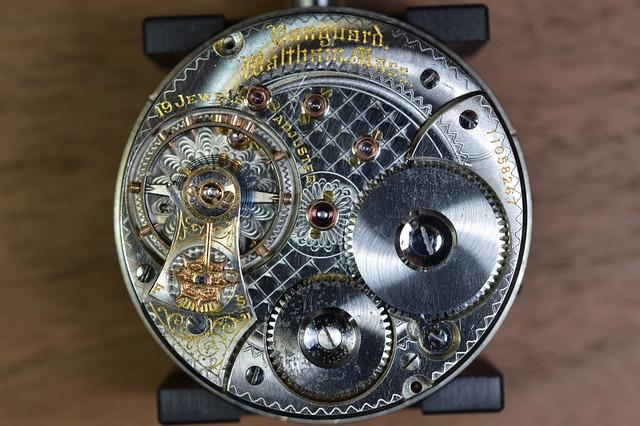
When it comes to mechanical watches, the sounds they produce can be a fascinating aspect that many collectors and enthusiasts appreciate. Each mechanical watch has its own unique acoustic signature, which can vary depending on factors such as the movement type, complications, and materials used.
Here are some of the different sounds you may hear from a mechanical watch:
- Ticking: This is the sound produced by the escapement as it regulates the movement of the gears.
- Clicking: This sound is typically heard when winding the watch or adjusting the time.
- Whirring: Some watches may produce a faint whirring sound as the gears turn.
- Chiming: Watches with complications such as a minute repeater can produce melodious chimes at specific intervals.
Exploring the various sounds of mechanical watches can offer a deeper appreciation for the intricate craftsmanship and engineering that goes into creating these timepieces. Next time you wear your mechanical watch, take a moment to listen closely and discover the hidden symphony of sound that accompanies each tick and tock.

The Impact of Materials and Design on the Noise of Mechanical Watches
When it comes to the noise of mechanical watches, there are several factors that can influence the sound they produce. One of the key elements that play a significant role in the acoustic signature of a mechanical watch is the material used in its construction.
Materials such as stainless steel, titanium, and gold can all affect the noise level of a mechanical watch. For example, stainless steel tends to produce a higher-pitched sound compared to titanium, which often results in a softer and more muffled noise.
In addition to materials, the design of a mechanical watch can also impact its noise level. The thickness of the case, the type of crystal used, and the movement of the watch can all contribute to the overall acoustic signature of the timepiece.
By understanding how materials and design influence the noise of mechanical watches, watch enthusiasts can make more informed decisions when choosing their next timepiece.

Recommended Maintenance Practices for Quieter Mechanical Watches
When it comes to maintaining the quietness of your mechanical watch, there are a few key practices to keep in mind. By following these recommendations, you can ensure that your timepiece remains as silent as possible:
- Regular Cleaning: Dust and debris can often cause mechanical watches to make unwanted noise. Regularly cleaning your watch with a soft cloth can help prevent these particles from interfering with its mechanisms.
- Lubrication: Proper lubrication of the moving parts of your watch is crucial for keeping it running smoothly and quietly. Be sure to have your watch serviced by a professional watchmaker at regular intervals to ensure that it is properly lubricated.
- Adjustment: If you notice your watch making more noise than usual, it may be time to have it adjusted by a professional. A watchmaker can help identify the source of the noise and make any necessary adjustments to restore its quiet operation.
| Recommended Maintenance Practices | Benefits |
|---|---|
| Regular Cleaning | Prevents dust and debris from causing noise |
| Lubrication | Ensures smooth and quiet operation |
| Adjustment | Helps identify and correct sources of noise |

Comparing the Acoustic Signatures of Different Mechanical Watches
When it comes to mechanical watches, one often thinks about the intricate craftsmanship and design details. However, have you ever stopped to listen to the distinct sound each mechanical watch makes? That’s right, mechanical watches have their own unique acoustic signature that can vary based on factors such as movement type, casing material, and even the environment in which the watch is worn.
One way to compare the acoustic signatures of different mechanical watches is to listen carefully to the ticking sound they produce. Some watches have a more subtle and quiet ticking noise, while others have a more pronounced and audible tick. This can be attributed to the type of movement used in the watch, with mechanical movements typically being louder due to the intricate gears and springs interacting with each other.
Another factor to consider when comparing the acoustic signatures of mechanical watches is the casing material. Watches made of stainless steel may produce a different sound compared to watches made of titanium or ceramic. Additionally, the thickness of the case and the presence of a case back can also influence the sound the watch makes.
| Watch Brand | Acoustic Signature |
|---|---|
| Rolex | Smooth and consistent ticking sound |
| Omega | Sharp and precise ticking noise |
| Seiko | Mechanical but subdued ticking sound |
Overall, exploring the acoustic signatures of different mechanical watches can provide a whole new perspective on these timepieces. So next time you put on your mechanical watch, take a moment to listen to its unique sound and appreciate the craftsmanship that goes into creating such a complex yet beautiful accessory.

Expert Tips for Assessing and Addressing Noise in Mechanical Watches
When it comes to assessing and addressing noise in mechanical watches, there are some expert tips that can help you understand and resolve the issue. Noise in mechanical watches can be caused by a variety of factors, from loose components to dirt and debris. By identifying the source of the noise, you can take the necessary steps to address it and ensure your watch is functioning properly.
Here are some :
- Listen Carefully: Pay close attention to the type of noise your watch is making. Is it a ticking sound, a clicking noise, or something else? This can help you narrow down the possible causes of the issue.
- Inspect the Components: Take a close look at the various components of your watch, including the hands, gears, and springs. Check for any loose or damaged parts that could be causing the noise.
- Clean and Lubricate: Dirt and debris can often be the culprit behind a noisy watch. Clean the components of your watch carefully and apply lubricant where needed to help reduce friction and noise.
| Issue | Possible Cause |
|---|---|
| Clicking Noise | Loose hands or gears |
| Ticking Sound | Worn-out springs |
To Wrap It Up
In conclusion, mechanical watches do indeed produce noise due to the intricate mechanisms within them. These noises, known as acoustic signatures, can vary depending on the movement type and construction of the watch. By understanding these sounds, watch enthusiasts can gain a deeper appreciation for the craftsmanship and engineering behind their timepieces. So next time you hear your watch ticking away, remember that it’s not just telling you the time – it’s also singing its own unique tune. Thank you for exploring the fascinating world of mechanical watch acoustics with us.Related reading: What Does Swiss Made Mean on a Watch? All You Need to Know!
Get our latest guides, news, and insights highlighted in your Google Search & AI Overviews.