Timekeeping Essentials: Are Chronograph Watches Mechanical?
Timekeeping Essentials: Are Chronograph Watches Mechanical?
Have you ever wondered about the intricate mechanisms behind those elegant chronograph watches? Are they purely mechanical or do they rely on some kind of electronic wizardry? Unlocking the mysteries of these timekeeping essentials is crucial for any watch enthusiast. In this informative article, we delve into the heart of chronograph watches and explore whether they truly embody the artistry and craftsmanship of mechanical timepieces or if there’s more to them than meets the eye. Get ready to uncover the fascinating truth about the inner workings of your favorite chronograph watches.
Contents
- Timekeeping Essentials: Are Chronograph Watches Mechanical?
- What Are Chronograph Watches and How Do They Work?
- The Mechanics Behind Chronograph Watches: A Detailed Explanation
- Key Features to Look for in Mechanical Chronograph Watches
- Advantages of Mechanical Chronograph Watches Over Quartz
- The Legacy of Mechanical Chronograph Watches: Timeless Elegance and Precision
- How to Properly Maintain and Care for your Mechanical Chronograph Watch
- Finding the Perfect Mechanical Chronograph Watch: Popular Brands and Models
- The Role of Chronograph Watches in Modern Timekeeping: Fashion or Function
- Wrapping Up
Timekeeping Essentials: Are Chronograph Watches Mechanical?
Chronograph watches have been a staple in the watch industry for decades, providing an added layer of functionality to traditional timepieces. But what exactly makes a chronograph watch mechanical? Let’s dive into the fascinating world of chronographs and explore their inner workings.
Related: Basic Mechanical Watch Guide: Navigating the Essentials of Timepieces
Mechanical chronograph watches, as the name suggests, rely on purely mechanical components to power the chronograph functions. Unlike quartz or digital watches, which use electronic circuits and batteries, mechanical chronographs rely on a series of intricate gears and levers to measure and record time intervals.
At the heart of a mechanical chronograph is the movement, also known as the caliber. This movement is composed of hundreds of tiny parts, meticulously assembled by skilled watchmakers. It is these tiny components that make the chronograph function possible.
One of the key components in a mechanical chronograph is the column wheel. This wheel controls the start, stop, and reset functions of the chronograph. When the chronograph is engaged, the column wheel rotates, allowing the various levers and gears to interact and measure time intervals. This mechanical interaction is what gives mechanical chronograph watches their distinctive feel and charm.
In addition to the column wheel, mechanical chronographs also feature a complex system of gears and levers that allow for precise timekeeping. These components work in harmony to ensure accurate measurement and recording of elapsed time. It is this attention to detail and craftsmanship that sets mechanical chronograph watches apart from their quartz counterparts.
So, the next time you come across a chronograph watch, remember that not all chronographs are created equal. While quartz chronographs offer convenience and precision, mechanical chronographs provide a captivating glimpse into the world of traditional watchmaking. Whether you prefer the robustness of mechanical movements or the accuracy of quartz, there’s no denying the allure of a well-crafted chronograph watch. Timekeeping has truly never been more stylish.

What Are Chronograph Watches and How Do They Work?
Chronograph watches are a popular choice among watch enthusiasts and collectors due to their fascinating combination of timekeeping and stopwatch functions. These watches are not only sleek and stylish but also extremely practical. So, what exactly are chronograph watches and how do they work?
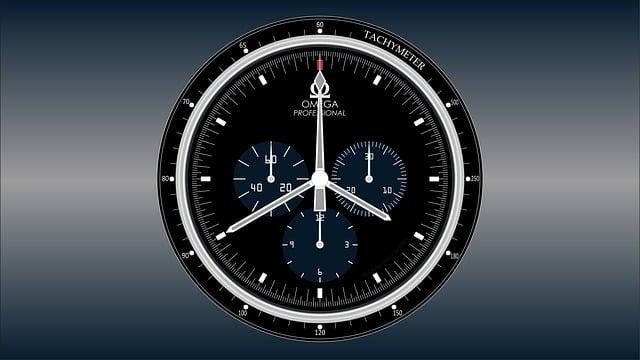
Unlike regular watches that only display the time, chronograph watches feature an additional set of sub-dials or “complications” that allow you to measure time intervals. These complications typically consist of a small seconds-hand sub-dial, a 30-minute sub-dial, and a 12-hour sub-dial. Some watches may even have additional features such as a tachymeter scale or a date display.
The beauty of chronograph watches lies in their mechanical complexity. Behind the dial, there are intricate mechanisms consisting of gears, levers, and springs that enable the stopwatch function. When you start the stopwatch, the main seconds hand begins to move continuously, while the sub-dials keep track of the elapsed minutes and hours. This allows you to accurately time events, whether it’s timing laps at the race track or cooking your favorite dish to perfection.
To operate a chronograph watch, you typically use the pushers, or buttons, located on the side of the case. One pusher is used to start and stop the stopwatch, while the other is used to reset it. The precision of the timing depends on the quality of the watch’s movement, which can vary depending on the brand and model.
In conclusion, chronograph watches are mechanical timepieces that combine both timekeeping and stopwatch functions. Their intricate mechanisms and stylish designs make them a sought-after accessory for watch enthusiasts. Whether you’re looking to time an event or simply enjoy the functionality and sophistication they offer, chronograph watches are a timekeeping essential that should be on every watch lover’s wrist.
The Mechanics Behind Chronograph Watches: A Detailed Explanation
When it comes to timekeeping essentials, one question that frequently arises is whether chronograph watches are mechanical. Let’s delve into this fascinating topic and uncover the truth behind the mechanics of these remarkable timepieces.
First and foremost, it’s important to understand that not all chronograph watches operate on the same principle. While some rely on quartz movements, which use a battery to power the watch, others are indeed mechanical. In this article, we will focus on the intricacies of mechanical chronograph watches.
Unlike their quartz counterparts, mechanical chronograph watches are powered purely by intricate mechanisms and springs. These timepieces are a marvel of engineering, boasting multiple additional dials and pushers on the watch face. They combine traditional watch movement with the ability to measure time intervals accurately, making them a favorite among watch enthusiasts and professionals alike.
The key components responsible for the chronograph function are the column wheel, clutch, and a series of meticulously crafted gears. The column wheel acts as the brain of the chronograph and orchestrates the intricate operation of the various functions. It is responsible for coordinating the start, stop, and reset actions. The clutch engages and disengages the chronograph mechanism, allowing the user to start and stop the timing function. The gears, on the other hand, transmit power throughout the watch to ensure seamless operation.
Features of Mechanical Chronograph Watches:
- Accuracy: Mechanical chronograph watches are renowned for their precision. They typically feature high-quality movements, carefully crafted by skilled watchmakers.
- Complications: Aside from the chronograph function, these watches often incorporate additional complications, such as moon phase indicators, calendar displays, or even a second time zone.
- Classic Appeal: Mechanical chronograph watches exude a timeless elegance. Their intricate movements and visible gears are not only a testament to superb craftsmanship but also add a unique aesthetic charm to these timepieces.
- Power Reserve: As mechanical watches, these chronographs do not require a battery. Instead, they are powered by the winding of a mainspring, which provides them with an impressive power reserve.
In conclusion, while there are both mechanical and quartz chronograph watches available, it is the mechanical ones that truly captivate watch enthusiasts with their intricate movements and timeless charm. These remarkable timepieces combine artistry and functionality, making them a coveted accessory for those who appreciate the mechanics behind the measurement of time.

Key Features to Look for in Mechanical Chronograph Watches
When it comes to choosing a mechanical chronograph watch, there are some key features that every watch enthusiast should keep in mind. These features not only contribute to the functionality and reliability of the timepiece but also enhance its overall aesthetic appeal. Whether you are a seasoned collector or a first-time buyer, the following elements should be considered before making your purchase:
1. Mechanical Movement: A mechanical chronograph watch operates through a complex system of levers, gears, and springs, without relying on a battery. This intricate mechanism not only adds a touch of elegance to the watch but also ensures accurate timekeeping. Look for watches with high-quality mechanical movements, such as automatic or manual-winding, as they offer precise and consistent timekeeping.
2. Chronograph Functionality: The chronograph feature allows you to track elapsed time by using additional sub-dials and pushers on the watch. Ensure that the watch you choose has clear and easy-to-read sub-dials for the stopwatch function. The pushers should also feel smooth and responsive, allowing you to start, stop, and reset the chronograph with ease.
3. High-Quality Materials: Pay attention to the materials used in the construction of the watch. A mechanical chronograph watch should be built to last, so look for watches made with durable materials such as stainless steel, sapphire crystal, and high-quality leather straps. These materials not only enhance the overall durability but also contribute to the watch’s aesthetic appeal.
4. Design and Style: Last but certainly not least, consider the design and style of the watch. Chronograph watches come in a variety of styles, from sporty to elegant. Choose a design that suits your personal taste and lifestyle. Whether you prefer a classic dress watch or a robust sports watch, make sure that the design resonates with your personality.

Advantages of Mechanical Chronograph Watches Over Quartz
Chronograph watches are a popular choice for many watch enthusiasts and collectors, but there can be confusion about whether they are mechanical or quartz. In this post, we will delve into the world of chronograph watches and explore the advantages of mechanical chronograph watches over their quartz counterparts.
Mechanical chronograph watches are powered by a complex system of gears and springs, making them a true mechanical marvel. One of the main advantages of these watches is their intricate craftsmanship, which is often admired and appreciated by watch enthusiasts. The use of mechanical movements in chronograph watches gives them a certain charm and character that cannot be replicated by quartz watches.
Another advantage of mechanical chronograph watches is their precise timekeeping. The intricately designed movement of these watches allows for accurate tracking of time, making them a reliable companion for everyday use or special occasions. Whether you need to measure elapsed time during a sporting event or simply want to keep track of how long it takes to cook dinner, a mechanical chronograph watch is up to the task.
Mechanical chronograph watches also offer a unique tactile experience. The mechanical movement of the watch can be felt and heard through the subtle ticking of its gears, creating a connection between the wearer and the watch itself. This tactile feedback is often appreciated by watch enthusiasts who value the mechanical artistry that goes into these timepieces.
Furthermore, mechanical chronograph watches have the advantage of longevity. With proper care and regular servicing, these watches can last for generations, becoming heirlooms that can be passed down through the family. This longevity is a testament to the craftsmanship and durability of mechanical chronograph watches.
In conclusion, mechanical chronograph watches offer a range of advantages over their quartz counterparts. From their intricate craftsmanship and precise timekeeping to their unique tactile experience and longevity, these watches are a true testament to the art of watchmaking. So, if you’re looking for a timepiece that combines style, functionality, and a touch of mechanical beauty, a mechanical chronograph watch is definitely worth considering.
The Legacy of Mechanical Chronograph Watches: Timeless Elegance and Precision
When it comes to timekeeping, chronograph watches have always held a special place in the hearts of watch aficionados. Known for their timeless elegance and precision, these timepieces have become synonymous with style and luxury. But what exactly is a mechanical chronograph watch? And how does it differ from other types of chronograph watches on the market?
A mechanical chronograph watch is a timepiece that utilizes a complex system of gears, wheels, and levers to measure elapsed time. Unlike quartz chronograph watches, which rely on electronic components for timekeeping, mechanical chronographs are powered by a series of intricate mechanical movements. This means that every second, minute, and hour on a mechanical chronograph watch is meticulously measured and displayed with unparalleled accuracy.
One of the main advantages of mechanical chronograph watches is their craftsmanship and attention to detail. Each component is carefully assembled by skilled watchmakers, who spend hours ensuring that every gear and wheel is properly aligned and functioning smoothly. This meticulous craftsmanship not only results in a more precise timekeeping experience, but also gives the watch an undeniable sense of artistry and beauty.
Furthermore, mechanical chronograph watches offer a unique tactile experience. The mechanical movements inside these timepieces often feature intricate complications, such as moon phases, date displays, and even multiple time zones. This means that wearing a mechanical chronograph watch allows you to interact with your timepiece in a more intimate and engaging way, as you manually wind it and adjust its various functions.
How to Properly Maintain and Care for your Mechanical Chronograph Watch
Maintaining and caring for your mechanical chronograph watch is essential to ensure its longevity and accurate timekeeping. Although chronograph watches have intricate mechanisms, they are indeed mechanical, making them both luxurious and reliable timepieces.
To properly maintain your mechanical chronograph watch, follow these key practices:
1. Regular servicing: Mechanical chronograph watches should be serviced every three to five years by a professional watchmaker. During servicing, the watchmaker will clean, oil, and adjust the intricate components of the movement, ensuring optimal performance.
2. Avoid extreme conditions: Exposing your watch to extreme temperatures, humidity, or magnetic fields can damage its delicate movement. Therefore, it’s important to store your watch in a cool, dry place and away from strong magnetic sources.
3. Gentle handling: Treat your chronograph watch with care to avoid unnecessary wear and tear. Avoid dropping or knocking the watch against hard surfaces, as this can lead to internal damage. Additionally, when operating the chronograph functions, be gentle with the pushers and avoid applying excessive force.
4. Regular winding: Mechanical chronograph watches require regular winding to keep them running smoothly. If your watch is not equipped with an automatic winding mechanism, make it a habit to wind it manually at the same time each day to maintain accurate timekeeping.
By following these maintenance practices, you can enjoy the reliability and beauty of your mechanical chronograph watch for years to come. Remember, investing a little time and effort into caring for your timepiece will ensure its longevity and reliable timekeeping.
Finding the Perfect Mechanical Chronograph Watch: Popular Brands and Models
When it comes to finding the perfect mechanical chronograph watch, there are many popular brands and models to choose from. These timepieces not only provide accurate timekeeping but also offer additional features such as a stopwatch function, making them highly desirable for watch enthusiasts.
One popular brand known for its mechanical chronograph watches is Omega. The Swiss luxury watchmaker has a rich heritage in producing high-quality timepieces and their Speedmaster collection is especially renowned for its chronograph functionality. With a variety of models available, including the iconic Moonwatch, Omega offers a range of styles and designs to suit individual preferences.
Another well-known brand in the world of mechanical chronograph watches is Breitling. Founded in 1884, Breitling is famous for its precision timekeeping and robust construction. Their Navitimer series is particularly popular among aviation enthusiasts, featuring a highly functional chronograph dial and a distinctive slide rule bezel.
For those seeking a blend of elegance and functionality, Tag Heuer is a brand worth considering. Tag Heuer has long been associated with motorsports and their Carrera collection embodies this spirit with its sleek design and reliable chronograph movement. With options ranging from stainless steel to ceramic, there’s a Tag Heuer chronograph watch to suit any style.
| Brand | Popular Model | Features |
|---|---|---|
| Omega | Speedmaster Moonwatch | – Swiss mechanical movement |
| Breitling | Navitimer | – Slide rule bezel – Functional chronograph |
| Tag Heuer | Carrera | – Elegantly sleek design – Reliable chronograph movement |
Exploring these popular brands and models is an excellent starting point for anyone looking to find their perfect mechanical chronograph watch. Whether you prioritize precision, design, or functionality, there’s a watch out there that perfectly embodies your style and meets your timekeeping needs.

The Role of Chronograph Watches in Modern Timekeeping: Fashion or Function
Chronograph watches have long been an essential accessory for both fashion enthusiasts and watch aficionados alike. These timepieces offer a perfect blend of style and functionality, making them a popular choice for those who value both fashion and precise timekeeping. But are chronograph watches mechanical? Let’s find out.
The answer is yes, most chronograph watches are indeed mechanical. Unlike quartz watches, which rely on a battery for their operation, mechanical chronographs are powered by a complex system of gears and springs. This mechanical movement not only adds a touch of sophistication to the watch but also provides a unique tactile experience that quartz watches simply cannot match.
In addition to their mechanical prowess, chronograph watches also serve a practical purpose. The most basic function of a chronograph watch is to measure elapsed time, making them invaluable for athletes, pilots, and divers. With the ability to accurately time events down to fractions of a second, these timepieces are often used in professional sports and other time-sensitive activities.
Furthermore, chronograph watches often feature additional complications such as tachymeters and telemeters, which provide even more practical functionality. A tachymeter allows the wearer to calculate speed over a known distance, while a telemeter can be used to measure the distance between the wearer and an event that can be both seen and heard, such as a lightning strike or a fireworks display.
In conclusion, chronograph watches offer both fashion and function in one stylish package. With their mechanical movement and practical complications, these timepieces are a must-have for anyone who appreciates the art of timekeeping. Whether you’re a sports enthusiast or a fashion-forward individual, a chronograph watch is sure to elevate your style and keep you punctual at the same time.
Wrapping Up
In conclusion, understanding the inner workings of chronograph watches is essential for all watch enthusiasts. While mechanical chronographs have been the traditional choice for their precision and craftsmanship, technological advancements now offer quartz chronographs that boast accuracy and affordability. Whether you prefer the traditional charm of a mechanical chronograph or the convenience of a quartz one, it ultimately boils down to personal preference and priorities. Remember, mechanical chronographs require regular winding or wearing to keep them running smoothly, while quartz chronographs run on batteries. Both options have their merits and it really comes down to what suits you best. So, next time you’re in the market for a new timepiece, consider these key takeaways to make an informed decision based on your desired style, functionality, and budget. Happy timekeeping!
Get our latest guides, news, and insights highlighted in your Google Search & AI Overviews.