Are Mechanical Watches More Expensive? Delve into Luxury Horology
Are you curious about the world of luxury horology and whether mechanical watches are truly more expensive? In this article, we will explore the intricacies of mechanical timepieces and delve into the factors that contribute to their higher price tags. Stay tuned as we unravel the fascinating world of mechanical watches and uncover the allure of luxury horology.
Contents
- Are mechanical watches worth the investment?
- Reasons to Invest in Mechanical Watches
- Comparing Mechanical Watches to Quartz Watches
- Exploring the craftsmanship behind luxury watches
- Understanding the factors that contribute to the high cost of mechanical timepieces
- Comparing the value of mechanical watches to quartz watches
- Exploring the world of luxury horology
- The allure of owning a finely crafted mechanical watch
- Tips for purchasing your first luxury mechanical watch
- Factors to consider when investing in a high-end timepiece
- Exploring the history and heritage of mechanical watchmaking
- Demystifying the perception that mechanical watches are more expensive
- To Wrap It Up
Are mechanical watches worth the investment?
Reasons to Invest in Mechanical Watches
When it comes to luxury timepieces, mechanical watches are often considered the cream of the crop. While they may come with a higher price tag compared to their quartz counterparts, there are several reasons why investing in a mechanical watch can be worth it:
- Craftsmanship: Mechanical watches are meticulously handcrafted by skilled artisans, resulting in a piece of art that is not only functional but also aesthetically pleasing.
- Longevity: With proper care and maintenance, mechanical watches can last for generations, becoming heirloom pieces that can be passed down to future generations.
- Exclusivity: Mechanical watches are often produced in limited quantities, making them a rare find and a symbol of prestige.
Comparing Mechanical Watches to Quartz Watches
While quartz watches may be more affordable and accurate, they lack the soul and character that mechanical watches possess. Mechanical watches are a testament to traditional watchmaking techniques and are often appreciated by watch enthusiasts for their intricate movements and fine craftsmanship.
| Feature | Mechanical Watch | Quartz Watch |
|---|---|---|
| Accuracy | Relatively less accurate | Highly accurate |
| Maintenance | Requires regular servicing | Low maintenance |
| Value | Value appreciates with time | Depreciates over time |

Exploring the craftsmanship behind luxury watches
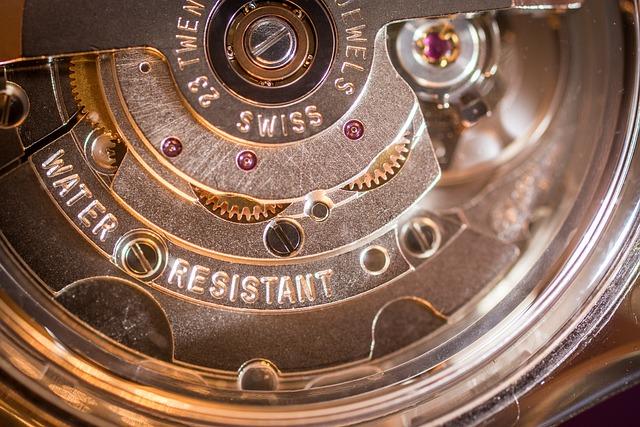
When it comes to luxury watches, the craftsmanship behind mechanical timepieces sets them apart from their quartz counterparts. Mechanical watches are often seen as a symbol of precision and artistry, with intricate movements and detailed components that are meticulously assembled by skilled watchmakers.
One of the key factors that contribute to the higher price of mechanical watches is the labor-intensive process involved in their creation. Each component of a mechanical watch, from the tiny gears and springs to the intricate dial and hands, is carefully crafted and assembled by hand. This attention to detail and human touch adds to the value and exclusivity of mechanical watches.
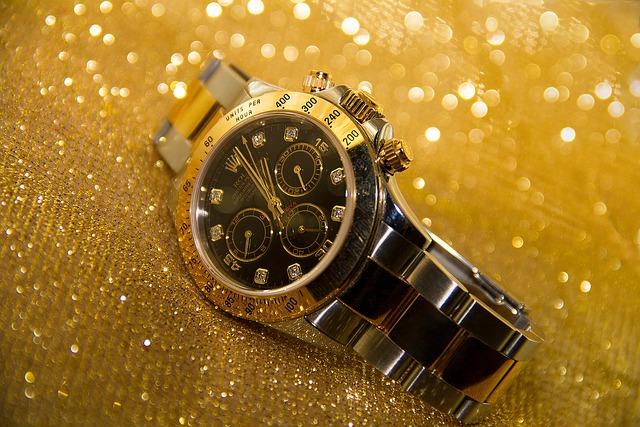
Furthermore, the materials used in mechanical watches also play a significant role in their cost. High-quality metals such as stainless steel, gold, and platinum are often used in luxury mechanical watches, adding to their durability and aesthetic appeal. Additionally, some luxury watch brands incorporate precious gemstones like diamonds and sapphires into their designs, further increasing the price of the timepiece.
Overall, while mechanical watches may be more expensive than their quartz counterparts, the craftsmanship, artistry, and attention to detail that go into creating these luxury timepieces make them a worthwhile investment for watch enthusiasts and collectors alike.

Understanding the factors that contribute to the high cost of mechanical timepieces
When it comes to luxury horology, the cost of mechanical timepieces can often be a point of contention. While some may argue that the price tag on these watches is unjustified, a deeper dive into the factors contributing to their high cost reveals a more nuanced understanding.
One of the main reasons behind the high price of mechanical watches is the intricate craftsmanship involved in their production. Unlike their quartz counterparts, mechanical watches are assembled by skilled watchmakers who meticulously put together each individual component by hand. This level of precision and attention to detail not only requires specialized training and expertise but also adds to the overall cost of production.
Another key factor contributing to the high cost of mechanical timepieces is the use of high-quality materials. Luxury watch brands often opt for premium materials such as stainless steel, gold, or even exotic metals like titanium or ceramic. These materials not only enhance the aesthetic appeal of the watch but also contribute to its durability and longevity.
Furthermore, the complexity of the movements used in mechanical watches can also drive up their cost. Complications such as tourbillons, perpetual calendars, or minute repeaters require additional time and expertise to design and manufacture, further adding to the overall price of the watch.

Comparing the value of mechanical watches to quartz watches
When it comes to , there are several factors to consider. One of the main distinctions between the two types of watches is their movement. Mechanical watches use a complex system of gears and springs to keep time, while quartz watches rely on a battery-powered quartz crystal oscillator. This fundamental difference often leads to a discrepancy in price between the two types of timepieces.
**Here are a few key points to keep in mind when exploring the value of mechanical watches compared to quartz watches:**
- Mechanical watches are usually more expensive due to their intricate craftsmanship and higher quality materials.
- Quartz watches are more affordable as they are mass-produced and rely on electronic components for timekeeping.
- Mechanical watches often hold their value better over time, making them a popular choice for collectors and watch enthusiasts.
**To further illustrate the price difference between mechanical and quartz watches, consider the following comparison table:**
| Feature | Mechanical Watches | Quartz Watches |
|---|---|---|
| Price Range | $$$$$$ | $-$$ |
| Materials | Premium quality metals and components | Plastic and stainless steel |
| Longevity | Can last for generations with proper maintenance | Usually needs battery replacement every 1-2 years |

Exploring the world of luxury horology
When it comes to luxury horology, one question that often arises is whether mechanical watches are more expensive than their quartz counterparts. The answer to this question lies in the intricate craftsmanship and timeless appeal of mechanical timepieces.
In the world of luxury horology, mechanical watches are revered for their exquisite craftsmanship and precision. Unlike quartz watches, which rely on electronic components to keep time, mechanical watches are powered by a complex system of gears and springs. This mechanical movement is often seen as a testament to the artistry and dedication of watchmakers.
One of the key factors that contribute to the higher cost of mechanical watches is the skill and labor required to assemble and calibrate each timepiece. In addition, the use of high-quality materials such as precious metals and sapphire crystals further adds to the price tag of mechanical watches.
Overall, while mechanical watches may come with a higher price point, they offer a level of craftsmanship and sophistication that is unmatched by quartz watches. For those who appreciate the art of watchmaking and are willing to invest in a timeless piece of luxury, a mechanical watch is a worthwhile indulgence.

The allure of owning a finely crafted mechanical watch
When it comes to luxury horology, is undeniable. The intricate craftsmanship and attention to detail that goes into creating these timepieces set them apart from their quartz counterparts. Mechanical watches are not just about telling time; they are a statement of style, class, and tradition.
One of the main factors that sets mechanical watches apart is their complexity. Unlike quartz watches, which are powered by batteries, mechanical watches are powered by a series of gears, springs, and other components that work together to keep time accurately. This level of craftsmanship and engineering is what makes mechanical watches more expensive than their quartz counterparts.
Another reason why mechanical watches are more expensive is the materials used in their construction. Luxury watchmakers often use high-quality materials such as stainless steel, gold, and sapphire crystal to create watches that are not only durable but also aesthetically pleasing. These materials not only add to the cost of the watch but also contribute to its overall value.
For those who appreciate fine craftsmanship and are looking for a timepiece that will stand the test of time, investing in a finely crafted mechanical watch is definitely worth considering. Not only will you be investing in a piece of horological history, but you will also be making a statement about your personal style and taste.

Tips for purchasing your first luxury mechanical watch
When it comes to buying your first luxury mechanical watch, there are some key tips to keep in mind to ensure you make the right choice. With so many options available on the market, it’s important to do your research and know what to look for. Here are a few tips to help guide you through the process:
- Set a Budget: Luxury mechanical watches can range in price from a few hundred to thousands of dollars. Determine how much you are willing to spend before you start shopping to narrow down your options.
- Consider the Brand: Research reputable luxury watch brands known for their craftsmanship and quality. Brands like Rolex, Patek Philippe, and Audemars Piguet are highly regarded in the industry.
- Choose a Style: Decide on the style of watch that best fits your personality and lifestyle. Whether you prefer a classic dress watch, a sporty diver’s watch, or a sleek chronograph, there are endless options to choose from.
Remember, purchasing a luxury mechanical watch is an investment, so take your time and choose a timepiece that you truly love and will cherish for years to come.

Factors to consider when investing in a high-end timepiece
:
When investing in a high-end timepiece, there are several key factors to consider to ensure you are making a wise and informed decision. These factors include:
– **Brand Reputation**: Look for reputable and well-known watch brands that have a history of producing high-quality timepieces. Brands like Rolex, Patek Philippe, and Audemars Piguet are known for their craftsmanship and attention to detail.
– **Movement Type**: Consider the type of movement in the watch. Mechanical movements, especially those with intricate complications, are often more expensive than quartz movements. However, mechanical movements are prized for their craftsmanship and artistry.
– **Materials**: High-end timepieces are often crafted from luxury materials such as stainless steel, gold, or even exotic materials like titanium and ceramic. Consider the durability and aesthetic appeal of the materials used in the watch.
– **Resale Value**: Some high-end timepieces can retain or even increase in value over time. Consider investing in a brand or model that has a strong resale value in case you decide to sell or trade your watch in the future.
In conclusion, investing in a high-end timepiece is a significant decision that requires careful consideration of factors such as brand reputation, movement type, materials, and resale value. By taking these factors into account, you can ensure that you are making a smart and informed investment in luxury horology.
Exploring the history and heritage of mechanical watchmaking
In the world of luxury horology, mechanical watches are often considered to be the epitome of craftsmanship and tradition. These timepieces have a rich history that dates back centuries, and they are known for their intricate designs and superior quality.
One of the key factors that sets mechanical watches apart from other types of timepieces is their complexity. Unlike quartz watches, which are powered by batteries, mechanical watches are powered by a complex system of gears and springs that must be meticulously crafted and assembled by skilled watchmakers.
Due to the labor-intensive nature of their production, mechanical watches are generally more expensive than their quartz counterparts. However, for many watch enthusiasts, the price tag is justified by the artistry and attention to detail that goes into making these timepieces.
When it comes to luxury horology, mechanical watches are often seen as a symbol of status and sophistication. They are not simply tools for telling time, but pieces of art that have been crafted with care and precision.

Demystifying the perception that mechanical watches are more expensive
When it comes to luxury horology, the perception that mechanical watches are more expensive than their quartz counterparts is a common misconception. While it’s true that mechanical movements require intricate craftsmanship and precision engineering, this doesn’t necessarily mean that they are always more costly. In fact, there are several factors to consider when comparing the price of mechanical watches to quartz watches.
One key factor to keep in mind is the brand and reputation of the watchmaker. Luxury watch brands with a long history of horological excellence often command higher prices for their mechanical timepieces. However, there are also many boutique watchmakers and independent brands that offer high-quality mechanical watches at more accessible price points.
Another important consideration is the materials used in the construction of the watch. While some mechanical watches feature precious metals and rare gems, there are also many models made from stainless steel or titanium that are more affordable. Additionally, the level of complication in the movement can greatly impact the price of a mechanical watch. A simple three-hand movement will typically be less expensive than a watch with multiple complications such as a chronograph or tourbillon.
To Wrap It Up
In conclusion, delving into luxury horology reveals that mechanical watches can indeed be more expensive due to the intricate craftsmanship and artisanal details involved in their creation. From the precision engineering of the movement to the high-quality materials used, every component plays a part in elevating the overall cost of mechanical timepieces. While quartz watches may offer affordability and precision, mechanical watches cater to collectors and enthusiasts looking for a piece of artistry on their wrists. So, whether you’re in the market for a watch that is more than just a timekeeping device, consider investing in a mechanical watch that can stand the test of time and serve as a symbol of luxury and craftsmanship.
Get our latest guides, news, and insights highlighted in your Google Search & AI Overviews.