Battery-Free Beauty: Does a Mechanical Watch Need Batteries?
Battery-Free Beauty: Does a Mechanical Watch Need Batteries?
In the ever-evolving world of timekeeping, the advent of quartz watches revolutionized the industry, bringing battery-powered precision to our wrists. But what about the traditional mechanical watch, faithfully ticking away for centuries without any external power source? Join us on a journey to explore the mesmerizing realm of these timeless wonders, as we delve into the fascinating question: Does a mechanical watch need batteries? Prepare to be captivated by the intricate inner workings of these masterpieces and discover why they remain an enduring symbol of elegance and craftsmanship.
Contents
- Battery-Free Beauty: Does a Mechanical Watch Need Batteries?
- 1. An Exploration of Mechanical Watches: Unveiling Their Unique Power Source
- 2. The Magic of Self-Winding Movements: How Mechanical Watches Generate Energy
- 3. Understanding the Inner Workings: Delving Into the Intricate Mechanisms of Mechanical Watches
- 5. Embracing Tradition: The Timeless Appeal of Hand-Wound Mechanical Watches
- 6. Preserving the Heritage: Why Mechanical Watches Continue to Captivate Enthusiasts
- 7. An Investment in Craftsmanship: Mechanical Watches as an Expression of True Artistry
- Battery-Free Beauty: Does a Mechanical Watch Need Batteries?
- 9. No Need for Batteries: Practical Reasons Why Mechanical Watches Prevail
- 10. Delighting Watch Enthusiasts: Recommendations to Find the Perfect Mechanical Watch for You
- Key Takeaways
Battery-Free Beauty: Does a Mechanical Watch Need Batteries?
Related: No Battery Required: Does a Mechanical Watch Need a Battery?
In this digital age, where our smartphones and smartwatches require regular charging, there’s something timeless and captivating about a mechanical watch. These mechanical timepieces have been around for centuries, and their allure lies not only in their intricate craftsmanship but also in their ability to function without the need for batteries.
Unlike quartz watches, which rely on a battery to power their precision movements, mechanical watches harness the power of energy stored in a tightly wound mainspring. This energy is then released gradually to power the gears and hands of the watch, creating that familiar ticking sound.
With a mechanical watch, you never have to worry about changing batteries or finding a power source. All that’s needed to keep your watch running smoothly is regular winding. Most mechanical watches have manual winding, where you diligently turn the crown to wind the mainspring. However, some modern mechanical watches also come with automatic winding systems. These watches use the natural motion of your wrist to wind the mainspring, providing a convenient and stress-free experience.
While batteries may be a necessity for many electronic devices, a mechanical watch stands as a testament to the enduring craftsmanship and artistry of traditional horology. Its ability to keep time without relying on external power sources ensures that its beauty and functionality remain intact, regardless of technological advancements. So, if you’re seeking a timepiece that embodies both elegance and reliability, a mechanical watch is undoubtedly a battery-free beauty worth considering.

1. An Exploration of Mechanical Watches: Unveiling Their Unique Power Source
When it comes to timepieces, there’s something undeniably captivating about mechanical watches. They exude a timeless elegance and craftsmanship that draws in enthusiasts from all walks of life. One of the most intriguing aspects of mechanical watches is their unique power source.
Unlike their battery-operated counterparts, mechanical watches do not rely on a battery for power. Instead, these stunning timepieces harness the energy of motion to keep ticking with precision and accuracy. This remarkable feat is achieved through a complex system of gears, springs, and oscillating weights.
At the heart of a mechanical watch lies the mainspring, a tightly wound coil that acts as the primary power source. As the mainspring unwinds, it releases stored energy, which is then transferred through a series of gears to power the movement. The energy is regulated by the escapement, a mechanism that ensures the gears move in a controlled manner, allowing the watch to maintain a consistent timekeeping rhythm.
One of the key advantages of mechanical watches is their longevity. Unlike batteries that require regular replacement, a well-maintained mechanical watch can last for generations, becoming a precious heirloom to be passed down. Moreover, the intricate inner workings and the craftsmanship involved in creating a mechanical watch make it a true work of art, appreciated not only for its functionality but also for its aesthetic appeal.

2. The Magic of Self-Winding Movements: How Mechanical Watches Generate Energy
Self-winding movements, also known as automatic movements, are a fascinating feature found in mechanical watches. Unlike battery-powered quartz watches, mechanical timepieces can generate their own energy to keep ticking. But how do they do it? The magic lies within the intricate design and craftsmanship of these watches.
At the heart of a mechanical watch is a mainspring, a coiled strip of metal that stores potential energy when wound. As the wearer moves their wrist throughout the day, a rotor inside the watch, connected to the mainspring, starts to spin. This motion transfers energy to the mainspring, gradually winding it up. This ingenious mechanism ensures that the watch is always powered, without the need for batteries.
Not only do self-winding movements provide a constant supply of energy, but they also offer a range of benefits. First and foremost, they eliminate the hassle of replacing batteries, saving you time and money in the long run. Additionally, because the energy is generated through movement, wearing the watch regularly is essential to keeping it running smoothly. This encourages a deeper connection between the wearer and their timepiece, as it becomes a personal and reliable companion.
While self-winding watches require regular wear to maintain their energy supply, they also offer the flexibility of manual winding. If a watch has not been worn for an extended period, simply turning the crown a few times will wind the mainspring and jumpstart the movement. This feature ensures that the watch remains functional and accurate, even during periods of inactivity.
In conclusion, the charm of a mechanical watch lies not only in its timeless design but also in its ability to generate its own energy. Self-winding movements offer a battery-free solution that ensures your watch is always keeping time. With no batteries to replace and a symbiotic relationship with the wearer, these mechanical marvels showcase the true beauty of horology.
3. Understanding the Inner Workings: Delving Into the Intricate Mechanisms of Mechanical Watches
Mechanical watches have a timeless charm that sets them apart from their battery-powered counterparts. One of the significant features that make mechanical watches so captivating is that they do not require any batteries to function. Unlike quartz or digital watches, which rely on a battery to power the movement, mechanical watches are powered by a complex series of gears, springs, and levers.
The heart of a mechanical watch is its mainspring, which stores potential energy when it is wound. As the mainspring unwinds, it transfers this energy through a series of gears, ultimately powering the watch’s hands and complications. This intricate mechanism is what enables a mechanical watch to keep time with precision, without the need for batteries.
One of the advantages of a battery-free mechanical watch is its longevity. With proper care and maintenance, a mechanical watch can last for generations, becoming a cherished heirloom that can be passed down from one generation to the next. Additionally, mechanical watches offer a sense of craftsmanship and artistry that is unmatched by their battery-powered counterparts.
In conclusion, the beauty of a mechanical watch lies in the fact that it does not need batteries to keep ticking. Its intricate mechanisms and reliance on energy stored in a mainspring make it a marvel of engineering and craftsmanship. So, if you’re looking for a timepiece that combines functionality, durability, and timeless elegance, a mechanical watch is an excellent choice.
5. Embracing Tradition: The Timeless Appeal of Hand-Wound Mechanical Watches
In today’s fast-paced digital world, where almost everything is powered by batteries, it’s refreshing to step back and appreciate the timeless appeal of hand-wound mechanical watches. Unlike their battery-powered counterparts, mechanical watches rely on the art of traditional watchmaking and intricate craftsmanship to keep time ticking away. But the question arises – does a mechanical watch need batteries, or is it truly battery-free?
The answer is simple: mechanical watches do not require batteries. Instead, these timepieces harness the energy from the wearer’s movement to keep the gears in motion. As you go about your daily activities, the natural motion of your wrist winds the watch’s mainspring, storing potential energy that is gradually released to power its precise ticking. This remarkable mechanism not only eliminates the need for batteries but also adds a touch of elegance and charm to the overall experience of owning a mechanical watch.
One of the advantages of hand-wound mechanical watches is their longevity. With regular winding, they can serve as reliable companions for generations to come. Their intricate mechanisms, often visible through exhibition casebacks, offer a glimpse into the inner workings of horology. Witnessing the balance wheel oscillate back and forth, driven by the escapement, provides a unique sensory experience that connects us to the rich history and tradition of watchmaking.
Moreover, owning a hand-wound mechanical watch encourages a certain level of mindfulness and interaction with time. The act of winding the watch becomes a moment of pause and reflection. It symbolizes a connection to an era where time was savored, and the daily ritual of winding served as a reminder to appreciate life’s fleeting moments. Embracing this tradition can be seen as a statement against the disposable and fast-paced nature of our modern society.
So, if you’re charmed by the battery-free beauty and timeless appeal of mechanical watches, rest assured that you won’t need to worry about batteries to keep your timepiece running. Instead, embrace the ritual of winding, immerse yourself in the craftsmanship, and revel in the timeless elegance of a hand-wound mechanical watch.
6. Preserving the Heritage: Why Mechanical Watches Continue to Captivate Enthusiasts
Mechanical watches have been captivating enthusiasts for centuries, and one of the reasons behind their enduring appeal is the fact that they don’t rely on batteries. Unlike quartz watches that require a battery to power the movement, mechanical watches harness the power of human motion to keep time. This makes them not only environmentally friendly but also adds a touch of elegance and craftsmanship to the timekeeping experience.
One of the key components of a mechanical watch is the mainspring. This coiled spring is manually wound, either through the crown or an automatic winding mechanism that utilizes the natural motion of the wearer’s wrist. As the mainspring unwinds, it releases energy that drives the intricate gears and mechanisms responsible for keeping time. This blend of mechanical complexity and reliance on human energy is what sets mechanical watches apart from their battery-powered counterparts.
Another reason why mechanical watches continue to captivate enthusiasts is their inherent charm and history. Each mechanical timepiece is a work of art, meticulously crafted by skilled watchmakers who dedicate countless hours to perfecting their craft. From the intricate movement to the elegant dial design, every element showcases the watchmaker’s attention to detail and passion for horology.
Furthermore, mechanical watches offer a sense of connection to the past and heritage. They have a timeless appeal that transcends trends and fads. Owning a mechanical watch is like being part of a long-standing tradition, as these timepieces have been around for centuries and continue to be a symbol of craftsmanship and refinement.
In conclusion, mechanical watches don’t require batteries to function, relying instead on the power of human motion. Their timeless charm, connection to heritage, and meticulous craftsmanship continue to fascinate enthusiasts around the world. For those who appreciate the battery-free beauty of mechanical watches, there’s no better way to experience the art of horology.
7. An Investment in Craftsmanship: Mechanical Watches as an Expression of True Artistry
Battery-Free Beauty: Does a Mechanical Watch Need Batteries?
When it comes to timekeeping, mechanical watches have long established themselves as a testament to true craftsmanship. These exquisite timepieces are a fusion of intricate design, precise engineering, and handcrafted artistry. Unlike their quartz counterparts that rely on batteries to power their movements, mechanical watches offer a unique charm and elegance that comes from their self-winding or manual winding mechanisms.
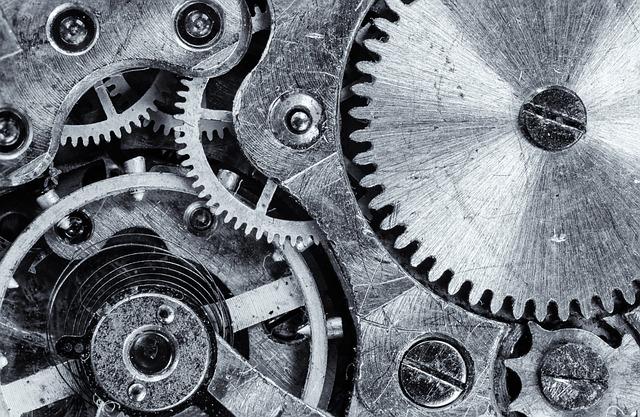
One of the most captivating aspects of a mechanical watch is its intricate movement. Consisting of hundreds of precisely calibrated components, each movement is a masterful blend of wheels, gears, springs, and jewels working in harmony to measure time. This remarkable orchestration can be appreciated through the transparent casebacks found in many luxury watches, allowing enthusiasts to admire the mesmerizing inner workings.
Moreover, mechanical watches are a testament to timeless design. Crafted by skilled artisans, these timepieces boast intricate dials, refined hands, and elegant cases that evoke a sense of artistry. The attention to detail is simply unparalleled, with techniques such as guilloché, enamelwork, and luxurious finishes adding depth and character to the watch’s appearance. With a mechanical watch, wearing an expression of true artistry becomes a part of your daily life.
While mechanical watches require winding to keep them running, this ritual becomes an intimate connection between the wearer and the timepiece. It offers a moment of pause and appreciation in our fast-paced world. The absence of batteries means there are no dependency issues or concerns about replacements. With proper care, a mechanical watch can last for generations, becoming a treasured heirloom that tells the story of its owner.
9. No Need for Batteries: Practical Reasons Why Mechanical Watches Prevail
There is an undeniable allure to mechanical watches that sets them apart from their battery-powered counterparts. Not only do they exude elegance and craftsmanship, but they also offer practical advantages that make them preferred by watch enthusiasts. One of the most significant benefits of mechanical watches is their autonomy from batteries. Yes, you heard it right – no need for batteries!
Unlike quartz watches that rely on a small battery for their operation, mechanical watches are powered by a complex system of gears and springs. This means that you never have to worry about replacing batteries or running out of power at inconvenient times. With proper maintenance and regular winding, a mechanical watch can keep ticking for decades, becoming a true heirloom piece that can be passed down through generations.
The lack of reliance on batteries also means that mechanical watches are more environmentally friendly. With the ever-increasing focus on sustainability, this becomes a significant selling point for many individuals. By choosing a mechanical watch, you are opting for a greener lifestyle by reducing the number of batteries that end up in landfills each year.
Additionally, the self-sufficiency of mechanical watches ensures their reliability in various situations. Whether you are exploring the great outdoors, traveling to remote destinations, or simply going about your daily routine, you can trust that your mechanical watch will be there, keeping time accurately without any external power source. No more battery swaps or worrying about your watch suddenly dying on you.
In summary, the practical reasons why mechanical watches prevail over battery-powered ones go beyond their timeless beauty. The ability to operate without batteries not only eliminates the need for constant replacements but also makes them more sustainable and reliable companions on your wrist. So, if you are looking for a watch that combines tradition, craftsmanship, and practicality, a mechanical timepiece is the perfect choice for you.
10. Delighting Watch Enthusiasts: Recommendations to Find the Perfect Mechanical Watch for You
When it comes to mechanical watches, one question that often arises is whether they require batteries. Well, the answer is quite simple: No, a mechanical watch does not need batteries! Unlike their quartz counterparts, which rely on battery-powered movements, mechanical watches operate purely through intricate mechanical mechanisms, making them a true testament to traditional horology.
So how does a mechanical watch work without batteries? Instead of relying on an energy source like a battery, mechanical watches are powered by a tightly wound mainspring. This spring stores potential energy and gradually releases it, ticking the watch’s hands forward in a mesmerizing motion. The mainspring is wound either manually or automatically through the wearer’s motion, allowing the watch to continue running without the need for batteries.
The absence of batteries in mechanical watches offers several benefits to watch enthusiasts. Firstly, it eliminates the need for battery replacements, saving both time and money. Additionally, the absence of electronic components gives mechanical watches an undeniable charm, character, and longevity. Embracing the intricate craftsmanship and precision engineering, these watches often become cherished heirlooms passed down through generations.
For those in search of the perfect mechanical watch, there are several factors to consider. Consider the following recommendations to help guide your selection process:
Movement Type: Mechanical watches come in two main movement types, manual and automatic. Manual watches require manual winding, while automatic watches wind themselves through the natural motion of the wearer’s wrist.
Watch Style: Consider the style that best suits your taste and lifestyle, whether it be a classic dress watch, a sporty diver, or a versatile pilot watch.
Brand Reputation: Look for reputable watch brands known for their craftsmanship, reliability, and innovation. Brands like Rolex, Omega, and Patek Philippe have established themselves as industry leaders.
- Price Range: Determine your budget and find a mechanical watch that offers the best value for your investment. Remember, mechanical watches can range from affordable options to luxury timepieces.
In the end, a mechanical watch’s allure lies not in its reliance on batteries but in its adherence to centuries-old watchmaking traditions. By choosing a mechanical watch, you not only embrace the artistry of horology but also become part of a community of passionate watch enthusiasts who appreciate the timeless beauty and craftsmanship these watches represent.
Key Takeaways
In conclusion, the debate over whether a mechanical watch needs batteries is an intriguing one. As we have explored in this article, mechanical watches do not require batteries to function as they rely on intricate mechanical movements. This not only eliminates the need for battery replacements but also allows for the intrinsic beauty and artistry of watchmaking to take center stage.
Key Takeaways:
- Mechanical watches do not need batteries to operate; they employ intricate mechanical movements.
- Battery-free nature allows for the appreciation of the craftsmanship and artistry involved in watchmaking.
- The absence of batteries eliminates the need for frequent replacements and the associated costs.
- Mechanical watches offer a timeless elegance that cannot be replicated by battery-powered alternatives.
In the world of horology, the choice between battery-powered and mechanical watches ultimately boils down to personal preference. Some may prefer the convenience of a battery-powered timepiece, while others gravitate towards the enduring beauty and soul of a mechanical watch. Whichever side you lean towards, there’s no denying the allure of battery-free beauty in the realm of horological art.
Get our latest guides, news, and insights highlighted in your Google Search & AI Overviews.