Automatic vs Manual vs Quartz Watch: Which Timepiece Reigns Supreme?
In the world of timepieces, there are three main contenders vying for the title of supreme watch: automatic, manual, and quartz. Each type offers unique features and benefits. In this article, we will delve into the characteristics of each watch and determine which reigns supreme in the realm of horology. So, let’s explore the fascinating world of watches and uncover which timepiece comes out on top.
Contents
- Automatic Watches: The Perfect Blend of Tradition and Technology
- Manual Watches: A Classic Choice for Watch Connoisseurs
- Quartz Watches: Precision and Reliability at an Affordable Price Point
- Durability and Maintenance: A Comparison of Three Timepiece Types
- Watchmaking Craftsmanship: Examining the Intricate details of each timepiece
- Automatic Watches:
- Manual Watches:
- Quartz Watches:
- Price Point and Value: Which Type of Watch Gives You the Best Bang for Your Buck?
- Design and Aesthetics: Comparing the Style of Automatic, Manual, and Quartz Watches
- Automatic Watches:
- Manual Watches:
- Quartz Watches:
- Accuracy and Precision: Which Timepiece Reigns Supreme?
- Resale Value and Collectibility: Factors to Consider when Choosing Your Next Watch Investment
- Closing Remarks
Automatic Watches: The Perfect Blend of Tradition and Technology
When it comes to choosing a watch, there are three main types to consider: automatic, manual, and quartz. Each type offers its own unique advantages and characteristics, but today we’re diving into the world of automatic watches. Automatic watches, also known as self-winding watches, are the perfect blend of tradition and technology.
Unlike manual watches that require winding by hand or quartz watches that are powered by a battery, automatic watches are powered by the movement of the wearer’s wrist. This means that as long as you wear your automatic watch regularly, it will continue to keep time accurately without the need for manual winding or battery replacements.
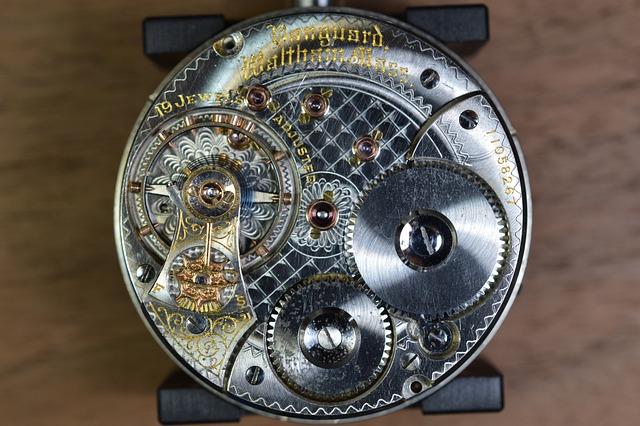
One of the key features of automatic watches is their intricate mechanical movements. The intricate gears and springs inside an automatic watch are a testament to the craftsmanship and precision that go into creating these timepieces. This blend of tradition and technology is what sets automatic watches apart and makes them a favorite among watch enthusiasts.
- Automatic watches offer the convenience of never having to worry about winding or battery replacements.
- The intricate mechanical movements of automatic watches showcase the craftsmanship and precision of traditional watchmaking.
- Automatic watches are a perfect blend of tradition and technology, appealing to those who appreciate both aspects.

Manual Watches: A Classic Choice for Watch Connoisseurs
When it comes to choosing a timepiece, watch connoisseurs often find themselves debating between automatic, manual, and quartz watches. Each type has its own unique appeal and characteristics that cater to different preferences. Manual watches, also known as hand-wound watches, are a classic choice that harkens back to the traditional craftsmanship of watchmaking.
One of the main attractions of manual watches is the ritual of winding them daily. This hands-on approach to keeping the watch running adds a sense of connection to the timepiece and allows the wearer to appreciate the intricate mechanics within. Manual watches are often favored by enthusiasts who value the artistry and heritage behind watchmaking.
Although manual watches require more maintenance compared to automatic or quartz watches, many connoisseurs appreciate the intimate relationship they develop with their timepiece through regular winding. The simplicity and elegance of a manual watch’s movement can be a delight for those who value craftsmanship and tradition in their accessories.

Quartz Watches: Precision and Reliability at an Affordable Price Point
When it comes to choosing a timepiece that combines precision, reliability, and affordability, quartz watches are often the top choice for many watch enthusiasts. Quartz watches are known for their accuracy, as they are powered by a quartz crystal that vibrates at a consistent frequency. This results in a watch that is highly precise, with minimal deviation in timekeeping.
One of the key advantages of quartz watches is their affordability. Compared to automatic and manual watches, quartz watches are typically more budget-friendly, making them accessible to a wide range of consumers. Despite their lower price point, quartz watches do not compromise on quality or performance, making them a popular choice for everyday wear.
In addition to their precision and affordability, quartz watches are also known for their low maintenance requirements. Unlike automatic watches, which require regular winding, or manual watches, which need to be manually wound every day, quartz watches operate on a battery, eliminating the need for regular maintenance. This makes quartz watches a convenient and hassle-free option for those looking for a reliable timepiece.
Durability and Maintenance: A Comparison of Three Timepiece Types
In the world of timepieces, there are three primary types that dominate the market: automatic, manual, and quartz watches. Each type has its own unique characteristics when it comes to durability and maintenance. Let’s take a closer look at how these three timepiece types compare in terms of longevity and care.
Automatic Watches:
- Known for their intricate mechanical movements, automatic watches are typically very durable and can last a lifetime if well maintained.
- Regular servicing and cleaning is recommended to ensure smooth operation and accuracy.
- Automatic watches may require more upkeep compared to quartz watches, but the craftsmanship and quality are often worth the extra effort.
Manual Watches:
- Similar to automatic watches, manual watches rely on mechanical movements for timekeeping.
- With proper care and regular winding, manual watches can also stand the test of time.
- Regular servicing is necessary to keep the movements in top condition and prevent wear and tear.
Quartz Watches:
- Quartz watches are known for their accuracy and low maintenance requirements.
- The battery in quartz watches needs to be replaced every couple of years, but otherwise, they are relatively hassle-free.
- Although not as intricate as automatic or manual watches, quartz watches are durable and can withstand everyday wear and tear.

Watchmaking Craftsmanship: Examining the Intricate details of each timepiece
When it comes to the craftsmanship of timepieces, there are three main types that stand out: automatic, manual, and quartz watches. Each one has its own unique qualities and intricacies that make them special in their own way.
Automatic Watches:
Automatic watches are known for their self-winding mechanism, powered by the natural motion of the wearer’s arm. They are considered the epitome of traditional watchmaking craftsmanship, with intricate gears and springs working together to keep time accurately.
Manual Watches:
Manual watches, on the other hand, require manual winding by the wearer to keep them running. While this may seem like a drawback to some, manual watches are appreciated for their connection to the past and the artistry involved in their construction.
Quartz Watches:
Quartz watches are powered by a battery and known for their accuracy and low maintenance. While they may not have the same mechanical complexity as automatic or manual watches, they are reliable timepieces that appeal to those looking for precision and convenience.

Price Point and Value: Which Type of Watch Gives You the Best Bang for Your Buck?
When it comes to choosing a watch that offers the best value for your money, it’s essential to consider the price point and the type of watch movement. Each type of watch – automatic, manual, and quartz – has its own set of benefits and drawbacks that can influence the overall value you get from your timepiece.
**Automatic Watches:**
– Offer a sophisticated and traditional appeal
– Require minimal maintenance due to self-winding mechanism
– Higher price point compared to quartz watches, but often seen as an investment piece
**Manual Watches:**
– Provide a connection to the watch through manual winding
– Often more affordable than automatic watches
– Require regular winding to maintain accuracy
**Quartz Watches:**
– Offer precision timekeeping with minimal maintenance required
– Typically more affordable than automatic and manual watches
– Lack the mechanical charm of automatic and manual watches
| Type of Watch | Price Range | Maintenance Level |
|---|---|---|
| Automatic | $$ – $$$$ | Low |
| Manual | $ – $$ | Medium |
| Quartz | $ – $$ | Low |
Ultimately, the best bang for your buck will depend on your personal preferences and lifestyle. If you value tradition and craftsmanship, an automatic or manual watch may be worth the investment. However, if you prioritize accuracy and affordability, a quartz watch might be the best choice for you. Consider your priorities and budget when choosing the right timepiece for your collection.

Design and Aesthetics: Comparing the Style of Automatic, Manual, and Quartz Watches
When it comes to watches, there are three main types that dominate the market: automatic, manual, and quartz. Each type has its own unique design and aesthetics that cater to different preferences and styles. Let’s take a closer look at the differences in style between these timepieces.
Automatic Watches:
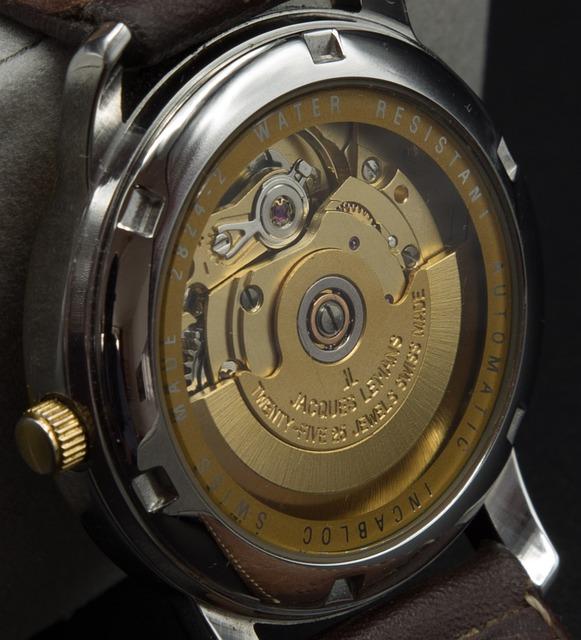
Automatic watches are known for their intricate design and craftsmanship. They often feature transparent case backs that showcase the intricate inner workings of the watch. The sweeping motion of the second hand is a signature feature of automatic watches, adding a touch of sophistication and luxury to the timepiece.
Manual Watches:
Manual watches, also known as hand-wound watches, have a classic and timeless design. They often feature slim cases and simple dials, giving them a sleek and understated look. The act of manually winding the watch gives a sense of connection to the timepiece, making it a favorite among watch enthusiasts.
Quartz Watches:
Quartz watches are known for their accuracy and reliability. They often have a more modern and minimalist design, with clean lines and simple dials. The battery-powered quartz movement ensures that the watch keeps precise time, making it a practical choice for everyday wear.

Accuracy and Precision: Which Timepiece Reigns Supreme?
When it comes to timepieces, accuracy and precision are crucial factors to consider. Each type of watch - automatic, manual, and quartz – has its own unique qualities that contribute to its performance. Let’s dive into the details to determine which timepiece truly reigns supreme.
Automatic Watch:
- Powered by the movement of your wrist, eliminating the need for battery replacements
- Known for its intricate craftsmanship and mesmerizing mechanical movements
- May require occasional adjustment due to its mechanical nature
Manual Watch:
- Requires manual winding to keep time accurately
- Often appreciated for its traditional and vintage appeal
- May be less accurate compared to quartz or automatic watches
Quartz Watch:
- Runs on a battery, ensuring precise timekeeping with minimal maintenance
- Known for its affordability and reliability
- Less complex than automatic or manual watches, resulting in high accuracy
| Watch Type | Accuracy | Precision |
| Automatic | Medium | High |
| Manual | Low | Medium |
| Quartz | High | High |

Resale Value and Collectibility: Factors to Consider when Choosing Your Next Watch Investment
When it comes to choosing a watch for investment purposes, there are several key factors to consider. One of the most important considerations is the resale value of the watch. Some watches hold their value better than others, making them a safer investment option. Additionally, the collectibility of a watch can greatly impact its resale value. Limited edition or rare watches are often more desirable to collectors, driving up their value over time.
Another factor to consider when choosing a watch for investment is the type of movement it has. Automatic, manual, and quartz movements each have their own unique characteristics that can impact a watch’s value and collectibility.
- Automatic Movement: Automatic watches are highly regarded for their craftsmanship and intricate mechanics. They are powered by the movement of the wearer’s wrist, making them a popular choice among watch enthusiasts.
- Manual Movement: Manual watches require the wearer to manually wind the watch to keep it running. While they may require more maintenance, manual watches are often prized for their traditional appeal and vintage charm.
- Quartz Movement: Quartz watches are powered by a battery, making them more accurate and low maintenance. While they may not have the same prestige as automatic or manual watches, quartz watches are often more affordable and practical for everyday wear.
Ultimately, the best watch for investment will depend on your personal preferences and budget. Whether you choose an automatic, manual, or quartz watch, selecting a timepiece with a strong resale value and collectibility is key to making a smart investment decision.
Closing Remarks
In conclusion, when it comes to deciding between automatic, manual, or quartz watches, it ultimately boils down to personal preference and lifestyle. Automatic watches offer timeless elegance and craftsmanship, manual watches provide a traditional touch with a bit of hands-on interaction, while quartz watches are highly accurate and reliable. Consider your priorities in terms of style, maintenance, and functionality before making your decision. Whichever timepiece you choose, remember that the best watch is the one that suits your individual needs and reflects your personal taste. Ultimately, in the debate of Automatic vs Manual vs Quartz Watch, the reign of supremacy lies in the eyes of the wearer. Choose wisely and enjoy your timepiece!
Get our latest guides, news, and insights highlighted in your Google Search & AI Overviews.