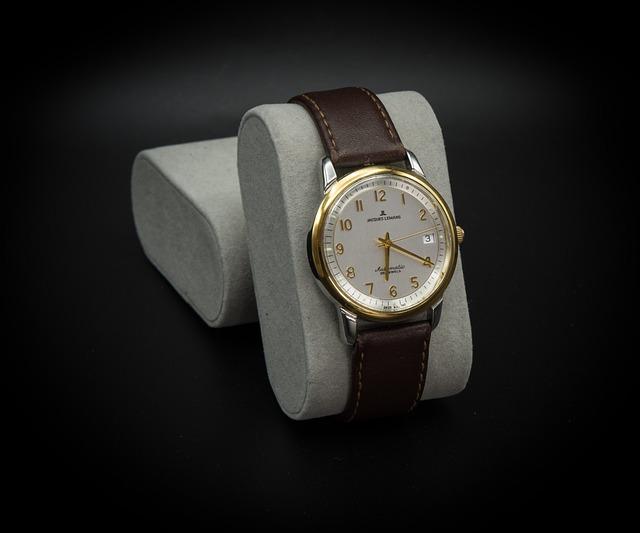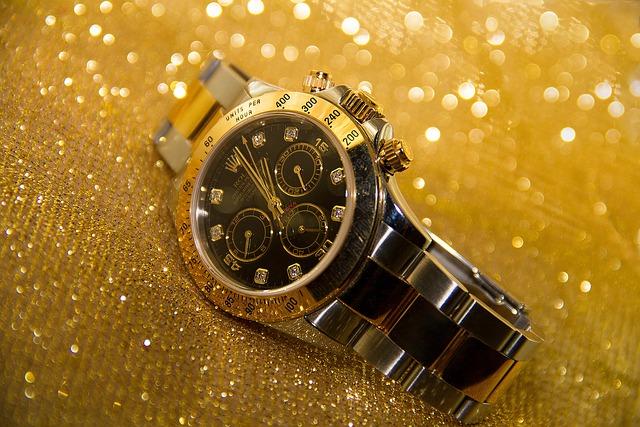
Automatic Watch vs Solar: Decoding the Power Source Battle!
Are you torn between choosing an automatic watch or a solar-powered timepiece? The battle of power sources in watches has been ongoing for years, but fear not – we’re here to decode the differences for you. Join us as we explore the pros and cons of automatic and solar watches to help you make an informed decision on which one is right for you.
Contents
- Automatic Watch Overview
- Pros and Cons of Automatic Watches
- Solar Watch Technology Explained
- Advantages and Disadvantages of Solar Watches
- Factors to Consider When Choosing Between Automatic and Solar Watches
- Comparing the Maintenance of Automatic and Solar Watches
- Environmental Impact: Automatic vs Solar Watches
- Which Watch Type is Right for You?
- Final Verdict: Making the Decision Between Automatic and Solar Watches
- In Conclusion
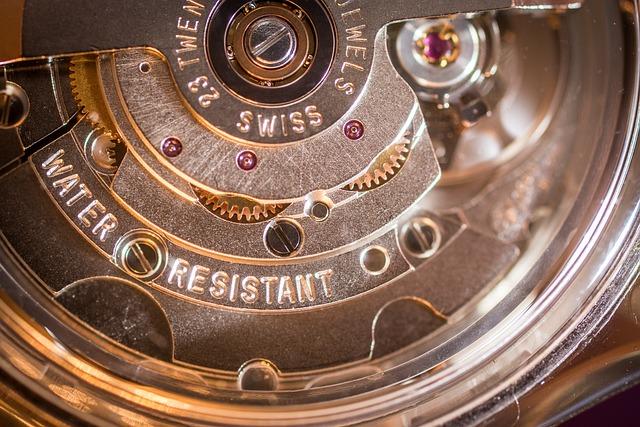
Automatic Watch Overview
When it comes to choosing between an automatic watch and a solar-powered one, the battle of power sources is a common debate among watch enthusiasts.
Automatic Watches:
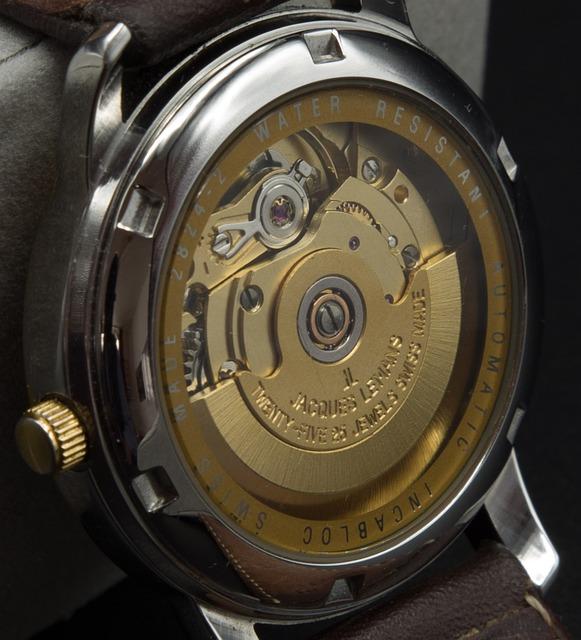
- Utilize the movement of the wearer’s wrist to power the timepiece
- Require regular wear or a watch winder to ensure consistent power supply
- Known for their intricate craftsmanship and traditional appeal
- Popular among collectors for their mechanical complexity and timeless design
Solar-Powered Watches:
- Harness energy from natural or artificial light sources to recharge the battery
- Offer a more eco-friendly and low-maintenance alternative to traditional automatic watches
- Ideal for outdoor enthusiasts or individuals who prefer a hassle-free timepiece
- Increasing in popularity due to advancements in solar technology and sleek, modern designs
In the end, the choice between an automatic watch and a solar-powered one comes down to personal preference and lifestyle. Whether you appreciate the mechanical beauty of an automatic movement or the convenience of a solar-powered battery, both options offer unique features and benefits for watch enthusiasts to enjoy.
Pros and Cons of Automatic Watches
When it comes to choosing between an automatic watch and a solar-powered one, there are certain factors to consider in order to make an informed decision.
Pros of Automatic Watches:
- Traditional Appeal: Automatic watches have a classic and timeless appeal that many watch enthusiasts appreciate.
- No Battery Changes: Since automatic watches are powered by the natural motion of the wearer’s wrist, there’s no need to constantly change batteries.
- Craftsmanship: Automatic watches are often crafted with intricate movements and high-quality materials, showcasing the artistry and skill of watchmakers.
Cons of Automatic Watches:
- Requires Regular Wearing: Automatic watches need to be worn regularly to keep them running efficiently, as they rely on movement to stay powered.
- Cost: Automatic watches can be more expensive than their solar-powered counterparts due to the intricate mechanisms and craftsmanship involved.
- Maintenance: Automatic watches may require periodic servicing and maintenance to ensure they continue to function properly over time.
Solar Watch Technology Explained
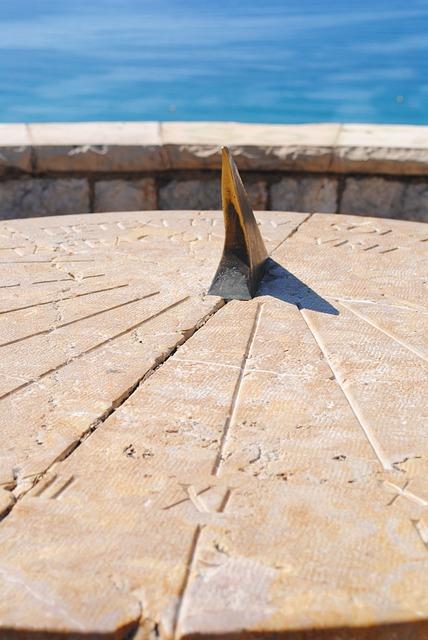
Solar watch technology has revolutionized the way we think about timepieces, offering a sustainable and eco-friendly alternative to traditional automatic watches. Unlike automatic watches that rely on winding or movement to generate power, solar watches harness the power of sunlight to keep ticking.
One of the key benefits of solar watches is their longevity and reliability. With proper exposure to sunlight, a solar watch can last for years without needing a battery replacement. This makes them ideal for everyday wear and a hassle-free option for those who don’t want to deal with the maintenance of an automatic watch.
Additionally, solar watches are versatile and can be charged both indoors and outdoors, making them a practical choice for individuals with varying lifestyles. The convenience of never having to worry about running out of power is a game-changer for many watch enthusiasts.
When it comes to style and design, solar watches come in a wide range of options to suit different preferences. From bold and sporty designs to classic and elegant timepieces, there is a solar watch for every taste. So, whether you’re an outdoor enthusiast or a fashion-forward individual, there’s no denying the appeal of solar watch technology in today’s world.

Advantages and Disadvantages of Solar Watches
When it comes to choosing between an automatic watch and a solar watch, one of the key factors to consider is the power source. Solar watches harness the power of the sun to keep ticking, while automatic watches rely on mechanical movements. Let’s dive into the to help you make an informed decision.
Advantages:
- Eco-friendly: Solar watches are powered by renewable energy, making them environmentally friendly.
- Low maintenance: With no batteries to replace, solar watches require minimal maintenance.
- Long-lasting: Solar watches have a long battery life and can keep ticking for years without needing a replacement.
Disadvantages:
- Dependent on sunlight: Solar watches need exposure to sunlight to recharge, which can be a limitation in cloudy or indoor settings.
- Initial cost: Solar watches may have a higher upfront cost compared to traditional battery-powered watches.
- Complexity: The technology behind solar watches can be more intricate, leading to potential repair challenges.

Factors to Consider When Choosing Between Automatic and Solar Watches
When choosing between automatic and solar watches, there are several key factors to consider in order to make an informed decision. Both types of timepieces have their own unique advantages and it ultimately boils down to personal preference. Here are some important considerations to keep in mind:
– **Power Source**: One of the most significant differences between automatic and solar watches is their power source. Automatic watches are powered by the movement of the wearer’s wrist, while solar watches rely on sunlight to recharge. Consider how often you wear your watch and if you have regular access to sunlight when deciding between the two.
- **Maintenance**: Automatic watches require regular maintenance to keep them running smoothly, such as periodic winding and servicing. On the other hand, solar watches are generally low maintenance and only require occasional exposure to sunlight to keep the battery charged. Think about how much time and effort you are willing to invest in the upkeep of your watch.
– **Accuracy**: Automatic watches are known for their craftsmanship and traditional appeal, but they may not always be as accurate as their quartz counterparts. Solar watches, on the other hand, are powered by quartz movements and are known for their precise timekeeping. Consider whether accuracy is a top priority for you when choosing a watch.
In conclusion, when choosing between automatic and solar watches, it’s important to weigh the pros and cons of each type in order to find the best fit for your lifestyle and preferences. Whether you prefer the timeless elegance of an automatic watch or the convenience of a solar-powered timepiece, there is a watch out there that is perfect for you.
Comparing the Maintenance of Automatic and Solar Watches
When it comes to the maintenance of automatic and solar watches, there are some key differences to consider. Automatic watches rely on the movement of the wearer’s wrist to keep them powered. This means that if you don’t wear your automatic watch regularly, it may stop running and require manual winding to start again. On the other hand, solar watches are powered by light, so as long as they are exposed to sunlight or artificial light, they will continue to work without needing any winding.
In terms of battery life, automatic watches typically have a power reserve of around 24-48 hours. This means that if you don’t wear your automatic watch for a couple of days, it may stop running and require manual winding. Solar watches, on the other hand, have a much longer battery life and can typically last for months or even years without needing any maintenance.
When it comes to servicing, both automatic and solar watches require regular maintenance to ensure they continue to function properly. Automatic watches should be serviced every 3-5 years to ensure that the movement is working correctly and to prevent any potential issues. Similarly, solar watches should be checked every few years to make sure that the solar panel is still functioning properly and to replace the battery if needed.
In conclusion, the choice between an automatic and a solar watch ultimately comes down to personal preference and lifestyle. If you prefer a classic timepiece that requires regular winding and servicing, an automatic watch may be the right choice for you. On the other hand, if you want a low-maintenance option that can last for years without needing any upkeep, a solar watch may be the better option.
Environmental Impact: Automatic vs Solar Watches
When it comes to choosing between an automatic watch and a solar-powered watch, one important factor to consider is their environmental impact. Both types of watches have their own unique benefits and drawbacks in terms of energy consumption and sustainability.
Automatic watches rely on the movement of the wearer’s arm to power the watch, while solar watches harness the power of the sun to recharge their batteries. Here are some key points to consider when comparing the environmental impact of automatic versus solar watches:
- Energy Consumption: Automatic watches do not require any external power source other than the movement of the wearer, making them a more sustainable option in terms of energy consumption.
- Battery Life: Solar watches have a longer battery life as they can be recharged using sunlight, while automatic watches may need to be manually wound or have their batteries replaced periodically.
- Manufacturing Process: The manufacturing process of both types of watches involves the use of materials that may have varying levels of environmental impact, such as metal, plastic, and glass.
| Automatic Watch | Solar Watch |
|---|---|
| Relies on the movement of the wearer to power | Uses sunlight to recharge the battery |
| May need periodic battery replacements | Longer battery life |
| Does not rely on external power source | Environmentally friendly recharging |

Which Watch Type is Right for You?
When it comes to choosing the right watch for you, one of the biggest decisions you’ll need to make is what type of power source you prefer. Two popular options on the market are automatic watches and solar-powered watches. Each has its own set of benefits and drawbacks, so it’s important to understand the differences between them before making a decision.
Automatic Watches:
- Powered by the movement of your wrist
- No battery replacement needed
- May require regular winding to keep accurate time
Solar-Powered Watches:
- Powered by sunlight or artificial light
- No battery replacement needed
- Environmentally friendly option
Ultimately, the right watch type for you will depend on your lifestyle and preferences. If you’re someone who enjoys the tradition and craftsmanship of a mechanical watch, an automatic watch may be the perfect choice for you. On the other hand, if you’re looking for a low-maintenance option that is also eco-friendly, a solar-powered watch could be the ideal fit. Consider your priorities and make the decision that aligns best with your values and needs.
Final Verdict: Making the Decision Between Automatic and Solar Watches
In the battle between automatic and solar watches, each type has its own unique set of advantages and disadvantages. Let’s break it down to help you make an informed decision on which type of watch is right for you:
Accuracy:
- Automatic Watch: While automatic watches can be highly accurate, they may lose a few seconds a day due to their mechanical movements.
- Solar Watch: Solar watches are known for their precision as they are powered by a quartz movement, which ensures accurate timekeeping.
Environmental Impact:
- Automatic Watch: These watches do not rely on batteries, making them more environmentally friendly in the long run.
- Solar Watch: Solar watches are powered by light, making them a sustainable option that reduces the need for disposable batteries.
Power Reserve:
- Automatic Watch: These watches need to be worn consistently or put on a watch winder to maintain power reserve.
- Solar Watch: Solar watches have the advantage of having a long power reserve when fully charged, eliminating the need for constant maintenance.
Ultimately, the decision between automatic and solar watches comes down to personal preference and lifestyle. Consider your priorities in terms of accuracy, environmental impact, and convenience to choose the timepiece that best suits your needs.
In Conclusion
In conclusion, when choosing between an automatic watch and a solar-powered watch, there are several key factors to consider. Automatic watches offer a traditional and classic appeal, while solar-powered watches are more environmentally friendly and require less maintenance. Ultimately, the decision comes down to personal preference and lifestyle. Whichever option you choose, both types of watches are reliable and functional timepieces that showcase advanced technology in the world of horology. So, whether you opt for the timeless elegance of an automatic watch or the modern convenience of a solar-powered timepiece, you can rest assured that you’re making a stylish and practical choice.
Get our latest guides, news, and insights highlighted in your Google Search & AI Overviews.