Mechanical vs Quartz Pocket Watch: Exploring Timekeeping Precision
Welcome to our exploration of the age-old debate between mechanical and quartz pocket watches, and the precision of timekeeping that each offers. Delving into the intricate workings of these two timepieces, we aim to uncover the differences in accuracy and reliability that set them apart. Join us as we unravel the mechanisms behind these stunning devices and shed light on which may be the better choice for your journey through time.
Contents
- Mechanical Movement: The Art of Watchmaking
- Quartz Movement: The Modern Timekeeping Revolution
- Accuracy Comparison: Breaking Down Precision Levels
- Maintenance Costs: Analyzing Long-Term Investment
- Heritage and Prestige: The Appeal of Mechanical Pocket Watches
- Convenience and Reliability: The Advantages of Quartz Pocket Watches
- Recommendation: Finding the Perfect Balance of Style and Function
- The Conclusion
Mechanical Movement: The Art of Watchmaking
Mechanical Pocket Watches:
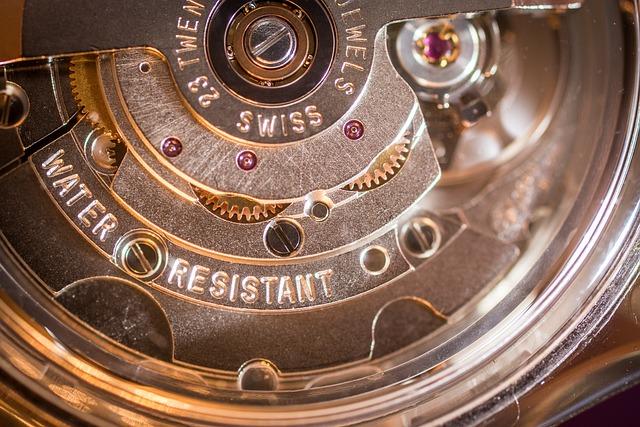
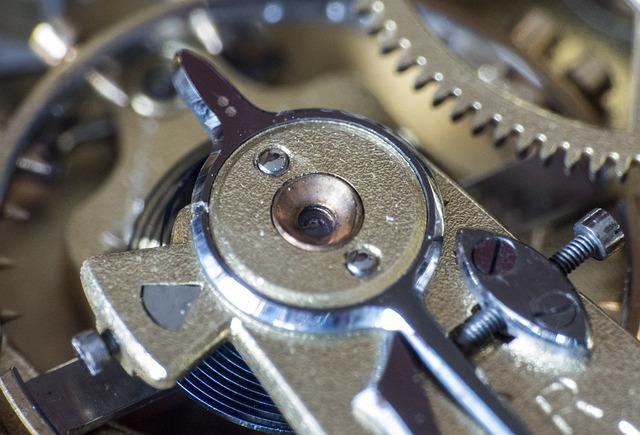
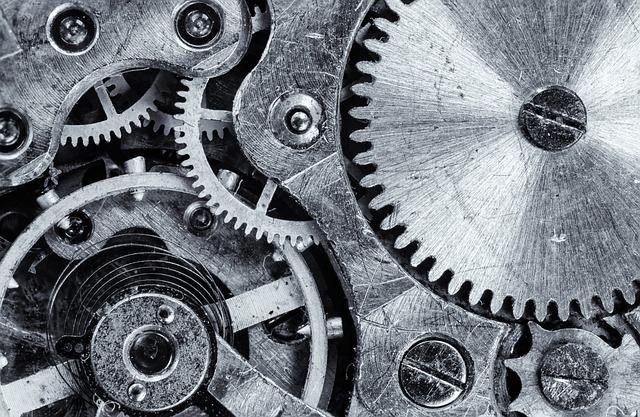
When it comes to pocket watches, enthusiasts often find themselves faced with the decision between a mechanical or quartz movement. Mechanical pocket watches are a marvel of craftsmanship, with intricate gears and springs working together to keep time ticking seamlessly. These watches are powered by winding a small crown on the side of the watch, which transfers energy to the mainspring that drives the movement.
Quartz Pocket Watches:
On the other hand, quartz pocket watches utilize a battery-powered quartz crystal to maintain time accuracy. These watches are known for their precision and reliability, as the crystal oscillates at a consistent frequency to regulate timekeeping. Quartz pocket watches require minimal maintenance, making them a popular choice for those looking for a hassle-free timepiece.
Exploring Timekeeping Precision:
- Mechanical pocket watches often require regular winding to maintain accuracy.
- Quartz pocket watches are known for their extreme precision, with a deviation of only a few seconds per month.
- Both types of pocket watches have their own unique charm and appeal to collectors and enthusiasts.
| Feature | Mechanical Pocket Watch | Quartz Pocket Watch |
|---|---|---|
| Power Source | Manual winding | Battery-powered |
| Accuracy | Slightly less precise | Extremely precise |
| Maintenance | Regular winding required | Minimal maintenance |

Quartz Movement: The Modern Timekeeping Revolution
When it comes to the world of timekeeping, the debate between mechanical and quartz pocket watches has been ongoing for years. While both have their own unique charm and appeal, the invention of quartz movement has brought about a revolution in modern timekeeping.
One of the key advantages of quartz movement is its unparalleled precision. Unlike mechanical watches, which rely on intricate gears and springs to keep time, quartz watches operate using a vibrating quartz crystal. This crystal oscillates at a consistent frequency, resulting in incredibly accurate timekeeping.
Another benefit of quartz movement is its low maintenance requirements. Unlike mechanical watches, which often require regular winding and servicing, quartz watches are powered by a small battery that can last for years before needing to be replaced.
While some may argue that mechanical watches have a certain allure and craftsmanship that quartz watches lack, there is no denying the practicality and precision of quartz movement in the world of modern timekeeping.

Accuracy Comparison: Breaking Down Precision Levels
When it comes to timekeeping precision, the debate between mechanical and quartz pocket watches has been ongoing for years. Let’s break down the accuracy levels of these two types of timepieces to see which one comes out on top.
Mechanical Pocket Watches:
- Powered by manual winding or self-winding mechanisms
- Accuracy can vary depending on the quality of the movement
- Tend to lose or gain a few seconds per day
Quartz Pocket Watches:
- Run on battery-powered quartz crystal oscillators
- Known for their exceptional accuracy
- Typically only lose or gain a few seconds per month
While mechanical pocket watches have a certain charm and craftsmanship, quartz pocket watches have the upper hand when it comes to accuracy. If precision is your top priority, a quartz pocket watch might be the better choice for you. However, if you appreciate the artistry and tradition of mechanical timepieces, then a mechanical pocket watch could be the perfect accessory for you.

Maintenance Costs: Analyzing Long-Term Investment
Mechanical pocket watches are renowned for their craftsmanship and intricate movements that showcase a true mastery of horology. These timepieces are powered by a series of gears and springs that work in harmony to keep accurate time. On the other hand, quartz pocket watches rely on a battery-operated quartz crystal to regulate the movement of the watch hands.
When it comes to timekeeping precision, quartz pocket watches are known for their unparalleled accuracy. The quartz crystal oscillates at a consistent frequency, allowing for precise timekeeping down to the second. In contrast, mechanical pocket watches may require periodic adjustments to maintain accuracy due to factors such as temperature changes and wear on the movement.
One key factor to consider when comparing mechanical and quartz pocket watches is the long-term maintenance costs. Mechanical pocket watches typically require regular servicing by a skilled watchmaker to ensure proper functioning and longevity. This can involve intricate repairs and adjustments to the movement, which can result in higher maintenance costs over time. On the other hand, quartz pocket watches are generally more low-maintenance and may only require a battery replacement every few years.
In conclusion, when exploring timekeeping precision and long-term investment, it’s essential to weigh the craftsmanship and tradition of mechanical pocket watches against the accuracy and convenience of quartz pocket watches. Ultimately, the choice between mechanical and quartz pocket watches will depend on personal preference, budget, and desired level of maintenance.

Heritage and Prestige: The Appeal of Mechanical Pocket Watches
When it comes to pocket watches, the debate between mechanical and quartz movements has been ongoing for years. Mechanical pocket watches have a timeless appeal, drawing on centuries of heritage and prestige. Their intricate craftsmanship and meticulous engineering showcase a level of detail and artistry that is hard to match.
One of the main advantages of mechanical pocket watches is their ability to capture the essence of traditional timekeeping. The intricate gears and springs inside a mechanical movement work together to keep accurate time, showcasing the skilled craftsmanship of watchmakers. This level of precision and attention to detail is what sets mechanical pocket watches apart from their quartz counterparts.
Quartz pocket watches, on the other hand, offer a more modern and convenient approach to timekeeping. Powered by a battery, quartz movements provide accurate timekeeping with minimal maintenance required. While they may lack the heritage and prestige of mechanical pocket watches, quartz movements are known for their reliability and precision.
Ultimately, the choice between a mechanical and quartz pocket watch comes down to personal preference. Whether you value the timeless appeal of mechanical craftsmanship or the modern convenience of quartz technology, both types of pocket watches have their own unique allure.

Convenience and Reliability: The Advantages of Quartz Pocket Watches
Quartz pocket watches offer a level of convenience and reliability that is unmatched by their mechanical counterparts. The use of quartz crystals to regulate timekeeping eliminates the need for manual winding, making them an effortless accessory to incorporate into your daily routine.
With quartz pocket watches, you can trust in their precision and accuracy. The quartz crystal oscillates at a consistent frequency, ensuring that your watch keeps perfect time with minimal maintenance required. This reliability is especially important for those who rely on their watches for time-sensitive tasks or events.
In addition to their timekeeping precision, quartz pocket watches are also known for their durability. The electronic components used in quartz movements are less susceptible to wear and tear compared to the intricate gears and springs found in mechanical watches. This durability ensures that your quartz pocket watch will continue to function effectively for years to come.
Recommendation: Finding the Perfect Balance of Style and Function
When it comes to choosing a pocket watch, one of the key decisions you’ll need to make is whether to opt for a mechanical or quartz timepiece. Both types of watches have their own unique characteristics and appeal, but finding the perfect balance of style and function will ultimately depend on your personal preferences and needs.
Mechanical Pocket Watches:
- Hand-wound mechanism that requires regular winding
- Traditional and classic design
- Often considered more luxurious and prestigious
- May have a visible movement through a skeleton case
Quartz Pocket Watches:
- Battery-powered movement that requires minimal maintenance
- Accurate timekeeping with minimal room for error
- Modern and contemporary design
- Lightweight and durable construction
| Aspect | Mechanical | Quartz |
|---|---|---|
| Accuracy | Varies and may require regular adjustments | Precise and reliable timekeeping |
| Maintenance | Regular winding and servicing needed | Minimal maintenance required |
| Design | Traditional and classic | Modern and contemporary |
Ultimately, the choice between a mechanical or quartz pocket watch comes down to your personal style preferences and how involved you want to be in maintaining your timepiece. Whether you opt for the timeless elegance of a mechanical watch or the modern convenience of a quartz watch, finding the perfect balance of style and function is key to selecting the perfect pocket watch for you.
The Conclusion
In conclusion, when it comes to choosing between a mechanical and quartz pocket watch, it ultimately comes down to personal preference and intended use. Mechanical watches offer a timeless charm and craftsmanship, while quartz watches provide superior accuracy and convenience. Regardless of which you choose, both types of pocket watches have their own unique qualities that appeal to different individuals. Ultimately, it is important to consider your priorities in terms of precision, maintenance, and aesthetic when making a decision. Whichever option you go with, you can rest assured that you will have a reliable timepiece that suits your needs. Thank you for exploring the nuances of timekeeping precision with us.
Get our latest guides, news, and insights highlighted in your Google Search & AI Overviews.