Basic Parts of a Mechanical Watch: Understanding Timepiece Components
When it comes to timeless style and precision engineering, nothing quite compares to a mechanical watch. These intricate timepieces are made up of a variety of components that work together seamlessly to keep track of time with unparalleled accuracy. In this article, we will delve into the basic parts of a mechanical watch, shedding light on the inner workings of these beautiful and practical accessories. Whether you’re a seasoned watch enthusiast or just beginning to explore the world of horology, understanding the components of a mechanical watch is essential for appreciating the craftsmanship that goes into each piece. Let’s take a closer look at what makes these timepieces tick.
Contents
- – The Anatomy of a Mechanical Watch: Breaking Down the Components
- – Understanding the Movement: The Heart of a Mechanical Timepiece
- – Dive into the Dial: Exploring the Face of Your Watch
- Basic Parts of a Mechanical Watch
- – Delving into the Case: Protection and Style Combined
- – What Makes Up the Strap: Comfort and Functionality
- – The Function of the Crown: Controlling Your Watch’s Features
- – The Importance of the Crystal: Durability and Clarity
- – Unveiling the Hands: Telling Time with Precision
- – The Role of the Bezel: Adding Functionality and Style
- – Exploring Additional Features: From Complications to Subdials
- To Wrap It Up
– The Anatomy of a Mechanical Watch: Breaking Down the Components
In the intricate world of mechanical watches, there are several key components that work together to keep time ticking accurately. Understanding the anatomy of a mechanical watch can provide insight into how these timepieces are crafted and maintained. Here, we break down the basic parts that make up a mechanical watch:
Movement: The heart of a mechanical watch, the movement is a complex mechanism that powers the watch and regulates timekeeping. There are two main types of movements: manual and automatic. Manual movements require winding by hand, while automatic movements are self-winding through the motion of the wearer’s wrist.
Related: Basic Mechanical Watch Guide: Navigating the Essentials of Timepieces
Related: Parts of Mechanical Watch: Exploring the Components of Timekeeping
Dial: The face of the watch where the time is displayed, the dial can come in various designs and colors. It typically features hour markers, hands, and sometimes additional functions like date or chronograph complications.
Case: The outer shell of the watch that houses the movement and protects it from external elements. Cases can be made of various materials such as stainless steel, gold, or titanium, and come in different shapes and sizes.
- Crystal: The transparent cover that protects the dial and movement from dust, water, and scratches. Crystals can be made of different materials like sapphire, mineral glass, or acrylic, each with varying levels of scratch resistance and durability.

– Understanding the Movement: The Heart of a Mechanical Timepiece
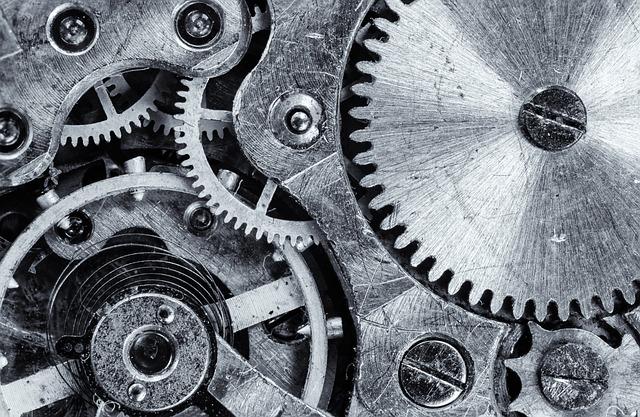
When it comes to understanding the inner workings of a mechanical timepiece, it’s essential to familiarize yourself with the basic parts that make up the movement. These components work together seamlessly to power the watch and keep time accurately. Let’s delve into the heart of a mechanical watch and explore the essential parts that make it tick:

- Mainpring: stores energy to power the watch
- Balance Wheel: regulates the timekeeping accuracy
- Escapement: controls the release of energy from the mainspring
- Gears: transmit the energy from the mainspring to the hands of the watch
Each of these components plays a crucial role in the movement of a mechanical timepiece. Understanding how they interact with each other can deepen your appreciation for the craftsmanship that goes into creating a high-quality watch. The intricate dance of these parts is what sets mechanical watches apart from their quartz counterparts, making them a true marvel of engineering.

– Dive into the Dial: Exploring the Face of Your Watch
Basic Parts of a Mechanical Watch
When you dive into the dial of a watch, you are exploring the intricate components that come together to keep time ticking smoothly. Understanding the different parts of a mechanical watch can give you a deeper appreciation for the craftsmanship and precision involved in creating these timepieces.
Here are some key components to look out for when exploring the face of your watch:
- Dial: The dial is the face of the watch, displaying the time and other complications such as the date or moon phase.
- Hands: The hands are the markers that indicate the hours, minutes, and seconds on the dial.
- Case: The case holds all the internal components of the watch and protects them from external elements.
- Crown: The crown is used to set the time and date on the watch by winding or pulling it out to adjust the hands.
| Component | Function |
|---|---|
| Dial | Displays the time and other complications |
| Hands | Indicate hours, minutes, and seconds |
| Case | Holds internal components and protects them |
| Crown | Used to set time and date |
By familiarizing yourself with the basic parts of a mechanical watch, you can gain a deeper understanding of how these intricate timepieces work and the craftsmanship that goes into creating them.

– Delving into the Case: Protection and Style Combined
When it comes to the inner workings of a mechanical watch, understanding the basic components is key to appreciating its craftsmanship and functionality. From the intricate movements to the protective case, each part plays a crucial role in keeping time accurately and looking stylish.
The main parts of a mechanical watch include:
- Movement: The heart of the watch, responsible for keeping time through a series of gears and springs.
- Dial: The face of the watch where the time is displayed, often adorned with markers and hands for easy reading.
- Case: The outer shell that holds all the components together, protecting the watch from damage and adding to its aesthetic appeal.
- Crystal: The transparent cover that sits on top of the dial, usually made of sapphire or mineral glass for durability.
By delving into the case of a mechanical watch, you can see how protection and style are combined to create a timepiece that is both functional and visually appealing. From the intricate movements inside to the elegant design on the outside, each component works together to make a watch that is truly a work of art.

– What Makes Up the Strap: Comfort and Functionality
The strap of a mechanical watch plays a crucial role in both comfort and functionality. It is the part that secures the watch to your wrist, so it needs to be durable and comfortable to wear for long periods of time. When it comes to comfort, the material of the strap is key. Leather, rubber, and stainless steel are common options that provide different levels of comfort and style.
In terms of functionality, the strap should also be easy to adjust to fit your wrist properly. This can be achieved through different mechanisms such as a buckle, a deployment clasp, or a push-button release. Additionally, some straps come with quick-release pins that allow you to easily change the strap to match your outfit or mood.
Overall, a well-designed strap combines both comfort and functionality to enhance the overall wearing experience of a mechanical watch. Whether you prefer a classic leather strap or a modern stainless steel bracelet, choosing the right strap will ensure that your timepiece not only looks good but also feels good on your wrist.
– The Function of the Crown: Controlling Your Watch’s Features
The crown of a mechanical watch serves as a crucial component in controlling various features of the timepiece. By understanding how to properly use the crown, you can make adjustments to the watch’s functions with ease. Here are some key functions that the crown enables you to perform:
– **Setting the Time**: By pulling out the crown to different positions, you can adjust the time displayed on your watch. This allows you to ensure that your watch is always accurate and in sync with your daily activities.
– **Adjusting the Date**: Some watches come equipped with a date function that can be adjusted using the crown. By turning the crown in a certain direction, you can change the date displayed on the watch dial.
– **Winding the Watch**: For manual-wind mechanical watches, the crown can be used to wind the mainspring and keep the watch running smoothly. By turning the crown clockwise, you can provide the necessary energy for the watch to function.
In summary, the crown plays a vital role in controlling the various features of a mechanical watch. By familiarizing yourself with how to use the crown effectively, you can enhance your overall experience with your timepiece.
– The Importance of the Crystal: Durability and Clarity
The crystal of a mechanical watch plays a crucial role in its overall durability and clarity. Understanding the importance of this component can help you appreciate the craftsmanship that goes into creating a timepiece.
**Durability**: The crystal is the protective covering that sits on top of the watch face. It is typically made of either mineral or sapphire crystal. Mineral crystal is more prone to scratches and cracks, while sapphire crystal is highly scratch-resistant and durable. Choosing a watch with a sapphire crystal will ensure that your timepiece remains in pristine condition for years to come.
**Clarity**: The quality of the crystal also impacts the clarity of the watch face. A high-quality crystal will be clear and transparent, allowing you to easily read the time and other complications on the dial. A good crystal will also have anti-reflective coating to reduce glare and improve visibility in different lighting conditions.
In summary, the crystal of a mechanical watch is a vital component that enhances both its durability and clarity. Investing in a timepiece with a high-quality crystal will ensure that you enjoy its beauty and functionality for a long time.
– Unveiling the Hands: Telling Time with Precision
In a mechanical watch, the hands play a crucial role in telling time with precision. These small, intricate components are vital in the functionality of the timepiece. Understanding the basic parts of a mechanical watch can give you a deeper appreciation for the craftsmanship behind these intricate devices.
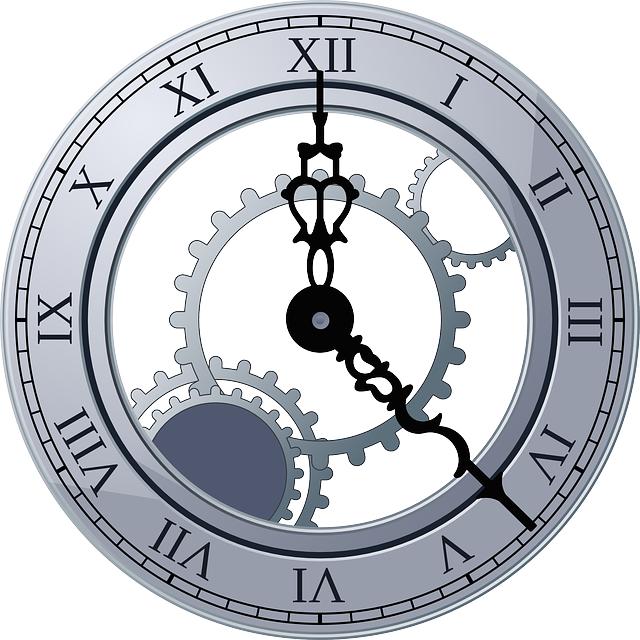
– The hour hand: This hand indicates the current hour on the watch face. It moves gradually as time passes, pointing to the corresponding number on the hour markers.
– The minute hand: The longer of the two hands, the minute hand works in conjunction with the hour hand to accurately display the minutes that have passed since the start of the hour.
– The second hand: Often the smallest and thinnest hand on the watch face, the second hand measures the passage of seconds in real-time, ticking in a continuous motion around the dial.
– The hands’ design: The shape, size, and style of the hands can vary greatly depending on the watch’s design. From sleek and modern to classic and ornate, the hands contribute to the overall aesthetic of the timepiece.
– The Role of the Bezel: Adding Functionality and Style
The bezel of a mechanical watch plays a crucial role in both adding functionality and enhancing the overall style of the timepiece. This often-overlooked component serves multiple purposes beyond just aesthetics.
One of the primary functions of the bezel is to protect the watch crystal from scratches and other damages. By creating a barrier between the crystal and external elements, the bezel helps ensure the longevity and durability of the watch.
In addition to its protective role, the bezel can also serve as a tool for measuring elapsed time. Some watches feature bezels with markings or a rotating mechanism that allows users to track specific time intervals, such as dive times or cooking durations. This added functionality can be especially useful for individuals who rely on their watches for more than just telling time.
Overall, the bezel is a versatile component that not only adds a touch of design flair to a watch but also provides practical benefits for everyday use. Whether you’re looking for a stylish accessory or a reliable timekeeping tool, the bezel is an essential part of any mechanical watch that shouldn’t be overlooked.
– Exploring Additional Features: From Complications to Subdials
When it comes to mechanical watches, there are several additional features that can enhance the functionality and aesthetics of the timepiece. One of these features is **complications**, which are extra functions beyond the basic timekeeping of hours, minutes, and seconds. Complications can include features such as calendars, moon phases, chronographs, and alarms, adding both practicality and visual interest to the watch.
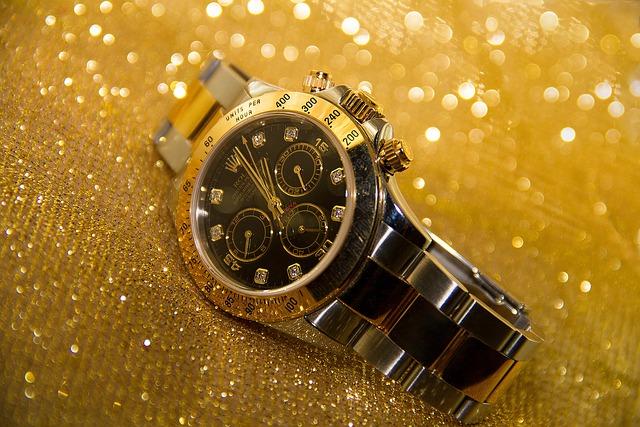
Another important feature of mechanical watches is **subdials**. Subdials are smaller dials within the main dial of the watch that display additional information, such as the date, day of the week, or a second time zone. Subdials not only provide useful information at a glance but also add a sense of complexity and depth to the watch’s design.
Exploring these additional features can give you a deeper appreciation for the craftsmanship and complexity of mechanical watches. Whether you are drawn to the practicality of complications or the visual appeal of subdials, understanding these components can help you choose a watch that suits your style and needs. So next time you’re looking at a mechanical watch, take a closer look at the complications and subdials to truly appreciate the artistry behind these timepieces.
To Wrap It Up
In conclusion, understanding the basic parts of a mechanical watch can help you appreciate the intricate craftsmanship that goes into creating these timeless timepieces. From the movement and dial to the case and strap, each component plays a crucial role in keeping your watch accurate and stylish. By familiarizing yourself with these key elements, you can better care for and enjoy your mechanical watch for years to come. Remember, a well-maintained watch is a reliable companion that will always keep you on time.
Get our latest guides, news, and insights highlighted in your Google Search & AI Overviews.