How Much Winding Automatic Watch? Learn More!
Are you curious about how much winding your automatic watch actually needs? Look no further! In this article, we will delve into the fascinating world of automatic watches and explore the best practices for keeping your timepiece running smoothly. Whether you’re a seasoned watch enthusiast or just starting out, you’ll learn everything you need to know about maintaining your beloved automatic watch. So sit back, relax, and let’s uncover the secrets of watch winding together!
Contents
- – Understanding the Importance of Winding Your Automatic Watch
- – Different Methods for Winding Your Automatic Watch
- – Benefits of Properly Winding Your Automatic Watch
- – Common Misconceptions About Winding Automatic Watches
- – Factors to Consider When Determining How Much to Wind Your Automatic Watch
- – How Overwinding Can Affect Your Automatic Watch
- – Tips for Properly Winding Your Automatic Watch
- – Frequency of Winding Your Automatic Watch
- – Expert Recommendations for Winding Your Automatic Watch
- Closing Remarks
– Understanding the Importance of Winding Your Automatic Watch
It is essential to understand the significance of winding your automatic watch to ensure its proper functioning and longevity. By winding your watch regularly, you can maintain its accuracy and prevent any potential issues that may arise from neglecting this crucial step.
But how much winding is enough for your automatic watch? The answer may vary depending on the specific model and brand, but generally, it is recommended to wind your watch at least once a day to keep it running smoothly. Overwinding can be damaging to the mechanism, so it is important to be mindful of not overdoing it.
Regular winding not only keeps your watch ticking, but it also helps distribute the lubricants evenly throughout the movement, reducing the risk of wear and tear. Additionally, it allows you to appreciate the craftsmanship and intricacies of your timepiece, enhancing your overall ownership experience.
By taking the time to understand the importance of winding your automatic watch and following the recommended guidelines, you can enjoy your timepiece to its fullest potential for years to come. Remember, a well-maintained watch is not just a functional accessory but also a timeless piece of art.
– Different Methods for Winding Your Automatic Watch
When it comes to winding your automatic watch, there are a few different methods you can use depending on your watch and personal preference. One popular method is manual winding, where you turn the crown of the watch clockwise until you feel resistance. This method is typically used when your watch has stopped running and needs to be started again.
Another method is wearing your watch daily, as the natural motion of your wrist will keep the watch wound. This is particularly effective for individuals with an active lifestyle who wear their watch for most of the day. However, if you don’t wear your watch every day or if you have multiple watches in rotation, it’s important to periodically wind your automatic watch to ensure it stays running smoothly.
For those who prefer a more hands-off approach, investing in a watch winder can be a convenient solution. A watch winder is a device that holds your watch and rotates it at regular intervals to keep it wound. This is a great option for individuals with multiple watches or for those who travel frequently and want to ensure their automatic watch stays running even when not worn.
No matter which method you choose, it’s important to remember that overwinding your automatic watch can cause damage, so be sure to follow the specific instructions for your watch model. By properly winding your automatic watch, you can ensure that it runs accurately and efficiently for years to come.
– Benefits of Properly Winding Your Automatic Watch
One of the benefits of properly winding your automatic watch is ensuring its accuracy and longevity. By regularly winding your watch, you help maintain its power reserve and keep it running smoothly. This is especially important for automatic watches, as they rely on your movements to power the watch.
Another benefit of proper winding is preventing your watch from stopping unexpectedly. If your watch runs out of power, you will need to reset the time and date, which can be inconvenient. By winding your watch consistently, you can avoid this issue and ensure your watch is always ready to go.
Properly winding your automatic watch can also help extend its lifespan. Just like any other mechanical device, regular maintenance and care are crucial for keeping your watch in top condition. By taking the time to wind your watch correctly, you are investing in its long-term health and performance.
In conclusion, winding your automatic watch is not only a practical task but also a way to show appreciation for your timepiece. By following proper winding techniques and making it a regular habit, you can enjoy the benefits of accuracy, reliability, and durability in your watch.
– Common Misconceptions About Winding Automatic Watches
There are several common misconceptions about winding automatic watches that are important to address. One misconception is that you need to wind your automatic watch every day to keep it running smoothly. In reality, most automatic watches have a power reserve of 40 hours or more, so you only need to wind it every couple of days to keep it running.
Another common misconception is that overwinding an automatic watch can damage it. Automatic watches have a built-in mechanism that prevents them from being overwound, so you don’t need to worry about damaging your watch by winding it too much. It’s important to listen for the clicking sound that indicates the watch is fully wound.
Some people believe that you have to wind your automatic watch the same amount each time, but this is not true. The amount of winding needed depends on how long it has been since the watch was last wound. It’s important to pay attention to the resistance you feel when winding the watch to ensure it is fully wound.

– Factors to Consider When Determining How Much to Wind Your Automatic Watch
When determining how much to wind your automatic watch, there are several factors to consider in order to ensure optimal performance and longevity of your timepiece.
First and foremost, it is important to understand the power reserve of your watch. The power reserve is the amount of time the watch can run on a full wind. Most automatic watches have a power reserve of around 40 hours, but some watches can have longer power reserves of up to 80 hours or more. It is recommended to wind your watch when the power reserve is low, typically when it stops running or begins to lose time.
Another factor to consider is the manufacturer’s recommendations for winding. Some watches may require daily winding, while others may only need to be wound every few days. Consulting the manufacturer’s guidelines for your specific watch model can help you determine the optimal winding schedule.
Additionally, the activity level of the wearer can impact how often the watch needs to be wound. If you are more active and wear your watch frequently, it may require more frequent winding to keep it running smoothly. Conversely, if the watch is not worn often, winding it every couple of days may be sufficient.
In conclusion, understanding the power reserve of your watch, following the manufacturer’s recommendations, and considering your activity level are key factors to consider when determining how much to wind your automatic watch. By taking these factors into account, you can ensure that your watch stays accurate and operates efficiently for years to come.
– How Overwinding Can Affect Your Automatic Watch
Overwinding an automatic watch can have detrimental effects on its functionality and longevity. When a watch is overwound, the mainspring inside the watch can become stressed and potentially break, leading to costly repairs or even complete replacement of the movement.
It is important to understand how much winding your automatic watch needs to ensure it stays in optimal working condition. Most automatic watches typically require about 30 to 40 turns of the crown to reach full power reserve, but this can vary depending on the specific watch model.
To avoid overwinding your automatic watch, it is recommended to stop winding the crown once you feel resistance. This indicates that the mainspring is fully wound, and any additional winding can put unnecessary strain on the movement.
Regularly winding your automatic watch to the recommended level will help maintain its accuracy and extend its lifespan. By understanding how much winding your watch needs, you can ensure that it continues to keep time reliably for years to come.
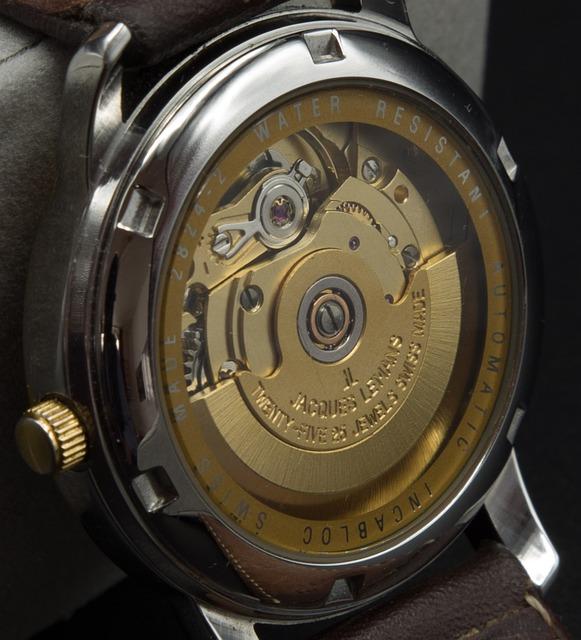
– Tips for Properly Winding Your Automatic Watch
When it comes to properly winding your automatic watch, there are a few key tips to keep in mind to ensure it runs smoothly and accurately. One important thing to remember is not to overwind your watch, as this can put unnecessary stress on the movement and potentially damage it in the long run. Make sure to stop winding once you feel resistance, indicating that the mainspring is fully wound.
Another tip is to wind your watch at the same time every day to maintain consistent timekeeping. This will help regulate the movement and keep it running accurately. Additionally, be gentle when winding your watch to avoid any unnecessary wear and tear on the internal components.
It’s also a good idea to wear your automatic watch regularly to keep it wound. If you’re not wearing it every day, consider investing in a watch winder to keep it running smoothly when not in use. This will help prevent the lubricants from drying out and ensure the longevity of your timepiece.

– Frequency of Winding Your Automatic Watch
When it comes to winding your automatic watch, the frequency will depend on a few key factors. The main considerations include the power reserve of your watch and how often you wear it. Here’s a breakdown of how often you should wind your automatic watch:
- Daily Wear: If you wear your automatic watch every day, it is recommended to wind it daily to keep it running accurately.
- Less Frequent Wear: If you wear your watch less frequently, you may need to wind it every couple of days to ensure it stays fully powered.
- Extended Periods of Non-Wear: If you don’t plan to wear your watch for an extended period, it’s advisable to wind it before storing it to prevent the movement from stopping.
Remember, overwinding your automatic watch can cause damage to the movement, so it’s essential to follow the manufacturer’s guidelines on how often to wind your specific watch model. By keeping your watch properly wound, you can enjoy accurate timekeeping and prolong the lifespan of your timepiece.

– Expert Recommendations for Winding Your Automatic Watch
When it comes to winding your automatic watch, there are a few key recommendations from experts that can help ensure optimal performance and longevity of your timepiece. Here are some tips to keep in mind:
- Frequency: It is recommended to wind your automatic watch at least once every two weeks to keep the movement running smoothly.
- Consistency: Try to wind your watch at the same time each day to help maintain accurate timekeeping.
- Gentle Touch: When winding your watch, be sure to do so gently and avoid over-winding, as this can put unnecessary stress on the movement.
- Check the Power Reserve: Make sure to check the power reserve of your watch to ensure it is fully wound and operating at its best.
By following these expert recommendations for winding your automatic watch, you can help ensure that your timepiece stays in top condition and continues to keep perfect time for years to come.
Closing Remarks
In conclusion, the process of winding an automatic watch varies depending on its power reserve and movement type. Understanding the time and effort required to wind your watch properly can help prolong its lifespan and maintain accurate timekeeping. Remember to refer to your watch’s manual for specific winding instructions and always handle your timepiece with care. By taking these key factors into consideration, you can ensure that your automatic watch remains in top condition for years to come. Thank you for reading and happy winding!
Get our latest guides, news, and insights highlighted in your Google Search & AI Overviews.