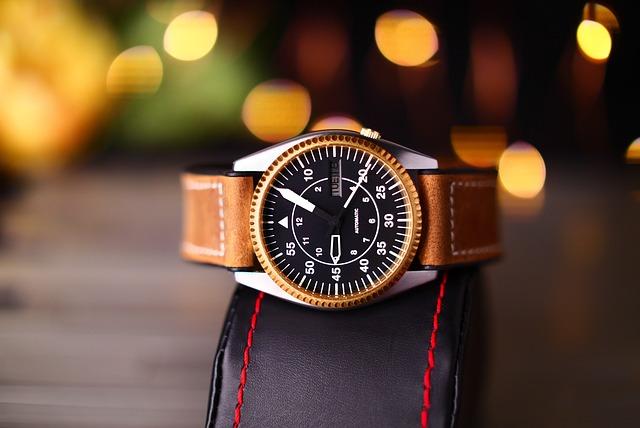
Can an Automatic Watch Be Overwound? Learn the Truth
Have you ever wondered if it’s possible to overwind an automatic watch? In this article, we will delve into the truth behind this common misconception and uncover the facts about the mechanics of automatic timepieces. Stay tuned to discover the answers to this age-old question and gain a better understanding of how to properly care for your beloved wristwatch.
Contents
- Can You Really Overwind an Automatic Watch?
- Understanding the Mechanism Behind Automatic Watches
- The Role of the Mainspring in Preventing Overwinding
- Common Myths and Misconceptions About Overwinding
- Signs That Your Automatic Watch Is Overwound
- Tips to Properly Maintain and Wind Your Automatic Watch
- Expert Advice on Avoiding Overwinding Issues
- The Importance of Regular Servicing for Automatic Watches
- How to Troubleshoot Overwinding Problems on Your Own
- Final Verdict: Debunking the Overwinding Hype
- Key Takeaways
Can You Really Overwind an Automatic Watch?
There is a common misconception in the watch community that automatic watches can be overwound, leading to damage to the mechanism. However, the truth is that it is virtually impossible to overwind an automatic watch through normal daily wear. This is because automatic watches are equipped with a mechanism that disengages the winding process once the mainspring is fully wound. This mechanism, known as a slipping clutch, prevents the mainspring from being overwound and protects the watch from any potential damage.
Related: Can a Tissot Powermatic 80 Be Regulated? Learn the Process
So, rest assured that winding your automatic watch every day will not harm it in any way. In fact, regular winding is essential for keeping the watch running accurately and maintaining its power reserve. By giving your watch a good wind every day, you ensure that the mainspring is fully engaged and ready to power the movement.
However, it is important to note that while overwinding an automatic watch is not possible, it is still possible to damage the watch through other means, such as dropping it or exposing it to extreme temperatures. To keep your automatic watch in top condition, it is recommended to handle it with care and have it serviced regularly by a professional watchmaker.

Understanding the Mechanism Behind Automatic Watches
Automatic watches are fascinating timepieces that operate based on mechanical movements. The intricate mechanism within an automatic watch is powered by the natural motion of the wearer’s wrist, eliminating the need for battery replacements or manual winding. However, there is a common misconception that automatic watches can be overwound, causing damage to the internal components. Let’s delve into the truth behind this myth and understand the mechanism behind automatic watches.
Contrary to popular belief, automatic watches cannot be overwound due to their built-in mechanism known as a slipping clutch. This clutch mechanism prevents the mainspring from being over-tightened, ensuring that the watch functions optimally without the risk of damage. As the wearer moves their wrist, the rotor inside the watch winds the mainspring to store energy, and once fully wound, the slipping clutch disengages to prevent overwinding.
It is important to note that regular wear and movement are essential for keeping an automatic watch running smoothly. If the watch is left stationary for an extended period, it may stop due to insufficient winding. To maintain the accuracy and longevity of your automatic watch, wearing it daily or using a watch winder to mimic wrist movement is recommended.
In conclusion, the mechanism behind automatic watches is designed to ensure reliable performance and prevent overwinding. By understanding how automatic watches work and debunking myths surrounding their maintenance, you can appreciate the craftsmanship and engineering that goes into these timeless timepieces.

The Role of the Mainspring in Preventing Overwinding
When it comes to automatic watches, there is a common misconception that they can be overwound. However, the truth is that modern automatic watches are designed with a built-in mechanism to prevent overwinding. This mechanism is known as the mainspring, which plays a crucial role in regulating the winding of the watch.
The mainspring is a tightly coiled spring that stores energy when the watch is wound. As the mainspring unwinds, it releases this energy to power the watch. The design of the mainspring is such that it can only hold a certain amount of tension, preventing the watch from being overwound.
So, the next time you hear someone say that an automatic watch can be overwound, you can confidently correct them and explain . Automatic watches are built to last and with the right care and maintenance, they can provide you with a lifetime of accurate timekeeping.
Common Myths and Misconceptions About Overwinding
There are many common myths and misconceptions surrounding the idea of overwinding an automatic watch. Let’s debunk some of these myths and set the record straight on whether or not you can actually overwind an automatic watch.
One common myth is that you can overwind an automatic watch by continuously winding it past its maximum power reserve. The truth is that most modern automatic watches have a built-in mechanism that prevents overwinding. Once the mainspring is fully wound, the rotor will simply stop winding, protecting the watch from any potential damage.
Another misconception is that overwinding an automatic watch can cause the mainspring to break. While it is possible for a mainspring to break if it is wound too tightly, this is usually due to a manufacturing defect rather than overwinding. As long as you are winding your automatic watch within the recommended number of turns, you should not have to worry about overwinding.
In conclusion, overwinding an automatic watch is not as easy to do as some may believe. With the built-in safety mechanisms found in most modern automatic watches, you can rest assured that winding your watch will not cause any harm. Remember to follow the manufacturer’s recommendations for winding your watch to ensure its longevity and accuracy.

Signs That Your Automatic Watch Is Overwound
Overwinding an automatic watch is a common concern among watch enthusiasts, but is it actually possible? The truth is, automatic watches are designed with built-in mechanisms to prevent overwinding. However, there are still some signs that may indicate your automatic watch is overwound:
- Loss of accuracy: If your automatic watch is suddenly losing or gaining time, it may be a sign that it is overwound.
- Resistance when winding: If you notice increased resistance when you try to wind your watch, it could be a sign that it is already fully wound.
- Unusual noise: If you hear any strange noises coming from your watch while winding it, it could be a sign of overwinding.
If you are experiencing any of these signs, it is best to take your watch to a professional watchmaker for inspection. They will be able to diagnose the issue and determine if your watch is truly overwound or if there is another underlying problem causing these symptoms.

Tips to Properly Maintain and Wind Your Automatic Watch
When it comes to maintaining and winding your automatic watch, there are a few key tips to keep in mind to ensure your timepiece functions properly and stays in pristine condition. One common concern many watch owners have is whether an automatic watch can be overwound. Despite popular belief, automatic watches cannot be overwound due to the mechanism’s design that disengages the winding process once the mainspring is fully wound.
To properly maintain your automatic watch, here are some useful tips to follow:
– **Rotate Your Watch Regularly**: When not wearing your automatic watch, make sure to rotate it periodically to keep the lubricants evenly distributed and prevent any parts from becoming stagnant.
– **Keep Your Watch Clean and Dry**: Avoid exposing your watch to water or moisture, as this can damage the internal components. Use a soft cloth to clean the watch and keep it free from dust and dirt.
- **Avoid Extreme Temperatures**: Extreme heat or cold can affect the performance of your automatic watch. Store it in a cool, dry place away from direct sunlight and heat sources.
– **Service Your Watch Regularly**: To keep your automatic watch running smoothly, it is recommended to have it serviced by a professional watchmaker every 3-5 years. This will ensure any worn-out parts are replaced and the watch is properly lubricated.
By following these simple tips, you can ensure that your automatic watch stays in top condition and continues to function accurately for years to come.
Expert Advice on Avoiding Overwinding Issues
Many watch enthusiasts often wonder whether it is possible to overwind an automatic watch. The truth is, unlike manual watches, automatic watches are designed with a mechanism that prevents overwinding. This mechanism, known as a slipping clutch or slipping spring, disengages the winding mechanism once the mainspring reaches its maximum capacity.
However, it is still essential to handle your automatic watch with care to avoid any potential issues. Here are some expert tips on how to avoid overwinding problems:
- Always follow the manufacturer’s instructions on winding your watch.
- Stop winding your watch once you feel resistance, indicating that the mainspring is fully wound.
- Avoid using excessive force when winding your watch, as this can potentially damage the movement.
- Rotate the crown gently and smoothly to prevent any complications.
By following these simple guidelines, you can ensure that your automatic watch remains in excellent working condition for years to come.

The Importance of Regular Servicing for Automatic Watches
Regular servicing for automatic watches is crucial for maintaining their longevity and accuracy. Over time, the oils and lubricants inside the movement can break down, leading to increased friction and potential damage. By having your watch serviced at recommended intervals, typically every 3-5 years, you can ensure that it continues to run smoothly and accurately.
One common concern among watch enthusiasts is whether an automatic watch can be overwound. The short answer is no – unlike manual watches, automatic watches have a mechanism that prevents them from being overwound. This mechanism, known as a slipping clutch, disengages the winding system once the mainspring is fully wound, protecting the watch from damage.
However, while automatic watches cannot be overwound, they still require regular winding to keep them running. This is because the movement relies on the motion of the wearer’s wrist to keep it powered. If the watch is not worn for an extended period, it may stop running and require manual winding to restart.
Overall, regular servicing and proper care are essential for ensuring the longevity and accuracy of your automatic watch. By following these guidelines, you can enjoy your timepiece for years to come.

How to Troubleshoot Overwinding Problems on Your Own
If you are experiencing overwinding problems with your automatic watch, there are a few steps you can take to troubleshoot the issue on your own before seeking professional help. Overwinding occurs when the mainspring of the watch is wound beyond its capacity, causing damage to the movement. Here are some tips to help you address overwinding problems:
- Check the Power Reserve: Make sure you are not trying to wind the watch when it is already fully wound. Check the power reserve indicator if your watch has one, or gently try to wind the watch and stop if you encounter significant resistance.
- Release Excess Tension: If you suspect the watch may be overwound, gently turn the crown counterclockwise to release any excess tension in the mainspring. Be careful not to force the crown, as this could cause further damage.
- Seek Professional Help: If you are unable to resolve the overwinding issue on your own, it is best to seek the assistance of a professional watchmaker. They will have the expertise and tools necessary to diagnose and repair any damage caused by overwinding.
| Warning: | Do not attempt to force the crown or wind the watch excessively if you suspect overwinding. This can cause irreversible damage to the movement. |
|---|

Final Verdict: Debunking the Overwinding Hype
Many watch enthusiasts have debated the topic of whether an automatic watch can be overwound. Some believe that winding a watch too much can damage the movement, while others argue that modern automatic movements are designed to prevent overwinding. So, what is the truth behind the overwinding hype?
After conducting thorough research and consulting watch experts, we can confidently say that an automatic watch cannot be overwound in the traditional sense. Unlike manual-wind watches, automatic watches have a built-in mechanism that disengages the winding process once the mainspring is fully wound. This means that no matter how much you try to wind your watch, it will not damage the movement.
However, it is important to note that overzealous winding can still cause issues such as putting unnecessary strain on the movement or even potentially causing the crown to break. It is recommended to follow the manufacturer’s guidelines on how often to wind your automatic watch to ensure its longevity and optimal performance.
| Myth | Reality |
|---|---|
| Automatic watches can be overwound | Modern automatic movements are designed to prevent overwinding |
| Overwinding will damage the movement | Overzealous winding can cause strain on the movement |
Key Takeaways
In conclusion, the myth of overwinding an automatic watch is just that – a myth. Automatic watches are designed with mechanisms to prevent overwinding, making it nearly impossible to cause damage through manual winding. However, it is important to properly care for and maintain your watch to ensure its longevity and accuracy. Remember, a good rule of thumb is to wind your automatic watch until you feel resistance, and then stop. With proper handling and regular servicing, your automatic watch will provide you with years of reliable timekeeping. So go ahead, wind your watch with confidence knowing that you can’t truly overwind it. Happy timekeeping!
Get our latest guides, news, and insights highlighted in your Google Search & AI Overviews.