The Mechanics of Mechanical Watches and Clocks: Exploring Timepiece Engineering
Mechanical watches and clocks are more than just tools for telling time – they are intricate pieces of engineering that showcase the beauty of precision and craftsmanship. In this article, we will delve into the world of timepiece engineering and explore the fascinating mechanics behind these timeless creations. From gears and escapements to balance wheels and mainsprings, we will unravel the complexities of mechanical timepieces and unravel the secrets that keep them ticking. Join us on this journey as we uncover the inner workings of these remarkable creations and gain a deeper understanding of the mechanics that make them truly timeless.
Contents
Precision and Accuracy: The Art of Regulating Timekeeping
When it comes to the art of regulating timekeeping, precision and accuracy are paramount. The mechanics of mechanical watches and clocks play a crucial role in ensuring that timepieces function seamlessly. By exploring timepiece engineering, we can gain a deeper understanding of the intricate mechanisms that make these devices tick.
One of the key components of a mechanical watch or clock is the escapement mechanism. This mechanism regulates the release of energy from the mainspring and controls the movement of the gears, ultimately determining the accuracy of the timepiece. The escapement consists of a pallet fork and an escape wheel, working together in a precise dance to ensure that the gear train advances at the correct intervals.
Another critical element in timepiece engineering is the balance wheel. This component oscillates back and forth, acting as the timekeeping regulator of the watch or clock. The balance wheel is responsible for maintaining a consistent rate of oscillation, which directly impacts the accuracy of the timepiece. By fine-tuning the balance wheel and adjusting its weight, watchmakers can achieve the perfect balance between precision and accuracy.
In conclusion, the mechanics of mechanical watches and clocks are a fascinating world of precision and engineering. By delving into the intricate workings of these timepieces, we can appreciate the artistry and skill that goes into creating devices that keep time with impeccable accuracy.

Exploring the Craftsmanship of Hand-Wound Movements
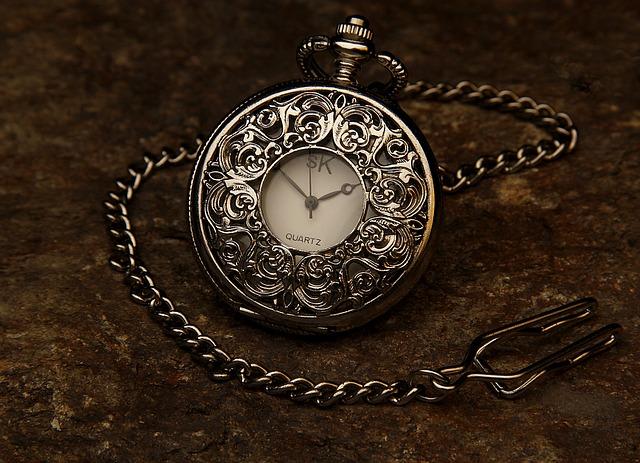
Hand-wound movements represent the epitome of traditional watchmaking craftsmanship. These intricate mechanisms are meticulously assembled by skilled artisans, showcasing a level of precision and dedication that is truly awe-inspiring. The art of hand-winding a watch involves delicately turning the crown to wind the mainspring, which powers the timepiece. This manual process not only keeps the watch running smoothly but also allows the wearer to develop a deeper connection with their timepiece.
One of the key benefits of hand-wound movements is their simplicity and purity. With fewer components than automatic movements, hand-wound watches often have a cleaner and more elegant aesthetic. The lack of a rotor also means that the movement is typically thinner, allowing for slimmer case designs. Additionally, hand-wound movements require regular winding, providing a tangible interaction with the watch that many enthusiasts appreciate.
The craftsmanship of hand-wound movements is evident in the attention to detail and precision engineering that goes into their creation. Each component is meticulously crafted and assembled by hand, ensuring that every watch is a true work of art. From the delicate balance wheel to the intricate gear train, every part plays a crucial role in keeping time accurately. For those who appreciate the artistry and tradition of watchmaking, hand-wound movements offer a unique and compelling option.
The Importance of Balance Wheels and Hairsprings in Timekeeping
Balance wheels and hairsprings are two crucial components in the mechanics of mechanical watches and clocks. These components work together to regulate the timekeeping accuracy of timepieces, making them essential for maintaining precise timekeeping.
The balance wheel acts as the timekeeping regulator, controlling the speed at which the gears in the movement turn. It oscillates back and forth, allowing the gear train to advance at precise intervals. The hairspring, on the other hand, helps to stabilize the motion of the balance wheel, ensuring that it oscillates evenly and consistently.
Without a properly functioning balance wheel and hairspring, a mechanical watch or clock would not be able to keep accurate time. Even small variations in the balance wheel’s oscillations or the hairspring’s tension can lead to significant discrepancies in timekeeping.
Overall, the balance wheel and hairspring are fundamental elements in the intricate world of timepiece engineering. Their precise construction and meticulous calibration are what make mechanical watches and clocks such marvels of human ingenuity and craftsmanship.

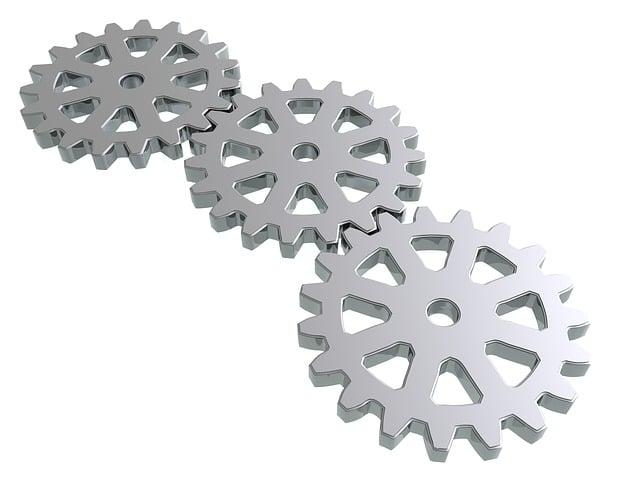
Synchronizing Time: How Multiple Movements Operate Together
Understanding the intricate workings of mechanical watches and clocks is like peering into a miniature world governed by precision and harmony. These timepieces are marvels of engineering, where multiple movements come together to synchronize and accurately measure time.
One of the key components in these timepieces is the escapement mechanism, which regulates the release of energy from the mainspring to the gear train. This mechanism ensures that the gear train moves at a controlled pace, allowing the hands of the watch or clock to move smoothly and consistently.
Additionally, the balance wheel and hairspring work in tandem to oscillate at a precise frequency, further contributing to the accuracy of the timepiece. This rhythmic motion is what gives mechanical watches their characteristic ticking sound.
Ultimately, the synchronization of these various movements is what enables mechanical watches and clocks to function with such remarkable reliability and precision. It’s a testament to the ingenuity and craftsmanship of horologists throughout history.
Key Takeaways
In conclusion, exploring the mechanics of mechanical watches and clocks provides a fascinating glimpse into the intricate world of timepiece engineering. By understanding the intricate workings of gears, springs, and escapements, we can truly appreciate the craftsmanship and precision required to keep these timepieces ticking accurately. Whether you are a watch enthusiast or simply curious about the inner workings of these devices, learning about the mechanics of mechanical watches and clocks is sure to deepen your appreciation for the art of timekeeping. Remember, the beauty of a mechanical watch lies not just in its design, but in the precision engineering that powers its movement.
Get our latest guides, news, and insights highlighted in your Google Search & AI Overviews.