Can You Damage a Mechanical Watch Leaving It Unwound? Expert Advice
If you’re a watch enthusiast, you may have wondered whether leaving your mechanical timepiece unwound can cause damage. In this article, we’ll explore expert advice on the topic and settle the age-old debate once and for all. Let’s dive in and uncover the truth behind this common concern.
Contents
- – Understanding the Impact of Leaving a Mechanical Watch Unwound
- – Expert Advice on Maintaining the Functionality of Your Mechanical Watch
- – Potential Risks of Neglecting to Wind Your Mechanical Watch
- – How to Properly Store an Unwound Mechanical Watch
- – Factors to Consider When Deciding Whether to Wind Your Watch
- – Expert Tips for Avoiding Damage to Your Unwound Mechanical Watch
- – The Importance of Regularly Maintaining Your Mechanical Watch
- – Common Misconceptions About Leaving Mechanical Watches Unwound
- – How to Identify Signs of Damage in an Unwound Mechanical Watch
- Wrapping Up
– Understanding the Impact of Leaving a Mechanical Watch Unwound
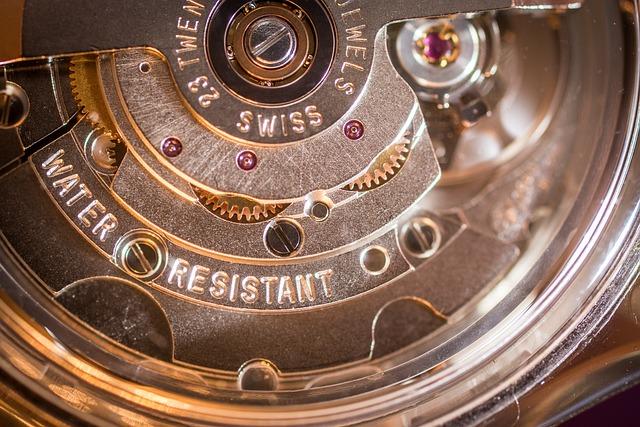
Leaving a mechanical watch unwound can have a significant impact on its performance and longevity. When a mechanical watch is left unwound, the oils inside the movement can dry out and cause friction between the various components. This friction can lead to increased wear and tear on the watch, potentially causing damage over time.
Here are some key points to consider:
- Loss of accuracy: A watch that is left unwound may lose accuracy over time as the components are not properly lubricated.
- Potential damage: Increased friction between parts can cause damage to the movement, leading to costly repairs.
- Longevity: Properly winding and maintaining a mechanical watch can help ensure that it functions properly for years to come.
It is important to regularly wind your mechanical watch to ensure that it stays in good working condition. If you have multiple watches in your collection, consider investing in a watch winder to keep them properly maintained when not in use.

– Expert Advice on Maintaining the Functionality of Your Mechanical Watch
Maintaining the functionality of your mechanical watch is essential to ensure its longevity and accuracy. One common question that watch enthusiasts often ask is whether leaving a mechanical watch unwound can cause damage. The good news is that leaving your mechanical watch unwound for a period of time will not necessarily damage it. However, there are some important factors to consider to keep your watch in optimal condition.
First and foremost, it is recommended to wind your mechanical watch at least once every two weeks, even if you are not wearing it regularly. This practice helps to keep the lubricants in the movement evenly distributed and prevents the parts from seizing up. Additionally, storing your watch in a cool, dry place away from direct sunlight and extreme temperatures can help maintain its accuracy and prevent unnecessary wear and tear.
In addition to regular winding and proper storage, it is important to have your mechanical watch serviced by a professional watchmaker every 3-5 years. During a service, the watchmaker will clean, lubricate, and adjust the movement to ensure it continues to function properly. By following these expert tips, you can enjoy your mechanical watch for years to come without worrying about causing damage by leaving it unwound.
– Potential Risks of Neglecting to Wind Your Mechanical Watch
There are potential risks associated with neglecting to wind your mechanical watch regularly. While mechanical watches are durable timepieces, leaving them unwound for extended periods can lead to various complications that may affect the watch’s performance and longevity.
Some of the potential risks of neglecting to wind your mechanical watch include:
- Loss of Accuracy: Mechanical watches rely on a series of intricate components to keep time accurately. When left unwound, these components may become misaligned, leading to a loss of accuracy in timekeeping.
- Damage to Internal Mechanisms: The lubricants used in mechanical watches can dry up over time if the watch is not wound regularly. This can cause increased friction between moving parts, leading to wear and potential damage to the internal mechanisms.
- Complications with Complications: If your mechanical watch features complications such as a date function or moon phase indicator, neglecting to wind the watch can cause these features to stop working properly or become out of sync.
It is essential to establish a regular winding routine for your mechanical watch to ensure optimal performance and longevity. By winding your watch consistently and keeping it properly maintained, you can help prevent these potential risks and enjoy your timepiece for years to come.
– How to Properly Store an Unwound Mechanical Watch
When it comes to storing an unwound mechanical watch, there are a few key things to keep in mind to ensure the longevity and performance of your timepiece.
One common concern is whether leaving a mechanical watch unwound can cause damage. The short answer is no, leaving a watch unwound will not damage it. However, there are some best practices to follow to maintain the health of your watch:
- Keep it in a watch box: Store your unwound mechanical watch in a quality watch box to protect it from dust, moisture, and other potential hazards.
- Avoid extreme temperatures: Keep your watch in a cool, dry place away from direct sunlight and extreme heat or cold.
- Regular maintenance: Even when unwound, it’s important to have your watch serviced periodically by a professional to ensure it stays in top working condition.
By following these simple guidelines, you can rest assured that your unwound mechanical watch will remain in optimal condition for years to come.

– Factors to Consider When Deciding Whether to Wind Your Watch
Factors to consider when deciding whether to wind your watch:
- Frequency of Use: If you wear your watch regularly, it is best to keep it wound to ensure accurate timekeeping.
- Type of Movement: Watches with automatic movements should be kept wound to prevent the lubricants from drying out and causing damage.
- Storage: If you are not wearing your watch for an extended period, it is recommended to wind it periodically to prevent the parts from seizing up.
- Age of the Watch: Older watches may benefit from regular winding to keep them in good working condition.
| Factors | Recommendation |
|---|---|
| Frequency of Use | Keep your watch wound for regular wear. |
| Type of Movement | Automatic watches should be kept wound to prevent damage. |
| Storage | Wind your watch if not worn to prevent parts from seizing up. |
| Age of the Watch | Older watches may benefit from regular winding. |
Overall, the decision to wind your watch depends on various factors, including how often you wear it, the type of movement it has, and its age. By considering these factors, you can ensure that your mechanical watch remains in optimal condition for years to come.
– Expert Tips for Avoiding Damage to Your Unwound Mechanical Watch
It is a common concern among watch enthusiasts whether leaving a mechanical watch unwound can cause damage. To address this question, we consulted with experts in the field to get their advice on how to properly care for your unwound mechanical timepiece.
Here are some expert tips to help you avoid damage to your unwound mechanical watch:
- Store in a watch winder: If you have multiple mechanical watches in your collection, consider investing in a watch winder to keep your unworn timepieces running smoothly.
- Avoid extreme temperatures: Keep your unwound mechanical watch away from extreme temperatures, as this can affect the lubricants inside the movement.
- Regular servicing: Even if your mechanical watch is unwound, it is still important to have it serviced by a professional watchmaker every few years to ensure it remains in good working condition.
– The Importance of Regularly Maintaining Your Mechanical Watch
In the world of luxury watches, maintaining your mechanical watch is essential to keep it running smoothly and accurately. Regular maintenance not only ensures the longevity of your timepiece but also prevents potential damages that can occur from neglect.
One common misconception is that leaving a mechanical watch unwound can damage it. While it may not necessarily cause immediate harm, over time, it can lead to issues such as lubricants drying out and components wearing out prematurely. Regular winding of your watch helps keep the oils evenly distributed and ensures optimal performance.
Experts recommend keeping your mechanical watch wound and running regularly to prevent any potential damages from occurring. This simple task can help extend the lifespan of your timepiece and maintain its accuracy and reliability. Additionally, it is also advisable to have your watch professionally serviced every 3-5 years to address any underlying issues and keep it in top condition.
By prioritizing the regular maintenance of your mechanical watch, you can enjoy its beauty and precision for years to come. Remember, a well-maintained watch is not just a timekeeper but also a valuable investment that deserves proper care and attention.
– Common Misconceptions About Leaving Mechanical Watches Unwound
There are several common misconceptions about leaving mechanical watches unwound that may lead watch owners to worry about potential damage. Here, we debunk some of these myths and provide expert advice on this topic:
- Misconception 1: Leaving a mechanical watch unwound can damage the movement. In reality, mechanical watches are designed to be wound regularly, but leaving them unwound for a short period of time will not cause any harm.
- Misconception 2: Unwinding a mechanical watch will cause it to lose accuracy. While it is true that a fully wound watch will typically keep better time, leaving it unwound for a short time will not significantly impact its accuracy.
- Misconception 3: Mechanical watches should be kept wound at all times. While it is recommended to keep your watch wound to ensure proper functioning, occasional periods of being unwound will not cause any long-term damage.
Ultimately, it is important to strike a balance between keeping your mechanical watch wound regularly and allowing it to rest when needed. By understanding the mechanics of your watch and following expert advice, you can ensure that your timepiece remains in good condition for years to come.

– How to Identify Signs of Damage in an Unwound Mechanical Watch
If you have an unwound mechanical watch, it’s important to know how to identify signs of damage to ensure its proper functionality. Here are some expert tips to help you determine if your watch has been damaged:
- Check for any visible scratches or dents on the watch case or crystal.
- Listen for any strange sounds when you shake the watch, such as rattling or grinding noises.
- Look for any discoloration or fading on the dial or hands of the watch.
- Inspect the crown and buttons for any looseness or difficulty when winding or setting the watch.
By paying attention to these indicators, you can assess if your unwound mechanical watch has suffered any damage that may affect its performance. Remember, it’s always best to consult with a professional watchmaker if you have any concerns about the condition of your timepiece.
Wrapping Up
In conclusion, leaving a mechanical watch unwound for an extended period of time can potentially lead to damage, particularly if the watch contains lubricants that may dry out or solidify. It is recommended to keep your watch wound and running to ensure the longevity and proper functioning of the timepiece. Remember to regularly wind your watch or invest in a watch winder to keep it in optimal condition. By following these expert recommendations, you can enjoy your mechanical watch for years to come. Thank you for reading and happy timekeeping!
Get our latest guides, news, and insights highlighted in your Google Search & AI Overviews.