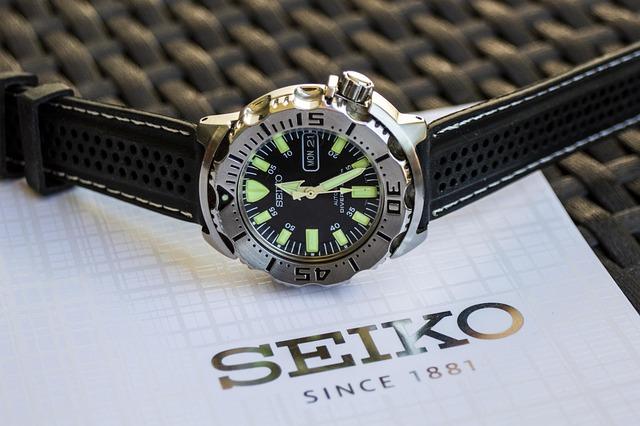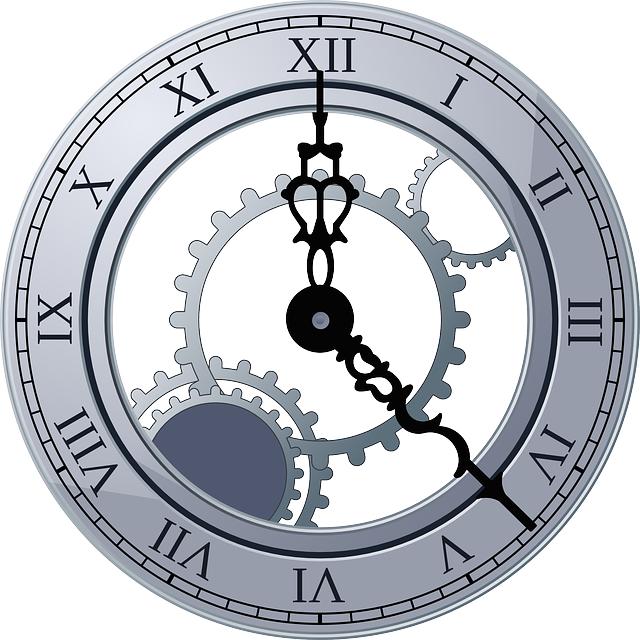
Crafting Time: How Mechanical Watches Are Made
Have you ever wondered how those intricate gears and springs come together to create a mechanical watch? Join us as we take a closer look at the fascinating world of watchmaking and delve into the meticulous process of crafting these timeless timepieces. From precision engineering to intricate assembly, we’ll explore the secrets behind the creation of mechanical watches in “Crafting Time: How Mechanical Watches Are Made.” So grab your magnifying glass and let’s unravel the mystery behind these masterpieces of horology.
Contents
- Crafting Timepiece: The Intricate Art of Mechanical Watchmaking
- Choosing the Right Materials: An Essential Step in Watch Production
- The Delicate Process of Assembly: Bringing Together Hundreds of Tiny Parts
- From Hand-Engraving to Finishing Touches: The Fine Details That Set Luxury Watches Apart
- Ensuring Precision: How Watchmakers Calibrate Movements for Accuracy
- Testing and Quality Control: Checking Every Component Before Finalizing the Timepiece
- The Legacy of Traditional Watchmaking: How Ancient Techniques Still Influence Modern Production
- Exploring Modern Innovations in Mechanical Watchmaking
- Choosing a Mechanical Watch: Factors to Consider When Making a Purchase
- Concluding Remarks
Crafting Timepiece: The Intricate Art of Mechanical Watchmaking
When it comes to crafting timepieces, mechanical watchmaking is truly an intricate art form. From the precise movements of tiny gears to the delicate assembly of hundreds of components, creating a mechanical watch is a labor-intensive process that requires skill, patience, and attention to detail.
One of the first steps in making a mechanical watch is designing the movement, which is the internal mechanism that powers the watch and regulates its timekeeping. This involves painstakingly sketching out the placement of each gear, spring, and lever to ensure that the watch will keep accurate time. Once the design is finalized, highly skilled watchmakers begin the process of manufacturing the components.
The components of a mechanical watch are often made by hand, using traditional watchmaking techniques that have been passed down through generations. Watchmakers carefully cut, shape, and polish each part to exact specifications, ensuring that they will fit together seamlessly. The movement is then assembled, with each component carefully placed and adjusted to ensure that the watch will function properly.
Finally, the movement is placed into a meticulously crafted case, which is often made of precious metals such as gold or platinum. The dial and hands are added, and the watch is tested for accuracy and durability. The result is a stunning timepiece that not only tells time but also showcases the skill and artistry of the watchmaker.

Choosing the Right Materials: An Essential Step in Watch Production
When it comes to crafting mechanical watches, choosing the right materials is a crucial step in ensuring the quality and durability of the timepiece. The materials used in watch production can greatly impact the overall performance, longevity, and aesthetic appeal of the watch. Here are some essential considerations to keep in mind when selecting materials for watch production:
- Metal: Stainless steel, titanium, and precious metals like gold and platinum are commonly used in watch cases for their durability and attractive appearance.
- Crystal: Sapphire crystal is preferred for its scratch resistance, while mineral crystal is a more affordable option.
- Movement: High-quality movements are often made of materials like brass, steel, and jewels to ensure accuracy and reliability.
In addition to these key components, other materials such as leather, rubber, and ceramic are often used for watch straps and bezels to add variety and style to the timepiece. Each material chosen plays a significant role in the overall construction and performance of the watch, making it essential to carefully consider the selection during the production process.

The Delicate Process of Assembly: Bringing Together Hundreds of Tiny Parts
Creating a mechanical watch is not just about putting together a few pieces – it’s a delicate process that requires precision and skill. Each timepiece is made up of hundreds of tiny parts that must be meticulously assembled to ensure the watch functions correctly.
One of the first steps in crafting a mechanical watch is the creation of the movement. This is the heart of the watch, where all the gears, springs, and other components come together to make the watch tick. Skilled watchmakers carefully assemble each part by hand, ensuring that everything fits together perfectly.
Once the movement is completed, it is placed into the watch case, which is often made of high-quality materials such as stainless steel or gold. The final step is to add the dial, hands, and other finishing touches to complete the watch.
It’s a labor-intensive process, but the end result is a beautiful and functional timepiece that will last for years to come. Crafting a mechanical watch is truly a blend of artistry and precision, where every detail matters.
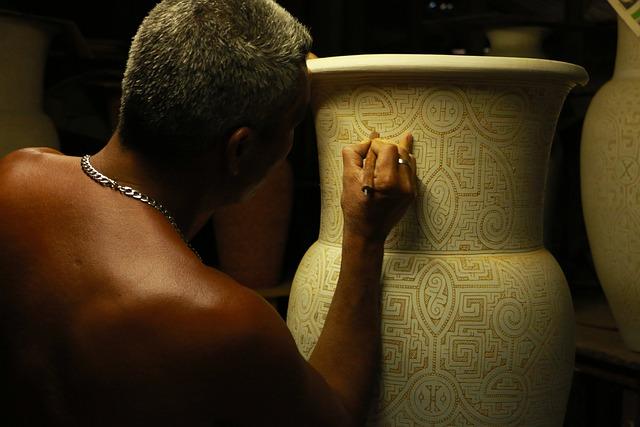
From Hand-Engraving to Finishing Touches: The Fine Details That Set Luxury Watches Apart
Creating a luxury mechanical watch is a meticulous process that involves a multitude of intricate steps designed to ensure the highest quality and precision. From the initial hand-engraving of the watch components to the final finishing touches, each stage plays a crucial role in setting luxury watches apart from their mass-produced counterparts.
One of the key distinguishing factors of luxury watches is the attention to detail in every aspect of their creation. The dial, hands, case, and movement of a luxury watch are all carefully crafted and assembled by skilled artisans who possess a deep knowledge of their craft. This dedication to precision and craftsmanship is what sets luxury watches apart and gives them their timeless appeal.
When it comes to the finishing touches of a luxury watch, no detail is too small to be overlooked. Every component is meticulously inspected and polished to perfection, ensuring that the watch not only looks stunning but also functions flawlessly. From the hand-applied finishes to the intricate engravings, each element is carefully executed to create a truly exceptional timepiece.
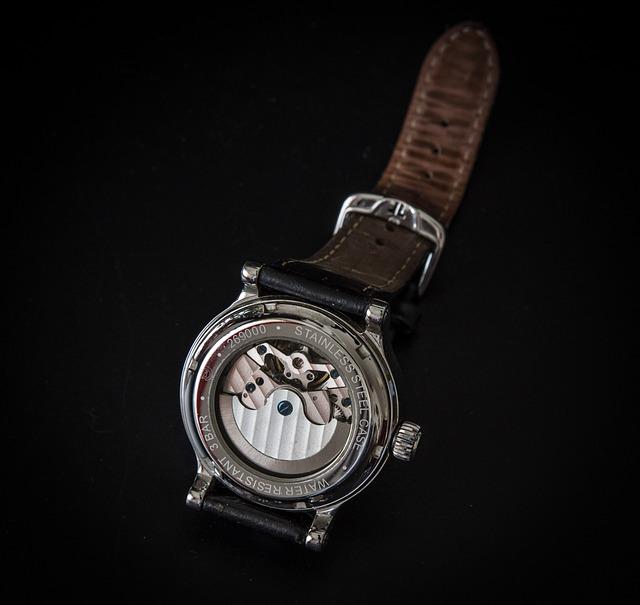
Ensuring Precision: How Watchmakers Calibrate Movements for Accuracy
Watchmakers play a crucial role in ensuring the precision and accuracy of mechanical watches. One of the key steps in this process is calibrating movements to ensure that the watch keeps time accurately. This involves fine-tuning various components within the movement to optimize its performance.
Watchmakers use a variety of tools and techniques to calibrate movements, including:
- Adjusting the balance wheel: The balance wheel is a critical component of the movement that controls the speed at which the watch runs. Watchmakers carefully adjust the balance wheel to ensure that it oscillates at the correct frequency.
- Regulating the escapement: The escapement is responsible for releasing energy to the gear train at precise intervals. Watchmakers regulate the escapement to ensure that the movement functions correctly and keeps accurate time.
- Checking for magnetization: Magnetic fields can disrupt the operation of a mechanical watch. Watchmakers use specialized equipment to detect and remove any magnetization that may be affecting the movement.
By meticulously calibrating movements and paying close attention to detail, watchmakers are able to craft timepieces that not only look beautiful but also keep time with exceptional accuracy.

Testing and Quality Control: Checking Every Component Before Finalizing the Timepiece
Once all the individual components have been meticulously handcrafted and assembled to create a stunning timepiece, the next crucial step is testing and quality control. Every single component undergoes rigorous checks to ensure that the watch meets the highest standards of precision and performance.
One of the key aspects of testing is checking the movement of the watch. This involves testing the accuracy of the timekeeping mechanism, ensuring that it keeps perfect time. The movement is also tested for durability and longevity, to ensure that it will operate flawlessly for years to come.
Another important aspect of quality control is checking the water resistance of the watch. This is a critical feature, especially for sports or diving watches. Each watch is carefully tested to ensure that it can withstand the rigors of daily wear and exposure to water.
Before finalizing the timepiece, each component is meticulously inspected to guarantee that it meets the exacting standards of the brand. Whether it’s checking the alignment of hands, the clarity of the crystal, or the smooth operation of the crown, every detail is carefully examined to ensure that the watch is perfect in every way.

The Legacy of Traditional Watchmaking: How Ancient Techniques Still Influence Modern Production
Traditional watchmaking techniques have a long history that dates back centuries, and while modern production methods have evolved significantly, the influence of these ancient practices can still be seen in the craftsmanship of mechanical watches today. The legacy of traditional watchmaking is deeply rooted in the meticulous attention to detail, precision, and artistry that goes into creating each timepiece.
One of the key elements of traditional watchmaking that continues to influence modern production is the use of intricate mechanical movements. These movements are often handmade by skilled artisans who have honed their craft over years of practice. Every component of a mechanical watch, from the gears and springs to the escapement mechanism, is carefully designed and assembled to ensure precise timekeeping.
Another aspect of traditional watchmaking that still plays a role in modern production is the use of high-quality materials. Watchmakers have always prioritized the use of fine metals, such as stainless steel, gold, and platinum, as well as precious gemstones, to create timepieces that are not only functional but also aesthetically pleasing.
While modern technology has certainly transformed the watchmaking industry, the legacy of traditional techniques continues to be an important part of the production process. By blending the best of both worlds – ancient craftsmanship and modern innovation – watchmakers are able to create timepieces that are not only timeless in design but also reliable and accurate in their function.
Exploring Modern Innovations in Mechanical Watchmaking
When it comes to modern watchmaking, mechanical watches stand out as a true testament to craftsmanship and precision. These intricate timepieces are made up of hundreds of tiny components, all working together to accurately measure time. Here, we delve into the fascinating world of mechanical watchmaking, exploring the innovations and techniques that go into crafting these masterpieces of horology.
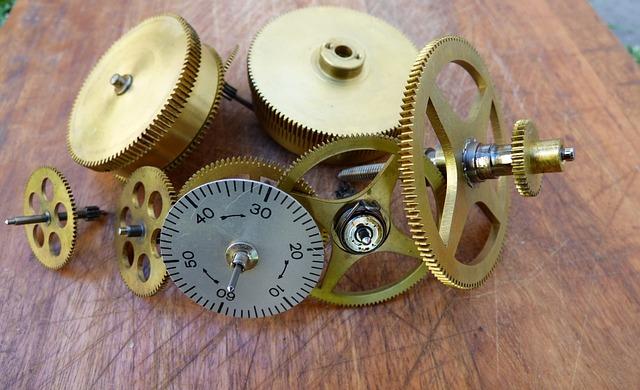
One of the key components of a mechanical watch is the movement, which is essentially the engine that drives the watch. Modern mechanical watch movements can be categorized into two main types: manual and automatic. Manual movements require the wearer to regularly wind the watch, while automatic movements are self-winding, powered by the motion of the wearer’s wrist. Both types of movements are made up of gears, springs, and other components that work together to keep time accurately.
Another important aspect of mechanical watchmaking is the use of high-quality materials. From stainless steel to precious metals like gold and platinum, watchmakers carefully select materials that not only enhance the aesthetics of the watch but also ensure its longevity and durability. Sapphire crystal is often used for the watch face, as it is scratch-resistant and offers excellent clarity.
In addition to the movement and materials, the design of a mechanical watch plays a crucial role in its overall appeal. From classic and elegant to sporty and contemporary, watchmakers are constantly pushing the boundaries of design to create timepieces that not only tell time but also make a statement. With intricate detailing, unique complications, and fine finishing, each mechanical watch is a work of art in its own right.

Choosing a Mechanical Watch: Factors to Consider When Making a Purchase
When considering purchasing a mechanical watch, there are several important factors to take into account. One of the key aspects to think about is the movement of the watch. Mechanical watches can have either an automatic or manual winding movement, so you’ll want to decide which type best suits your preferences.
Another factor to consider is the materials used in the construction of the watch. High-quality mechanical watches are often made with durable materials such as stainless steel, titanium, or precious metals like gold or platinum. The choice of materials can impact not only the durability of the watch but also its aesthetic appeal.
Additionally, the style and design of the watch are important considerations. Whether you prefer a classic, minimalist look or a more intricate and decorative design, there are countless options available. Take the time to explore different styles and find one that resonates with your personal taste.
Ultimately, choosing a mechanical watch is a personal decision that should take into account your individual preferences and lifestyle. By considering factors such as movement type, materials, and design, you can find a watch that not only tells time but also reflects your unique style and personality.
Concluding Remarks
In conclusion, the intricate process of crafting mechanical watches is a true testament to the skill and dedication of watchmakers. From the careful design and assembly of components to the meticulous testing and quality control, every step is essential in creating a timepiece that stands the test of time. Understanding the craftsmanship and precision that go into making mechanical watches only deepens our appreciation for this timeless art form. Next time you look at a mechanical watch, remember the passion and expertise that went into creating it. Thank you for joining us on this journey through the world of watchmaking. Remember, time is precious – so wear it well.
Get our latest guides, news, and insights highlighted in your Google Search & AI Overviews.