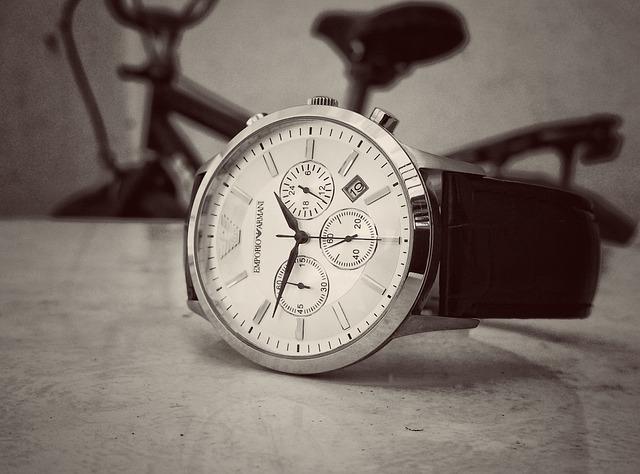
How Do I Wind a Mechanical Watch? Essential Techniques
If you own a mechanical watch, you know how important it is to wind it properly to keep it running smoothly. In this article, we will discuss the essential techniques on how to wind a mechanical watch efficiently. Understanding the proper winding methods is crucial to ensure the longevity and accuracy of your timepiece. Let’s delve into the world of mechanical watches and learn the best practices for winding them.
Contents
- Understanding the Basics of a Mechanical Watch
- Identifying the Correct Crown Position
- Using Gentle and Consistent Movements
- Avoiding Over-Winding to Prevent Damage
- Knowing When to Stop Winding
- Tips for Maintaining Proper Tension
- Taking Note of the Power Reserve
- Seeking Professional Help When Needed
- Practice Makes Perfect: Developing a Rhythm
- Troubleshooting Common Winding Issues
- Concluding Remarks
Understanding the Basics of a Mechanical Watch
One of the key elements in maintaining a mechanical watch is understanding how to properly wind it. To ensure your timepiece keeps ticking accurately, follow these essential techniques:
– **Don’t overwind**: Once you feel resistance while winding, stop immediately to prevent damaging the mechanism.
– **Gently turn the crown**: Use a gentle, steady motion when winding your watch to avoid any unnecessary strain on the components.
– **Keep track of power reserve**: Be aware of how long your watch can run on a full wind to avoid it stopping unexpectedly.
By mastering the art of winding your mechanical watch, you can ensure its longevity and accuracy for years to come. It may seem like a simple task, but proper technique is essential in keeping your timepiece in top condition.

Identifying the Correct Crown Position
To identify the correct crown position when winding a mechanical watch, you must first locate the crown on the side of the watch case. The crown is typically found at the 3 o’clock position and is used for setting the time, date, and winding the watch. Once you have located the crown, follow these essential techniques to ensure you wind the watch correctly:
Unscrew the Crown: Some mechanical watches have a screw-down crown to ensure water resistance. Before winding the watch, gently unscrew the crown in a counter-clockwise direction to release it from its locked position.
Pull out the Crown: Once the crown is unscrewed, carefully pull it out to the first or second position, depending on the watch model. This will allow you to wind the watch without adjusting the time or date.
Rotate the Crown: With the crown in the correct position, gently turn it clockwise in a consistent and steady motion. Be careful not to overwind the watch, as this can damage the movement. Most mechanical watches require around 20-40 rotations to fully wind the mainspring.
- Push the Crown in: After winding the watch, push the crown back in and screw it down tightly to secure it in place. This will ensure the watch remains water-resistant and the movement functions properly. By following these techniques, you can effectively wind your mechanical watch and ensure it operates smoothly and accurately.

Using Gentle and Consistent Movements
When winding a mechanical watch, it is important to use gentle and consistent movements to ensure proper operation and longevity of the timepiece. By following these essential techniques, you can effectively wind your watch without causing damage:

- Rotate the crown slowly: When winding your watch, be sure to rotate the crown slowly in a clockwise direction. Avoid applying too much force, as this can put unnecessary strain on the movement.
- Stop when you feel resistance: As you wind the watch, you will start to feel resistance. This is a sign that the mainspring is fully wound, so be sure to stop winding to prevent overwinding.
- Wind at the same time each day: To maintain accurate timekeeping, try to wind your watch at the same time each day. This will help keep the mainspring at a consistent tension.
By when winding your mechanical watch, you can ensure that it continues to run smoothly and accurately for years to come. Remember to handle your watch with care and attention to detail to preserve its beauty and functionality.

Avoiding Over-Winding to Prevent Damage
When it comes to winding a mechanical watch, it’s crucial to do it correctly to prevent damage. Over-winding can put unnecessary strain on the delicate internal components of your timepiece. To avoid this, follow these essential techniques:
- Always read the manufacturer’s instructions first to determine the recommended number of winding turns for your specific watch.
- Stop winding as soon as you feel resistance. Do not force the crown past this point.
- Regularly wind your watch at the same time every day to keep it running smoothly and accurately.
By following these simple guidelines, you can ensure that your mechanical watch remains in excellent condition for years to come. Remember, proper care and maintenance are key to preserving the longevity of your timepiece.

Knowing When to Stop Winding
your mechanical watch is crucial to avoid damaging the movement. Overwinding can put unnecessary stress on the gears and springs, leading to potential issues down the line. Here are some tips to help you know when to stop winding:
– **Pay attention to the resistance:** When winding your watch, you will feel resistance as you turn the crown. Once you start feeling more resistance than usual, this is a sign that the mainspring is fully wound, and you should stop winding.
– **Listen for clicks:** Some watches have a mechanism that clicks to indicate when the mainspring is fully wound. If you hear a clicking sound while winding, this is a good indicator to stop.
– **Follow the instructions:** If your watch comes with a manual, make sure to read it carefully. The manufacturer’s instructions will often specify how many turns the crown should be wound to avoid overwinding.
It’s important to practice caution and stop winding your watch when you feel it’s fully wound. This will help maintain the longevity of your timepiece and ensure it keeps accurate time for years to come.
Tips for Maintaining Proper Tension
Maintaining proper tension in a mechanical watch is essential for its longevity and accuracy. Here are some tips to help you keep your timepiece in optimal condition:
- Regularly wind your watch: Wind your watch at the same time each day to ensure consistent tension.
- Avoid overwinding: Be gentle when winding your watch and stop when you feel resistance to prevent damaging the movement.
- Store your watch properly: Keep your watch in a watch winder or on a watch pillow when not in use to prevent the mainspring from losing tension.
- Have your watch serviced: Regular maintenance by a professional watchmaker will help keep your watch running smoothly and maintain proper tension.
Proper tension is crucial for the accurate timekeeping of your mechanical watch. By following these tips, you can ensure that your timepiece continues to function flawlessly for years to come.
Taking Note of the Power Reserve
When it comes to winding a mechanical watch, it’s important to take note of the power reserve. The power reserve indicates how long a watch will continue to run once fully wound. This can vary depending on the watch, with some models having a power reserve of 24 hours while others can last up to 80 hours.
It is recommended to wind your mechanical watch regularly to ensure it stays running smoothly. Here are some essential techniques to keep in mind:
- Know your watch: Understand the power reserve of your specific watch model so you know how often you need to wind it.
- Consistency is key: Try to wind your watch at the same time each day to maintain accuracy.
- Avoid over-winding: Stop winding your watch once you feel resistance, over-winding can cause damage to the mechanism.
| Watch Model | Power Reserve |
|---|---|
| Rolex Submariner | 48 hours |
| Omega Speedmaster | 60 hours |
| Tag Heuer Carrera | 42 hours |

Seeking Professional Help When Needed
When it comes to winding a mechanical watch, it’s essential to follow the proper techniques to ensure the longevity and accuracy of your timepiece. If you’re unsure of how to properly wind your watch, seeking professional help from a watchmaker or jeweler is highly recommended. They have the expertise and experience to handle delicate timepieces with care.
Here are some essential techniques to keep in mind when winding your mechanical watch:
- Know the type of movement: Before winding your watch, it’s important to know whether it has a manual or automatic movement. Manual watches require you to wind the crown by hand, while automatic watches wind themselves with the movement of your wrist.
- Avoid overwinding: Be gentle when winding your watch and stop once you feel resistance. Overwinding can cause damage to the movement, so it’s crucial to be mindful of this while winding.
- Consistent winding: Try to wind your watch at the same time each day to keep it running smoothly. Consistent winding helps to maintain the accuracy of your timepiece.
| Manual Watches | Automatic Watches |
|---|---|
| Require manual winding by hand | Self-winding with the movement of your wrist |
| Stop once you feel resistance | Avoid overwinding to prevent damage |
| Consistent winding at the same time daily | Maintains accuracy of the watch |

Practice Makes Perfect: Developing a Rhythm
Mastering the art of winding a mechanical watch is essential for any watch enthusiast. It may seem like a simple task, but there are certain techniques that can ensure you are doing it correctly and efficiently. Here are some essential tips to help you achieve the perfect wind:
- Consistency is key: Make it a habit to wind your watch at the same time each day to keep it running smoothly.
- Handle with care: Be gentle when winding your watch to avoid damaging the delicate inner mechanisms.
- Know your watch: Different watches may require a different number of turns to fully wind, so make sure you are familiar with your watch’s specific needs.
- Listen for feedback: Pay attention to the sound your watch makes while winding – a clicking noise indicates that it is fully wound.
By following these simple techniques, you can ensure that your mechanical watch stays in optimal condition and continues to keep perfect time.

Troubleshooting Common Winding Issues
When winding a mechanical watch, it’s important to use the right techniques to prevent common winding issues. Here are some essential tips to help you properly wind your timepiece:
- Rotate the crown: Gently rotate the crown in a clockwise direction to wind the watch. Avoid forcing the crown or over-winding the watch as this can cause damage.
- Know when to stop: Pay attention to the resistance you feel when winding the watch. Once you feel resistance, stop winding to prevent over-winding.
- Regular winding: Make it a habit to wind your mechanical watch at the same time each day to ensure consistent timekeeping.
- Seek professional help: If you encounter any issues with winding your watch, take it to a professional watchmaker for inspection and repair.
By following these essential techniques, you can avoid common winding issues and keep your mechanical watch running smoothly for years to come.
Concluding Remarks
In conclusion, mastering the art of winding a mechanical watch is a simple yet essential skill for any watch enthusiast. By following the proper techniques outlined in this article, you can ensure that your timepiece functions smoothly and accurately. Remember to be gentle yet firm when winding your watch, and always avoid overwinding. With practice and dedication, you’ll become a pro at keeping your mechanical watch ticking like a charm. So, go ahead and give it a try – your timepiece will thank you for it!
Get our latest guides, news, and insights highlighted in your Google Search & AI Overviews.